
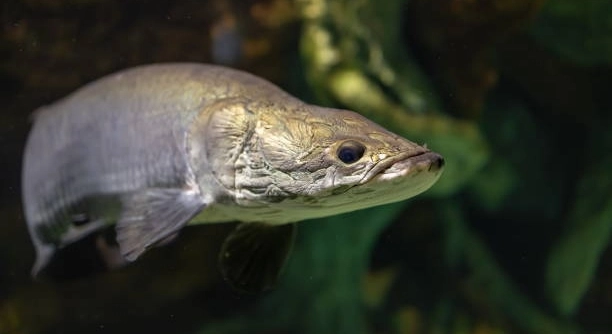
Do your arowanas sometimes swim unusually, balancing on their heads or staying near the water surface? Head-standing is a behavior that can signal various conditions in your fish, from minor stress to potential health concerns.
Head-standing in arowanas is commonly caused by issues such as poor water quality, swim bladder disorders, nutritional deficiencies, bacterial infections, parasitic infestations, environmental stressors, and genetic predispositions. Identifying the specific cause is essential for proper treatment and prevention.
Recognizing these causes early can help maintain your arowana’s health and improve its behavior in the tank, ensuring a balanced and thriving aquatic environment.
Poor Water Quality
Maintaining clean water is crucial for arowanas, as dirty or unbalanced water can trigger head-standing behavior. Excess ammonia, nitrites, or nitrates in the tank can irritate the fish’s gills, affecting oxygen intake and overall health. Temperature fluctuations and improper pH levels can further stress the fish, leading to abnormal swimming patterns. Regular water changes, proper filtration, and monitoring chemical levels help prevent these issues. Observing your arowana daily allows you to notice subtle changes in behavior that may indicate water-related stress. Even minor lapses in maintenance can cause significant problems over time, so a consistent routine is essential. Adequate aeration ensures oxygen levels remain sufficient, which directly supports healthy swimming habits.
Keeping water clean and stable reduces stress, supports health, and minimizes head-standing incidents in your arowana.
Investing time in monitoring and maintaining water quality not only prevents head-standing but also encourages natural behavior, vibrant coloration, and strong growth. Using a reliable water testing kit and completing weekly partial water changes keeps chemical levels in check. If head-standing persists despite clean water, evaluating other causes like diet, illness, or tank setup becomes necessary. Arowanas are sensitive fish, and small adjustments in environment can make a noticeable difference in their stability, activity, and overall well-being.
Swim Bladder Disorders
Swim bladder problems are common in arowanas and directly affect buoyancy. These disorders can result from overfeeding, constipation, infections, or physical deformities, causing the fish to tilt or float unnaturally.
Swim bladder issues interfere with balance, making head-standing a frequent response.
Treatment often begins with dietary adjustments, such as feeding peeled peas or fasting for a short period to relieve constipation. Maintaining clean water and stable temperature supports recovery, while avoiding overfeeding prevents recurrence. Severe cases may require veterinary attention or medication for bacterial infections affecting the swim bladder. Observing your arowana’s posture and movement daily can help detect early signs. Correcting swim bladder disorders restores proper buoyancy, encourages normal swimming, and reduces stress, allowing the fish to thrive. Consistency in care and awareness of feeding practices are critical to preventing ongoing problems related to the swim bladder.
Nutritional Deficiencies
Arowanas need a balanced diet rich in protein, vitamins, and minerals. Lack of essential nutrients can weaken muscles and affect swim bladder function, leading to head-standing behavior in the tank.
Providing varied food, including pellets, live fish, and insects, helps meet nutritional needs. Vitamins like C and E support immune function, while calcium and phosphorus strengthen bones and muscles. Feeding too much processed food or a single diet type can result in deficiencies, making fish prone to abnormal swimming patterns. Regular supplementation and monitoring eating habits ensure your arowana remains strong and active.
Monitoring growth, behavior, and coloration can reveal subtle nutritional issues. Adjusting diet gradually and observing responses helps prevent digestive stress. Combining high-quality commercial pellets with occasional live or frozen foods provides balanced nutrients. Overfeeding or inconsistent feeding schedules may worsen deficiencies, so maintaining consistency is important. Paying attention to your arowana’s diet can correct imbalances, reduce head-standing incidents, and improve overall vitality. A careful approach to feeding ensures long-term health and natural behavior patterns.
Bacterial Infections
Bacterial infections can target the swim bladder, fins, or internal organs, causing discomfort and head-standing. Identifying symptoms early, like redness, swelling, or lethargy, is essential for recovery.
Infected arowanas require prompt treatment, including antibiotics prescribed for fish and maintaining pristine tank conditions. Stress from overcrowding or poor water quality can exacerbate infections, so isolating affected fish may prevent spread. Daily observation allows you to notice changes in appetite or swimming that indicate illness. Supporting immune health with proper diet and water management complements medical treatment.
Bacterial infections often arise from minor wounds, poor hygiene, or contaminated food. Maintaining a consistent cleaning routine, regular water changes, and proper filtration reduces the likelihood of infections. Quarantining new fish before introducing them to the main tank is a precaution that helps protect the population. In combination with targeted medication, these measures restore your arowana’s health, correct head-standing behavior, and reduce stress. Observing recovery progress daily ensures the treatment is effective and helps prevent relapses.
Parasitic Infestations
Parasites like gill flukes or internal worms can irritate arowanas, causing stress and head-standing. Symptoms include rubbing against surfaces, rapid gill movement, and decreased appetite.
Treating infestations quickly with appropriate anti-parasitic medications and maintaining clean water prevents further health complications and supports recovery.
Environmental Stressors
Sudden changes in tank conditions, such as temperature shifts, excessive noise, or overcrowding, can lead to head-standing. Arowanas are sensitive to their surroundings, and consistent environmental conditions help maintain normal behavior.
Genetic Predisposition
Some arowanas may naturally be more prone to buoyancy issues due to inherited traits. These fish may show occasional head-standing regardless of care quality.
Monitoring and Observation
Regularly observing your arowana allows early detection of abnormal behavior. Prompt attention to changes can prevent minor issues from escalating into serious health problems.
FAQ
Why is my arowana head-standing all of a sudden?
Sudden head-standing is often linked to environmental changes or health issues. Rapid fluctuations in water temperature, poor water quality, or recent introduction of new fish can stress your arowana. It can also indicate swim bladder problems, nutritional deficiencies, or infections. Observing the fish and checking tank conditions helps identify the cause.
Can head-standing be a sign of disease?
Yes, head-standing can indicate illness. Swim bladder disorders, bacterial infections, or parasitic infestations can disrupt normal swimming. Look for additional signs such as lethargy, loss of appetite, or abnormal coloration. Prompt treatment and maintaining clean, stable water are essential for recovery.
How can I improve my arowana’s water quality?
Regular water changes, efficient filtration, and testing chemical levels are key. Remove uneaten food and debris, monitor ammonia, nitrite, nitrate, and pH levels, and maintain a stable temperature. Proper aeration ensures sufficient oxygen, which supports swimming and overall health.
What diet prevents head-standing?
A balanced diet with protein, vitamins, and minerals supports muscle and swim bladder health. Include high-quality pellets, live or frozen fish, and insects. Avoid overfeeding or relying on a single type of food. Supplement vitamins when necessary to prevent deficiencies that may lead to abnormal behavior.
Is head-standing permanent in some arowanas?
Some genetic traits may make certain arowanas prone to buoyancy issues. While careful care reduces frequency, inherited tendencies can result in occasional head-standing even with proper diet, environment, and health management.
How do I treat swim bladder problems at home?
Adjusting diet often helps, such as feeding peeled peas or fasting briefly to relieve constipation. Maintaining clean, warm water and avoiding overfeeding supports recovery. Severe cases may require veterinary consultation or prescribed medication. Daily observation is important to track progress.
Can stress cause head-standing?
Yes, environmental stressors like sudden noise, overcrowding, or rapid water changes can cause abnormal swimming. Minimizing disturbances, keeping a stable tank environment, and providing enough space reduces stress and encourages natural behavior.
When should I seek professional help?
If head-standing persists despite proper water quality, diet, and environmental conditions, consulting a veterinarian is recommended. Persistent symptoms, visible infections, or severe swim bladder issues require professional evaluation for effective treatment.
Can head-standing affect growth or lifespan?
Extended periods of stress or illness linked to head-standing can impact growth, appetite, and overall health. Early detection and treatment improve the fish’s well-being, restoring normal swimming behavior and supporting long-term vitality.
Are there preventive measures for head-standing?
Consistent tank maintenance, a balanced diet, observation of fish behavior, and quarantine of new fish help prevent causes of head-standing. Keeping water stable, reducing stressors, and monitoring for early signs of illness ensures your arowana remains healthy and active.
How often should I check my arowana for signs of head-standing?
Daily observation is ideal. Briefly monitoring swimming patterns, appetite, and overall activity helps detect subtle changes early. Early detection allows quick intervention and prevents minor problems from developing into serious health issues.
Can multiple factors cause head-standing at once?
Yes, head-standing can result from a combination of poor water quality, nutritional deficiencies, stress, and underlying infections. Addressing all possible factors simultaneously improves recovery and helps maintain normal behavior.
Is head-standing more common in certain tank setups?
Tanks with unstable conditions, inadequate filtration, small size, or frequent disturbances can increase the likelihood. Providing sufficient space, clean water, and a stable environment minimizes occurrences and supports overall health.
What daily routine helps prevent head-standing?
Feeding a balanced diet, checking water parameters, removing uneaten food, and observing behavior are key. Regular partial water changes and consistent temperature and pH maintenance help ensure your arowana remains healthy and stable.
How long does it take for arowanas to recover from head-standing?
Recovery time depends on the cause. Dietary adjustments or minor environmental corrections may show results in days, while swim bladder disorders or infections may take weeks with proper treatment. Consistent care and monitoring accelerate recovery.
Can I prevent head-standing with supplements?
Supplements can help if nutritional deficiencies are a factor. Vitamins supporting immune function, calcium, and other minerals strengthen muscles and swim bladder function. They should complement a varied, balanced diet rather than replace it.
Does head-standing affect behavior with other fish?
Head-standing can reduce activity and feeding competition, causing stress among tank mates. Ensuring proper space, hiding spots, and consistent feeding helps minimize stress for all fish in the tank.
Are juvenile arowanas more prone to head-standing?
Young arowanas are more sensitive to environmental changes and diet imbalances. Their developing swim bladder and growing muscles make them more prone to abnormal swimming, making careful care essential during early growth stages.
What role does tank size play in head-standing?
Smaller tanks can increase stress and limit swimming space, exacerbating buoyancy issues. Providing adequate space relative to the arowana’s size reduces stress and promotes natural swimming behavior.
How can I tell if head-standing is improving?
Improvement is seen when the arowana swims normally, maintains balance, and shows regular feeding and activity. Consistent observation of posture, buoyancy, and response to feeding provides a clear indication of recovery.
Head-standing in arowanas is a behavior that often signals underlying issues in their health or environment. Observing your fish carefully is the first step to understanding what may be causing the behavior. Common causes include poor water quality, swim bladder problems, nutritional deficiencies, bacterial infections, parasitic infestations, environmental stress, and sometimes genetic predisposition. Each of these factors can impact your arowana differently, and addressing them promptly helps prevent more serious problems. Regular monitoring of your fish, the water parameters, and tank conditions is essential for maintaining a healthy environment where your arowana can swim naturally without stress or discomfort.
Proper care and attention can often prevent head-standing behavior before it becomes serious. Maintaining clean water with balanced chemical levels is critical, as even small imbalances can stress your fish. A consistent feeding schedule with a varied diet ensures your arowana receives the nutrients needed to support muscle function and swim bladder health. Providing enough space and stable tank conditions reduces environmental stress, while isolating or treating sick fish prevents infections from spreading. By combining these practices, you support your arowana’s overall health, reduce abnormal behaviors, and help the fish thrive in its aquatic environment. Regular observation allows you to notice early signs of imbalance or illness, which can be corrected quickly before the behavior worsens.
Understanding head-standing also involves recognizing that some factors may be beyond immediate control, such as genetic predisposition. Even in well-maintained tanks, some arowanas may show occasional head-standing due to inherited traits. However, consistent care, attention to diet, and a stable environment still make a significant difference in minimizing the frequency and severity of the behavior. Recovery from issues like swim bladder disorders or minor infections may take time, but patience and steady care usually lead to noticeable improvement. Ultimately, maintaining awareness of your arowana’s health, behavior, and habitat is the most effective approach. Consistently applying proper feeding, cleaning, and observation routines ensures your fish remains strong, active, and comfortable in the tank, reducing the chances of head-standing and promoting a longer, healthier life.

Hello,
If you enjoy the content that we create, please consider saying a "Thank You!" by leaving a tip.
Every little bit helps us continue crafting quality advice that supports the health, happiness, and well-being of pets around the world, for pets of all shapes, sizes, and species.
We really appreciate the kindness and support that you show us!