
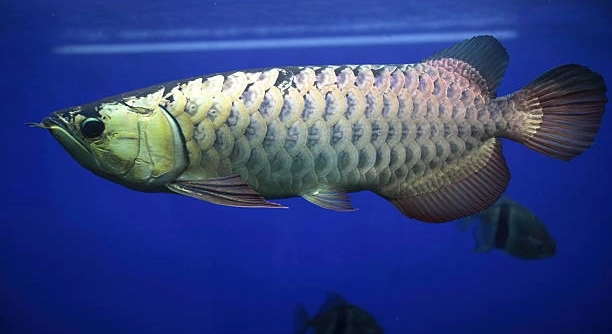
Are your arowana’s meals starting to look different after a recent diet change? Changing what you feed your fish can have subtle but important effects on its behavior, energy, and overall health in the first few weeks.
After changing an arowana’s diet, it is important to monitor appetite, swimming patterns, coloration, and waste production. Adjustments in feeding habits can influence digestive health, stress levels, and nutrient absorption, which are critical indicators of the fish’s adaptation.
Observing these signs closely helps ensure your arowana adjusts well, supporting long-term health and preventing potential complications from dietary transitions.
Adjusting to New Food
When I first switched my arowana’s diet, I noticed small changes in its behavior almost immediately. It swam slower at times, and its usual excitement during feeding seemed muted. These shifts can signal the fish is processing the new food differently or that its digestive system is adjusting. Arowanas are sensitive to changes in protein and fat content, and even minor differences can influence their energy levels and overall health. Monitoring feeding response is key. Offer smaller portions and watch how quickly your fish eats. If it hesitates or refuses the new food, try mixing it with familiar options to ease the transition. Changes in water quality also play a role. Uneaten food can decay quickly, increasing ammonia levels and stressing the fish. Keeping the tank clean and stable helps your arowana adapt without additional pressure, supporting both appetite and digestion. Patience during this period is essential for a smooth adjustment.
Consistency during feeding helps the arowana slowly accept new nutrients, reducing stress and maintaining overall health.
Careful observation over several days allows you to detect patterns. Notice color brightness, fin movement, and activity during different times. Adjust portion size gradually and maintain a routine. This minimizes digestive upset and supports proper metabolism. Avoid sudden overfeeding, as this can cause bloating or uneven waste production. Tracking these subtle indicators gives insight into how well the diet change is being tolerated. Keeping a simple log can help identify which foods suit your fish best and highlight any signs of discomfort early. Small adjustments can make a significant difference in adaptation and long-term health. By staying attentive, you ensure your arowana remains vibrant and active while adjusting to new nutritional sources.
Monitoring Health Indicators
Changes in feces and water clarity often appear first when a diet is altered.
Observing waste consistency is crucial after a diet change. Loose or stringy feces indicate digestive stress, while sudden changes in water color may point to uneaten food or nutrient imbalance. Maintaining high water quality and regular cleaning reduces health risks. Watch for unusual swelling or lethargy, which may require adjusting the feeding routine. It’s important to act quickly if these signs persist. Some arowanas may need specific supplements or a gradual reintroduction of previous foods. Monitoring health indicators closely gives a clearer understanding of the fish’s adaptation process.
Digestive health is the most sensitive indicator of how well your arowana is responding to a new diet. When waste appears normal in color, texture, and frequency, it is a good sign that the digestive system is processing the food efficiently. Keep track of any irregularities, including unusual floating or sinking of feces, as this may reveal underlying issues. Water quality should also be assessed regularly because elevated ammonia or nitrite levels can exacerbate stress caused by dietary changes. Feeding small portions and maintaining a consistent schedule supports both digestion and overall well-being. Observing appetite, energy levels, and body condition over weeks allows for adjustments in protein, fat, or fiber content. Nutritional balance is key; including a variety of high-quality foods prevents deficiencies. Being proactive about tank hygiene, portion control, and gradual introduction of new items ensures that your arowana thrives and continues to develop healthy growth patterns.
Behavioral Changes
Arowanas may become less active or hide more after a diet change. Tracking these behaviors can help identify if the new food suits their needs. Sudden aggression or reduced interaction often signals stress.
Subtle shifts in swimming patterns are common when introducing new food. Your fish might linger near the surface or corners of the tank, avoiding usual areas. Reduced chasing of tank mates or less frequent exploration can indicate digestive discomfort or reluctance to eat unfamiliar items. These behaviors usually normalize as the fish adjusts, but persistent changes suggest reevaluating portion size, food type, or feeding schedule. Keeping a close watch helps prevent long-term stress.
Feeding response also reflects adaptation. Arowanas may sniff, nibble, or completely ignore new food initially. Gradually mixing familiar foods can ease acceptance. Consistent monitoring ensures that appetite returns to normal and that energy levels stabilize. Patience is important, and tracking these subtle cues over several days informs adjustments in diet. Changes in activity often correlate with digestive health, making behavioral observation a key aspect of overall monitoring.
Water Quality Effects
Diet changes can directly affect water quality, impacting your arowana’s health. Uneaten food and altered waste increase ammonia and nitrite levels.
Shifts in water clarity or odor may appear soon after introducing new foods. High-protein or oily items can cloud the water and produce stronger waste, stressing the fish. Regular partial water changes and prompt removal of leftover food help maintain a stable environment. Filtration efficiency should be checked frequently, especially during diet transitions. Maintaining proper pH and temperature supports digestion and overall well-being.
Monitoring water parameters allows early detection of problems caused by diet shifts. Testing ammonia, nitrite, and nitrate levels daily during the first week is recommended. Overfeeding or introducing high-fat foods may accelerate toxin accumulation. Balancing portions, cleaning the substrate, and using activated carbon or biological filters can minimize water quality issues. Stable water conditions reduce stress and prevent disease outbreaks. Adjusting feeding routines to match the tank’s capacity for waste processing ensures long-term health. Observing water clarity alongside fish behavior provides a clearer picture of how the diet affects both environment and the arowana’s comfort.
Appetite Monitoring
Arowanas may show changes in appetite after switching foods. Eating less or refusing certain items can signal digestive adjustment or stress. Keeping track of portion sizes and feeding times helps identify patterns early.
Gradually offering smaller portions of new food mixed with familiar options encourages consistent eating. Sudden refusal may indicate the need for a slower transition or variety in diet.
Physical Appearance
Color vibrancy and fin condition often reflect dietary adaptation. Dullness or fraying may result from nutrient imbalance or stress. Monitoring these indicators ensures timely intervention and maintains overall health.
Feeding Frequency
Adjusting feeding frequency is important during diet transitions. Overfeeding can cause digestive issues and water quality decline, while underfeeding limits nutrient intake.
Stress Signals
Increased hiding, rapid gill movement, or unusual aggression indicates stress. Observing these behaviors allows for quick adjustments in diet or environment to support the fish’s adaptation.
FAQ
How long does it take for an arowana to adjust to a new diet?
Adjustment time varies depending on the fish and the type of food introduced. Some arowanas adapt within a few days, while others may take up to two weeks. Monitoring appetite, activity, and waste during this period helps determine if the new diet is suitable. Gradually mixing old and new foods can speed up the process.
What should I do if my arowana refuses the new food?
Start by offering very small amounts mixed with familiar food. Slowly increase the proportion of new food over several days. If refusal continues, try different high-quality options or slightly altering food texture. Observing behavior and appetite closely ensures the fish receives adequate nutrition without causing stress.
Is it normal for my arowana to swim less after changing its diet?
Yes, reduced activity can occur as the digestive system adjusts. Temporary lethargy or slower swimming often resolves within a few days. Persistent inactivity may indicate digestive stress, water quality issues, or insufficient nutrient intake. Tracking energy levels alongside feeding response helps identify underlying causes.
How can I monitor digestive health effectively?
Check feces for consistency, color, and frequency. Normal waste is firm and uniform, while loose, stringy, or irregular feces may indicate digestive issues. Observe how quickly the fish processes food and whether it shows discomfort after eating. Maintaining proper water quality supports healthy digestion.
Can diet changes affect my arowana’s coloration?
Yes, shifts in food can impact pigmentation. Lack of certain nutrients may dull colors, while appropriate supplements or balanced protein-rich foods can enhance vibrancy. Monitor gradual changes and adjust feeding to ensure the fish maintains healthy coloration.
What are the signs of stress caused by a new diet?
Stress may show as increased hiding, rapid gill movement, aggression, or refusal to eat. Observing these behaviors alongside physical condition helps determine if the diet is causing problems. Adjust portion sizes, feeding frequency, or food type to reduce stress and support adaptation.
How often should I feed my arowana during a diet transition?
Feed smaller, more frequent portions to avoid overloading the digestive system. Typically, two to three times a day is sufficient, depending on the fish’s age and size. Adjust portions according to appetite and monitor waste to prevent water quality issues.
Can water quality impact my arowana’s reaction to a new diet?
Yes, uneaten food and waste from dietary changes can increase ammonia and nitrite levels, stressing the fish. Regular water testing, partial water changes, and proper filtration help maintain a stable environment and support digestion.
When should I consult a veterinarian about diet changes?
If digestive issues, stress behaviors, or physical changes persist for more than a week despite adjusting portions or food type, professional advice is recommended. Early intervention can prevent long-term health problems and ensure proper nutrient intake.
Are supplements necessary when changing an arowana’s diet?
Supplements may be beneficial if the new food lacks essential vitamins or minerals. Consult a specialist to identify deficiencies and avoid over-supplementing, which can harm digestion or water quality. Properly balanced diets often reduce the need for additional supplements.
How can I tell if the new diet is successful?
Success is indicated by consistent appetite, normal activity, firm waste, and vibrant coloration. Gradual improvement over one to two weeks shows the fish is adjusting well. Observing these signs ensures the diet meets nutritional needs without causing stress or digestive problems.
Is it okay to switch back to the old diet if problems arise?
Yes, temporarily returning to familiar foods can reduce stress while addressing digestive or behavioral issues. Slowly reintroducing new items afterward helps prevent abrupt changes and supports a smoother adaptation process.
Changing an arowana’s diet can feel like a big step, but with careful observation, it can be managed smoothly. The first few days are often the most critical, as your fish adjusts to new textures, flavors, and nutrient levels. Subtle changes in behavior, appetite, and swimming patterns are normal during this period, and it is important not to panic. Keeping feeding portions small and consistent helps reduce digestive stress and encourages the fish to accept the new food gradually. Mixing familiar food with the new diet can make the transition easier and prevent sudden refusal, ensuring your arowana continues to get enough nutrients. Patience is key, and taking the time to track daily habits allows you to respond to minor issues before they become larger problems.
Monitoring water quality alongside dietary changes is another important step. Uneaten food and waste can quickly alter ammonia, nitrite, and nitrate levels, which directly affect your fish’s health. Regular partial water changes, careful cleaning of the tank substrate, and checking filtration efficiency all help maintain a stable environment. Even small fluctuations in water parameters can stress the fish, making adaptation to a new diet slower or more difficult. Observing signs like cloudiness, odor, or changes in water color can give early clues that adjustments are needed. Paying attention to these details supports both the fish’s physical health and its overall comfort during the dietary transition.
Finally, watching for long-term indicators of well-being ensures your arowana thrives on its new diet. Healthy feces, normal swimming behavior, bright coloration, and consistent appetite all signal that the change is successful. If problems persist, such as persistent lethargy, refusal to eat, or digestive issues, it may be necessary to reconsider the food type or consult a professional. Small adjustments in feeding frequency, portion size, or food composition often resolve most issues. By remaining attentive, patient, and proactive, you can help your arowana adapt safely while maintaining its health and vitality. A carefully managed diet transition strengthens the fish’s resilience and supports its long-term growth, energy, and overall well-being.

Hello,
If you enjoy the content that we create, please consider saying a "Thank You!" by leaving a tip.
Every little bit helps us continue crafting quality advice that supports the health, happiness, and well-being of pets around the world, for pets of all shapes, sizes, and species.
We really appreciate the kindness and support that you show us!