
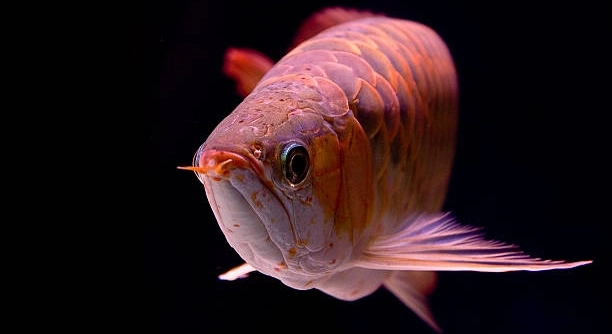
Is your arowana spending most of its time at the bottom of the tank, barely moving or exploring? Many fish owners notice this behavior and wonder why their usually active and elegant arowana seems so inactive.
Arowanas may avoid exploring their tank due to stress, poor water quality, inadequate space, or lack of proper stimulation. Addressing these environmental and care factors can help encourage natural movement and overall well-being in the fish.
Understanding the causes of this behavior will help you create a more comfortable and stimulating environment for your arowana to thrive.
Common Reasons Arowanas Stay Still
Many arowanas remain motionless due to stress or discomfort. Water quality is a major factor, as high ammonia or nitrite levels can make fish lethargic. Temperature fluctuations also affect activity, since arowanas thrive in stable, warm water. Tank size plays a role as well; small or crowded tanks limit movement, making exploration difficult. Lack of hiding spots or enrichment can also make your fish feel exposed, prompting it to stay in one place. Diet affects energy too. Feeding low-quality food or irregular meals can lead to reduced activity. Overcrowding or aggressive tankmates may intimidate your arowana, causing it to avoid certain areas. Observing how your fish interacts with the tank and other fish provides insight into its behavior. Regular monitoring of water parameters, tank layout, and feeding schedules can help identify why your arowana is staying still. Small changes often lead to noticeable improvement in activity.
Monitoring water parameters and tank conditions can reveal stress factors affecting your arowana’s willingness to explore.
Arowanas are naturally curious but cautious. Adjusting tank size, temperature, and enrichment items like floating plants or driftwood encourages movement. Proper feeding routines improve energy, and separating aggressive tankmates reduces intimidation. Over time, your fish may begin exploring more confidently, displaying its elegant swimming patterns throughout the tank.
Environmental Adjustments That Encourage Activity
Proper tank conditions are essential for active arowanas.
Ensuring stable temperature, clean water, and adequate space are crucial for promoting exploration. Gradual changes in environment and careful observation can motivate your arowana to engage with its surroundings more consistently. Adding decorations like rocks, plants, or driftwood creates areas to investigate, offering stimulation without causing stress. Lighting also influences behavior; a balance of natural and artificial light can mimic a day-night cycle, encouraging activity. Feeding quality foods in small, regular portions boosts energy levels and reduces lethargy. Avoid overcrowding, and provide sufficient swimming space to allow natural movement. Observing the fish daily helps detect subtle changes in behavior or health, enabling quick interventions when needed. Over time, these adjustments create a more comfortable and engaging environment. Arowanas that feel secure and well-cared-for will explore freely, swim gracefully, and show more interactive behavior. Regular maintenance and attention to detail ensure long-term happiness and well-being for your fish.
Diet and Feeding Habits
Arowanas need a balanced diet to stay active. Poor nutrition or irregular feeding schedules can make them lethargic. Live or high-quality pellet foods provide essential nutrients and energy to explore the tank confidently. Overfeeding, however, can lead to sluggishness and health issues.
Providing a variety of foods such as pellets, frozen fish, and insects ensures your arowana receives necessary proteins and vitamins. Consistent feeding schedules help regulate metabolism and maintain energy levels. Avoiding low-quality or stale foods prevents digestive problems, which can also reduce activity. Observing how your fish responds to different foods can guide adjustments in diet for optimal health and liveliness.
Some arowanas may develop preferences or habits that affect activity. Rotating food types and feeding locations encourages natural hunting and exploration behaviors. Supplementing with occasional live treats stimulates movement and keeps the fish engaged. Paying attention to portion sizes and removing uneaten food prevents water contamination. Small, gradual changes in diet often produce noticeable improvements in energy and willingness to swim throughout the tank, supporting both physical and mental well-being.
Tank Setup and Enrichment
Tank layout greatly affects arowana activity. Sparse or poorly arranged tanks can leave fish feeling exposed, while strategic placement of hiding spots encourages exploration.
Adding driftwood, rocks, and floating plants creates areas for investigation and rest. Open swimming space allows natural movement without stress. Lighting should simulate a day-night cycle to encourage normal activity patterns. Using secure and smooth decorations prevents injury while promoting curiosity. Observing which areas the fish uses most can inform future adjustments. Regularly rotating enrichment items keeps the environment stimulating, preventing boredom. Proper filtration ensures water quality remains optimal, supporting overall health. Consistent maintenance and attention to layout encourage confident, active swimming behavior.
Environmental enrichment also involves careful placement of tankmates. Aggressive or territorial fish should be separated to reduce intimidation, while compatible companions can encourage social exploration. Rearranging decorations occasionally provides new stimuli, prompting the arowana to investigate. Ensuring the tank is appropriately sized, with calm water flow and temperature stability, reduces stress and promotes natural behavior. Combining these factors with a proper diet and feeding schedule creates an environment where your arowana can thrive, move freely, and exhibit its full range of graceful swimming patterns.
Water Quality and Maintenance
Poor water quality is a leading cause of inactivity in arowanas. High levels of ammonia, nitrites, or nitrates can make fish lethargic and stressed. Regular testing and water changes are essential to maintain a healthy environment for exploration.
Filtration must be efficient and consistent. Dirty or stagnant water discourages swimming and can lead to illness. Monitoring pH and temperature stability is equally important. Even small changes can affect behavior. Maintaining clean, balanced water supports both physical health and natural activity patterns, helping your arowana feel comfortable and safe in the tank.
Stress and Behavioral Factors
Stress from aggressive tankmates or sudden environmental changes can reduce movement. Minimizing disturbances and providing hiding areas supports calm behavior. Observing interactions helps identify potential stressors that limit activity.
Signs of Illness
Lethargy, clamped fins, or loss of appetite often indicate underlying health problems. Prompt attention and treatment are necessary to restore activity and well-being.
Lighting and Temperature
Arowanas require stable temperatures and proper lighting to maintain normal behavior. Consistency supports energy levels and encourages exploration throughout the tank.
FAQ
Why is my arowana staying at the bottom of the tank?
Most often, bottom-dwelling behavior is caused by stress, poor water quality, or temperature issues. Arowanas are sensitive fish and may feel unsafe if their environment is too cold, overcrowded, or lacks hiding spots. Ensuring clean, warm water and providing adequate space encourages movement.
Could my arowana be sick if it is not exploring?
Yes. Lethargy can indicate illness, such as infections, parasites, or swim bladder problems. Watch for additional signs like clamped fins, loss of appetite, or unusual swimming patterns. Early detection and treatment improve recovery and help the fish regain normal activity.
Does tank size affect my arowana’s behavior?
Absolutely. Arowanas need ample space to swim and explore. Small or crowded tanks restrict movement and can cause stress. Providing a long, open tank with secure areas for hiding allows natural swimming and exploration behavior to develop.
Can diet influence my arowana’s activity levels?
Yes. Feeding low-quality or irregular food can make arowanas lethargic. A balanced diet of high-quality pellets, frozen fish, and occasional live treats supplies necessary nutrients and energy. Feeding at consistent times also supports regular activity patterns.
Will aggressive tankmates prevent my arowana from exploring?
Aggressive or territorial fish can intimidate arowanas, making them stay in one area to avoid conflict. Separating incompatible species and observing interactions can reduce stress and encourage exploration. Peaceful tankmates or solitary setups often improve behavior.
How does water temperature affect my arowana?
Arowanas are tropical fish requiring stable temperatures, usually between 75°F and 82°F (24°C–28°C). Sudden drops or fluctuations lower energy and reduce movement. Using a reliable heater and thermometer helps maintain consistent warmth and promotes active swimming.
Can lighting influence exploration behavior?
Yes. Lighting affects the fish’s day-night cycle and comfort level. Too bright or inconsistent lighting can stress arowanas, while balanced lighting encourages normal activity. Including shaded areas and a gradual day-night transition helps the fish feel secure.
Are decorations important for encouraging activity?
Decorations like driftwood, rocks, and floating plants provide hiding spots and areas for exploration. Properly arranged enrichment allows natural behavior without causing stress. Changing decoration layout occasionally can stimulate curiosity and increase movement.
How often should I perform water changes?
Regular water changes are essential. Depending on tank size and filtration, weekly changes of 20–30% of the water help maintain clean, healthy conditions. Consistent maintenance reduces toxins and stress, encouraging active swimming and exploration.
What should I do if my arowana remains inactive despite changes?
If the fish stays inactive, consider consulting a veterinarian specialized in tropical fish. Persistent lethargy may indicate hidden health issues. Meanwhile, ensure water quality, temperature, diet, and tank setup are optimal to support recovery and promote activity.
Can stress from transportation or relocation affect behavior?
Yes. Moving arowanas can cause temporary lethargy and reluctance to explore. Gradual acclimation to new tanks, stable water conditions, and minimal disturbances help the fish adjust and regain normal activity over time.
How long does it take for an arowana to start exploring after adjustments?
Behavioral improvement can vary. Some fish respond within days, while others may take several weeks. Consistency in care, clean water, proper diet, and a secure environment gradually encourage natural exploration and movement patterns.
Is it normal for arowanas to be inactive sometimes?
Yes. Arowanas may rest or remain still periodically, especially during low activity periods or after feeding. Occasional inactivity is normal, but prolonged lethargy should be investigated for environmental or health-related issues.
Can overcrowding in a tank cause inactivity?
Definitely. Overcrowded tanks create stress and competition for space, discouraging exploration. Ensuring sufficient swimming space and reducing tankmate numbers allows your arowana to move freely and display natural behavior.
Do arowanas explore more during certain times of the day?
Arowanas tend to be more active during daylight hours and less so at night. Maintaining a consistent day-night cycle with proper lighting supports natural activity patterns and encourages regular exploration throughout the tank.
Final Thoughts
Arowanas are beautiful and graceful fish that naturally draw attention in any tank. Observing them stay in one spot or avoid exploring can be concerning, but this behavior is often linked to environmental factors rather than permanent issues. Maintaining proper water quality, temperature, and tank size is essential for promoting activity. Lethargy can be a sign of stress, discomfort, or inadequate conditions. By regularly monitoring water parameters and keeping the tank clean, you reduce potential stressors and create a healthier environment for your arowana to move freely. Small changes, such as adjusting decorations or providing hiding spots, can significantly influence your fish’s willingness to explore.
Diet plays an equally important role in your arowana’s behavior. A well-balanced diet provides the nutrients and energy needed for swimming and interaction with the tank. Live foods, high-quality pellets, and occasional frozen treats encourage natural hunting instincts and promote activity. Irregular feeding schedules or low-quality food can contribute to lethargy, making your arowana less likely to explore its surroundings. Observing how your fish reacts to different food types allows you to adjust its diet for better energy levels and overall well-being. In addition to diet, stress from aggressive tankmates or sudden environmental changes can limit movement. Providing a calm environment, adequate space, and compatible companions encourages exploration and reduces anxiety.
Finally, environmental enrichment and consistent care are key to arowanas staying active. Proper tank layout with open swimming areas, driftwood, rocks, and floating plants stimulates curiosity and natural behavior. Lighting should mimic natural day-night cycles to support normal activity levels. Even minor adjustments, like rotating decorations or rearranging plants, can motivate your arowana to investigate and explore more frequently. Regular observation helps identify subtle changes in behavior or potential health concerns, allowing for timely intervention. With careful attention to water quality, diet, tank setup, and stress management, your arowana can thrive, display its natural elegance, and confidently explore its tank. Creating a stable and stimulating environment ensures long-term health, encourages active behavior, and allows you to enjoy the full beauty and personality of your fish.

Hello,
If you enjoy the content that we create, please consider saying a "Thank You!" by leaving a tip.
Every little bit helps us continue crafting quality advice that supports the health, happiness, and well-being of pets around the world, for pets of all shapes, sizes, and species.
We really appreciate the kindness and support that you show us!