
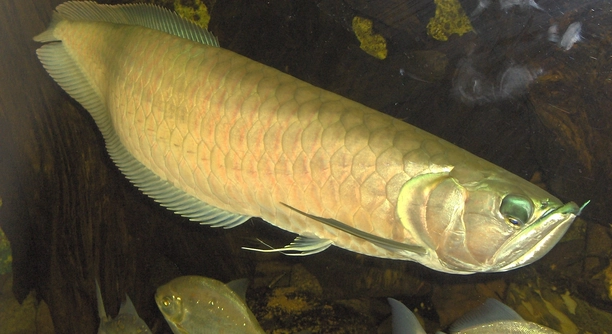
Arowanas are fascinating fish that often capture attention with their shimmering scales and graceful movements. Many owners notice them reacting to their surroundings in ways that are surprising and sometimes puzzling. Their behavior can be more complex than expected.
Arowanas react to a variety of stimuli, including light changes, shadows, sounds, and even specific human movements. They display sensitivity to environmental factors, which can influence their feeding patterns, swimming behavior, and overall stress levels in captivity.
Observing these responses more closely can help you understand your fish’s habits and improve their care at home. Insights into their reactions reveal a side of arowanas many may overlook.
Sensitivity to Light
Arowanas are highly sensitive to light changes in their environment. Sudden bright lights or harsh glare can startle them, causing rapid movements or hiding in corners. Even regular daylight can influence their swimming patterns, as they are naturally adapted to more diffused light. Many owners notice that dim lighting encourages calmer behavior, while intense overhead lights can trigger restlessness. Some arowanas may even refuse food if the light is uncomfortable, showing that their feeding habits are closely linked to how they perceive brightness. Adjusting light gradually and maintaining a consistent schedule helps them feel secure and reduces stress. Using LED lights with adjustable intensity or floating plants to diffuse sunlight can create a comfortable environment. Over time, you may notice your arowana exploring more freely and showing smoother swimming patterns. Observing their reactions to light changes can be a simple yet effective way to enhance their daily comfort.
Proper light control improves their overall behavior and promotes a healthier, stress-free environment.
Light sensitivity also affects their coloration and activity. Subtle adjustments to lighting can make them more relaxed and encourage natural behaviors, giving you a more harmonious tank atmosphere.
Reaction to Human Movement
Arowanas are extremely aware of people moving around their tanks. Quick motions, shadows, or tapping on the glass often make them swim away or stay alert. Even small, consistent gestures like feeding can condition them to recognize certain movements and respond accordingly.
Human activity can influence arowanas both positively and negatively. Over time, they may learn to anticipate feeding times based on your routine. Some will follow your hand, showing curiosity and recognition, while others may retreat if movements feel threatening. Understanding these responses can guide how you interact with them daily. For example, approaching slowly and avoiding sudden gestures reduces stress. When cleaning or rearranging decorations, moving deliberately can prevent unnecessary panic. Their sensitivity to motion also means that tank placement is important; avoid high-traffic areas where constant shadows or reflections might unsettle them. Observing how they react to your presence allows for better management of their environment, making them feel secure. Adjusting your approach ensures interactions are positive, encouraging healthier feeding and swimming habits, and fostering a calmer, more predictable routine.
Response to Shadows
Arowanas react quickly to shadows passing over their tank. Even small shifts can trigger sudden swimming or hiding, showing their natural alertness. Shadows can make them cautious, influencing where they position themselves and how they explore the tank.
Shadows mimic natural threats in their environment, so arowanas interpret them as potential danger. A bird flying overhead or someone walking past the tank can cause a visible startle response. This instinct helps them survive in the wild but can stress them in captivity if frequent. Minimizing sudden shadows or placing the tank in a low-traffic area helps maintain calm. Some owners use floating plants or background decorations to diffuse light changes, creating a more stable visual environment. Over time, they may become less reactive, but consistent exposure to abrupt shadows can keep them on edge. Understanding how shadows affect behavior allows for better tank setup and reduces unnecessary stress for your fish.
Regular observation of their reactions to shadows helps you anticipate their needs. Adjusting lighting and tank placement ensures a calmer environment for consistent swimming patterns.
Sensitivity to Water Vibration
Arowanas are very sensitive to vibrations in the water. Even minor disturbances from nearby movements or running pumps can influence their activity. They often pause or swim cautiously when they detect subtle changes.
Water vibrations affect arowanas’ stress levels and feeding behavior. Strong vibrations from tapping the tank, moving decorations, or adjusting filters can startle them, causing them to dart or hide. Over time, repeated disturbances may make them less willing to approach food or explore the tank freely. Gentle water movement and minimizing abrupt changes help them feel secure. Observing how they respond to these vibrations allows better management of tank equipment and human activity. Ensuring pumps and filters run smoothly without excessive disturbance contributes to a more predictable environment. Vibrations also affect their schooling behavior and interactions if multiple fish are present. Being mindful of water movement helps maintain a balanced and calm habitat.
Reaction to Tank Reflections
Arowanas often respond to reflections on the glass, sometimes mistaking them for other fish. They may become curious, display aggression, or swim toward the reflection repeatedly. Observing this behavior can help you adjust lighting or tank placement to reduce stress.
Reflections can create confusion, especially in smaller tanks. Arowanas might follow or attack their own image, affecting their energy and appetite. Reducing glare, adding background materials, or adjusting the angle of light helps minimize these responses. Consistent observation ensures the fish remain calm and focused on natural behaviors.
Response to Feeding Sounds
Arowanas quickly learn to associate feeding sounds with mealtime. The clinking of food or the opening of a container often triggers alertness and active swimming.
Repeated exposure to feeding sounds trains them to anticipate food. They may swim eagerly toward the surface, showing recognition of routine. This conditioned behavior allows easier management of feeding times and ensures they remain healthy. Observing how they react to these auditory cues provides insight into their habits. By maintaining consistent sounds and timing, arowanas can develop a stable, predictable routine, reducing stress and encouraging proper appetite.
Sensitivity to Temperature Changes
Arowanas react to sudden shifts in water temperature. Rapid increases or decreases can make them sluggish, hide, or avoid certain areas of the tank. Maintaining steady, appropriate temperatures is essential for their health and activity.
FAQ
How do I know if my arowana is stressed?
Stress in arowanas can show through unusual swimming patterns, loss of appetite, or excessive hiding. They may dart around quickly or hover near the surface. Observing these behaviors consistently helps you identify potential problems, whether related to water quality, tank setup, or environmental changes.
Can arowanas recognize their owners?
Yes, arowanas can recognize people through repeated interaction. They often respond to familiar movements during feeding times and may follow your hand. This recognition develops over time, and gentle, consistent interaction strengthens their awareness without causing stress.
Why does my arowana jump out of the tank?
Jumping is usually caused by stress, sudden movements, or reflections. Poor water quality and temperature changes can also trigger this behavior. Using a secure lid and maintaining consistent water conditions reduces the risk of injury from jumping.
How often should I feed my arowana?
Feeding depends on age and size. Younger arowanas need food daily, while adults may only require feeding every other day. Overfeeding can lead to obesity and water quality issues. Observe their appetite and adjust portions accordingly.
Do arowanas react to music or sounds?
Arowanas are sensitive to vibrations and may respond to certain sounds. Loud noises or strong vibrations often startle them, while consistent, gentle sounds may become associated with feeding. Observing reactions helps prevent stress caused by environmental noise.
Why does my arowana chase its reflection?
Chasing reflections is linked to territorial instincts. They may perceive their reflection as another fish invading their space. Reducing glare, adding backgrounds, or repositioning the tank can limit these interactions and reduce stress.
How do water temperature changes affect my arowana?
Arowanas are sensitive to even minor shifts in water temperature. Sudden drops or spikes can make them inactive or hide. Stable, species-appropriate temperatures help maintain normal swimming patterns, feeding behavior, and overall health.
Can arowanas sense movement outside the tank?
Yes, they are alert to movement, including people walking by or shadows. Rapid gestures may startle them. Approaching the tank calmly and avoiding sudden motions encourages a relaxed environment.
Why does my arowana refuse food sometimes?
Refusal to eat can be caused by stress, illness, or environmental changes such as lighting, temperature, or vibrations. Monitoring tank conditions and observing behavior can help identify the cause and restore normal feeding habits.
Is tank size important for arowana behavior?
Absolutely. Small or crowded tanks increase stress, restrict swimming, and may trigger aggression. Larger tanks allow more natural movement, reduce territorial disputes, and improve overall well-being. Ensuring adequate space is essential for their physical and mental health.
Can arowanas interact with other fish?
Interactions vary by species and size. Some arowanas are territorial and may show aggression, while others can coexist with compatible tank mates. Careful monitoring and providing enough space helps prevent conflicts.
Do arowanas react differently at night?
Yes, they may become less active or seek shelter. Low light reduces activity, mimicking natural conditions. Providing hiding spots allows them to rest comfortably while maintaining a stress-free environment.
How can I reduce my arowana’s stress?
Maintaining stable water parameters, minimizing sudden movements, controlling light exposure, and avoiding excessive noise all help reduce stress. Observing behavior and adjusting the environment accordingly ensures a calmer, healthier fish.
What environmental changes most affect arowanas?
Lighting, shadows, vibrations, temperature shifts, and water quality are key factors. Even small changes can influence swimming patterns and feeding behavior. Monitoring these elements consistently supports a stable and predictable habitat.
How do arowanas show curiosity?
Curiosity appears when they investigate new objects, follow movements, or approach hands during feeding. These behaviors indicate engagement and comfort, revealing their ability to adapt and learn from their surroundings.
Can arowanas get bored?
Yes, they need stimulation to prevent lethargy. Varying tank decor, introducing floating plants, or rearranging hiding spots encourages exploration and keeps their environment interesting, promoting healthy activity.
How do I know if my arowana is healthy?
Signs of health include vibrant coloration, smooth swimming, regular feeding, and active exploration. Changes in appetite, sudden lethargy, or unusual marks may indicate illness or stress, requiring immediate attention.
Do arowanas react to water currents?
Yes, they are sensitive to flow. Gentle currents encourage natural swimming, but strong or erratic flows can stress them. Adjusting filter output ensures comfortable movement without disruption.
Why does my arowana follow my hand?
Following your hand usually reflects recognition and anticipation of feeding. This behavior shows learning and comfort. Consistency in interaction reinforces trust and reduces fear responses.
How can I improve my arowana’s environment?
Stable water conditions, appropriate tank size, controlled lighting, and minimal disturbances create a comfortable habitat. Including hiding spots, gentle currents, and consistent feeding routines promotes natural behavior and long-term well-being.
This FAQ covers the most common questions about arowana reactions, behavior, and care, offering practical guidance for improving their daily life and understanding subtle behavioral cues.
Final Thoughts
Arowanas are remarkable fish that react to their surroundings in ways many owners may not expect. Their sensitivity to light, shadows, vibrations, and human movement shows that they are highly aware of their environment. These reactions are not random; they are instinctive behaviors that have helped the species survive in the wild for generations. Even small changes in their tank, like a new decoration or slight water movement, can influence how they swim, feed, and interact. Understanding these responses is important for providing a comfortable and healthy environment. Observing your arowana closely allows you to notice subtle changes that might indicate stress or discomfort, and addressing these issues promptly can prevent more serious problems. By paying attention to their behavior, you can create a tank setup that reduces unnecessary stress and encourages natural activity.
Proper care for arowanas goes beyond feeding and cleaning the tank. Environmental factors play a large role in their overall well-being. Consistent water temperature, gentle lighting, minimal sudden vibrations, and careful handling all contribute to their comfort. Even reflections or shadows can trigger reactions, so tank placement and background materials matter more than many owners realize. Creating a predictable and stable environment helps your arowana feel secure and allows them to display natural behaviors like swimming freely and exploring their surroundings. Additionally, understanding how they respond to daily routines, such as feeding times or movement around the tank, can help you build a more harmonious relationship with your fish. Being mindful of these details reduces stress and promotes healthier eating and growth patterns, ensuring your arowana thrives in captivity.
Observing and learning about your arowana’s reactions is rewarding and informative. Each fish may respond differently, so there is no single approach that works for all. Paying attention to how they react to changes in light, sound, water movement, and human presence can guide decisions about tank setup and daily care. Providing a calm, stable, and enriched environment supports both their physical health and mental well-being. Over time, these small adjustments lead to a noticeable improvement in behavior, making them more relaxed and confident. In addition, understanding these behaviors can make you a more attentive and responsible owner. Arowanas are intelligent and perceptive creatures, and when their needs are met thoughtfully, they can live long, healthy lives while showing the beauty and elegance that makes them so admired.

Hello,
If you enjoy the content that we create, please consider saying a "Thank You!" by leaving a tip.
Every little bit helps us continue crafting quality advice that supports the health, happiness, and well-being of pets around the world, for pets of all shapes, sizes, and species.
We really appreciate the kindness and support that you show us!