
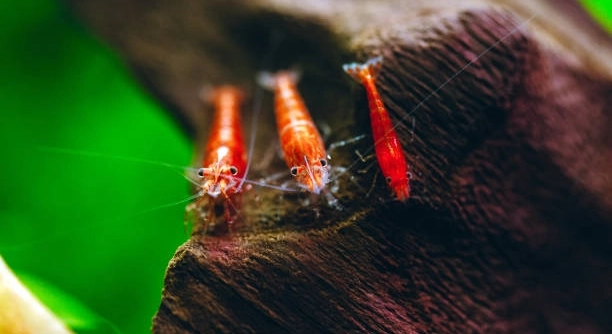
Keeping cherry shrimp healthy and vibrant starts with creating the right environment. The substrate in their tank plays a crucial role in water quality, plant growth, and the overall well-being of these tiny, colorful creatures.
The best substrate for cherry shrimp is one that maintains stable water parameters, supports beneficial bacteria, and allows plants to root easily. Popular options include inert sand, shrimp-specific soil, and fine gravel, all promoting shrimp health and breeding success.
Choosing the right substrate affects not just water chemistry but also shrimp activity and tank aesthetics, making it an essential part of a thriving shrimp habitat.
Why Substrate Matters for Cherry Shrimp
The substrate in a cherry shrimp tank is more than just decoration. It directly influences water chemistry, providing stability for pH and hardness levels. A good substrate promotes beneficial bacteria growth, which helps break down waste and maintain a clean environment. Certain substrates can also release nutrients slowly, supporting live plants and giving shrimp places to graze and hide. Shrimp feel safer and more active when the substrate is comfortable to walk on and burrow into. Choosing the wrong substrate can lead to water imbalances, stress, and reduced activity. In my own tank, switching from plain gravel to a shrimp-specific soil improved shrimp coloration and encouraged breeding. Smooth textures prevent damage to delicate legs and antennae, while darker colors often make shrimp appear more vibrant. By paying attention to substrate, you are supporting both shrimp health and tank aesthetics, creating a more natural and stable habitat.
Choosing the right substrate can prevent common water problems and make shrimp feel secure, improving their behavior and overall vitality.
The substrate also affects how shrimp interact with their environment. Soft soils allow for burrowing and feeding, while porous materials offer surface area for biofilm to grow, which is a primary food source for shrimp. Light-colored gravel may highlight dirt quickly, requiring more frequent cleaning, whereas darker substrates mask detritus while encouraging grazing. Plants thrive better in nutrient-rich soils, which benefit shrimp by providing cover and food particles trapped among roots. Even slight changes in substrate composition can impact water hardness and pH levels, so monitoring conditions is important. Over time, the substrate also affects tank maintenance; a well-chosen base can reduce algae growth and keep water clearer. Personal experience shows that investing in high-quality shrimp soil pays off in healthier, more active shrimp and a more visually appealing tank.
Types of Substrate to Consider
Inert sand and gravel are easy to clean but offer fewer nutrients for plants, making them a low-maintenance choice for simple shrimp tanks.
Shrimp-specific soil and clay-based substrates provide natural minerals that stabilize water parameters and support plant growth. These substrates create an environment that encourages molting, reproduction, and consistent activity. In my experience, using a soil-based substrate made it easier to maintain stable pH levels without frequent adjustments, which is important for sensitive shrimp. The texture of the substrate also matters; fine particles allow shrimp to graze effectively, while larger grains can trap food and waste, creating pockets for bacteria. Choosing the right type can reduce stress and increase visibility of vibrant colors. Even within soil options, some brands vary in hardness and nutrient content, so testing water and observing shrimp behavior is helpful. Maintaining substrate properly by gentle cleaning preserves its benefits while keeping the tank healthy. Overall, selecting a substrate that matches both your tank setup and shrimp needs ensures a thriving, active community.
Maintenance Tips for Substrate
Regular gentle cleaning prevents waste buildup without disturbing shrimp or plants. Using a siphon carefully and avoiding deep agitation keeps beneficial bacteria intact. Spot cleaning is often enough, especially with soil-based substrates.
Keeping the substrate clean involves monitoring for uneaten food, decaying plant matter, and excess detritus. I use a small siphon to remove debris from the surface without stirring the deeper layers, which maintains the biofilm that shrimp feed on. Over-cleaning can disrupt water chemistry and reduce nutrients for plants, so moderation is key. Observing how the shrimp interact with the substrate helps determine when cleaning is necessary. Some fine soils may compact over time, so gentle stirring in small areas prevents anaerobic spots while preserving beneficial bacteria.
It’s also important to avoid harsh chemicals or aggressive scrubbing that could harm shrimp or change water parameters. In my experience, keeping a consistent cleaning schedule and watching the substrate closely made the tank healthier. Organic debris can be left in small amounts, providing natural food sources. Maintaining the substrate properly reduces stress for shrimp and encourages breeding. Monitoring pH and water hardness regularly ensures that substrate conditions remain stable over time. This approach minimizes problems and keeps shrimp active, colorful, and thriving in a balanced environment.
Choosing Between Gravel, Sand, and Soil
Gravel is easy to clean and durable but lacks nutrients, while sand provides soft footing but may compact if overwatered. Soil offers natural minerals, stabilizing water for shrimp health.
Gravel works well in tanks with hardy plants or minimal planting. Its coarse texture allows water to circulate, reducing anaerobic zones, but it does not supply nutrients for plant growth. Sand creates a comfortable surface for shrimp to walk on and graze, but it requires careful cleaning to avoid compacted layers, which can trap waste and create harmful bacteria pockets. Soil-based substrates, especially those designed for shrimp, release beneficial minerals that help maintain consistent pH and hardness levels. In my tanks, switching from gravel to a nutrient-rich soil improved plant rooting and encouraged shrimp breeding, while also making the environment more natural for shrimp behavior.
Soil substrates often include elements that promote biofilm growth, the primary food source for cherry shrimp. This natural feeding surface encourages grazing and reduces the need for supplemental feeding. Soil can slightly acidify water, which is beneficial for maintaining ideal conditions, especially in tap water with higher pH. Sand or gravel may require additional water adjustments or buffers to keep parameters stable. Observing shrimp activity helps determine which substrate supports their health best. Mixing fine sand over soil can create a layered effect, combining softness for shrimp with nutrients for plants. Regular monitoring ensures substrate conditions stay optimal, keeping the tank balanced and shrimp thriving over time.
Ideal Substrate Depth
A substrate depth of two to three inches works well for cherry shrimp. It provides enough space for plant roots and allows shrimp to forage naturally. Too shallow, and plants struggle; too deep, and debris may accumulate, causing water issues.
Maintaining this depth also helps with biofilm growth. Shrimp can graze on the surface while the lower layers support beneficial bacteria. I keep my tanks at around two and a half inches, which balances plant health and shrimp activity. Proper depth prevents compaction in soil and reduces stagnant water pockets, making the environment safer for sensitive shrimp.
Mixing Substrate Types
Combining soil with a thin layer of sand or fine gravel can create a balanced tank. The soil provides nutrients, while the top layer improves aesthetics and surface grazing for shrimp.
Avoiding Substrate Problems
Choosing the right substrate and keeping it clean prevents algae, compaction, and pH swings. Regular observation and light maintenance reduce potential issues.
Observing Shrimp Behavior
Shrimp activity indicates how well the substrate suits their needs. Healthy shrimp graze, hide, and molt regularly, signaling proper conditions.
FAQ
What is the best substrate for cherry shrimp?
The best substrate provides stable water parameters, supports beneficial bacteria, and allows plant growth. Soil-based substrates designed for shrimp are ideal, but fine sand or inert gravel can work if water conditions are monitored. A soft, dark substrate often improves shrimp coloration and encourages grazing.
Can I mix different substrates?
Yes, mixing soil with a thin top layer of sand or fine gravel combines nutrient support with a comfortable surface for shrimp. This setup encourages natural foraging, prevents soil compaction, and improves tank appearance without harming water chemistry.
How deep should the substrate be?
Two to three inches is generally ideal. This depth allows plant roots to establish while giving shrimp space to forage and graze. Too shallow can stunt plants, and too deep can trap debris, causing anaerobic spots that may harm shrimp.
Do I need to clean the substrate often?
Cleaning should be gentle and minimal. Spot cleaning with a siphon removes debris without disturbing biofilm or beneficial bacteria. Over-cleaning can stress shrimp, reduce food sources, and destabilize water parameters. Regular observation helps determine when cleaning is necessary.
Will substrate affect water parameters?
Yes, soil-based substrates can slightly lower pH and soften water, which benefits cherry shrimp. Inert sand or gravel has little effect, so adjustments may be necessary to maintain stable conditions. Monitoring pH and hardness ensures the substrate supports a healthy environment.
Can cherry shrimp live on gravel or sand alone?
They can, but optimal health may require supplements or water monitoring. Gravel allows for easy cleaning, and sand provides a soft grazing surface. Soil or nutrient-rich substrates offer added minerals and encourage natural behaviors, improving overall shrimp activity and breeding.
How do I prevent algae growth on the substrate?
Maintaining proper lighting, avoiding excess food, and keeping a balanced plant population reduce algae growth. Gentle substrate cleaning removes debris without disrupting biofilm. Observing the tank helps catch early signs, preventing large outbreaks that can stress shrimp.
Should I worry about compaction in the substrate?
Yes, compacted soil can trap waste and create anaerobic pockets. Light stirring or layering sand over soil prevents this. In my tank, gently loosening soil every few months keeps water safe and biofilm accessible for shrimp feeding.
Can substrate choice affect breeding?
Absolutely. Shrimp thrive in stable water conditions with access to biofilm and safe hiding spots. Soil-based substrates encourage molting, grazing, and reproduction. In tanks with gravel or sand, ensuring stable water parameters and providing plants or moss supports breeding success.
Is substrate color important?
Yes, darker substrates often enhance shrimp coloration and make them more visible. Light-colored substrates may show debris quickly, requiring more frequent cleaning. Choosing a color that complements shrimp appearance can also make tank maintenance feel easier and more satisfying.
How long does substrate last before replacement?
Soil-based substrates can last several years but may slowly lose nutrients over time. Gravel and sand are long-lasting but require monitoring for trapped debris. Regular observation and testing water parameters help determine when a refresh or replacement is needed to maintain optimal shrimp health.
Can I use substrate additives?
Yes, certain additives like mineral supplements or buffering agents can enhance water stability. They are especially helpful with inert substrates. Careful use ensures shrimp remain healthy without causing sudden changes in pH or hardness. I personally add small doses when I notice soft tap water affecting my tanks.
Is layering substrates beneficial?
Layering creates nutrient-rich zones beneath a softer top layer, giving plants access to minerals while shrimp enjoy a comfortable grazing surface. It also reduces compaction in soil substrates and helps manage debris accumulation efficiently, improving tank longevity and overall shrimp activity.
How do I know if my substrate is suitable?
Shrimp behavior is the best indicator. Active, grazing, and molting shrimp suggest the substrate is comfortable. Plants rooting well and clear water are also signs. Monitoring pH, hardness, and observing biofilm growth ensures the substrate meets both plant and shrimp needs consistently.
Final Thoughts
Choosing the right substrate is one of the most important steps in setting up a healthy tank for cherry shrimp. The substrate affects water chemistry, plant growth, and shrimp behavior. A proper base creates a stable environment where shrimp can graze, molt, and reproduce naturally. I have noticed that when I switched from plain gravel to a shrimp-specific soil, the overall activity and color of my shrimp improved significantly. The right substrate provides not only nutrients for plants but also a safe surface for shrimp to explore. Soft, fine substrates are easier for them to walk on and prevent injuries, while darker colors often make shrimp appear more vibrant. Paying attention to depth and texture is just as important as the type of substrate. A depth of two to three inches is generally sufficient for plant roots while still allowing shrimp to forage effectively. Overly deep substrate can trap debris and create anaerobic spots, which can negatively impact water quality. Maintaining balance in the substrate ensures that shrimp remain active and healthy over time.
Proper maintenance of the substrate is also critical for long-term tank health. Spot cleaning with a siphon is usually enough to remove excess debris without disturbing beneficial bacteria or biofilm, which is a natural food source for shrimp. Soil-based substrates should not be over-cleaned, as this can disrupt nutrient availability for plants and stress the shrimp. Observing the tank regularly helps determine when cleaning is necessary and prevents buildup that could affect water parameters. Even with gravel or sand, monitoring and gentle cleaning are important to prevent trapped waste and avoid creating unhealthy conditions. In my experience, combining observation with light, consistent maintenance keeps the tank balanced. Healthy shrimp are more active, display brighter colors, and reproduce more successfully when the substrate is properly cared for. Maintenance also helps prevent algae growth, compaction, and other issues that could reduce the overall quality of the tank.
Finally, the substrate is not just a practical necessity; it also contributes to the overall aesthetic and natural feel of the tank. A well-chosen substrate complements the plants and shrimp while supporting their natural behaviors. Mixing substrates or layering soil with sand can create both a visually appealing tank and a functional environment that meets the needs of shrimp. Observing shrimp behavior can help determine whether the substrate is appropriate. Active, grazing shrimp that molt regularly indicate a healthy, stable setup. Paying attention to color, texture, and nutrient content ensures the tank supports both plant and shrimp health. For anyone keeping cherry shrimp, taking the time to select and maintain the right substrate is a key step in creating a thriving, balanced aquarium. Over time, the right choice will reduce stress for the shrimp, improve breeding success, and make maintaining the tank much more manageable.

Hello,
If you enjoy the content that we create, please consider saying a "Thank You!" by leaving a tip.
Every little bit helps us continue crafting quality advice that supports the health, happiness, and well-being of pets around the world, for pets of all shapes, sizes, and species.
We really appreciate the kindness and support that you show us!