
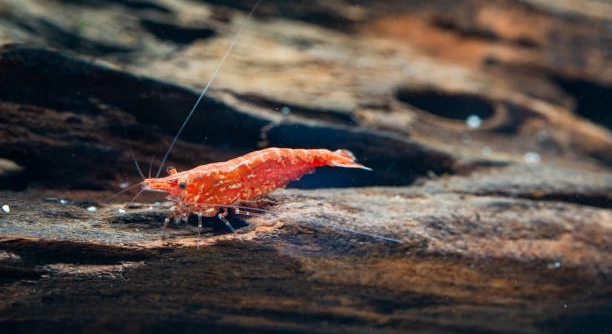
Are your freshwater or saltwater shrimp showing unusual behavior or signs of illness in your aquarium? Proper care includes monitoring their health and environment closely to prevent potential problems before they spread. Observing them regularly is essential.
Shrimp need to be quarantined under specific circumstances to prevent disease transmission and ensure optimal health. Quarantine measures are essential when introducing new shrimp, after molting complications, when infections appear, or when parasites, bacterial issues, or stress factors are detected.
Following proper quarantine practices can protect your entire tank. Knowing when and how to isolate shrimp helps maintain a healthy aquatic environment.
Introducing New Shrimp to Your Tank
When bringing new shrimp home, it is essential to quarantine them before introducing them to your main tank. New shrimp can carry diseases, parasites, or bacteria that are not visible to the naked eye. Quarantining for at least two to four weeks allows you to monitor their behavior, eating habits, and general health. During this time, it is also easier to treat any unexpected infections without affecting your established shrimp population. Use a separate tank with stable water conditions similar to your main tank. Feed them regularly and observe for any signs of stress, lethargy, or unusual spots. Regular water changes and maintaining proper filtration in the quarantine tank help keep the shrimp healthy. By taking these precautions, you reduce the risk of introducing illnesses that could harm your other aquatic animals. Overall, quarantining is a small step that makes a big difference in long-term shrimp health.
Quarantining new shrimp protects your main tank from disease and stress. It ensures all shrimp remain healthy and safe.
Proper quarantine not only shields your established shrimp from infections but also helps you get familiar with the new shrimp’s behavior. Observing them closely can reveal subtle signs of illness that are easy to miss in a crowded tank. This practice also gives the shrimp time to adjust to their diet and environment without pressure. You can treat any health issues more effectively in isolation, preventing outbreaks. Quarantine tanks allow for controlled conditions, reducing stress and promoting molting success. Additionally, separating new shrimp prevents aggressive interactions or territorial disputes in your main tank. Overall, quarantining is a preventive measure that maintains harmony and health in your aquarium.
After Molting Complications
Shrimp are vulnerable after molting and need isolation if they appear weak or stressed. Quarantining during this period prevents injury from tank mates and allows recovery.
Post-molting quarantine supports proper shell hardening and reduces risk of infections.
Molting is a critical time for shrimp as their new exoskeleton is soft and prone to damage. During this period, they are more susceptible to bacterial or fungal infections. In a quarantine tank, they have space to recover without competition for food or hiding spots. Providing mineral-rich water and gentle conditions helps their shells harden properly. Observation during this time is crucial; you can spot signs of molting issues early and intervene. Shrimp that fail to recover in isolation can be treated promptly, improving survival chances. This temporary separation reduces stress and ensures the shrimp can resume normal behavior safely once fully recovered. Quarantine during post-molting is a key practice for maintaining healthy, strong shrimp.
Signs of Illness
Shrimp showing unusual spots, lethargy, or loss of appetite should be quarantined immediately. Isolation prevents disease from spreading and allows for closer observation and treatment in a controlled environment.
Observing shrimp closely in a quarantine tank makes it easier to identify health problems early. Common signs include faded coloration, slow movement, or excessive hiding. Early detection allows you to administer treatments such as antibacterial or antiparasitic medications without affecting the rest of your tank. Quarantine tanks provide a safe space for sick shrimp to recover while limiting stress from tank mates. Proper water conditions, stable temperature, and clean filtration support healing and prevent further complications.
Maintaining a separate quarantine setup ensures treatments are effective and avoids cross-contamination. You can monitor feeding habits, molting patterns, and recovery rates, making interventions more efficient. Quarantined shrimp often recover faster due to reduced stress and better control over their environment.
Parasite Infestations
When shrimp carry visible parasites or unusual growths, quarantine is crucial to prevent spread to other tank inhabitants. Immediate separation stops further contamination.
Parasites can affect shrimp externally or internally and can multiply quickly in a shared tank. Quarantine allows for focused treatment with specialized medications or manual removal of visible pests. Careful observation during this period ensures that parasites are fully eliminated before reintroducing the shrimp to the main tank. Maintaining water quality, proper diet, and gentle handling supports recovery.
During quarantine, monitoring is key to detecting secondary infections caused by parasites. Providing hiding spots and maintaining low stress levels improves healing. Once the shrimp are parasite-free, reintroduction can be done gradually while continuing observation to prevent recurrence. This method protects your main tank population and maintains overall health.
Stressful Tank Conditions
Shrimp exposed to sudden temperature changes, poor water quality, or aggressive tank mates should be quarantined to reduce stress. Isolation gives them time to recover without competition or threats.
Quarantine allows control over water parameters, feeding, and environment. Reducing stress supports immune function and prevents disease flare-ups, ensuring shrimp regain strength safely.
Bacterial Infections
Bacterial infections in shrimp can spread quickly if untreated. Quarantining affected individuals prevents contamination and allows for targeted treatment with medications or water adjustments. Observing shrimp during this period helps identify severity, monitor recovery, and protect your main tank population from outbreaks.
Recovery from Injury
Shrimp with damaged appendages or exoskeletons need separation to heal. Quarantine prevents further harm and allows careful monitoring of recovery progress.
FAQ
How long should shrimp be quarantined?
Shrimp should be quarantined for at least two to four weeks. This allows enough time to observe for diseases, parasites, or stress. During this period, any hidden infections can become apparent, making treatment easier before introducing shrimp to your main tank. Maintaining stable water parameters is essential throughout.
Can shrimp recover fully from illness in quarantine?
Yes, quarantining sick shrimp greatly improves recovery chances. A controlled environment with clean water, proper food, and minimal stress supports healing. Early detection of illness allows for targeted treatment, preventing the condition from spreading and giving shrimp a better chance to regain strength.
Do all new shrimp need to be quarantined?
All new shrimp should go through a quarantine period. Even healthy-looking shrimp may carry bacteria, parasites, or viruses that could infect your established population. Isolation ensures your main tank remains safe while allowing you to monitor new arrivals for any health issues.
What equipment is needed for a quarantine tank?
A quarantine tank should have a filter, heater, and stable water parameters matching the main tank. Hiding places such as plants or small decorations reduce stress. Regular water changes are important, and a gentle flow prevents shrimp from struggling. No aggressive tank mates should be present.
Can stressed shrimp recover without quarantine?
Stressed shrimp have a higher risk of disease and injury. While some may recover in the main tank, isolation improves their chances. Quarantine allows you to control conditions, feed appropriately, and observe behavior closely, supporting faster and safer recovery without interference from other tank inhabitants.
How do I know if a shrimp is stressed?
Signs of stress include hiding constantly, reduced movement, loss of appetite, faded colors, or unsuccessful molting. Observing these behaviors early helps you take action. Quarantining stressed shrimp gives them a calm environment to recover and reduces the likelihood of developing secondary health issues.
Is quarantine necessary after injury?
Yes, shrimp with damaged limbs or exoskeletons benefit from quarantine. Separation prevents further injury from tank mates and reduces stress. You can monitor healing, provide supplemental food, and maintain water conditions that support recovery, improving survival rates and ensuring shrimp regain strength safely.
How do I treat parasites in quarantine?
Parasites can be treated with specialized medications, gentle water changes, and observation. In quarantine, you can apply treatments without risking other tank inhabitants. Removing visible parasites manually and maintaining optimal water conditions speeds recovery, allowing shrimp to return to the main tank parasite-free.
Can quarantine prevent future problems?
Yes, regular quarantine practices help prevent disease outbreaks, parasitic infestations, and stress-related problems. Observing new or sick shrimp in isolation ensures issues are addressed early. This proactive approach keeps your main tank healthy and supports long-term shrimp well-being, avoiding larger problems that are harder to manage later.
How do I reintroduce shrimp after quarantine?
Before reintroducing shrimp, ensure they are healthy, active, and showing normal behavior. Gradually acclimate them to the main tank’s water parameters. Monitor interactions carefully during the first few days to prevent stress or aggression. Successful reintroduction maintains a balanced and thriving shrimp population.
What if a shrimp doesn’t survive quarantine?
Unfortunately, not all shrimp recover despite quarantine. Early detection and proper care improve chances, but some conditions may be too severe. Using quarantine as a preventive step still protects the rest of your tank and reduces overall losses, making it a critical part of responsible shrimp care.
How often should quarantine tanks be used?
Every time you introduce new shrimp, treat injuries, or notice illness, quarantine should be used. Consistently applying this practice safeguards your main tank, improves shrimp survival, and makes ongoing maintenance easier. Proper quarantine is a small effort with long-term benefits for your aquarium ecosystem.
Quarantining shrimp is a key step in maintaining a healthy aquarium. It may seem like extra work, but the benefits far outweigh the effort. By isolating new, sick, or stressed shrimp, you protect your main tank from potential disease outbreaks. Quarantine gives you the chance to closely monitor shrimp for signs of illness, parasites, or unusual behavior that could otherwise go unnoticed. A separate tank provides a controlled environment where water quality, temperature, and feeding can be managed precisely. This careful attention helps shrimp recover faster and reduces stress, which is often a major factor in their overall health. Even small measures, like providing hiding spots and maintaining gentle water flow, can make a noticeable difference in their comfort and well-being during quarantine.
Proper quarantine practices also support better long-term outcomes for your shrimp. Shrimp are delicate creatures, and even minor infections or injuries can become serious if left unchecked. By isolating individuals when needed, you reduce the risk of spreading disease or causing additional stress in a communal tank. Quarantine allows you to treat infections effectively, whether it’s with medications, water adjustments, or gentle care routines. It also provides an opportunity to observe molting cycles, appetite, and activity levels closely, which can reveal early signs of problems. Maintaining this practice consistently ensures that your main tank remains a safe, stable, and thriving environment for all inhabitants. Over time, the habit of quarantining shrimp becomes a simple, routine part of aquarium care that contributes significantly to a healthy population.
Finally, understanding when and how to quarantine shrimp helps you feel confident in managing your aquarium. It is not only about preventing problems but also about giving your shrimp the best possible care. Proper quarantine supports recovery from illness, injury, or stress while preventing future complications. This small effort can save you from more significant losses later and allows you to maintain a vibrant, healthy tank. With careful observation, attention to water quality, and patience during the quarantine process, shrimp are more likely to thrive and live longer, healthier lives. Prioritizing quarantine is a straightforward way to protect your aquatic environment, improve shrimp survival, and enjoy a more rewarding experience in keeping a balanced and flourishing aquarium.

Hello,
If you enjoy the content that we create, please consider saying a "Thank You!" by leaving a tip.
Every little bit helps us continue crafting quality advice that supports the health, happiness, and well-being of pets around the world, for pets of all shapes, sizes, and species.
We really appreciate the kindness and support that you show us!