
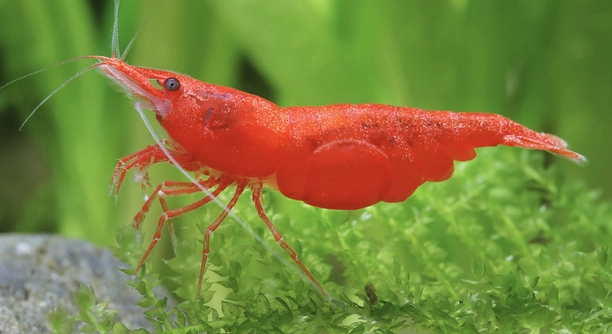
Moving cherry shrimp to a new tank can be stressful for both you and your tiny pets. Even small changes in water or environment can make them hide, molt excessively, or behave nervously for days after relocation.
Calming cherry shrimp after a move involves stabilizing their environment and minimizing stressors. Maintaining consistent water parameters, providing hiding spots, and avoiding sudden changes in lighting or feeding schedules are key strategies to help them adjust safely and efficiently.
Learning simple methods to soothe your shrimp can make a big difference in their recovery. Proper care ensures they settle quickly and stay healthy in their new surroundings.
Prepare a Calm Environment
After moving your cherry shrimp, the first step is to make their tank as calm as possible. Keep the tank in a quiet area away from loud noises and constant vibrations. Dim the lighting slightly to reduce stress, as bright lights can startle them. Adding plenty of hiding spots like plants, moss, or small decorations will make them feel secure. Avoid tapping on the glass or moving items around in the tank, since sudden movements can increase their anxiety. Maintaining a stable water temperature and monitoring pH and hardness ensures they are comfortable. Gradually adjust any new equipment, such as filters or heaters, before moving them in. Doing so helps shrimp acclimate without feeling sudden changes. Small daily observations can reveal whether they are starting to explore or remain hidden, giving you cues on their stress levels. Overall, a stable and quiet environment encourages them to relax and adapt naturally.
Creating a calm setting reduces stress and supports shrimp health. Quiet and stability are key.
Monitoring shrimp closely during the first week after relocation helps catch any signs of stress or illness early. Giving them time and space while keeping conditions steady allows them to slowly explore and feed. Observing their behavior each day can guide minor adjustments to water quality, hiding spots, or lighting, ensuring they remain comfortable. Patience is important because shrimp may act shy initially, but consistent care helps them regain normal activity patterns. Additionally, limiting sudden tank maintenance or changes prevents unnecessary stress. Over time, small improvements in behavior, such as venturing out or feeding confidently, indicate they are adjusting well.
Gradual Feeding Adjustments
Introduce food slowly after a move to avoid overwhelming your shrimp. Start with small amounts and watch how they respond.
Feeding smaller portions over several days helps shrimp adjust without added stress. Offer familiar foods first.
After relocation, cherry shrimp may hesitate to eat. Begin with tiny amounts of their usual food, such as algae wafers or blanched vegetables, placed in the same spot consistently. Avoid overfeeding, since uneaten food can degrade water quality and increase stress. Observe their behavior during feeding; if they eat confidently, you can slowly increase portions. Sometimes hiding spots near feeding areas encourage hesitant shrimp to come out. Rotating foods occasionally keeps them interested, but sudden changes in diet should be avoided until they are fully settled. The goal is to provide nourishment without causing anxiety, supporting both physical health and acclimation. Proper feeding routines also help monitor shrimp health, as changes in appetite can indicate stress or water issues. Consistency, patience, and observation are the best tools for helping shrimp feel safe and thrive in their new tank.
Gentle Water Changes
Perform small water changes to keep water quality stable without shocking your shrimp. Replace only 10-15% of the water at a time, using water that matches the tank’s temperature and parameters.
Sudden water changes can stress cherry shrimp, especially after a move. To prevent this, prepare replacement water by dechlorinating it and matching temperature, pH, and hardness as closely as possible. Introduce the new water slowly, pouring it near the side of the tank or using a siphon to avoid disturbing the substrate. Regular, small water changes help maintain cleanliness and reduce toxins, keeping the shrimp healthy and more willing to explore their environment. Avoid major water swaps until they fully settle, as large changes can trigger hiding, molting problems, or refusal to feed. Consistency and patience in water management give shrimp a sense of stability and comfort.
Adding gentle filtration helps maintain oxygen and clarity without creating strong currents. Shrimp prefer calm waters, so keep the flow minimal. Regular observation ensures the system remains balanced and non-stressful.
Minimize Handling
Avoid handling cherry shrimp unless absolutely necessary, as physical contact can increase stress. Only intervene during critical maintenance or health checks.
Physical handling can damage their delicate bodies or remove protective slime layers, making them more vulnerable to disease and stress. After a move, it’s best to let them acclimate in the tank without interference. If you need to inspect or move them, use a soft net or container, and move slowly to prevent sudden jolts. Limiting interaction allows them to explore their surroundings at their own pace and regain normal behaviors. Handling only when required ensures they stay safe and reduces the likelihood of molting issues or injuries. Observing them from outside the tank provides enough insight into their health and adjustment progress.
Stress from frequent handling can cause shrimp to hide or refuse food. Let them adjust quietly. Consistent monitoring from a distance is safer and encourages natural activity, reducing anxiety.
Keep Lighting Low
Dim the tank lighting after moving cherry shrimp. Bright lights can make them hide and increase stress.
Use timers to maintain consistent day and night cycles. Consistency in lighting helps shrimp feel secure and encourages normal activity.
Provide Hiding Spots
Adding plants, moss, or small decorations gives shrimp places to retreat. Hiding spots reduce stress and promote comfort.
Shrimp explore more when they have safe areas to retreat. Natural materials like live plants or driftwood work best and also help maintain water quality.
Maintain Stable Temperature
Avoid sudden temperature changes in the tank. Stable water temperature is crucial for shrimp health and adjustment.
How long does it take for cherry shrimp to settle after a move?
Cherry shrimp usually need several days to a week to fully adjust to a new tank. Some may start exploring and feeding within a day or two, while others stay hidden longer. Their adjustment depends on water stability, hiding spots, and how calm the environment is. Stress from moving can make them molt more often or stay inactive. Monitoring water parameters and keeping the environment consistent speeds up recovery. Observing their behavior daily helps identify if they are starting to settle or need more support.
What signs show that cherry shrimp are stressed after relocation?
Shrimp may hide constantly, refuse food, or display erratic swimming after a move. Excessive molting, discoloration, or lethargy are other common signs. If you notice shrimp clinging to decorations or staying at the bottom for long periods, it indicates stress. Frequent molting without growth or feeding hesitation signals the tank conditions may need adjustment. Stress can also make them more vulnerable to disease. Maintaining proper water parameters, providing hiding spots, and minimizing disturbances help reduce these symptoms. Tracking their behavior daily gives a clear picture of their comfort level and helps prevent long-term health issues.
How can I safely acclimate cherry shrimp to a new tank?
Acclimation is best done slowly using the drip method or gradual water mixing. Start by placing shrimp in a container with the old tank water and slowly add small amounts of the new tank water over an hour or more. Avoid pouring them directly into the new tank to prevent shock. Monitor water parameters in both tanks to ensure compatibility. Providing hiding spots in the new tank before moving them in reduces stress. Gentle lighting, stable temperature, and minimal disturbances during the first few days improve their chances of adapting quickly. Acclimation sets the foundation for healthy behavior and feeding.
Can feeding routines help calm shrimp after a move?
Yes, feeding small amounts of familiar food consistently helps shrimp feel secure. Start with foods they know, like blanched vegetables or algae wafers, placed in the same spot daily. Avoid overfeeding to prevent water quality issues. Gradually increase portions once they begin eating normally. Observing their response to feeding indicates comfort levels and recovery progress. Providing food near hiding spots encourages hesitant shrimp to come out safely. Consistent feeding routines also allow you to monitor health, as changes in appetite often reflect stress or water problems. Feeding can become a calming ritual if done carefully and predictably.
Is it normal for shrimp to hide for several days?
Yes, hiding is a natural response to stress after relocation. Shrimp retreat to feel safe while adjusting to water, temperature, and lighting changes. Persistent hiding beyond a week may indicate issues with water quality, temperature, or other environmental factors. Ensuring plenty of hiding spots and a stable environment encourages gradual exploration. Observing from a distance prevents unnecessary stress, and checking water parameters confirms conditions are suitable. Over time, shrimp will start venturing out to feed and interact with their surroundings. Patience is key, as forcing exposure can increase anxiety and slow recovery.
What role does water quality play in calming shrimp?
Stable water conditions are essential for minimizing stress. Sudden changes in pH, temperature, or hardness can shock shrimp and prevent them from settling. Regular, gentle water changes with matching parameters help maintain cleanliness without causing disturbance. Dechlorinate all new water and monitor ammonia, nitrite, and nitrate levels closely. Adding natural filtration or plants can stabilize the environment further. Clean, consistent water promotes feeding, normal activity, and reduces hiding behavior. Proper water quality management is one of the most reliable ways to help shrimp recover quickly after a move and stay healthy long-term.
Should I separate new shrimp from existing ones after moving them?
Separating new shrimp temporarily can reduce stress and prevent territorial behavior. A small quarantine tank or mesh divider allows observation for signs of stress or illness. This approach ensures water parameters are safe and prevents conflicts while they adjust. Gradual introduction into the main tank reduces stress for both new and established shrimp. If water parameters are stable and hiding spots are ample, they can eventually mix safely. Separation also allows monitoring feeding and activity closely. Controlled introduction minimizes aggression and creates a smoother transition for all shrimp in the tank.
How can I tell if a shrimp is too stressed after a move?
Excessive hiding, refusal to eat, constant molting, and erratic swimming are clear indicators of stress. Discoloration, lethargy, or staying near the surface or heater may also signal discomfort. Regular observation and water testing help identify the cause of stress. Correcting environmental issues promptly and reducing disturbances improves recovery. Stress that persists for more than a week may require intervention, such as adjusting water conditions, adding more hiding spots, or temporarily isolating shrimp. Early identification of stress symptoms ensures shrimp remain healthy and minimizes long-term effects on growth and molting cycles.
Can plants and decorations really help calm shrimp?
Yes, plants and decorations provide shelter and reduce stress by giving shrimp places to hide. Moss, floating plants, and small caves create a sense of security, encouraging natural behaviors. They also improve water quality by supporting beneficial bacteria. Strategic placement allows shrimp to explore at their own pace. Multiple hiding options help reduce conflicts and give shy shrimp confidence to feed and move around. Over time, this setup promotes normal activity and reduces the likelihood of stress-related issues. Properly arranged decorations create a stable, safe environment that helps shrimp settle comfortably in a new tank.
How often should I monitor shrimp after a move?
Daily observation is important during the first week. Watch behavior, feeding, and interaction with the tank. Check water parameters regularly. Light monitoring can detect early signs of stress or illness. Adjust the environment as needed to ensure stability.
Moving cherry shrimp to a new tank can be a stressful time for both the shrimp and the owner. Even small changes in water temperature, pH, or tank setup can make them hide or act differently. Observing them carefully during the first week after a move is important. Giving them time and space to adjust helps them regain their normal behavior. Providing hiding spots, maintaining stable water parameters, and keeping the environment calm are simple steps that make a noticeable difference in their comfort. When shrimp feel safe, they start feeding, exploring, and interacting with their surroundings again. Patience is key, as rushing them or making sudden changes can increase stress and slow recovery.
Feeding routines also play a big role in helping shrimp feel secure after a move. Offering small amounts of familiar food at the same time and in the same spot each day creates a sense of routine. Shrimp can be hesitant to eat at first, so careful observation during feeding times helps you see when they are adjusting. Avoid overfeeding, because uneaten food can affect water quality and add stress. Small, consistent portions allow them to eat safely while keeping the tank clean. Over time, shrimp will become more confident and actively search for food, which is a clear sign that they are settling into their new environment. Feeding becomes a tool for comfort as well as nourishment.
Water stability and environmental control are some of the most important factors in calming shrimp after relocation. Maintaining consistent temperature, pH, and hardness while avoiding sudden changes helps prevent shock. Gentle filtration and low water flow keep the tank safe and comfortable. Plants, moss, and decorations provide hiding spots, which reduce stress and encourage natural behavior. Minimizing handling and keeping light levels consistent also supports recovery. By focusing on these elements, you create a secure environment that allows shrimp to adapt at their own pace. With consistent care and attention, they gradually regain normal activity, feeding habits, and overall health. The process may take days or a week, but the right environment ensures that your cherry shrimp thrive in their new home.

Hello,
If you enjoy the content that we create, please consider saying a "Thank You!" by leaving a tip.
Every little bit helps us continue crafting quality advice that supports the health, happiness, and well-being of pets around the world, for pets of all shapes, sizes, and species.
We really appreciate the kindness and support that you show us!