
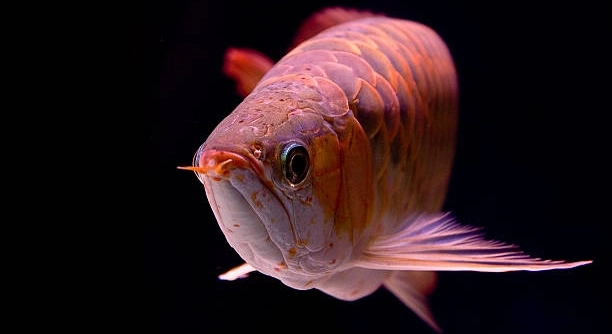
Arowanas are fascinating and elegant fish that often capture attention in home aquariums. Observing their movements after feeding can be particularly interesting, as these moments reveal patterns in their behavior and overall health.
Arowanas commonly stop moving after feeding due to natural digestion processes. After consuming food, their metabolism slows, and they conserve energy to properly process nutrients. Stress, overfeeding, and water quality can also contribute to reduced activity post-feeding.
Knowing why arowanas pause after eating helps owners maintain healthier fish. Proper care and understanding of feeding habits ensure they thrive in their environment.
Why Arowanas Stop Moving After Feeding
Arowanas often slow down or stop after eating because their bodies are focusing on digestion. After a meal, blood flow shifts to the digestive system, which naturally reduces activity and movement. Overfeeding can make this more pronounced, as the stomach struggles to process larger amounts of food. Temperature and water conditions also influence their post-feeding activity. Colder water slows metabolism, making the fish less active, while warmer water helps digestion but can still leave the fish resting quietly. Stress, such as sudden changes in lighting or loud noises, may intensify this stillness. Observing your arowana regularly after meals can help you notice patterns and detect any unusual behavior early. Maintaining stable water conditions, feeding the appropriate amount, and avoiding sudden disturbances can make post-feeding rest normal and healthy. Understanding these natural pauses can improve overall care and ensure the fish remains active and thriving at other times.
Arowanas resting after meals is a normal, healthy behavior if water conditions and feeding are managed correctly.
Keeping track of feeding schedules and portion sizes ensures arowanas digest properly without discomfort. Monitoring their movements after feeding helps prevent stress and health issues, supporting consistent activity throughout the day.
Tips to Encourage Healthy Activity
Providing proper tank conditions keeps arowanas active and alert throughout the day.
Ensuring clean water, stable temperature, and adequate space reduces lethargy. Avoid overcrowding and provide hiding spots or decorations for mental stimulation. Arowanas need balanced diets with occasional live or frozen foods to maintain energy and prevent sluggishness. Regular observation after meals helps detect digestive issues early, allowing timely adjustments in feeding habits. Temperature fluctuations should be minimized, as sudden changes can make the fish stop moving more frequently. Consistent lighting schedules support natural behavior and activity patterns. Rotating food types and maintaining proper nutrition encourages regular swimming and reduces post-feeding inactivity. Light exercise through gentle water currents can stimulate digestion and keep the fish active. Avoid overfeeding, as excess food slows digestion and can lead to inactivity or health problems. By carefully controlling environmental and dietary factors, arowanas can remain healthy, energetic, and responsive after meals, making them easier to care for while enjoying their graceful movements in the tank.
Common Digestive Issues
Digestive problems are a frequent reason arowanas stop moving after eating. Overfeeding or inappropriate food can lead to bloating, constipation, or slow digestion. Observing your fish’s behavior after meals helps catch issues early and prevent more serious health problems.
Arowanas are prone to constipation when fed too much dry or pellet food at once. Large meals can overwhelm their digestive system, causing discomfort and temporary inactivity. Uneaten food can pollute the water, further stressing the fish and slowing recovery. Offering smaller, balanced portions and occasionally supplementing with live or frozen foods can improve digestion. Maintaining consistent water temperature and clean conditions supports smoother metabolic processes, ensuring your arowana recovers quickly after each meal.
Bloating from overfeeding can make arowanas appear lethargic or almost immobile. Gentle observation is important, as severe bloating may require intervention. Adjusting portion sizes and food types can prevent recurrence, while monitoring water quality reduces added stress.
Stress and Environmental Factors
Stress and environmental changes significantly affect arowana activity post-feeding. Sudden shifts in light, temperature, or tank setup can trigger stillness as a natural response to perceived danger.
Arowanas react strongly to water quality, temperature fluctuations, and sudden movements around the tank. Poor filtration, high ammonia levels, or inconsistent temperatures can reduce energy and slow swimming after meals. Stress can also be triggered by aggressive tank mates or overcrowding, making fish retreat and conserve energy. Keeping the environment stable with proper filtration, regular water testing, and controlled lighting minimizes these stress responses. Gradual adjustments to feeding schedules and tank arrangements help maintain natural behavior. Ensuring sufficient space and avoiding excessive handling keeps arowanas comfortable, allowing them to digest food without unnecessary stress, promoting healthy activity levels consistently.
Feeding Habits and Their Impact
Feeding habits directly influence arowana activity after meals. Overfeeding or irregular schedules can lead to sluggishness. Small, consistent portions help maintain energy and prevent digestive issues, allowing the fish to recover naturally without unnecessary stress.
Frequent large meals strain the digestive system. Balanced feeding schedules with appropriate portion sizes ensure smooth digestion. Observing how your arowana reacts to different foods helps adjust feeding routines for healthier, more active fish over time.
Water Quality and Its Role
Poor water quality can make arowanas stop moving after feeding. High ammonia, nitrite, or nitrate levels, along with low oxygen, affect metabolism and energy. Regular water testing, proper filtration, and timely changes maintain a healthy environment. Stable water parameters reduce stress, supporting digestion and normal post-feeding activity.
Temperature Effects
Temperature fluctuations can slow metabolism. Cooler water reduces activity, while slightly warmer, stable temperatures support digestion and natural movement. Maintaining consistency prevents post-feeding lethargy.
FAQ
Why does my arowana stop moving immediately after eating?
This is often a natural response to digestion. After consuming food, blood flow is redirected to the digestive system, reducing activity. Occasional stillness is normal, but prolonged inactivity may indicate overfeeding, stress, or poor water quality. Observing patterns helps determine if action is needed.
Is it normal for arowanas to float or lie at the bottom after meals?
Yes, mild resting is normal. Floating or resting at the bottom can be a way for arowanas to conserve energy while digesting. However, constant immobility, unusual postures, or bloating may signal digestive problems, requiring adjustments in feeding or water care.
How can I prevent my arowana from becoming lethargic after feeding?
Feed smaller, balanced portions and avoid overfeeding. Maintain clean water, stable temperatures, and proper oxygenation. Regular observation ensures early detection of stress or digestive issues. Providing a varied diet with occasional live or frozen foods encourages energy and activity.
Does the type of food affect post-feeding activity?
Yes, heavier or hard-to-digest foods like pellets in large quantities can slow digestion and activity. Mixing in live or frozen foods, like shrimp or fish, improves nutrient absorption and encourages movement. Rotating food types also keeps digestion smoother.
Can stress cause my arowana to stop moving after eating?
Absolutely. Sudden tank disturbances, aggressive tank mates, or environmental changes can cause arowanas to retreat and conserve energy after meals. Stable conditions, gentle handling, and sufficient space help reduce stress-related inactivity.
How long should my arowana rest after eating?
Most arowanas will rest anywhere from 30 minutes to a few hours, depending on the meal size, water temperature, and individual metabolism. Consistent observation helps you understand normal patterns for your fish.
When should I be concerned about inactivity after feeding?
Be cautious if inactivity is prolonged, paired with bloating, loss of appetite, unusual swimming, or labored breathing. These signs may indicate digestive blockage, water quality issues, or illness that needs attention.
Does water temperature influence post-feeding behavior?
Yes. Cooler water slows metabolism, making fish less active. Slightly warmer and stable temperatures support digestion and natural swimming. Avoid rapid changes in temperature, as they can stress your arowana and increase post-feeding stillness.
Are there ways to stimulate activity after meals?
Gentle water currents, environmental enrichment, and maintaining adequate tank space can encourage light movement without disturbing digestion. Avoid chasing or handling the fish immediately after feeding, as this can increase stress and hinder recovery.
How often should I monitor my arowana after feeding?
Observation should be consistent after every meal. Watch for unusual stillness, bloating, or stress behaviors. Tracking post-feeding patterns helps identify potential issues early and ensures your arowana stays healthy and active.
Can overfeeding be reversed if the fish becomes inactive?
Yes. Adjust portion sizes, provide high-quality and easily digestible food, and ensure water conditions are optimal. Recovery can take a few days, during which monitoring is essential to prevent recurring inactivity or health issues.
Does tank size affect post-feeding movement?
Smaller or overcrowded tanks can stress arowanas, making them less active after meals. Providing adequate space and a well-organized environment encourages normal movement and reduces stress-related inactivity.
How do I know if my arowana is digesting properly?
A healthy digestion pattern includes mild post-feeding rest followed by normal swimming within a few hours. Regular observation of appetite, fecal consistency, and behavior helps confirm proper digestion. Any prolonged stillness, bloating, or irregular feeding signals a need for intervention.
Are there any foods to avoid for better post-feeding activity?
Avoid overfeeding dry pellets or foods that are hard to digest in large amounts. Limit processed or fatty foods, which can slow metabolism. Incorporating live, frozen, or high-quality natural options supports easier digestion and promotes healthy activity afterward.
Can illness cause post-feeding inactivity?
Yes. Conditions like bacterial infections, parasites, or swim bladder disorders can make arowanas unusually inactive after meals. Monitoring water quality, feeding habits, and physical signs like discoloration or abnormal swimming is crucial for early detection.
Does the time of day affect post-feeding behavior?
Yes, arowanas may naturally be more active during certain times and rest more after meals in quieter periods. Observing your fish’s natural rhythm helps distinguish normal resting from signs of health issues.
What role does water pH play in post-feeding activity?
Stable water pH supports normal metabolism. Sudden pH changes or inappropriate levels can stress the fish, slow digestion, and lead to temporary inactivity. Regular testing ensures an environment conducive to healthy movement and feeding response.
Are there ways to improve digestion naturally?
Yes. Feeding smaller portions, varying food types, and maintaining stable, clean water supports natural digestion. Occasional live or frozen food helps keep metabolism steady, ensuring the arowana recovers efficiently after each meal.
How long should I wait before feeding again if my arowana stops moving?
Wait until the fish resumes normal activity, usually a few hours to a day, depending on meal size and water conditions. Avoid rushing feeding cycles, as this can strain digestion and prolong inactivity.
Can post-feeding inactivity affect growth?
Temporary inactivity is normal and does not affect growth. Persistent lethargy due to overfeeding, poor water, or illness can slow metabolism and growth, making proper monitoring and care essential for development.
What is the best observation routine for post-feeding arowanas?
Monitor immediately after feeding and periodically for the next few hours. Check swimming patterns, posture, appetite, and any signs of stress or bloating. Keeping notes on behavior and feeding amounts helps maintain a healthy routine.
How do I adjust feeding if my arowana stops moving often?
Reduce portion sizes, spread meals throughout the day, and switch to easier-to-digest foods. Ensure stable water conditions and proper tank setup to minimize stress, allowing natural digestion and movement to resume efficiently.
Can supplements improve post-feeding activity?
Yes, vitamins and digestive aids designed for fish can support metabolism and nutrient absorption. Use supplements cautiously, following recommendations, to avoid overloading the digestive system.
Is post-feeding inactivity different for young versus adult arowanas?
Juvenile arowanas may be more active and recover faster, while adults may naturally rest longer after meals. Adjust feeding size and observe behavior based on age to maintain optimal energy levels.
Do hiding spots affect post-feeding movement?
Yes. Hiding areas allow fish to rest safely during digestion, reducing stress-related movement. Ensuring proper shelter without overcrowding encourages natural post-feeding rest.
How can I tell if inactivity is temporary or serious?
Temporary rest is short and followed by normal swimming. Serious issues include prolonged stillness, bloating, labored breathing, or refusal to eat. Close observation and water checks help differentiate between natural behavior and potential health concerns.
Can seasonal changes influence post-feeding behavior?
Yes. Seasonal shifts in water temperature and daylight may alter metabolism and activity levels. Adjust feeding, monitor water quality, and maintain stable tank conditions to minimize negative effects on post-feeding movement.
What preventive measures keep arowanas active after meals?
Feed appropriate portions, maintain clean water, regulate temperature, provide adequate space, and minimize stressors. Consistent observation and a varied, balanced diet ensure healthy digestion and natural activity patterns.
How long does it take for changes in care to show effects?
Small adjustments, like proper feeding or water maintenance, can improve activity within a few days. Long-term changes, like tank setup or diet rotation, may take weeks to fully normalize post-feeding behavior.
Can sudden illness mask normal post-feeding rest?
Yes. Illness may mimic natural inactivity but with additional signs like abnormal posture, discoloration, or reduced appetite. Early detection through careful observation is crucial for timely intervention.
Are there common mistakes that prolong inactivity?
Overfeeding, inconsistent feeding times, poor water quality, and stress from tank disturbances are common factors. Addressing these issues ensures arowanas resume normal movement after meals and maintain long-term health.
Does age affect digestion speed and activity?
Older arowanas may digest more slowly, causing longer periods of inactivity after eating. Juveniles typically recover faster. Adjusting meal size and observing behavior by age helps maintain healthy activity patterns.
How do I balance feeding and activity for growth?
Feed smaller, high-quality portions at consistent times. Provide environmental enrichment and stable water conditions to support normal digestion and maintain active swimming. Proper balance promotes healthy growth without overburdening metabolism.
Can tank lighting influence post-feeding behavior?
Yes. Consistent lighting helps regulate natural activity cycles. Sudden changes or overly bright lights may stress the fish, causing it to stop moving. Gradual adjustments support normal post-feeding rest.
Is it necessary to separate sick arowanas after feeding?
Yes, isolating sick fish prevents stress and competition for food. Separation allows proper monitoring, targeted treatment, and ensures healthy digestion without interference from other tank mates.
Do all arowanas show the same post-feeding inactivity?
No. Individual differences, age, size, and metabolism affect how long they rest. Observing your own fish is important to understand what is normal for them.
Can water current help stimulate post-feeding movement?
Gentle currents encourage light swimming and aid digestion without stressing the fish. Avoid strong currents immediately after meals, as they may disrupt natural resting behavior.
Are there warning signs in feces related to inactivity?
Yes. Loose, stringy, or unusually colored feces may indicate digestive issues affecting post-feeding activity. Monitoring waste helps detect problems early and adjust care routines accordingly.
Should I adjust feeding frequency if inactivity persists?
Yes. Smaller, more frequent meals can reduce strain on the digestive system, prevent prolonged lethargy, and promote steady energy levels. Adjust gradually while monitoring behavior.
How can I track post-feeding behavior effectively?
Keep a simple log noting meal times, portion sizes, resting duration, and activity levels. This helps identify patterns, detect irregularities, and make informed adjustments to care routines.
Can tank decorations influence post-feeding activity?
Yes. Open swimming areas and safe hiding spots balance activity and rest. Proper layout encourages natural movement without causing stress or interfering with digestion.
What long-term effects occur if inactivity is ignored?
Persistent inactivity due to stress, poor diet, or water issues can lead to weakened immunity, slower growth, and higher susceptibility to disease. Proactive care maintains energy and overall health.
Is observation after every meal necessary for adult arowanas?
Yes. Even adults benefit from consistent monitoring to ensure digestion proceeds normally, identify stressors, and maintain energy levels for overall well-being.
Can supplements or vitamins replace proper care?
No. Supplements support metabolism but cannot replace balanced feeding, clean water, or stable conditions. Proper care is essential for consistent activity and healthy digestion.
How do I adjust care for multiple arowanas?
Feed individually or in controlled portions, ensure sufficient space, and monitor each fish separately. Multiple arowanas require careful observation to prevent overfeeding and stress, promoting normal post-feeding activity.
Does water hardness affect digestion and activity?
Yes. Improper hardness can stress arowanas, slowing digestion and movement. Maintaining appropriate hardness for your species helps support healthy post-feeding behavior and metabolism.
Are there signs that activity is returning to normal after issues?
Increased swimming, regular posture, consistent appetite, and natural interaction with the environment indicate recovery. Gradual improvement shows that care adjustments are effective and digestion is proceeding normally.
Can post-feeding inactivity be part of aging?
Yes. Older arowanas may naturally rest longer after meals. Adjusting meal size and monitoring behavior ensures that inactivity remains normal and does not indicate health problems.
Does seasonal lighting or photoperiod influence post-feeding rest?
Yes. Longer or shorter daylight periods can affect metabolism and activity. Maintaining consistent lighting schedules helps support normal digestion and energy levels regardless of season.
Are there behavioral signs to watch before feeding?
Healthy arowanas show alertness, normal swimming, and interest in food. Lethargy, hiding, or unusual posture before meals can signal stress, illness, or digestive problems.
How do I balance tank temperature, feeding, and activity?
Maintain stable temperatures appropriate for the species, feed moderate portions at consistent times, and observe swimming patterns. This ensures digestion occurs smoothly and promotes healthy activity.
Can stress from other fish influence post-feeding behavior?
Yes. Aggressive or dominant tank mates can cause arowanas to hide or stop moving. Providing sufficient space, visual barriers, and careful monitoring reduces stress-related inactivity.
Is there a way to tell if my arowana enjoys its food?
Enthusiastic feeding, active swimming before meals, and quick consumption indicate healthy appetite and proper energy. Sluggish behavior or refusal to eat may signal digestive or environmental issues affecting activity.
How do I prevent overfeeding in group tanks?
Feed measured portions and observe each fish during meals. Using feeding rings or separate feeding sessions prevents some arowanas from overeating, reducing post-feeding lethargy and digestive stress.
Can I use observation to adjust tank design?
Yes. Watching post-feeding behavior can guide placement of open areas, hiding spots, and water flow adjustments to support natural resting and activity patterns.
How important is patience in monitoring post-feeding activity?
Very important. Understanding your arowana’s natural resting patterns requires consistent observation and avoiding rushed judgments about inactivity. Patience ensures proper care and prevents unnecessary stress.
Does diet variety influence energy after meals?
Yes. Rotating foods like pellets, frozen shrimp, or live fish improves digestion and maintains energy levels. Monotonous diets can slow metabolism and increase inactivity.
Are there supplements to support digestion specifically?
Digestive aids for fish, like probiotics, can help improve nutrient absorption and support smoother digestion. Use carefully alongside balanced feeding and proper water conditions.
How can I tell if inactivity is linked to diet rather than environment?
Adjust food type or portion size while keeping tank conditions stable. Improvement in activity after these changes indicates diet was the main factor. Environmental adjustments can then be considered separately.
Is occasional post-feeding stillness normal even in active arowanas?
Yes. Even energetic fish rest after meals. The key is that inactivity is temporary, followed by normal swimming and feeding behavior. Prolonged or irregular stillness requires attention.
Does tank placement affect post-feeding activity?
Yes. High-traffic areas or sudden lighting can stress arowanas, increasing post-feeding rest. Quiet, stable locations encourage normal digestion and natural movement.
Can observation logs help identify long-term trends?
Absolutely. Keeping notes on feeding times, portions, activity, and water conditions helps detect patterns, plan adjustments, and prevent future digestive or stress-related inactivity.
Is it necessary to consult a veterinarian for post-feeding inactivity?
If inactivity persists with other concerning signs like bloating, discoloration, or abnormal swimming, consulting a fish veterinarian ensures proper diagnosis and treatment.
How does oxygenation affect post-feeding behavior?
Adequate oxygen levels support metabolism and digestion. Low oxygen slows recovery after meals, making arowanas appear lethargic or still for longer periods. Regular aeration helps maintain healthy post-feeding activity.
Can tank mates influence digestion and movement?
Yes. Aggressive or dominant fish can interfere with feeding, cause stress, and slow digestion. Proper tank management and observation reduce these impacts.
Are there ways to encourage movement without disturbing digestion?
Gentle water flow and environmental enrichment encourage light swimming. Avoid chasing or handling fish immediately after meals, which can increase stress and hinder recovery.
Can feeding time adjustments improve post-meal activity?
Yes. Feeding during periods when arowanas are naturally more active supports smoother digestion and reduces prolonged inactivity. Consistency in timing also helps establish predictable behavior patterns.
How important is portion control for long-term health?
Crucial. Overfeeding strains digestion, causes lethargy, and may lead to obesity or health issues. Controlled portions maintain proper metabolism and promote normal post-feeding activity.
Does water hardness or mineral content influence digestion?
Yes. Proper mineral levels support metabolic processes. Inappropriate hardness or imbalanced minerals can slow digestion and increase resting periods after meals. Regular testing and adjustment help maintain optimal activity.
Can occasional fasting benefit post-feeding behavior?
Yes. Skipping a meal occasionally allows the digestive system to rest, preventing overfeeding and promoting healthier energy levels after the next meal.
What are the signs of proper post-feeding digestion?
Temporary rest followed by normal swimming, consistent appetite, and regular waste indicate healthy digestion. Any persistent lethargy, bloating, or unusual behavior may require care adjustments.
How do I adjust care for seasonal changes affecting metabolism?
Monitor water temperature, adjust feeding portion sizes, and maintain stable lighting. Seasonal changes can affect activity, so minor care adjustments keep digestion and post-feeding behavior consistent.
Can tank water flow influence post-feeding activity?
Gentle currents support mild swimming and digestion. Strong currents immediately after meals can stress the fish, so balance is key to encourage activity without interfering with rest.
Are all signs of inactivity negative?
No. Temporary post-feeding rest is normal. Only prolonged inactivity accompanied by bloating, poor appetite, or abnormal swimming indicates health or environmental issues needing attention.
How does age impact post-feeding energy levels?
Younger arowanas recover faster, while older fish may rest longer. Adjust meal size and observe behavior to ensure inactivity is within normal limits for age.
Can observation help prevent health issues?
Yes. Consistent monitoring of post-feeding behavior, appetite, and activity patterns helps identify digestive or environmental problems early, preventing more serious health complications.
Are certain water parameters more critical than others?
Temperature, oxygenation, and ammonia/nitrite/nitrate levels are most critical. Stable conditions support digestion and prevent extended inactivity. Regular testing ensures optimal post-feeding behavior.
How can I differentiate normal rest from illness?
Normal rest is brief and followed by typical activity. Illness-related inactivity includes bloating, discoloration, loss of appetite, or erratic swimming. Observation and water checks clarify the cause.
Can adjusting tank lighting reduce inactivity?
Yes. Gradual, consistent lighting reduces stress and supports natural digestion cycles, encouraging normal movement after meals.
Do seasonal temperature changes require feeding adjustments?
Yes. Slightly cooler temperatures slow metabolism, so smaller or less frequent meals may be needed. Maintaining water stability minimizes post-feeding lethargy.
Is individual observation necessary in group tanks?
Yes. Each arowana may react differently to feeding and environment. Individual monitoring ensures proper portioning and activity levels
Final Thoughts
Arowanas are unique and elegant fish that require careful attention to their feeding and environment. Observing their behavior after meals provides important insights into their health and well-being. It is normal for arowanas to slow down or stop moving temporarily after eating, as this is part of the natural digestive process. Their bodies redirect energy and blood flow to the stomach and intestines, which allows food to be processed efficiently. Occasional stillness is expected, especially after larger meals, and does not necessarily indicate a problem. However, paying attention to the frequency, duration, and accompanying signs of inactivity is important. Patterns in post-feeding behavior can indicate whether the fish is healthy or if adjustments are needed in feeding practices or tank conditions.
Maintaining consistent water quality, temperature, and oxygen levels plays a critical role in supporting your arowana’s digestion and overall activity. Water that is clean and stable allows the fish to rest safely and recover energy without added stress. Sudden changes in light, temperature, or water chemistry can cause stress, leading to extended periods of inactivity. Overfeeding, poor diet, or unsuitable tank mates can also contribute to lethargy. Providing balanced meals, monitoring portion sizes, and giving your arowana sufficient space to swim naturally are key to promoting healthy post-feeding behavior. Incorporating occasional live or frozen foods can improve digestion and encourage movement, while smaller, consistent feeding schedules help prevent bloating or digestive slowdowns. Observing your fish closely after meals allows you to make small adjustments that significantly impact long-term health.
Understanding the reasons behind post-feeding inactivity is essential for responsible care. By paying attention to natural digestive pauses, environmental factors, and stress triggers, you can create a supportive habitat that keeps your arowana active and healthy. Regular monitoring, proper nutrition, and maintaining optimal tank conditions will help prevent digestive issues, stress, or illness that may cause prolonged inactivity. Every fish is unique, and observing your arowana’s individual patterns allows you to respond appropriately to its needs. Small changes in diet, tank setup, or water conditions can make a noticeable difference in energy levels and overall well-being. Being consistent and attentive ensures your arowana thrives while maintaining its graceful, natural behavior, making it easier to enjoy and care for this remarkable fish.

Hello,
If you enjoy the content that we create, please consider saying a "Thank You!" by leaving a tip.
Every little bit helps us continue crafting quality advice that supports the health, happiness, and well-being of pets around the world, for pets of all shapes, sizes, and species.
We really appreciate the kindness and support that you show us!