
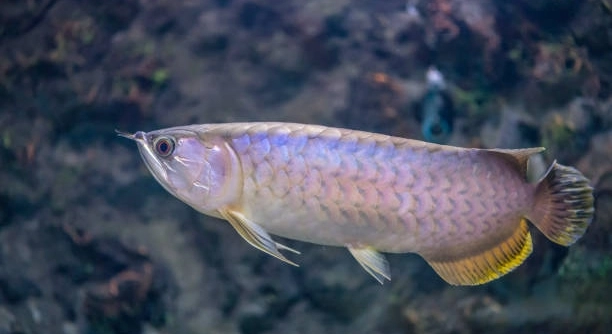
Is your arowana refusing its food and leaving you worried about its health? Many fish owners face this problem, and it can be frustrating. Understanding the reasons behind this behavior is the first step toward solving it.
Arowanas may stop eating due to poor water quality, stress, improper diet, illness, or environmental changes. Identifying the specific cause allows owners to implement targeted solutions that restore appetite and maintain the fish’s overall health effectively.
Learning how to address these issues can make feeding time less stressful. Simple adjustments often improve your arowana’s appetite and keep it thriving in its tank.
Poor Water Quality
Arowanas are sensitive to their environment, and poor water conditions can easily make them stop eating. High levels of ammonia, nitrites, or nitrates irritate their gills and stress them out. Even if the tank looks clean, harmful substances can accumulate over time. Regular water testing is essential. Changing 20–30% of the water weekly helps maintain a healthy balance. Temperature fluctuations can also affect appetite; arowanas prefer stable water between 75–82°F. Using a reliable heater and thermometer ensures consistency. Proper filtration removes debris and reduces toxins that may prevent your fish from eating. Overcrowding adds stress and contributes to poor water quality, so maintain an appropriate number of fish for your tank size. Observing your arowana’s behavior helps catch early signs of discomfort. Signs like gasping at the surface or lethargy indicate the water may be harming your fish. Consistent maintenance prevents these problems.
Testing water frequently keeps your arowana comfortable and ready to eat. Small changes can make a big difference.
Keeping the water balanced also protects the immune system. A stressed fish is prone to illness, which further reduces appetite. Ensuring oxygenation through airstones or proper filtration supports metabolism and digestion. Avoid sudden water changes, as shock can worsen feeding refusal. Using a water conditioner helps remove chlorine or heavy metals. Tank decorations and plants should be cleaned periodically to prevent algae or bacteria buildup. Observation is key; watch for unusual behavior like hiding or sluggish swimming. Adjusting feeding schedules according to water temperature helps, as fish eat less when water is too cold. By creating a stable, clean environment, your arowana is more likely to regain normal feeding patterns, remain healthy, and thrive over time.
Stress and Tank Environment
Stress affects arowanas’ appetite immediately. Loud noises, sudden movements, or new tankmates can make them stop eating.
Reducing stress involves maintaining a quiet environment and giving your fish space. Introduce new tankmates slowly and avoid frequent rearranging. Decorations can provide hiding spots, making your arowana feel safe. Proper lighting simulates natural day-night cycles, preventing unnecessary stress. Monitor interactions between fish to ensure no bullying occurs. Stress can also be caused by inadequate tank size; arowanas need ample swimming space. Adjusting these factors encourages normal behavior and feeding patterns. Additionally, avoid overhandling or tapping the glass, as repeated disturbances make fish wary of food. Providing a calm and predictable environment is crucial for restoring appetite and overall wellbeing. Regular observation lets you notice subtle signs of stress before they escalate, ensuring your arowana stays healthy and eats consistently.
Improper Diet
Feeding the wrong food or too often can make arowanas lose interest. They need a balanced diet with protein-rich items and occasional live or frozen food to stimulate appetite. Avoid overfeeding, which can lead to poor water quality and digestive issues.
Arowanas require variety to stay healthy. Relying only on pellets can bore them or fail to meet nutritional needs. Incorporating live food like small fish, shrimp, or insects helps mimic natural hunting behavior and encourages eating. Frozen or freeze-dried options are also useful if live food is unavailable. Rotate foods to provide vitamins and minerals, supporting growth and immune function. Sudden changes in diet can make arowanas refuse food temporarily, so introduce new items gradually to prevent stress or digestive upset. Observing which foods your arowana prefers can guide consistent feeding routines.
Overfeeding often causes bloating and digestive discomfort. Arowanas may avoid food when feeling full or unwell. Feeding small amounts twice daily is usually sufficient. Removing uneaten food promptly keeps the tank clean and prevents ammonia spikes. Supplementing with vitamins or specialized pellets ensures proper nutrition, especially for growing fish. Offering a mix of textures and flavors encourages natural feeding instincts. Adjusting portion sizes and meal frequency based on appetite and tank conditions helps maintain health and stimulates consistent eating habits. Maintaining this balance supports long-term wellbeing and prevents appetite loss caused by dietary issues.
Illness or Parasites
Health problems can prevent arowanas from eating, even if everything else seems fine. External parasites, bacterial infections, or internal worms can reduce appetite. Early detection is critical.
Watch for visible symptoms like spots, lesions, or unusual swimming. Lethargy, frayed fins, or rapid breathing often indicate stress or disease. Quarantining sick fish prevents spreading illness. Treat infections with medications recommended for arowanas, following dosage instructions carefully. Consult a veterinarian for persistent or severe symptoms. Regular observation of behavior, color changes, and stool helps identify issues before they worsen. Maintaining clean water and a balanced diet strengthens immunity, making fish less susceptible to illness. Prompt action ensures your arowana recovers quickly, restoring its appetite and overall health.
Illness often correlates with environmental stressors. Poor water, overcrowding, or fluctuating temperatures weaken immunity, allowing parasites and bacteria to take hold. Providing optimal conditions reduces risk and supports recovery. Routine checks of gills, scales, and eyes help catch early warning signs. Even minor injuries can lead to secondary infections if untreated. Medications, salt baths, or dietary adjustments can aid in recovery depending on the condition. Observation and preventive care are key; ignoring early signs can make feeding refusal worse and prolong illness. Proper attention ensures your arowana regains strength and returns to normal eating habits efficiently.
Temperature Fluctuations
Sudden changes in water temperature can make arowanas stop eating. They thrive in stable conditions between 75–82°F. Using a reliable heater and thermometer helps maintain a consistent environment and prevents stress-related appetite loss.
Even small drops or spikes in temperature can slow metabolism. Arowanas may become lethargic or hide, avoiding food. Gradual adjustments are safer than sudden changes, ensuring comfort and promoting normal feeding behavior.
Lighting and Day-Night Cycle
Arowanas need a consistent light schedule to regulate appetite and activity. Too much or too little light can confuse their natural rhythms and reduce interest in food. Maintaining a regular cycle of 10–12 hours of light daily helps them feed consistently and remain active.
Tank Size
Arowanas require ample swimming space. Small tanks create stress and limit natural movement, which can lead to appetite loss. Providing a sufficiently large tank ensures comfort, encourages activity, and supports normal feeding patterns.
Overfeeding
Overfeeding often causes digestive issues and bloating, leading to food refusal. Feeding small, measured portions twice daily prevents discomfort, maintains water quality, and encourages healthy appetite.
FAQ
Why isn’t my arowana eating at all?
If your arowana completely refuses food, the cause is usually stress, illness, or environmental issues. Check water quality, temperature, and tank size first. Observe for physical signs like spots, frayed fins, or abnormal swimming. Health problems, parasites, or dietary deficiencies can also prevent feeding. Addressing these factors one by one helps restore appetite and overall wellbeing.
Can sudden water changes affect feeding habits?
Yes. Sudden water changes can shock your arowana, causing it to hide or stop eating. Always adjust temperature and chemistry gradually. Using a conditioner to remove chlorine or heavy metals helps prevent stress. Gradual water changes stabilize the environment, making your arowana feel secure and more likely to eat.
How often should I feed my arowana?
Adult arowanas typically eat once or twice daily. Juveniles may need more frequent feeding. Overfeeding can cause bloating and poor water quality, leading to appetite loss. Offer small portions and remove uneaten food promptly. Monitoring appetite and adjusting meal size ensures your fish stays healthy.
What types of food should I provide?
Arowanas need a mix of protein-rich foods. Pellets are convenient, but adding live or frozen food like shrimp, small fish, or insects encourages natural hunting behavior. Rotating foods ensures balanced nutrition and prevents boredom. Gradually introducing new items reduces stress and supports a consistent appetite.
Could tankmates affect my arowana’s appetite?
Yes. Aggressive or overly active tankmates can intimidate your arowana, causing it to hide and skip meals. Ensure the tank provides enough space and hiding spots. Introducing new tankmates slowly helps your fish adjust. Reducing stress from other fish encourages normal feeding behavior.
Can lighting influence feeding?
Lighting impacts activity and appetite. Arowanas follow natural day-night cycles, so too much or too little light can reduce interest in food. Maintain 10–12 hours of light daily and avoid sudden changes. Consistent lighting supports normal feeding and overall health.
Is temperature important for feeding?
Absolutely. Arowanas are sensitive to temperature. Water that is too cold or too warm can slow metabolism, reduce activity, and lead to refusal of food. Keep water between 75–82°F and avoid sudden fluctuations. Gradual adjustments allow the fish to acclimate safely.
What signs indicate illness-related appetite loss?
Symptoms include lethargy, gasping at the surface, frayed fins, spots, lesions, or unusual swimming. Stool changes can also indicate digestive or parasitic issues. Early detection and proper treatment are critical to restoring appetite and preventing serious health problems.
Can overfeeding make my arowana stop eating?
Yes. Overfeeding leads to bloating, digestive discomfort, and poor water quality. Feed small, measured portions twice daily, removing uneaten food. Balanced feeding prevents stress and keeps appetite consistent. Regular observation helps adjust feeding routines effectively.
How long can an arowana go without food?
Healthy adult arowanas can survive a week or more without food, but prolonged fasting can weaken the immune system. Juveniles require more frequent feeding. Monitor your fish closely, and address environmental or health issues if appetite does not return.
Should I quarantine my fish if it stops eating?
Quarantining is recommended if illness or parasites are suspected. A separate tank prevents spreading disease and allows targeted treatment. Observe behavior, treat with appropriate medications, and maintain clean water to help your arowana regain appetite safely.
Are there supplements that can help?
Vitamins or specialized pellets can improve nutrition and stimulate appetite. Only use supplements as needed, and avoid overuse, which can disrupt digestion or water quality. Consistent diet and clean environment remain the most effective solutions.
Can stress from handling or tapping the glass cause appetite loss?
Yes. Frequent disturbances make arowanas wary of food and stressed. Minimize handling, tapping, or loud noises around the tank. Providing hiding spots and a stable environment encourages feeding and reduces anxiety.
How do I know if my arowana is eating properly again?
Watch for regular swimming patterns, alert behavior, and consistent acceptance of food. Gradual improvement is normal after correcting environment, diet, or health issues. Recording feeding habits can help track recovery and ensure long-term appetite stability.
Can changing the feeding schedule help?
Sometimes adjusting meal times to match natural activity patterns improves appetite. Feed during active periods, avoid irregular schedules, and maintain consistency. Gradual changes help arowanas adapt without stress and encourage normal feeding behavior.
What should I do if my arowana still won’t eat?
If all environmental, dietary, and health factors are addressed and feeding refusal continues, consult an experienced aquatic veterinarian. Persistent appetite loss may indicate internal illness or complex stress factors requiring professional intervention. Early action improves recovery chances.
How often should I observe my arowana’s behavior?
Daily observation is essential. Watch swimming, breathing, appetite, and interaction with the tank. Early detection of unusual behavior allows prompt action, preventing serious health problems and ensuring your arowana continues eating normally.
Can tank decorations affect feeding?
Yes. Overcrowded or sharp decorations can stress arowanas, limiting swimming and feeding. Ensure plenty of open space and safe hiding spots. Simplifying the environment can reduce stress and encourage consistent eating habits.
Are frozen foods better than live foods?
Both have benefits. Live food stimulates natural hunting instincts, while frozen options are convenient and safe from parasites. Alternating between them provides nutrition and keeps your arowana interested in meals, supporting healthy appetite and overall wellbeing.
How do I encourage a picky arowana to eat?
Offer variety, gradually introduce new foods, and mimic natural feeding behavior. Adjust portion sizes and feeding times based on activity. Ensure clean water, stable temperature, and minimal stress. Observation and patience are key to restoring appetite in selective fish.
What role does tank cleanliness play in feeding?
Clean water prevents stress, illness, and appetite loss. Uneaten food, waste, and algae create harmful conditions. Regular maintenance, filtration, and partial water changes keep the environment healthy, allowing your arowana to feed consistently and thrive.
How can I prevent future appetite problems?
Maintain stable water conditions, proper diet, minimal stress, and regular health checks. Observe behavior daily and address minor issues before they escalate. Consistency and preventive care ensure your arowana remains healthy and interested in food over the long term.
What are signs of digestive issues?
Bloating, abnormal stools, or refusal to eat can indicate digestive problems. Adjust portion sizes, avoid overfeeding, and provide high-quality foods. Treating digestive issues promptly helps restore appetite and prevents further complications.
Can seasonal changes affect appetite?
Yes. Temperature or light shifts can reduce feeding temporarily. Adjust environment gradually, maintain consistent routines, and monitor water quality to minimize seasonal appetite fluctuations. Proper care helps your arowana adapt without long-term feeding issues.
Is it normal for arowanas to skip meals occasionally?
Occasional fasting can happen, especially after stress or environmental changes. Short periods without eating are not always concerning. Monitor behavior, ensure water quality, and maintain a balanced diet to support recovery and prevent prolonged appetite loss.
How long should I wait before trying new food?
Introduce new foods gradually over several days. Abrupt changes may cause refusal or digestive upset. Observing your arowana’s response helps ensure successful dietary adjustments and encourages consistent feeding patterns.
Can I use appetite stimulants?
Some products are available, but they should be used cautiously and as a temporary aid. Focus on environment, diet, and health first. Stimulants may help in recovery but cannot replace proper care and feeding routines.
What common mistakes lead to appetite loss?
Frequent water changes without adjustment, overfeeding, improper diet, inadequate tank size, poor water quality, temperature fluctuations, and stress from tankmates are common causes. Regular observation, proper diet, and consistent environment prevent these issues and support healthy feeding habits.
How can I tell if my arowana is stressed?
Signs include hiding, sluggish swimming, rapid breathing, color changes, fin clamping, or reduced appetite. Identifying stress early allows interventions such as adjusting tankmates, improving water quality, or stabilizing temperature, which restores feeding behavior and overall health.
Can fasting ever help?
Short fasting (24–48 hours) can sometimes reset digestion, but prolonged fasting is harmful. Only use fasting cautiously, ensuring water conditions, temperature, and stress levels are optimal during this period. Return to small, regular meals afterward.
Is it safe to combine different food types in one meal?
Yes, mixing pellets, frozen, and live foods provides balanced nutrition and encourages natural feeding behavior. Introduce new items gradually and in appropriate portions to prevent digestive upset or waste accumulation in the tank.
How important is tank filtration for appetite?
Filtration maintains water quality, removing toxins and debris that can stress your arowana. Poor filtration reduces oxygen, increases waste buildup, and discourages feeding. Clean, efficient filtration supports normal behavior, appetite, and overall health.
What should I do if multiple factors are affecting appetite?
Address each factor step by step: check water quality, adjust diet, remove stressors, and monitor health. Observing behavior and making gradual changes helps restore appetite without overwhelming your arowana. Professional guidance may be necessary for persistent issues.
How long does it take for arowanas to start eating again after problems?
Recovery time varies depending on the cause. Minor stress or dietary adjustments may see improvement within days. Illness or parasites may take weeks with proper treatment. Patience, consistent care, and observation are key to restoring regular feeding habits.
Can water hardness or pH affect feeding?
Yes. Extreme pH or hardness levels can stress arowanas and reduce appetite. Keep pH between 6.5–7.5 and moderate hardness for optimal feeding behavior. Regular testing ensures a stable environment and consistent eating.
What are safe live foods for arowanas?
Small fish, shrimp, insects, and worms are safe options. Avoid feeder fish with diseases or parasites. Using quarantined or frozen-thawed options reduces risk. Live food encourages natural hunting behavior, promoting appetite and activity.
How do I gradually change diet?
Introduce small amounts of new food alongside familiar items. Monitor acceptance and adjust portions slowly. Gradual changes reduce stress, digestive upset, and refusal, encouraging a stable feeding routine.
Can seasonal temperature drops be managed without affecting appetite?
Yes. Use a heater to maintain consistent temperature. Avoid sudden fluctuations, and monitor behavior closely. Gradual seasonal adjustments help arowanas adapt without prolonged appetite loss.
How often should I clean the tank to support appetite?
Weekly partial water changes and regular substrate cleaning prevent toxin buildup. Uneaten food should be removed daily. A clean tank supports feeding, reduces stress, and prevents disease.
Can stress from moving the tank affect eating?
Yes. Relocating the tank or rearranging decorations can stress your arowana, leading to temporary food refusal. Maintain familiar surroundings and introduce changes gradually to encourage normal feeding behavior.
Is it normal for arowanas to be picky about food?
Yes. Individual preferences vary. Offering variety, observing choices, and introducing new items gradually keeps meals interesting, encourages eating, and ensures balanced nutrition over time.
What is the best temperature range for consistent feeding?
Keep water between 75–82°F. Stable temperatures support metabolism, activity, and appetite. Avoid sudden spikes or drops, which can cause stress and feeding refusal. Consistent heating promotes regular feeding patterns.
Can changing filtration affect feeding?
Yes. Poor filtration increases toxins, stressing your fish. Upgrading or maintaining filters improves water quality, reduces stress, and supports healthy appetite and consistent feeding behavior.
How do I know if my arowana has parasites?
Signs include scratching against surfaces, white spots, unusual swimming, or reduced appetite. Quarantine and treatment are necessary. Early detection prevents severe health issues and restores feeding behavior.
Can overstocking the tank cause food refusal?
Yes. Too many fish create competition and stress. Provide enough space, hiding spots, and proper feeding methods to ensure each arowana receives sufficient nutrition and maintains a healthy appetite.
Are certain times of day better for feeding?
Arowanas are more active during daylight hours. Feed during active periods to encourage hunting behavior and consumption. Consistent meal timing promotes appetite and helps establish a routine.
What should I avoid when trying to restore appetite?
Avoid sudden water changes, abrupt diet shifts, overhandling, and introducing aggressive tankmates. Minimizing stressors and maintaining a clean, stable environment is far more effective in restoring feeding habits.
How do I monitor recovery after dietary changes?
Track how much and how often your arowana eats, note behavior, and check for physical signs of health. Gradual improvement indicates successful adjustments. Consistency ensures long-term appetite stability.
Can water movement affect feeding?
Excessive current can stress arowanas, making them hide and refuse food. Moderate flow and calm areas allow comfortable swimming and normal feeding patterns.
How important is patience when addressing appetite issues?
Very. Changes take time. Sudden interventions can worsen stress. Gradual adjustments in diet, environment, and health management support consistent recovery and long-term feeding stability.
Should I keep a record of feeding habits?
Yes. Recording daily feeding, behavior, and water conditions helps identify patterns, detect early problems, and track recovery. Documentation supports long-term appetite management and overall fish health.
Can water aeration improve feeding?
Yes. Proper oxygen levels support metabolism and activity, encouraging regular feeding. Insufficient aeration can reduce appetite and slow recovery from stress or illness.
How do I reintroduce food after illness?
Start with small, easily digestible meals, gradually returning to regular portions. Monitor acceptance and adjust gradually. Clean, stable water and low stress are crucial for restoring normal feeding.
Are there signs my arowana is ready for live food again?
Increased activity, alert swimming, and showing interest in offered pellets or frozen foods indicate readiness. Introduce live options slowly to encourage natural feeding instincts safely.
How do I handle a selective eater?
Rotate food types, mimic natural feeding, and maintain a stable, low-stress environment. Gradually introducing new foods encourages acceptance while maintaining appetite and overall health.
Can seasonal lighting changes affect appetite?
Yes. Inconsistent light cycles can reduce feeding interest. Maintain a regular 10–12 hour light schedule and avoid sudden changes to encourage normal activity and appetite.
How long should I wait to see results from environmental changes?
Improvements can appear within days for minor issues, but recovery from stress or illness may take weeks. Observe behavior, feeding, and health indicators to ensure progress and adjust care as needed.
Can adding plants or decorations help with feeding?
Yes. Hiding spots reduce stress, making your arowana feel secure and more likely to eat. Avoid overcrowding or sharp objects that may cause injury or stress.
Should I adjust feeding based on age or size?
Yes. Juveniles require more frequent feeding than adults. Portion sizes should correspond to growth stage, metabolism, and activity levels to maintain proper nutrition and appetite.
How do I prevent long-term appetite problems?
Maintain stable water conditions, proper diet, low stress, regular observation, and prompt treatment for illness. Consistency, preventive care, and attention to behavior ensure your arowana remains healthy and eats consistently.
Is it safe to offer treats?
Occasional treats like insects or shrimp are fine if balanced with the regular diet. Overuse can cause digestive upset or reduce interest in main meals. Use treats sparingly to maintain appetite.
Can tank location affect feeding?
Yes. Tanks in high-traffic or noisy areas can stress arowanas, reducing appetite. Place the tank in a calm, stable location to encourage regular feeding and normal behavior.
How do I balance live and frozen foods?
Rotate between live and frozen foods to provide variety and nutrition. Gradually introduce new items, monitor acceptance, and adjust portions to maintain appetite and health.
Are there warning signs before appetite loss occurs?
Yes. Subtle signs include reduced activity, hiding, minor color changes, or slow response to food. Early intervention can prevent complete feeding refusal and support health.
How do I encourage a slow-eating arowana?
Offer small portions, reduce stress, and mimic natural hunting behavior. Gradual introduction of new foods and a calm environment support consistent feeding and overall wellbeing.
Can seasonal water chemistry changes impact appetite?
Yes. Rainwater, evaporation, or temperature shifts can alter pH and hardness. Monitor and adjust gradually to maintain a stable environment, supporting normal feeding habits.
How do I reintroduce food after overfeeding?
Allow the fish to fast briefly, then offer small, controlled portions. Ensure water quality remains high, and gradually return to regular feeding to restore appetite and prevent digestive issues.
What common mistakes lead to recurring appetite issues?
Frequent environmental changes, overfeeding, poor water quality, inappropriate tankmates, and irregular diet are common causes. Maintaining stability, proper nutrition, and low-stress conditions prevents repeated feeding problems.
Can seasonal behavior changes affect appetite?
Yes. Temperature and light fluctuations can reduce activity and food interest temporarily. Maintaining stable conditions and monitoring health ensures short-term changes do not become long-term feeding issues.
How do I know if my arowana is under stress from multiple factors?
Observe behavior, appetite, and physical condition. Signs of hiding, lethargy, or refusal to eat indicate combined stressors. Gradually address each factor to restore normal feeding behavior.
Should I adjust feeding if my arowana is sick?
Yes. Offer easily digestible foods in small amounts. Avoid overfeeding, maintain clean water, and follow treatment plans. Gradual reintroduction of regular diet supports recovery and appetite restoration.
Can water additives impact feeding?
Certain medications or supplements can reduce appetite temporarily. Use only as directed, and monitor behavior closely. Proper dosage and gradual introduction prevent stress-related refusal.
How do I know when appetite has fully returned?
Consistent acceptance of meals, normal swimming, alert behavior, and healthy appearance indicate appetite recovery. Track feeding habits and observe behavior over several days to confirm stability.
Are there age-related feeding changes?
Yes. Juveniles eat more frequently and need higher protein. Adults require fewer meals. Adjust portion sizes and food type according to life stage to maintain proper nutrition and appetite.
Can stress from tank cleaning affect eating?
Yes. Frequent or aggressive cleaning can disturb your arowana and cause temporary food refusal. Gentle, routine maintenance reduces stress and encourages consistent feeding behavior.
How do I know if water temperature is affecting appetite?
Slow or reduced swimming, hiding, or refusal of food often indicate unsuitable temperature. Use a heater and thermometer to maintain 75–82°F, ensuring stable conditions that support normal feeding.
**
Final Thoughts
Keeping an arowana healthy and eating regularly takes attention to detail and consistent care. These fish are sensitive to their environment, and even small changes can affect their appetite. Water quality, temperature, and tank size all play a major role in how comfortable your arowana feels. Maintaining clean water with stable temperature, proper filtration, and regular partial water changes is essential. Overcrowding or poor water conditions can quickly lead to stress, illness, and refusal to eat. Observing your fish daily helps catch problems early, preventing minor issues from becoming serious. Small adjustments in their environment often make a big difference in encouraging regular feeding habits.
Diet also has a significant impact on your arowana’s appetite. Feeding a balanced mix of pellets, live foods, and frozen options ensures proper nutrition while keeping meals interesting. Overfeeding can cause digestive issues and bloating, while underfeeding may affect growth and energy levels. Rotating food types and introducing new items gradually helps prevent stress or refusal. Some arowanas can be picky, so patience is important. Offering a variety of protein-rich foods and avoiding sudden changes allows your fish to maintain consistent eating patterns. Monitoring portion sizes and feeding schedules supports digestion, water quality, and overall health. Proper nutrition combined with a stable environment helps your arowana stay active, alert, and interested in food.
Stress and illness are common reasons for appetite loss, and both can be subtle at first. Signs like hiding, lethargy, rapid breathing, or slight color changes may indicate something is wrong. Quarantining sick fish, providing hiding spots, and reducing disturbances in the tank all help reduce stress. If your arowana refuses food for several days despite good water conditions and diet, illness may be the cause. Consulting a veterinarian experienced with fish or using appropriate treatments can restore appetite safely. Preventive care, observation, and patience are key to long-term success. By maintaining a clean, stable environment, providing proper nutrition, and addressing stress or health issues quickly, you can ensure your arowana thrives and enjoys a regular, healthy appetite over the years.

Hello,
If you enjoy the content that we create, please consider saying a "Thank You!" by leaving a tip.
Every little bit helps us continue crafting quality advice that supports the health, happiness, and well-being of pets around the world, for pets of all shapes, sizes, and species.
We really appreciate the kindness and support that you show us!