
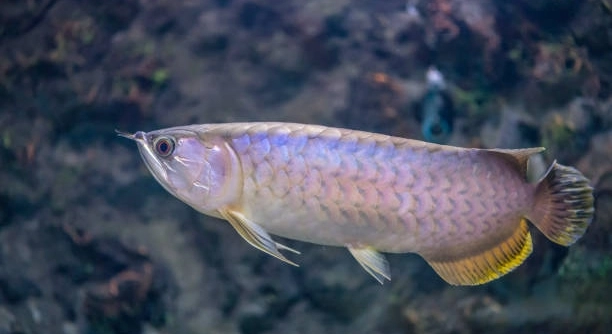
Have you ever noticed your arowana becoming less excited during feeding time or showing changes in appetite and behavior, prompting you to wonder if its current diet is still giving it the nourishment it needs.
Recognizing when an arowana requires a dietary adjustment is essential for maintaining optimal growth, coloration, and overall health, as shifts in energy levels, digestion, or feeding responses often signal nutritional imbalances that need timely correction to support long-term well-being overall.
These signs offer early clues that can help you make simple changes, supporting your arowana’s continued strength, comfort, and progress.
Decreased Interest in Regular Foods
When an arowana begins ignoring foods it once ate eagerly, it often signals that its nutritional needs are shifting. Arowanas grow quickly, and their bodies demand consistent, balanced nourishment to stay healthy. When the same foods are offered for too long, they may no longer provide enough variety or essential nutrients. Over time, limited feeding routines can lead to boredom, reduced appetite, duller coloration, and slower growth. You might notice your arowana lingering near the surface without taking bites or spitting out pieces it previously enjoyed. These changes suggest that the current diet is no longer meeting its needs, and adjusting its meals can help restore energy, interest, and overall behavior. A refreshed diet also supports a stronger immune system, making your fish more resilient.
Arowanas rely on a mix of proteins, vitamins, and minerals, and rotating foods helps maintain that balance more effectively over time.
Adding new foods that mimic their natural feeding patterns can bring back enthusiasm, reinforce healthy habits, and support steady development.
Slower Growth and Less Energy
When an arowana’s growth slows down or its energy drops, the issue often stems from limited nutrients in its routine meals. These fish rely on consistent nourishment to maintain strength and movement, and a lack of variety affects those needs quickly.
Arowanas require a diet rich in high-quality proteins, essential fatty acids, and supportive nutrients to maintain their large frames. When these elements become insufficient, gradual changes appear. Your fish may glide more slowly, rest near the bottom, or show less interest in interacting with its surroundings. While water parameters and tank conditions can influence behavior, diet remains a primary factor. Introducing nutrient-dense foods such as insects, crustaceans, and fortified pellets can help restore vitality. Rotating meals prevents deficiencies and keeps your arowana engaged during feeding. Over time, this balance supports proper muscle tone, brighter coloration, and sustained activity. Maintaining variety also helps digestion, allowing nutrients to be absorbed more efficiently and contributing to long-term health.
Changes in Color and Scale Condition
Color fading and uneven scale texture often signal that your arowana is missing important nutrients. When its diet lacks essential vitamins, minerals, or varied proteins, the body responds gradually, showing visible shifts that reflect internal nutritional decline.
Arowanas depend on consistent nutrient intake to maintain bright coloration and smooth, uniform scales. When meals become repetitive, the body struggles to replenish key elements that support natural pigmentation and proper scale development. Over time, colors may appear washed out, and scales might look dull or slightly rough. Adjusting the diet by adding carotenoid-rich foods, quality pellets, and protein sources helps restore the natural shine and vibrancy that healthy arowanas display. These changes often happen slowly, so noticing them early makes a meaningful difference. A nutrient-balanced feeding routine strengthens coloration, improves scale regeneration, and supports overall appearance.
Improving diet variety also enhances the skin’s protective functions. Arowanas with nutrient-rich meals have stronger immunity, better resistance to minor injuries, and improved healing after bumps or scrapes. Offering foods that support pigmentation and skin health, such as krill or fortified pellets, works well when combined with occasional live or frozen options. Consistent feeding habits give the body time to use nutrients effectively, leading to brighter colors and healthier scales. Subtle improvements often appear within weeks once dietary gaps are addressed.
More Frequent Digestive Issues
Digestive problems such as floating waste, bloating, or inconsistent appetite often develop when an arowana’s diet becomes unbalanced or overly repetitive. Limited nutrient variety affects digestion, and certain foods can become harder to process when fed too regularly, especially without rotation.
Arowanas rely on a steady mix of proteins and fiber-rich options to keep their digestive system functioning smoothly. When the diet lacks balance, waste buildup, slower digestion, and irregular feeding patterns become more noticeable. Introducing foods that support gut health, such as high-quality pellets, insects, and occasional plant-based options, helps ease these issues. Rotating meals prevents the digestive system from becoming overwhelmed by one type of food and encourages more efficient nutrient absorption. A varied diet supports smoother digestion, steadier energy, and more predictable feeding behavior, making daily care easier and improving overall well-being.
Increased Aggression During Feeding
Heightened aggression during meals often appears when an arowana isn’t satisfied with its current diet. Limited nutrients or repetitive foods can cause frustration, leading to more intense strikes, splashing, or chasing as it attempts to express unmet needs.
A lack of dietary variety can also make an arowana impatient, especially if meals no longer feel stimulating. Offering diverse textures and proteins helps reduce this behavior, encouraging calmer responses and more controlled feeding routines.
Noticeable Weight Changes
Weight loss or sudden plumpness often results from unbalanced feeding habits. When an arowana lacks proper nutrients or receives too much of one food type, its body responds quickly. Adjusting meal portions and including a wider range of foods helps stabilize weight and maintain proper conditioning.
Increased Refusal of Certain Foods
Refusing foods it once accepted often indicates the diet has become predictable. Arowanas respond well to rotation, and adding new protein sources or nutrient-rich pellets helps restore interest while supporting overall health.
FAQ
How often should I rotate my arowana’s foods?
Rotating foods every few days helps maintain balance and prevents nutritional gaps. Arowanas thrive when their meals include different protein sources such as insects, crustaceans, pellets, and occasional frozen options. Regular rotation keeps them engaged, reduces boredom, and supports better digestion. It also helps ensure they receive essential vitamins, minerals, and fatty acids. Keeping a simple rotation schedule makes feeding smoother and helps your fish stay consistently healthy.
What are the best staple foods for an arowana?
High-quality pellets designed for carnivorous fish make a reliable staple because they contain balanced nutrients and are easy to portion. These pellets support growth, coloration, and long-term health. Supplementing them with insects, shrimp, and other protein sources keeps the diet varied. Using pellets as the foundation while adding fresh or frozen foods gives your arowana a well-rounded nutritional plan. This combination also simplifies feeding and provides steady nourishment without overwhelming the fish with too much variety at once.
Can I feed my arowana only live foods?
Feeding only live foods is not recommended because it can create nutritional gaps and increase the risk of parasites. While live insects or fish can be offered occasionally, they should not make up the entire diet. Balanced pellets and frozen options provide safer, more complete nutrition. Relying solely on live food can also encourage picky eating, making your arowana refuse other necessary items. Using live foods as treats rather than daily meals helps maintain a healthier feeding routine.
Why does my arowana spit out its food?
An arowana may spit out food when it isn’t comfortable with the texture, when the pieces are too large, or when the diet has become repetitive. Sometimes it’s testing the food before swallowing, which is normal. If spitting becomes frequent, it may indicate boredom or nutritional imbalance. Offering smaller pieces or switching to a new food type often helps. Consistent refusal suggests it may be time to adjust the diet or inspect water quality, as stress also affects feeding behavior.
Is it normal for an arowana’s appetite to change as it grows?
Yes, appetite changes are normal. Younger arowanas tend to eat more frequently because they grow quickly. As they mature, their metabolism slows, and they may show reduced interest in certain foods. These changes should happen gradually, not suddenly. If appetite drops sharply, it might be a sign of dietary imbalance, stress, or health concerns. Adjusting food types and ensuring water conditions are stable usually helps restore normal feeding patterns.
How can I improve my arowana’s coloration through diet?
Foods rich in carotenoids, such as krill and certain pellets, support brighter pigmentation. Offering a mixture of these options a few times a week encourages natural color enhancement. Maintaining a nutrient-rich diet overall is essential for long-term vibrancy. Sudden changes in color often indicate nutritional deficiencies, so introducing nutrient-dense foods consistently helps restore brightness. Combined with proper lighting and clean water conditions, diet plays a major role in maintaining a healthy glow.
What should I do if my arowana becomes overweight?
Overfeeding or relying too heavily on fatty foods can lead to weight gain. Reducing portion sizes and spacing out meals helps bring weight back to normal. Switching to leaner protein sources and limiting high-fat treats makes it easier to manage overall intake. Observing behavior during feeding also helps you gauge how much your fish truly needs. Maintaining a steady, varied feeding routine prevents weight issues and supports long-term health.
How can I introduce new foods without stressing my arowana?
Introduce new foods gradually by mixing small portions with familiar items. This helps the fish adjust to new textures and flavors without feeling overwhelmed. Offering new foods at regular meal times keeps the routine predictable. If the arowana refuses a new item, try again later rather than forcing it. Over time, slow introduction builds acceptance and supports a more flexible, balanced diet.
Final Thoughts
Caring for an arowana becomes much easier when you stay aware of the small changes that appear in its behavior, appearance, and feeding habits. These shifts are often the first hints that its diet may no longer be giving it what it needs. When you pay attention to these details, you can make adjustments before the problems grow more serious. Arowanas depend heavily on balanced nutrients to stay strong, active, and visually healthy, so even simple changes in meal rotation or food quality can make a noticeable difference. Keeping the diet varied helps prevent boredom, supports better digestion, and encourages steady growth. Over time, this consistency strengthens the fish’s overall condition and prevents many common issues linked to poor nutrition. When your arowana receives the right foods in the right balance, its colors become brighter, its movements feel smoother, and its daily behavior appears more confident and calm.
A well-planned diet is more than just offering food; it becomes a long-term support system that shapes how your arowana develops. Many feeding problems happen when owners rely on the same foods for too long, but small adjustments can bring positive results quickly. Introducing a mix of proteins, pellets, and occasional frozen options helps maintain a nutrient-rich routine that benefits your fish in many ways. Arowanas are sensitive creatures, and they respond strongly to the quality of their meals. When you offer foods that match their natural preferences, they tend to eat more consistently and show fewer signs of stress. Adjusting meal portions, rotating foods, and avoiding overly fatty treats can keep weight stable and energy levels steady. These changes do not need to be complicated, and making them part of your regular care routine helps your fish stay healthier for years. Paying attention to appetite, waste patterns, and general activity gives you useful clues about how well the diet is working.
The goal is to create feeding habits that support long-term health, not just short-term improvements. A varied diet encourages proper growth, strong immunity, and balanced behavior, making the entire care process smoother and more enjoyable. Simple observation helps you stay on track, especially when you notice early signs that something needs adjusting. While every arowana has slightly different preferences, they all benefit from balanced nutrients and steady feeding routines. When you understand how diet affects their well-being, you can make better decisions that help your fish thrive in its environment. With consistent care, thoughtful feeding choices, and a willingness to adjust when needed, your arowana can continue to grow, display beautiful coloration, and maintain a stable, healthy lifestyle.

Hello,
If you enjoy the content that we create, please consider saying a "Thank You!" by leaving a tip.
Every little bit helps us continue crafting quality advice that supports the health, happiness, and well-being of pets around the world, for pets of all shapes, sizes, and species.
We really appreciate the kindness and support that you show us!