
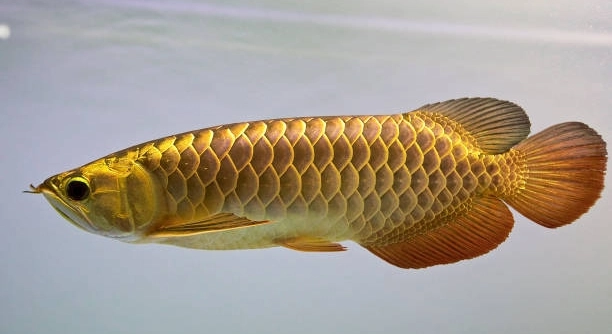
Do you ever find yourself watching your arowana gracefully swim, only to notice water splashing out of the tank? This can be surprising and a little messy, especially if your aquarium is set up in your living space.
Arowanas often splash water due to excitement, hunting instincts, or environmental stressors. Ensuring proper tank size, stable water levels, and minimizing disturbances can reduce this behavior while maintaining the fish’s health and overall well-being.
Managing your tank setup and understanding your arowana’s habits can make a big difference. Learning these factors will help keep both your fish and your home safe.
Why Arowanas Splash Water
Arowanas splash water for several reasons, most commonly due to natural instincts and their environment. These fish are predators and often jump or lunge when they see movement in or around the tank. Tank size also plays a significant role. If the aquarium is too small, the fish may become restless, leading to frequent splashing. Sudden noises, lights, or vibrations nearby can startle them, triggering this behavior. Even feeding time can cause excitement, as arowanas are quick and reactive eaters. Ensuring the water level is slightly lower than the tank’s edge can prevent excessive mess. Additionally, providing floating plants or hiding spots gives the fish a sense of security. Over time, observing patterns in their splashing helps identify specific triggers, making it easier to manage the behavior. Maintaining consistent water quality and a calm environment reduces stress, keeping your arowana healthier and less likely to splash excessively.
Proper tank setup and observation are key to controlling splashing and maintaining cleanliness.
Adjusting water levels, adding tank cover, and minimizing disturbances can significantly reduce water loss. Careful attention ensures your arowana stays healthy while keeping the surrounding area dry.
Preventing Water Splashing
Preventing splashing starts with adjusting the tank environment and understanding fish behavior.
Consistent care and tank management can drastically minimize splashing incidents. Regular monitoring, proper feeding routines, and reducing sudden disturbances create a calm environment for your arowana. It’s important to maintain ideal water parameters, including temperature, pH, and filtration, as stressed or uncomfortable fish are more likely to leap or splash. Adding floating barriers or a partially covered lid can reduce water loss while still allowing sufficient oxygen exchange. Placement of the aquarium in a low-traffic area prevents sudden movements and vibrations, which often startle arowanas. Additionally, providing toys, driftwood, or other enrichment can keep the fish engaged and less likely to splash from boredom. Regular observation allows you to notice behavioral changes, such as increased activity or aggression, which may signal environmental or health issues. By combining careful monitoring, environmental adjustments, and enrichment, you can maintain a cleaner tank and a calmer arowana, ensuring both its safety and the enjoyment of your aquarium setup.
Adjusting Tank Conditions
Lowering the water level slightly below the tank edge reduces splashing. Proper temperature and pH balance help the fish feel secure and less likely to jump or splash during feeding or sudden movements.
Consistent monitoring of water conditions is essential. Arowanas are sensitive to sudden changes in temperature or pH, which can increase stress and lead to erratic behavior. Regular water testing and gradual adjustments maintain a stable environment. Ensuring the tank has proper filtration and aeration keeps the water clean and oxygenated, supporting the fish’s natural behavior. Strategic placement of plants, rocks, or driftwood gives the arowana hiding spots, making it feel safe. Over time, these adjustments reduce unnecessary splashing and promote a calmer fish.
Tank layout and enrichment also influence behavior. Providing enough swimming space, visual barriers, and objects for stimulation keeps the arowana engaged. Reducing external disturbances and vibrations, while maintaining routine feeding schedules, encourages a predictable environment. Observing the fish’s response to these changes allows for fine-tuning. By carefully balancing water parameters, tank structure, and enrichment, you can prevent excessive water splashing while supporting the arowana’s natural instincts, promoting health, and creating a cleaner, more enjoyable aquarium.
Feeding Techniques
Feed smaller portions to reduce sudden bursts of energy. Arowanas tend to leap when large amounts of food are thrown at once, increasing splashing risk.
Distributing food gradually rather than all at once prevents overexcitement. Floating or sinking pellets can control the fish’s feeding pattern. Using feeding tongs or a target spot in the tank ensures the arowana approaches food calmly. Observing the fish’s behavior during feeding helps identify its preferred method and reduces stress. Avoid overfeeding, as excess food can degrade water quality and make the fish more restless. By controlling feeding techniques, you can limit energetic jumps and splashes while maintaining proper nutrition and water cleanliness.
Using Tank Covers
A partial tank cover helps reduce water splashing while still allowing air circulation. Transparent lids let the fish see their surroundings without feeling trapped, maintaining a sense of security.
Ensure the cover fits securely but leaves space for filtration and oxygen exchange. This simple adjustment prevents water from escaping and protects surrounding furniture from damage.
Reducing External Stress
Minimize loud noises and sudden movements near the tank. Arowanas are sensitive to vibrations and light changes, which can trigger splashing. Keeping a quiet, calm environment helps them feel safe and reduces erratic behavior.
Observing Behavior Patterns
Track when and why your arowana splashes most. Noting specific times, activities, or stimuli helps identify triggers, allowing targeted adjustments to feeding, tank setup, or environmental conditions to prevent future incidents.
Regular Maintenance
Clean the tank and change water consistently. Well-maintained water prevents stress, keeping your arowana calmer and less likely to splash. Regular care supports overall fish health and a stable, predictable environment.
FAQ
Why does my arowana splash water even when the tank seems perfect?
Even in a well-maintained tank, arowanas may splash due to natural instincts. These fish are predators and may leap or snap at movements outside the tank. Stress from sudden noises, lighting changes, or other environmental factors can also trigger splashing, regardless of water quality or tank size.
Can tank size affect splashing behavior?
Yes, a small or overcrowded tank can make an arowana restless. Limited swimming space increases energy buildup, which may result in frequent splashing. Providing a larger tank with ample swimming room allows the fish to move naturally and reduces stress-related behaviors.
Does feeding method influence splashing?
Feeding plays a significant role. Tossing large amounts of food at once can excite the fish, causing it to leap. Using smaller portions, distributing pellets gradually, or using feeding tongs helps the fish feed calmly, reducing sudden movements and water splashes.
Will adding plants or decorations help?
Yes, providing hiding spots like floating plants, driftwood, or rocks gives the fish security. Arowanas feel safer when they can navigate around obstacles. This reduces anxiety and lowers the likelihood of frantic jumps or splashing during the day or at feeding times.
Should I cover the tank completely to stop splashing?
A partial cover is usually best. It prevents water from escaping while still allowing air circulation. Full covers can restrict oxygen exchange and may make the fish feel confined. A transparent or slightly open lid keeps the fish secure and reduces mess.
Can water level adjustments help?
Lowering the water slightly below the tank’s edge is effective. This prevents water from easily spilling out when the fish leaps or splashes. Coupled with proper maintenance and stable parameters, adjusting the water level is a simple solution to reduce mess.
How often should I monitor water parameters?
Regular monitoring is important. Check temperature, pH, and cleanliness weekly or more often if you notice unusual behavior. Arowanas are sensitive to changes, and unstable water conditions can increase stress, leading to more frequent splashing or erratic swimming.
Does tank location matter?
Absolutely. Placing the aquarium in a low-traffic area reduces disturbances. Vibrations, sudden movements, or bright light changes startle the fish. A calm environment makes the arowana feel safe, limiting jumping and water loss.
Can stress cause long-term splashing habits?
Yes, repeated stress can make splashing a habitual response. Stressors include improper tank setup, aggressive tankmates, or frequent disturbances. Identifying and removing these factors helps the fish adjust, promoting calmer behavior over time.
Is it normal for young arowanas to splash more than adults?
Yes, juveniles are naturally more energetic. They explore their environment actively and may splash frequently while learning to navigate the tank. Providing proper space, enrichment, and gradual environmental adjustments helps reduce splashing as they mature.
Can diet affect splashing tendencies?
Feeding high-protein or overly large portions at once can trigger bursts of energy. Balanced, measured feeding ensures energy is used gradually, preventing sudden leaps and water splashes. Observing how your fish reacts to different foods can guide portion sizes and feeding methods.
What maintenance routines support calmer behavior?
Regular water changes, filtration checks, and tank cleaning are key. Consistent routines reduce stress and create a stable environment. Calm, predictable surroundings help the arowana feel secure, naturally lowering the tendency to splash.
Are some arowanas naturally splashers?
Individual temperament varies. Some arowanas are more active or excitable than others. While environmental adjustments help, certain fish may still splash occasionally. Observing personality traits allows you to tailor tank setup and enrichment to their needs, minimizing mess while respecting natural behavior.
How long does it take to reduce splashing behavior?
Changes in environment and routine may take days to weeks to show effect. Gradual adjustments, consistent feeding, and proper tank management help the fish feel secure. Patience and observation are essential to successfully reducing splashing over time.
Can tank mates influence splashing?
Yes, aggressive or active tankmates can provoke jumping. Choosing compatible species and monitoring interactions prevents unnecessary stress and reduces splashing incidents, maintaining harmony within the aquarium.
Are there tools to help monitor splashing triggers?
Yes, cameras or notes can track when splashing occurs. Recording patterns helps identify specific triggers, allowing targeted adjustments in feeding, lighting, or tank setup. This method helps prevent future water loss and keeps the environment stable for your arowana.
Does water quality directly influence splashing?
Poor water quality increases stress and restlessness, making splashing more likely. Maintaining clean water, proper filtration, and stable parameters ensures the fish is healthy and less prone to sudden, energetic movements.
Should I worry about health issues if my arowana splashes often?
Occasional splashing is usually normal, but persistent erratic behavior may indicate stress, poor water quality, or illness. Monitoring overall health, appetite, and activity helps determine if intervention is necessary. Early attention prevents long-term problems.
Can enrichment toys help reduce splashing?
Yes, adding floating objects or safe decorations engages the fish and keeps it mentally stimulated. This reduces boredom and energy buildup, lowering the likelihood of random splashes and supporting overall well-being.
What is the safest way to manage a splash-prone arowana?
Combine proper tank size, stable water parameters, gradual feeding, partial covers, enrichment, and a calm environment. Observing behavior consistently allows fine-tuning, creating a safe, manageable space while supporting natural instincts and reducing water loss.
Final Thoughts
Arowanas are beautiful and fascinating fish, but their natural instincts can sometimes create challenges for their owners. One of the most common issues is water splashing, which can occur for a variety of reasons. It is important to remember that this behavior is often normal and linked to the fish’s natural hunting, feeding, or exploration habits. Even when a tank appears perfect, factors such as excitement, stress, or external disturbances can cause your arowana to leap or splash. By observing the fish carefully, you can begin to identify patterns in when and why splashing happens. Paying attention to these patterns is the first step in creating a calmer, more controlled environment that supports the fish’s health while reducing mess outside the tank.
Maintaining the tank properly is key to minimizing splashing. Water quality, temperature, and pH levels should be monitored regularly, as unstable or poor conditions can increase stress and lead to more frequent energetic movements. Tank size also plays a significant role, as arowanas need ample swimming space to feel secure. Providing hiding spots, floating plants, or driftwood allows the fish to explore without feeling threatened or confined. Feeding methods are equally important; offering smaller, measured portions gradually reduces excitement and prevents sudden leaps. Consistency in feeding times, routine water changes, and regular maintenance all contribute to a stable environment. When the fish feels secure and its basic needs are met, splashing behavior tends to decrease naturally over time.
Environmental adjustments, careful observation, and patience are essential in managing a splash-prone arowana. Partial tank covers can help contain water without restricting oxygen flow, while placing the tank in a quiet, low-traffic area minimizes stress. Enrichment objects keep the fish engaged and reduce boredom, which often leads to sudden energetic movements. Monitoring interactions with other tankmates ensures the fish remains calm and avoids unnecessary conflict. Over time, combining these strategies creates a balance where your arowana can behave naturally, swim freely, and remain healthy, while water splashing becomes less of an issue. Understanding your fish’s behavior, adjusting its environment, and maintaining consistency not only improves tank conditions but also strengthens your ability to care for arowanas effectively and responsibly.

Hello,
If you enjoy the content that we create, please consider saying a "Thank You!" by leaving a tip.
Every little bit helps us continue crafting quality advice that supports the health, happiness, and well-being of pets around the world, for pets of all shapes, sizes, and species.
We really appreciate the kindness and support that you show us!