
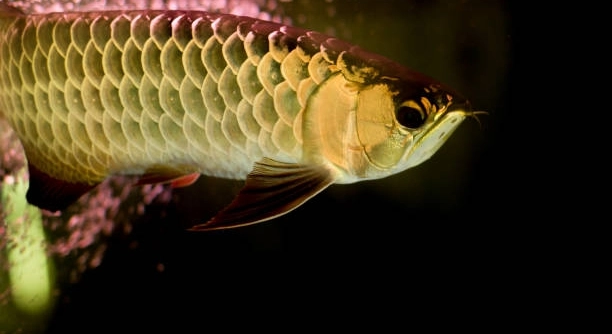
Are your arowanas swimming in circles more than usual, showing signs of restlessness or unusual behavior in their tank? Changes in environment can affect their well-being, and observing subtle signs is essential for maintaining their health and comfort.
Arowanas often exhibit behavioral and physical indicators when their environment no longer meets their needs. Signs include reduced activity, loss of appetite, frequent rubbing against tank surfaces, and changes in coloration or interaction patterns, signaling a desire for environmental adjustment.
Recognizing these subtle cues will help you provide a more suitable, stimulating habitat for your arowana, promoting its long-term health and overall happiness.
Restlessness and Constant Swimming
Arowanas are naturally active fish, but when their swimming patterns become frantic or repetitive, it often signals dissatisfaction with their environment. You might notice them pacing along the tank walls, darting suddenly, or circling in the same path repeatedly. These behaviors usually indicate a need for change, whether due to insufficient space, lack of stimulation, or water quality issues. Observing these patterns closely helps in identifying the precise problem. Adjusting tank decorations, providing hiding spots, or upgrading tank size can improve their comfort. Environmental enrichment, such as floating plants or driftwood, encourages natural behavior and reduces stress. It’s important to monitor water temperature and filtration as well. Sudden changes in movement or consistent restlessness may also reflect underlying health concerns, so careful attention is needed. Being proactive ensures your arowana stays calm and engages naturally with its surroundings, preventing long-term stress or behavioral issues that can impact its health.
Restlessness can be a strong indicator that your arowana requires changes in its tank setup or routine. Observing behavior carefully allows timely improvements.
Providing adequate space, adjusting decorations, and ensuring proper water conditions encourages calm swimming and natural exploration. It promotes overall well-being, keeping your arowana active without stress.
Loss of Appetite
A sudden decrease in feeding interest is a clear sign that your arowana may be uncomfortable or stressed. Loss of appetite can result from water conditions, temperature fluctuations, or an uninspiring environment. If your fish normally eats eagerly but suddenly shows disinterest in food, it is crucial to examine its surroundings. Sometimes, adding new elements such as plants or hiding spots can stimulate curiosity and increase feeding behavior. Poor water quality, including improper pH, ammonia spikes, or excessive nitrates, also affects appetite. Checking filtration and performing regular water changes is essential. Additionally, monitor for signs of illness that may accompany reduced eating, such as lethargy or unusual swimming patterns. By responding promptly to these signals, you can restore comfort and appetite. Maintaining a clean, enriching, and appropriately sized tank ensures that your arowana remains healthy, active, and engaged with its environment consistently.
Changes in Color
Color changes in arowanas often indicate stress or dissatisfaction with their environment. Dull or faded scales, unusual darkening, or patchy colors can signal a need for a tank adjustment or improved conditions to maintain overall health.
Shifts in color can result from lighting, water quality, or inadequate tank size. Arowanas may lose vibrancy if their environment lacks stimulation or if they experience prolonged stress. Ensuring consistent temperature, clean water, and proper nutrition can help restore their natural hues. Introducing visual barriers, plants, or new decorations can also reduce stress and encourage natural behavior, which often brings back brighter coloration. Monitoring these changes regularly allows timely adjustments to prevent long-term health effects.
Persistent color changes often indicate more than temporary stress. Chronic exposure to poor water conditions or a cramped tank can compromise immune function and increase susceptibility to disease. Observing behavior alongside color shifts provides better insight into their well-being. Making necessary environmental changes, including water maintenance and enriching the habitat, helps the arowana regain vitality, encourages normal swimming patterns, and supports overall health, ensuring a long, active life in the tank.
Seeking Hiding Spots
Arowanas that frequently seek hiding spots may be stressed or uncomfortable with their current environment. Constantly hiding behind decorations or corners indicates a need for change or additional enrichment.
Providing hiding places like plants, driftwood, or caves can reduce stress and create a sense of security. However, excessive hiding often signals that the tank layout or conditions are insufficient. Ensuring proper water quality, adequate space, and gentle lighting can encourage more natural behavior. Monitoring how often the fish hides and for how long helps identify environmental issues. Gradually adjusting tank elements and providing safe exploration areas can improve comfort and confidence. Observing these patterns is essential for maintaining health and promoting arowanas’ natural curiosity.
Erratic Swimming
Erratic swimming, such as sudden bursts of speed or frequent direction changes, often shows stress or discomfort in arowanas. Environmental factors like cramped space or poor water conditions commonly trigger this behavior.
Consistent monitoring helps identify patterns and potential triggers. Adjusting tank size, decorations, or water quality can reduce stress and promote smoother, calmer movement, improving overall well-being.
Rubbing Against Surfaces
Arowanas rubbing against tank surfaces can indicate irritation or stress. This behavior often signals poor water quality, parasites, or a need for environmental changes to improve comfort and health.
Reduced Interaction
Arowanas that show less interest in interaction or swimming near the front of the tank may be signaling dissatisfaction with their surroundings. Reduced engagement can stem from stress, boredom, or unsuitable tank conditions. Observing these behaviors alongside water quality and habitat setup is important for addressing underlying issues. Proper adjustments, including enrichment, tank size, and consistent care, can restore activity and engagement, promoting a more comfortable environment.
Frequent Leaping
Frequent attempts to leap out of the tank are a clear indication of stress or environmental dissatisfaction. This behavior suggests the need for immediate assessment and adjustment of tank conditions.
FAQ
How can I tell if my arowana is stressed due to its environment?
Stress in arowanas can be observed through changes in behavior and appearance. Restlessness, erratic swimming, hiding frequently, and reduced interaction are common behavioral signs. Physically, dull coloration, loss of appetite, and rubbing against surfaces can indicate stress. Monitoring these indicators regularly helps identify environmental issues early. Adjusting tank size, decorations, lighting, and water conditions can significantly improve comfort and reduce stress levels. Providing hiding spots, gentle water flow, and consistent care encourages natural behavior and overall well-being, helping the fish feel secure and more engaged in its habitat.
What tank adjustments can help arowanas feel more comfortable?
Creating a stimulating and safe environment is key. Providing adequate space for swimming, arranging decorations such as driftwood or plants for hiding, and ensuring proper lighting and water temperature are crucial. Regular water changes and filtration maintenance improve water quality. Adding visual barriers or rearranging tank elements occasionally can prevent boredom. Observing how the arowana responds to changes is essential. Incremental adjustments allow the fish to adapt gradually without causing additional stress. These modifications encourage natural activity, reduce erratic swimming, and restore normal feeding and social behaviors.
Why does my arowana lose interest in food suddenly?
Loss of appetite often results from environmental dissatisfaction or stress. Poor water quality, temperature fluctuations, overcrowding, or lack of stimulation can make feeding less appealing. Illness or parasites may also contribute to reduced interest in food. Ensuring clean, stable water conditions and a properly sized tank is vital. Introducing hiding spots or enrichment elements can encourage exploration and curiosity, which often restores appetite. Observing feeding behavior closely helps differentiate between environmental and health-related issues. Maintaining consistency in diet and care routines supports better overall health and encourages the arowana to feed regularly.
What does frequent hiding mean for my arowana?
Frequent hiding generally indicates discomfort or insecurity. If arowanas spend extended periods behind decorations or corners, the tank may lack adequate space, enrichment, or proper lighting. Stress from poor water quality or aggressive tankmates can also trigger hiding behavior. Providing hiding spots strategically while maintaining open swimming areas helps balance security and activity. Monitoring the duration and frequency of hiding gives insight into underlying environmental issues. Gradually adjusting tank conditions and ensuring stable water parameters improves comfort. Over time, the arowana becomes more confident, interacts naturally, and reduces excessive hiding behaviors.
Is frequent leaping a serious sign?
Yes, frequent leaping is often a serious indication of stress or dissatisfaction with the environment. It may result from cramped space, poor water conditions, or sudden disturbances in the tank. Leaping poses a risk of injury or escape. Immediate assessment of water quality, tank size, and layout is crucial. Adding a secure lid, increasing space, and enhancing environmental enrichment can reduce leaping tendencies. Observing patterns and triggers allows preventive measures. Ensuring stable conditions and a comfortable habitat promotes calmer swimming and reduces the risk of injury, supporting the arowana’s long-term health.
How can I restore my arowana’s natural coloration?
Dull or faded coloration often signals stress, poor water quality, or inadequate environmental stimulation. Maintaining stable water parameters, providing high-quality nutrition, and creating a spacious, enriched habitat are essential. Introducing plants, driftwood, and subtle lighting adjustments can improve comfort and encourage natural behavior. Consistent monitoring helps identify ongoing issues affecting coloration. Gradual environmental improvements combined with proper care often restore vibrancy over time. Observing how your arowana responds allows you to fine-tune conditions and maintain a healthy, visually vibrant fish that thrives in its tank.
What daily practices support arowana comfort and health?
Daily observation of behavior, appetite, and swimming patterns is essential. Checking water temperature, clarity, and filtration ensures stable conditions. Removing uneaten food and debris prevents water quality decline. Providing space for natural swimming and strategically placing hiding spots supports mental stimulation and security. Recording any behavioral changes helps track stress or illness. Adjusting lighting and enriching the environment with decorations encourages exploration and reduces boredom. Maintaining a consistent feeding routine with varied, nutritious foods promotes health. These practices collectively support arowanas’ well-being, prevent stress-related behaviors, and foster a balanced, comfortable environment for long-term care.
Can changes in water parameters trigger arowana behavior issues?
Absolutely. Fluctuations in pH, ammonia, nitrite, or temperature can stress arowanas, leading to erratic swimming, hiding, or reduced appetite. Even small changes over time affect behavior and overall health. Regular testing, water changes, and proper filtration are necessary to maintain stable conditions. Gradual adjustments prevent sudden stress. Observing behavioral changes alongside water quality allows timely intervention. Stable water conditions encourage normal feeding, swimming, and interaction patterns. Supporting arowanas with consistent care and monitoring minimizes stress, promotes health, and ensures a vibrant, active fish that thrives in its tank environment.
How often should I adjust tank decor or layout?
Frequent, minor adjustments can enrich the environment without causing stress. Changing decorations, moving plants, or adding hiding spots stimulates natural exploration and reduces boredom. Avoid drastic or sudden changes, as these can increase anxiety. Observe how the arowana reacts to modifications and make gradual improvements. Rotating elements periodically keeps the habitat engaging while maintaining a sense of security. Combining this with consistent water maintenance and feeding routines ensures a comfortable and stimulating environment. Regularly assessing behavior helps fine-tune the tank layout to promote well-being, encouraging active swimming, natural interaction, and overall health for your arowana.
Final Thoughts
Caring for an arowana requires close attention to its behavior, environment, and overall health. These fish are highly sensitive to changes in their surroundings, and even small stressors can affect their activity, appetite, and coloration. Observing daily behaviors such as swimming patterns, feeding habits, and interaction with the tank is essential to detect early signs of dissatisfaction. Restlessness, frequent hiding, erratic movements, and loss of appetite are all indicators that adjustments may be needed. Environmental changes, when done thoughtfully, can greatly improve an arowana’s comfort and well-being. Providing sufficient space, stable water conditions, and a clean, enriched habitat encourages natural behavior and helps reduce stress.
Maintaining water quality is one of the most important aspects of keeping an arowana healthy. Regular water testing, proper filtration, and routine water changes ensure that ammonia, nitrite, and nitrate levels remain safe. Temperature and pH stability are also crucial, as fluctuations can trigger stress and behavioral changes. Beyond these basics, the physical setup of the tank plays a significant role in the fish’s happiness. Adding hiding spots, driftwood, or plants allows the arowana to feel secure, while open swimming areas promote activity and natural exploration. Even minor adjustments to lighting and decorations can influence the fish’s mood and behavior. Paying attention to these details ensures a more stable environment that supports both physical health and mental comfort.
Finally, understanding and responding to your arowana’s needs fosters a stronger connection with the fish and promotes long-term well-being. Consistent observation, care, and environmental enrichment help prevent stress-related behaviors and health problems. By addressing signs of restlessness, color changes, or unusual behavior promptly, you create a habitat where the fish can thrive. Careful management of diet, tank size, and water conditions supports natural activity, encourages regular feeding, and helps maintain vibrant coloration. A proactive approach ensures your arowana enjoys a healthy, comfortable, and stimulating environment. Over time, these efforts result in a more active, confident, and visually striking fish that demonstrates its natural behaviors, making your care routine both rewarding and effective.

Hello,
If you enjoy the content that we create, please consider saying a "Thank You!" by leaving a tip.
Every little bit helps us continue crafting quality advice that supports the health, happiness, and well-being of pets around the world, for pets of all shapes, sizes, and species.
We really appreciate the kindness and support that you show us!