
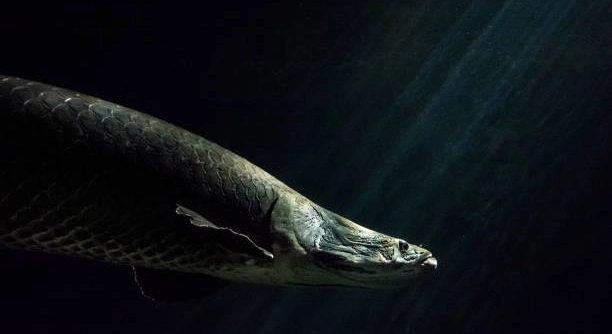
Is your arowana often hiding in the corners of its tank, avoiding interaction and remaining unusually still? Shy or timid arowanas require careful observation and gentle handling to help them feel secure and reduce stress.
Handling a shy arowana effectively involves creating a calm, stable environment, minimizing sudden movements, and establishing a predictable feeding routine. Gradual interaction and consistent care can encourage confidence while maintaining the fish’s health and well-being.
Learning these methods will make caring for your arowana smoother and more rewarding, helping your fish gradually become more comfortable and responsive.
Creating a Safe Environment
Shy arowanas respond strongly to their surroundings. Start by ensuring the tank is spacious, well-covered, and has plenty of hiding spots. Decorations like driftwood, rocks, and plants help them feel secure. Avoid placing the tank in high-traffic areas or near loud noises, as sudden disturbances can increase fear and stress. Water conditions are also crucial. Keep the temperature stable, usually between 75 and 82°F, and maintain clean water through regular changes. Consistent filtration and gentle currents prevent overwhelming your fish. Lighting should be moderate; too bright can cause them to hide more, while dim lighting can help them feel at ease. By carefully arranging the environment, you provide your arowana with the confidence to explore gradually. Over time, they may begin to swim more openly, but patience is key. Avoid sudden rearrangements, as changes can trigger stress and worsen timidity.
Gradually adjusting the tank environment fosters trust and reduces anxiety, encouraging your arowana to become more comfortable.
Consistency and patience in creating a calm habitat allow your arowana to feel secure. Over weeks, small behavioral improvements become noticeable, supporting long-term well-being and confidence.
Gradual Interaction and Feeding
Start interactions by approaching the tank slowly without sudden movements. Speak softly or tap lightly to signal your presence. Hand-feeding can help build trust, but begin at a distance. Use tongs to offer food near the surface or hiding spots. Avoid chasing or grabbing the fish, as this heightens fear. Observe their behavior carefully; if they retreat, give them time.
Consistency in feeding routines reduces stress, as arowanas learn to expect gentle handling and regular meals.
Patience is essential when encouraging a shy arowana to interact. Begin with brief, calm sessions, gradually increasing exposure as the fish shows comfort. Introduce familiar food items at predictable times, and avoid sudden changes in diet or presentation. Over time, your arowana may begin swimming closer during feeding, showing signs of curiosity and recognition. Avoid forcing interaction, as repeated stress can lead to illness or long-term anxiety. Tracking subtle improvements in behavior helps gauge comfort levels and adjust care methods accordingly. Maintaining water quality, stable lighting, and appropriate tank mates complements behavioral efforts, ensuring the fish remains healthy while becoming more confident. By combining environmental stability with gentle, consistent engagement, timid arowanas can slowly learn to trust their surroundings and caregiver, resulting in a calmer, more responsive pet.
Observing Behavioral Cues
Timid arowanas show signs of stress through constant hiding, clamped fins, or erratic swimming. Watching these behaviors helps you adjust care and prevent prolonged anxiety.
Pay attention to subtle changes in posture or swimming patterns. A shy arowana may hesitate near decorations or avoid open areas. Feeding response is also a key indicator; if the fish retreats quickly or ignores food, stress levels are high. Adjusting tank conditions, such as light intensity, current, and noise, can reduce these stress signals. Gradual changes are less intimidating, allowing the fish to adapt without fear. Regular observation builds awareness, making it easier to spot improvements or setbacks in behavior.
Behavior can shift slowly. Recording patterns helps identify triggers and preferred hiding spots. This allows you to create a consistent environment tailored to your arowana’s comfort, encouraging gradual confidence and safer interaction.
Tank Maintenance and Water Quality
Stable water conditions are critical for a shy arowana’s health and confidence. Regular water testing and changes prevent stress caused by fluctuating parameters, keeping pH, ammonia, and nitrate levels balanced.
Frequent partial water changes maintain cleanliness and reduce toxins. Avoid drastic temperature or chemical shifts. Use reliable filters to ensure gentle flow and remove debris efficiently. Regularly inspect equipment and decorations for wear or algae buildup. Proper aeration supports oxygen levels, helping the fish remain active and calm. A clean environment minimizes stress-induced behaviors like hiding or refusal to eat. Attention to water quality supports immune health, preventing illness that can worsen timidity. By keeping conditions consistent, you provide a stable foundation for confident behavior.
Choosing Compatible Tank Mates
Avoid aggressive or overly active fish that can intimidate a shy arowana. Peaceful species reduce stress and allow your fish to explore without fear.
Ideal tank mates include calm, non-territorial fish that occupy different levels of the tank. Avoid overcrowding to give your arowana space to feel safe.
Feeding Strategies
Offer a variety of foods to maintain interest and encourage consistent eating. Rotate between pellets, frozen, and live foods to meet nutritional needs.
Feeding at predictable times helps your arowana anticipate meals, building confidence. Use tongs or a feeding ring to control placement and reduce chasing behavior.
Handling and Interaction
Minimize direct handling, using gentle nets only when necessary. Frequent handling increases stress and can worsen timidity.
Allow the fish to approach slowly during feeding or maintenance, rewarding calm behavior. Gradual interaction reinforces trust and helps the arowana feel secure.
FAQ
How can I tell if my arowana is too shy or stressed?
Shy arowanas often hide for long periods, avoid open areas, and swim hesitantly. Clamped fins, rapid gill movement, or refusal to eat are signs of stress. Consistently observing these behaviors can help you adjust care and environment to reduce anxiety.
What is the best tank setup for a timid arowana?
A spacious tank with plenty of hiding spots is essential. Include driftwood, rocks, and plants to provide secure areas. Keep water parameters stable, maintain moderate lighting, and avoid sudden changes or loud noises. A calm, predictable environment encourages confidence over time.
How often should I feed a shy arowana?
Feed small, frequent meals at consistent times. Predictable feeding routines help build trust and reduce stress. Use tongs or a feeding ring to control food placement and minimize chasing. Avoid overfeeding, as this can lead to water quality issues that increase anxiety.
Can I hand-feed a shy arowana?
Yes, but gradually. Begin by offering food at a distance with tongs or feeding tools. As the fish grows more comfortable, you can reduce the distance. Never force interaction, as it may increase fear and cause the fish to retreat further.
Are tank mates necessary for a shy arowana?
Not necessarily. If you add tank mates, choose peaceful, non-territorial species that occupy different areas of the tank. Avoid aggressive or fast-moving fish, which can intimidate a timid arowana and worsen stress. Space and calm companions support confidence and exploration.
How do I encourage my arowana to explore the tank?
Create a safe environment first. Gradually remove barriers without sudden changes, allow consistent lighting, and maintain water quality. Slowly increase interaction through feeding routines or presence near the tank, letting the fish decide when to explore. Positive reinforcement encourages gradual confidence.
What are common mistakes when handling a shy arowana?
Handling too frequently, using sudden movements, or introducing drastic changes in the tank are common mistakes. Forcing interaction can trigger stress responses, hiding, or illness. Patience, gentle care, and observing the fish’s comfort level are key to building trust.
How important is water quality for a timid arowana?
Extremely important. Poor water conditions increase stress, weaken the immune system, and reduce confidence. Regular testing for ammonia, nitrite, nitrate, and pH, along with partial water changes and stable temperature, ensures a safe, healthy environment.
Can timid arowanas become more confident over time?
Yes, with consistent care and patience. Gradual exposure to feeding, gentle interaction, and a stable environment help them gain confidence. Each fish progresses differently, so tracking behavioral changes and adjusting care accordingly is essential.
How do I reduce stress during tank maintenance?
Perform changes slowly, avoid sudden movements, and keep water conditions consistent. Limit handling and provide hiding spots during maintenance. Quietly maintaining the tank helps a timid arowana feel secure and prevents retreating behaviors.
Is lighting important for a shy arowana?
Moderate lighting is best. Too bright can cause hiding, while dim lighting helps reduce stress. Using timers ensures consistency, letting the fish adapt naturally to a stable day-night cycle without sudden disturbances.
What foods are most effective for a shy arowana?
A mix of high-quality pellets, frozen foods, and occasional live options provides proper nutrition. Variety maintains interest and encourages regular feeding. Introduce new foods slowly to avoid refusal or stress, and use controlled feeding methods to prevent chasing or fear.
How long does it take for a timid arowana to adjust?
Adjustment varies. Some fish gain confidence in weeks, while others take months. Consistent care, gentle interaction, and a stable environment are the main factors. Observing incremental improvements helps track progress and maintain patience.
Can stress affect a shy arowana’s health?
Yes, prolonged stress can lead to weakened immunity, disease, and poor growth. Maintaining a calm environment, consistent feeding, and proper water quality minimizes health risks associated with anxiety.
Are there signs my arowana is improving?
Yes. Increased swimming in open areas, more consistent eating, and curiosity toward surroundings are positive signs. Reduced hiding and calmer behavior indicate growing confidence, signaling that your care strategies are effective.
How do I balance interaction without causing fear?
Start with minimal exposure during feeding or tank maintenance. Gradually increase interaction while monitoring behavior. Respecting the fish’s pace, avoiding sudden changes, and rewarding calm responses foster trust without adding stress.
Can shy arowanas coexist with aggressive species?
It’s not recommended. Aggressive tank mates can trigger hiding, stress, and injury. Timid arowanas do best with calm, non-territorial fish that allow them to explore freely without feeling threatened.
How often should I monitor their behavior?
Daily observation is ideal. Watching subtle changes in swimming, feeding, or hiding helps identify stress early. Keeping a log can track progress, allowing adjustments to feeding, tank conditions, or interaction to support confidence and well-being.
Do decorations impact a shy arowana’s confidence?
Yes. Providing secure hiding spots and open swimming areas balances safety and freedom. Rearranging decorations too often can increase fear, so maintaining consistency while adding gentle enrichment supports exploration and reduces anxiety.
What is the role of patience in caring for a timid arowana?
Patience is essential. Forcing interaction, rushing feeding, or altering the environment abruptly can worsen timidity. Gradual, consistent care allows the fish to gain confidence at its own pace, leading to healthier, more responsive behavior over time.
Can timid arowanas recognize their caretaker?
Yes, they can gradually recognize consistent presence. Gentle, predictable feeding and calm interaction help them associate you with safety and food, slowly building trust and reducing fear.
What should I do if my arowana refuses to eat?
Check water quality, tank setup, and stress levels first. Offer familiar foods at regular times, using controlled placement. Avoid chasing the fish, and give time to acclimate. Persistent refusal may require consultation with an aquatic veterinarian.
Is temperature stability important for a shy arowana?
Absolutely. Fluctuating temperatures cause stress and lethargy. Maintaining a steady range, typically between 75 and 82°F, supports confidence, activity, and overall health, reducing hiding and timidity behaviors.
How can I encourage exploration safely?
Provide hiding spots alongside open swimming areas. Gradually reduce barriers, maintain consistent lighting, and use predictable feeding. Allow the arowana to explore at its own pace, rewarding calm behavior and avoiding sudden disturbances to build confidence.
What are signs of improvement in feeding habits?
Consistent eating at regular times, approaching food without hesitation, and reduced retreating indicate progress. Gradual acceptance of varied foods and calmer responses to feeding show growing trust and comfort in the environment.
How do I prevent relapse into fear?
Maintain consistent water quality, stable tank setup, and gentle interaction. Avoid sudden changes or aggressive tank mates. Regular, predictable feeding routines and observation ensure continued confidence and reduce stress-related setbacks.
What role does enrichment play for timid arowanas?
Controlled enrichment, like floating plants or small hiding areas, encourages natural behaviors without overwhelming the fish. Gradually introducing changes stimulates curiosity while maintaining security, promoting confidence and reducing prolonged hiding or timidity.
How can I tell if my care routine is effective?
Track behavior over time. Reduced hiding, consistent feeding, increased swimming, and curiosity are positive signs. If stress indicators persist, reassess water quality, tank conditions, feeding, or interaction methods to ensure the routine supports confidence and health.
What is the most important factor in building trust?
Consistency. Stable environment, predictable feeding, gentle presence, and patience are key. Timid arowanas respond slowly, and consistent care fosters a sense of safety, gradually encouraging exploration and reducing fear.
How do I balance care for multiple shy arowanas?
Provide ample space, multiple hiding spots, and separate feeding areas. Observe each fish individually to gauge comfort and stress. Consistent care, patience, and monitoring help each arowana adjust without overwhelming them.
What should I avoid when caring for a timid arowana?
Avoid sudden movements, aggressive tank mates, drastic environmental changes, frequent handling, and inconsistent feeding. These actions increase stress and timidity. Focus on gentle, consistent care, stable water conditions, and gradual interaction to support confidence.
How long should I continue observation after improvements?
Ongoing observation is necessary. Even after progress, continue monitoring behavior, feeding, and water quality. Shy arowanas may regress under stress, so consistent attention ensures long-term confidence and well-being.
Can shy arowanas eventually become interactive?
Yes, with patience, consistent care, and a stable environment. Over time, they may swim openly, respond to feeding, and show curiosity, reflecting growing trust and reduced timidity.
What is the main takeaway for caring for timid arowanas?
Patience, consistency, and observation are essential. Creating a secure environment, maintaining water quality, offering predictable feeding, and gentle interaction gradually build confidence and improve the fish’s overall well-being.
How do I manage multiple stress factors at once?
Address water quality first, then adjust tank setup, feeding routines, and interactions. Gradual improvements prevent overwhelming the fish and promote steady confidence. Prioritize consistent care to reduce stress and timidity simultaneously.
Are there signs of permanent timidity?
Some arowanas remain cautious despite care. Persistent hiding or avoidance may reflect individual temperament. Focus on minimizing stress, maintaining proper care, and supporting well-being rather than forcing behavior changes.
Can shy arowanas recover from past trauma?
Yes, but it takes time. Consistent, gentle care and a stable environment help them regain trust. Monitoring behavior and adjusting routines ensures recovery is gradual and stress-free.
What role does observation play in long-term care?
Observation allows early identification of stress, illness, or environmental issues. Regular monitoring helps tailor care, adjust feeding, and maintain a stable, supportive environment, ensuring timid arowanas remain healthy and confident.
How do I encourage natural behaviors safely?
Provide hiding spots, open swimming areas, and controlled enrichment. Gradual exposure, consistent feeding, and stable water conditions support exploration, curiosity, and natural behavior without causing stress or fear.
Can timid arowanas coexist with other timid fish?
Yes, if space is sufficient and hiding spots are abundant. Avoid overcrowding and ensure each fish has access to food and secure areas to prevent competition or stress.
What is the best way to track improvement?
Record observations of hiding, swimming, feeding, and responses to interaction. Compare over time to gauge confidence growth and adjust care strategies for optimal support.
How important is routine in daily care?
Routine is critical. Predictable feeding, consistent maintenance, and gradual interaction provide a sense of security, reducing stress and supporting confidence in timid arowanas.
What should I do if progress stalls?
Reassess water quality, tank setup, feeding, and interaction methods. Make gradual adjustments, maintain consistency, and allow extra time. Patience ensures eventual improvement without causing additional stress.
Can timid arowanas develop strong bonds with their caretaker?
Yes, over time, consistent gentle interaction and predictable care can lead to recognition and trust, though progress is gradual and varies by individual temperament.
Is there a point where I should consult an expert?
If stress, illness, or refusal to eat persists despite proper care, consult an aquatic veterinarian or experienced fish specialist to address underlying issues and prevent long-term harm.
How do I maintain long-term confidence in a shy arowana?
Provide stable water conditions, predictable feeding, gentle interaction, hiding spots, and controlled enrichment. Monitor behavior consistently and adjust care gradually to prevent stress and reinforce confidence.
Can shy arowanas adapt to changes in tank setup?
Yes, if changes are gradual. Sudden rearrangements may cause hiding or stress. Introduce new decorations or lighting slowly while maintaining consistent care to help the fish adjust without fear.
What role does diet variety play in confidence?
A varied diet encourages consistent eating, maintains interest, and reduces stress associated with feeding. Gradual introduction of new foods supports comfort and confidence in timid arowanas.
How can I tell if a shy arowana is happy?
Signs include calm swimming, consistent eating, exploring open areas, and reduced hiding. Gradual curiosity toward surroundings indicates growing confidence and well-being.
Should I interact with my arowana daily?
Yes, but gently. Brief, calm interactions during feeding or maintenance reinforce familiarity without causing stress. Avoid forcing contact to support trust-building naturally.
What is the most effective way to reduce fear?
Stable environment, predictable routines, hiding spots, and gradual exposure to interaction. Patience and consistent care help timid arowanas feel secure and confident over time.
How long does it take to see consistent improvements?
Several weeks to months, depending on temperament. Gradual, consistent care, stable water quality, and patient interaction are essential for long-term confidence and well-being.
Are shy arowanas more prone to illness?
They can be if stress is chronic. Maintaining water quality, reducing disturbances, and consistent feeding lowers risk of illness and supports overall health.
Can timid arowanas learn to recognize feeding times?
Yes, predictable feeding schedules help them anticipate meals. Recognition of routine builds confidence and reduces stress during feeding, promoting consistent appetite and calm behavior.
How do I handle setbacks in behavior?
Reassess water conditions, tank setup, and interactions. Reduce stressors, maintain patience, and continue gentle care. Setbacks are normal; consistent support helps the fish regain confidence.
Can timid arowanas live in smaller tanks?
They can, but space affects comfort. Adequate swimming area, hiding spots, and consistent water quality are critical. Smaller tanks require careful monitoring to prevent stress.
How important is noise control for a shy arowana?
Very important. Loud or sudden noises increase stress and hiding. Placing the tank in a quiet area supports calm behavior and encourages exploration.
What should I do if my arowana is hiding constantly?
Check water quality, lighting, and tank setup first. Reduce disturbances, maintain hiding spots, and allow time. Gradual interaction and consistent feeding help the fish feel secure and emerge naturally.
Are timid arowanas suitable for beginners?
Yes, but they require patience, observation, and careful environmental control. Beginners can successfully care for them by maintaining stable conditions, predictable feeding, and gentle interaction.
How do I introduce new decorations safely?
Add one item at a time, ensuring it doesn’t create strong currents or block swimming space. Monitor behavior and remove if stress signs appear. Gradual introduction prevents overwhelming timid arowanas.
Can shy arowanas cohabit with bottom-dwelling species?
Yes, if tank size allows and hiding spots are sufficient. Avoid aggressive bottom dwellers, as they can intimidate timid fish and increase stress.
Is water temperature more important than lighting?
Both matter, but temperature fluctuations are more stressful. Stable warmth supports metabolism and confidence, while moderate, consistent lighting reduces hiding and encourages natural behavior.
How do I prevent timid arowanas from becoming reclusive?
Maintain a stable environment, consistent feeding, hiding spots, and gentle interaction. Gradual exposure to tank activity helps build confidence and prevents long-term hiding behaviors.
Are shy arowanas more sensitive than others?
Yes, they react strongly to environmental changes, noise, and aggressive tank mates. Consistent care and patient interaction help manage sensitivity and promote confidence.
Can timid arowanas thrive alone?
Yes, if their environment is secure, feeding is consistent, and water quality is maintained. Solitary setups often reduce stress and allow the fish to explore safely.
How do I track subtle improvements?
Monitor swimming patterns, feeding response, and reactions to interaction. Recording observations over weeks helps identify progress and adjust care to support confidence and well-being.
What is the most challenging aspect of caring for a timid arowana?
Patience and observation are key. Progress is slow, and sudden changes can undo gains. Consistency in care, feeding, and interaction ensures long-term confidence and reduced stress.
How often should water tests be done?
Weekly tests for ammonia, nitrite, nitrate, and pH are recommended. Frequent monitoring prevents conditions that can increase stress and negatively affect timid arowanas.
Can timid arowanas be trained?
Yes, to some extent. Gradual hand-feeding, predictable routines, and calm presence can teach recognition of feeding times and safe interaction, reinforcing trust.
Are certain species of arowanas shyer than others?
Individual temperament varies more than species. Some arowanas naturally exhibit more caution. Understanding your fish’s behavior helps tailor care to reduce stress and build confidence.
How do I know if my interaction is too much?
Signs include hiding, rapid swimming, or refusal to eat. Reduce exposure, maintain calm behavior, and allow the fish to approach on its own terms to prevent stress.
Should I adjust lighting for timid arowanas at night?
Yes, dim or consistent lighting at night mimics natural cycles, reducing stress and supporting calmer behavior. Sudden bright lights can trigger hiding or anxiety.
Can timid arowanas recover from previous stress?
Yes, with stable care, consistent feeding, and patience. Gradual exposure to interaction and a secure environment helps rebuild confidence over time.
What is the key to long-term success with timid arowanas?
Consistency, patience, and careful observation. Stable water quality, predictable feeding, hiding spots, and gentle interaction create an environment where timid arowanas can thrive safely.
How do I manage multiple timid arowanas together?
Provide ample space, multiple hiding areas, and separate feeding zones. Observe each fish individually, adjusting care to reduce competition and stress while supporting confidence in each arowana.
Is it normal for timid arowanas to hide frequently?
Yes, especially early on. Hiding is a natural coping mechanism. Over time, consistent care and gentle exposure help them explore more confidently without fear.
What should I do if my arowana never becomes confident?
Focus on minimizing stress, maintaining proper care, and providing a secure environment. Respect the fish’s natural temperament and avoid forcing interaction, ensuring long-term health and comfort.
How important is patience compared to other care factors?
Patience is equally as important as water quality and feeding. Timid arowanas respond slowly, and gentle, consistent care over time is necessary for building confidence and ensuring well-being.
Can timid arowanas develop predictable behavior patterns?
Yes, with routine feeding and consistent care. They can learn feeding schedules, respond calmly to interaction, and display signs of recognition, reflecting growing comfort in their environment.
**Are there
Timid arowanas require careful attention and patience, as their natural cautiousness makes them more sensitive to changes in their environment. Providing a calm and stable tank setup is essential for helping them feel secure. Ample space, consistent water conditions, and hiding spots allow the fish to explore at their own pace without feeling threatened. Maintaining a regular schedule for feeding, light cycles, and tank maintenance contributes to a sense of predictability, which reduces stress and encourages gradual confidence. Even small improvements in behavior, like swimming into open areas or responding to food, are signs that your care approach is effective. Observing the fish closely allows you to notice subtle changes and respond promptly to any signs of anxiety or health issues.
Interaction should always be gentle and gradual. Timid arowanas are capable of recognizing routine and associating calm human presence with safety, but forcing interaction can increase fear and cause setbacks. Hand-feeding or offering food with tongs can help the fish feel comfortable over time, but it is important to start at a distance and move closer only as the fish shows readiness. Avoid sudden movements or loud noises around the tank, as these can trigger hiding or erratic swimming. Over time, the fish can learn to approach during feeding and become more responsive to its environment, but patience is crucial. The goal is to encourage natural behavior while minimizing stress, rather than forcing the fish to act in ways it is not ready for.
Long-term success with a shy arowana depends on consistency, observation, and careful adjustments. Gradual changes in the tank, such as rearranging decorations or introducing new tank mates, should be done slowly to prevent stress. Monitoring water quality, feeding behavior, and general health ensures the fish remains comfortable and avoids illness that can exacerbate timidity. Every fish is different, so some may take weeks while others take months to show noticeable improvement. Even if the arowana remains cautious, providing a secure and predictable environment supports overall well-being. By combining a calm environment, consistent care, and patient interaction, timid arowanas can gradually develop confidence, explore their surroundings, and exhibit healthier, more natural behavior. With attention and dedication, the process becomes manageable, and the bond between caretaker and fish strengthens over time.

Hello,
If you enjoy the content that we create, please consider saying a "Thank You!" by leaving a tip.
Every little bit helps us continue crafting quality advice that supports the health, happiness, and well-being of pets around the world, for pets of all shapes, sizes, and species.
We really appreciate the kindness and support that you show us!