
Why Is My Russian Tortoise Constantly Moving Its Head?
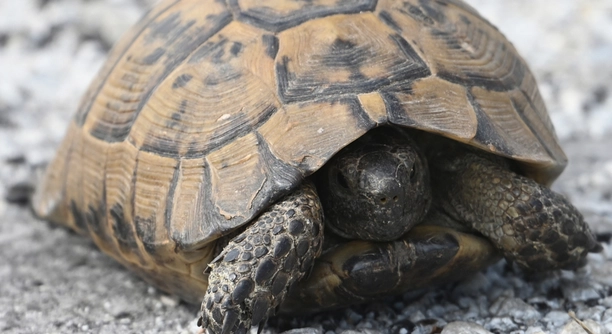
Russian tortoises are known for their unique behavior, and one common observation is their constant head movement. Understanding the cause of this behavior can help you better care for your pet and ensure its well-being. Head movement in Russian tortoises is often linked to natural behaviors such as exploring their environment, seeking food, or displaying … Read more

7 Things Russian Tortoises Should Never Eat

Russian tortoises are known for their calm nature and distinct diet preferences. As a responsible pet owner, it’s important to know what foods are safe and which ones could harm their health. Some foods can be toxic or cause digestive issues. Russian tortoises should never eat foods that are high in oxalates, such as spinach, … Read more

How to Prevent Shell Cracks in Russian Tortoises

Russian tortoises are known for their resilience, but keeping their shells healthy requires care. These reptiles need proper conditions and attention to prevent shell cracks that can be painful and dangerous for them. To prevent shell cracks in Russian tortoises, ensure they are kept in an environment with the right temperature, humidity, and diet. Providing … Read more

7 Ways to Provide Mental Stimulation for Russian Tortoises

Providing mental stimulation for your Russian tortoises is essential to their well-being. These reptiles, like other pets, thrive when they are engaged and mentally active. Offering enriching experiences keeps them happy and healthy. To keep Russian tortoises mentally stimulated, consider providing them with puzzle feeders, hiding food for them to find, and introducing safe new … Read more

How to Tell If Your Russian Tortoise Needs More Exercise

Russian tortoises are wonderful pets, but their exercise needs can sometimes be overlooked. Regular physical activity is essential for maintaining their health and well-being. Understanding how to tell if your tortoise needs more exercise is key to providing them with the best care. A lack of exercise in Russian tortoises can lead to obesity and … Read more

Why Is My Russian Tortoise’s Beak Growing Too Long?

A healthy Russian tortoise typically maintains a well-balanced beak, but if it grows too long, it can be a sign of an underlying issue. This problem can affect your tortoise’s ability to eat and thrive. Beak overgrowth in Russian tortoises is often linked to insufficient diet, lack of appropriate chewing materials, or inadequate care. A … Read more

How to Prevent a Russian Tortoise From Overheating Outdoors

Overheating can pose serious risks to a Russian tortoise when kept outdoors. It is important to understand how environmental factors affect their health and to take steps to protect them from the harmful effects of high temperatures. To prevent a Russian tortoise from overheating, provide shaded areas, ensure access to fresh water, and monitor outdoor … Read more

Why Is My Russian Tortoise’s Poop an Unusual Color?

A Russian tortoise’s health is closely linked to their diet, behavior, and environment. When their poop changes color, it may indicate an underlying issue. Understanding these signs is essential to keeping your tortoise healthy and happy. Tortoise feces may change color due to variations in their diet, hydration levels, or health conditions. In some cases, … Read more