
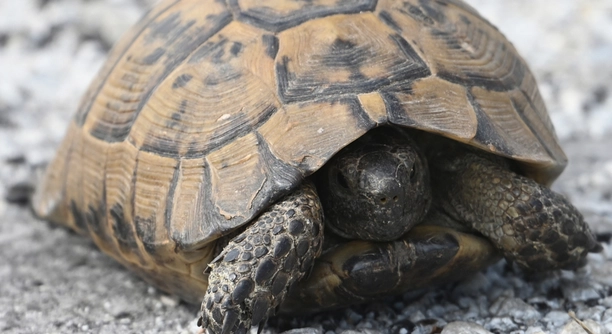
Russian tortoises are known for their resilience, but keeping their shells healthy requires care. These reptiles need proper conditions and attention to prevent shell cracks that can be painful and dangerous for them.
To prevent shell cracks in Russian tortoises, ensure they are kept in an environment with the right temperature, humidity, and diet. Providing a proper basking area and avoiding excessive humidity will help maintain their shell integrity. Regular veterinary checkups are also essential.
Taking these steps can help protect your tortoise from harm. Proper care and awareness will ensure a happy, healthy pet that thrives for years to come.
Importance of a Proper Habitat
Providing the right habitat is essential for your Russian tortoise’s health. Their enclosure should mimic their natural environment as closely as possible. A dry, warm, and sunny area is crucial for them to thrive. The temperature should be kept between 75 to 85°F during the day, with a slight drop at night. Humidity levels must be monitored, as too much moisture can contribute to shell issues, while too little can cause dehydration. A well-maintained habitat supports their overall well-being and helps prevent unnecessary stress, which could lead to shell cracks.
The basking area in their enclosure should be placed under a heat source to ensure they have access to a warm spot. This area should be around 90-95°F during the day, allowing them to regulate their body temperature and avoid potential health issues. This is essential to maintaining a healthy shell.
In addition to temperature and humidity control, the right substrate is key to avoiding shell cracks. Using materials like hay, grass, or soil that don’t retain too much moisture will give them a comfortable and natural space to move around. Make sure the enclosure is large enough for them to explore, as exercise can also promote healthy shell growth.
Diet and Nutrition
A balanced diet plays a significant role in preventing shell cracks. Russian tortoises are herbivores, so their diet should be rich in fiber and low in fat. Leafy greens, such as dandelion greens, collard greens, and mustard greens, should make up the bulk of their meals. Alongside these, adding occasional vegetables like squash and carrots provides variety without compromising their health. Avoid feeding them high-protein foods, as it can cause kidney damage over time, leading to weak shells.
The calcium-to-phosphorus ratio in their diet is also critical. Providing them with a calcium supplement, such as cuttlebone or calcium powder, can help strengthen their shell. Without proper calcium, they may develop metabolic bone disease, which can cause soft or deformed shells, making them more prone to cracking.
Ensure fresh water is always available, as hydration helps support overall health and shell maintenance. Although tortoises can go without water for a while, access to clean water should never be overlooked. Proper hydration is essential for the proper functioning of their organs and shell growth.
Regular Exercise
Tortoises need space to roam and exercise to keep their shells in good shape. Lack of movement can lead to weakened bones and shells, increasing the likelihood of cracks. Make sure your tortoise has enough room to move freely, as exercise helps strengthen their body and shell.
Enclosures should be large enough for your Russian tortoise to move around and stretch its legs. If the space is too confined, it can cause stress, leading to health problems, including shell cracking. Additionally, exercise helps them maintain a healthy weight and supports their muscles, preventing strain on the shell.
Provide some rocks or safe obstacles in their enclosure to encourage climbing and movement. This stimulates natural behavior and strengthens muscles that support their shells. Always ensure that the environment is safe and free from anything that could potentially cause injury while they explore.
Avoiding Stress
Stress is a common cause of health issues in tortoises, including shell cracks. These reptiles are sensitive to changes in their environment, so keeping things stable is key. Try to avoid sudden temperature shifts, loud noises, or any changes in their enclosure that might unsettle them.
Tortoises are naturally shy, and too much handling or disturbance can cause stress. It’s essential to let them explore their environment without constant interaction. Overhandling can lead to anxiety and weakened immune function, making them more susceptible to illness and shell damage.
Monitor their behavior regularly. Signs of stress include hiding more than usual, refusing to eat, or acting aggressively. If you notice any of these, it may be a sign that something in their environment needs to be adjusted. Consider consulting a vet if stress persists for long periods.
Regular Shell Inspections
Checking your tortoise’s shell regularly is essential to catching any potential issues early. Look for cracks, soft spots, or any signs of injury. Prompt detection helps in treating any problems before they worsen, ensuring your tortoise’s shell stays healthy.
Be thorough when inspecting the shell. Run your fingers gently over the surface to check for any abnormalities. Cracks can develop in the scutes, or the shell’s outer layers, if your tortoise’s environment or diet isn’t properly managed. Early attention to these issues can prevent further complications and long-term damage.
Providing UVB Light
UVB light is crucial for your Russian tortoise’s health, as it helps them absorb calcium properly. Without it, their shells may become weak and prone to cracking. Use a high-quality UVB light in their enclosure to simulate sunlight.
Ensure the UVB light is positioned correctly, so your tortoise can bask under it for several hours a day. The right UVB exposure supports their bone health and helps prevent metabolic bone disease, which can cause shell deformities. Regularly replace the UVB bulb every six months to maintain its effectiveness.
Hydration Matters
Adequate hydration is a key factor in preventing shell cracks. Dehydrated tortoises are more prone to shell problems, so always provide fresh water.
Offer water daily, even if your tortoise doesn’t seem thirsty. They may drink little but still benefit from the moisture, which helps maintain their shell’s integrity. It also supports digestion, further promoting overall health.
FAQ
What causes shell cracks in Russian tortoises?
Shell cracks in Russian tortoises are usually caused by poor environmental conditions, such as inadequate humidity or temperature. A lack of proper UVB lighting, poor diet, and stress can also contribute to weak shells, making them more susceptible to cracks. Handling them too roughly or placing them in small enclosures can also put pressure on their shells, causing damage over time. It’s important to maintain a balanced habitat that promotes their health to prevent these issues.
How can I prevent shell cracks in my tortoise?
Preventing shell cracks starts with providing a stable environment. Ensure your tortoise has access to UVB light, a proper temperature gradient, and humidity levels appropriate for its species. A healthy, balanced diet with adequate calcium is also key to maintaining a strong shell. Additionally, regular exercise and stress reduction will help keep your tortoise in good health. Proper shell inspections and veterinary checkups are essential to catch any issues early.
How do I know if my tortoise’s shell is cracked?
Inspect your tortoise’s shell regularly for any visible cracks, soft spots, or changes in texture. Gently run your fingers along the scutes (the plates that make up the shell) to feel for any abnormalities. Cracks may appear as small lines or dents, and soft spots could indicate a more severe issue like metabolic bone disease. If you notice anything unusual, consult a veterinarian immediately for proper diagnosis and treatment.
Can I fix a cracked shell on my own?
While minor cracks might heal naturally with the proper care, it’s always best to consult a veterinarian. They can assess the severity of the crack and advise on whether any treatment is necessary. In some cases, a cracked shell can lead to infection, and proper medical attention is required to avoid further complications. Never attempt to treat a cracked shell with home remedies without professional advice.
How often should I check my tortoise’s shell for damage?
It’s recommended to check your tortoise’s shell at least once a week. Regular inspections help you spot early signs of cracks or infections before they worsen. Pay close attention to any changes in behavior, such as reduced movement or eating, which may indicate shell problems. Early detection is key to preventing serious health issues.
Does diet affect shell health?
Yes, diet plays a significant role in maintaining a healthy shell. A lack of calcium can lead to soft or weak shells that are more prone to cracking. Make sure to provide a variety of leafy greens, high-fiber vegetables, and occasional calcium supplements like cuttlebone. Avoid foods that are high in phosphorus or oxalates, as they can interfere with calcium absorption. A balanced diet is essential for a strong, resilient shell.
What are the signs of stress in a Russian tortoise?
Signs of stress in a Russian tortoise include hiding excessively, refusing to eat, and showing aggressive behavior. Stress can also manifest as excessive pacing, lethargy, or abnormal breathing. Environmental changes, handling, or social disruption can cause stress. If your tortoise exhibits these signs, it’s important to address the stressor and create a calmer, more stable environment.
How much space does a Russian tortoise need?
A Russian tortoise needs plenty of space to roam. A minimum of 4×8 feet of space is recommended for an adult, but larger enclosures are always better. Adequate space encourages natural behavior, promotes exercise, and helps prevent stress. If kept in a small enclosure, your tortoise may experience physical and psychological stress, which can negatively affect its health and shell condition.
What should I do if my tortoise’s shell becomes soft?
If your tortoise’s shell becomes soft, it may be a sign of metabolic bone disease, which is caused by calcium deficiency or improper UVB lighting. This condition can lead to deformities and make the shell more fragile. It’s essential to consult a veterinarian immediately if you notice any soft spots. They may recommend dietary changes, calcium supplements, or adjustments to your tortoise’s habitat to address the issue.
How long does it take for a tortoise’s shell to heal after cracking?
The healing time for a cracked shell depends on the severity of the injury and the care provided. Minor cracks may begin to heal within a few weeks with proper care, but deeper cracks could take several months. It’s important to ensure your tortoise receives the right environmental conditions, diet, and any necessary medical treatment to support the healing process. Always follow your vet’s advice to ensure proper recovery.
Can a tortoise’s shell regrow if it’s completely broken?
No, a tortoise’s shell does not regrow if it’s completely broken. The shell is made up of bone and keratin, and while it can heal over time with the proper care, it cannot fully regenerate if it’s severely damaged. If your tortoise suffers a major shell injury, seek veterinary care immediately. In some cases, shell repair may involve surgical intervention or the use of a prosthetic shell.
Final Thoughts
Taking care of a Russian tortoise requires attention to detail, especially when it comes to the health of their shells. A healthy shell is crucial for their overall well-being, as it serves as both protection and support for their body. By providing proper care, you can help prevent cracks and ensure that your tortoise remains strong and active. Monitoring their environment, diet, and behavior plays a significant role in keeping their shell healthy.
Prevention is always better than treatment when it comes to shell issues. Maintaining the right temperature, humidity, and lighting in their habitat is essential for promoting good health. Proper UVB lighting, in particular, helps your tortoise absorb calcium and maintain a strong shell. Regular inspections will also help you catch any potential problems early, allowing you to address them before they become more serious. By keeping an eye on your tortoise’s behavior and environment, you can prevent many common shell problems.
If you do notice any signs of shell damage, it’s important to act quickly. While some minor cracks may heal naturally, it’s best to consult with a veterinarian for more serious issues. A vet can offer the right treatment to ensure your tortoise recovers fully. Taking care of your Russian tortoise’s shell health doesn’t have to be complicated, but it does require attention. With the right care, you can help your tortoise lead a healthy, happy life.

Hello,
If you enjoy the content that we create, please consider saying a "Thank You!" by leaving a tip.
Every little bit helps us continue crafting quality advice that supports the health, happiness, and well-being of pets around the world, for pets of all shapes, sizes, and species.
We really appreciate the kindness and support that you show us!