
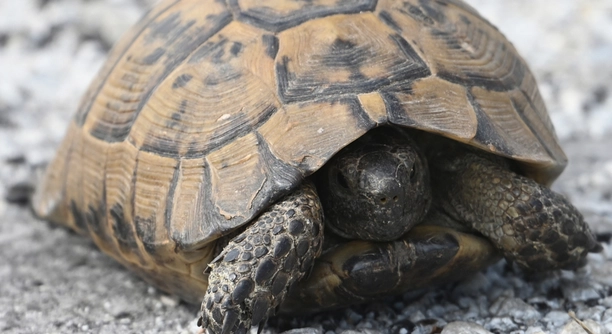
Russian tortoises are known for their unique behavior, and one common observation is their constant head movement. Understanding the cause of this behavior can help you better care for your pet and ensure its well-being.
Head movement in Russian tortoises is often linked to natural behaviors such as exploring their environment, seeking food, or displaying curiosity. This behavior may also be a sign of stress, health issues, or territoriality. Understanding these signs can guide you in proper care.
These insights will help you understand the reasons behind this behavior and assist in maintaining your tortoise’s overall health and happiness.
Natural Behavior and Exploration
Russian tortoises are naturally curious creatures, often using head movements to explore their surroundings. They may tilt, bob, or swing their heads to examine objects, spaces, or food. This head movement is a sign that your tortoise is learning about its environment. It’s part of their instinct to survey and assess everything around them, which helps them feel secure in their habitat. If you notice your tortoise moving its head while in its enclosure, it is likely trying to understand the layout of its space or track the scent of food.
However, it’s important to observe if this behavior occurs in a repetitive or constant manner. In many cases, head movement is a temporary action as the tortoise explores. But if it becomes excessive or is paired with other unusual behaviors, it might indicate a deeper issue.
It is beneficial to ensure your tortoise has enough space to move around and explore freely. Providing enrichment such as new objects or hiding places can also help reduce repetitive head movements.
Stress and Anxiety
Stress is another factor that may cause constant head movement. If your tortoise feels threatened, confined, or uncomfortable in its environment, it may begin to move its head frequently as a sign of distress. This behavior can be triggered by a variety of factors, including sudden changes in the enclosure, unfamiliar people or pets, or inappropriate temperatures.
Temperature fluctuations are particularly problematic for Russian tortoises. They need a stable temperature to feel comfortable and to maintain their health. If your tortoise’s habitat is too cold or too hot, it may exhibit signs of stress such as constant head movement, pacing, or hiding. It’s crucial to regularly check the temperature and ensure it is in the ideal range of 75°F to 85°F during the day, with a slight drop at night.
Stress can also occur if your tortoise is not getting enough interaction. While they are independent animals, they still require consistent care and attention. You can reduce stress by providing a quiet, peaceful environment and avoiding sudden disruptions.
Health Issues
Head movement in Russian tortoises can sometimes signal an underlying health issue. If your tortoise is constantly moving its head in a repetitive or jerky manner, it may indicate respiratory infections, neurological problems, or even parasites. These health conditions can cause discomfort, affecting the tortoise’s behavior.
Respiratory infections are a common problem and may present other symptoms such as wheezing, nasal discharge, or lethargy. If these signs are present alongside excessive head movement, it’s important to seek veterinary care. A proper diagnosis can help address the root cause and prevent further complications. Additionally, tortoises with neurological issues may also exhibit unusual head movements due to pain or disorientation.
A veterinarian can offer the necessary treatment and guide you on how to adjust your tortoise’s care routine to ensure they stay healthy. Regular health checks can prevent many of these issues from becoming serious.
Temperature and Humidity
Temperature plays a critical role in a Russian tortoise’s behavior. A drastic change in its environment, whether too hot or too cold, can result in head movements as a stress response. It’s important to maintain consistent temperatures in the enclosure, ideally between 75°F and 85°F during the day, with a slight drop at night.
Humidity is another factor that can cause discomfort. Russian tortoises thrive in a dry environment with low humidity. Excess moisture can affect their respiratory health and lead to abnormal behaviors, including head bobbing or shaking. Monitoring humidity levels and ensuring proper ventilation can keep your tortoise comfortable.
Maintaining the right temperature and humidity not only prevents head movements but also helps ensure your tortoise’s overall well-being. It’s essential to invest in a reliable thermometer and hygrometer to monitor these conditions and make adjustments as needed.
Inadequate Diet
An improper diet can lead to various behavioral changes in a Russian tortoise, including constant head movement. If the tortoise is not getting the nutrients it needs, it may display signs of hunger or frustration, which can manifest as repetitive head movements.
A lack of calcium, for example, can lead to a condition known as metabolic bone disease, which can affect the tortoise’s motor skills and cause abnormal behaviors. Make sure your tortoise’s diet consists of a variety of leafy greens, vegetables, and appropriate supplements to prevent nutrient deficiencies.
Providing fresh food daily and ensuring proper calcium intake can help avoid these issues.
Poor Enclosure Setup
A poorly designed enclosure can cause stress and lead to constant head movement in Russian tortoises. If your tortoise feels confined or unable to express its natural behaviors, it may exhibit repetitive actions as a sign of frustration.
Tortoises need a spacious enclosure with both hiding spots and room to roam. A lack of proper lighting or warmth can also cause discomfort, leading to abnormal behavior like excessive head movement. It’s important to ensure your tortoise has an environment that mimics its natural habitat. This will help reduce stress and promote healthier behaviors.
Handling and Interaction
Excessive handling can be another factor leading to head movement in Russian tortoises. These animals are naturally independent and may become stressed if constantly picked up or disturbed. Overhandling can lead to a range of behaviors, including rapid head movement or even hiding more frequently.
To minimize this, allow your tortoise to adjust to its environment without constant interference. You can spend time observing it or offering food to create positive associations with human interaction, but avoid excessive contact. This will help reduce stress and ensure your tortoise feels secure in its space.
FAQ
Why does my Russian tortoise bob its head up and down?
Head bobbing in Russian tortoises can be a natural behavior, often seen when they are exploring or attempting to communicate. They may bob their heads to assess their environment or track food scents. However, if the bobbing becomes excessive or jerky, it may signal stress or health concerns, such as respiratory issues or neurological problems. It’s important to observe whether there are other symptoms, like lethargy or nasal discharge, and consult a veterinarian if necessary.
Is it normal for my Russian tortoise to move its head constantly?
Constant head movement is not always normal. If it’s happening frequently, it could indicate stress, discomfort, or a health issue. Tortoises may move their heads to explore, but if it’s prolonged or repetitive, check the temperature, humidity, and diet. Ensure that the tortoise’s enclosure is set up properly, as poor conditions can lead to distress. It’s also worth noting that changes in the tortoise’s behavior may be due to illness, so regular health checkups are essential.
Can head movement be a sign of respiratory infection?
Yes, head movement can be an indicator of a respiratory infection. Respiratory infections in tortoises are often accompanied by other signs like wheezing, nasal discharge, and a decrease in appetite. If your tortoise is frequently moving its head, along with these symptoms, it’s a good idea to have it examined by a veterinarian. Early detection and treatment of respiratory infections are crucial for the tortoise’s recovery.
How do I know if my tortoise is stressed?
Signs of stress in Russian tortoises can vary, but excessive head movement is one common symptom. Other indicators include hiding more than usual, reduced eating, or rapid breathing. Stress can be caused by many factors, such as sudden changes in the environment, poor habitat conditions, or excessive handling. It’s important to maintain a stable temperature, provide a balanced diet, and minimize disturbances in the tortoise’s habitat to prevent stress.
What can I do to reduce head movement in my Russian tortoise?
To reduce head movement, first assess your tortoise’s environment. Ensure that the temperature and humidity levels are within the ideal range, with a warm basking spot and a cooler area. Make sure the enclosure is large enough to allow movement, and provide hiding spaces to make your tortoise feel secure. Additionally, avoid overhandling, and try to maintain a consistent daily routine. If stress or illness is suspected, addressing the root cause with a vet’s help will be key.
Does my tortoise’s diet affect head movement?
A poor diet can indeed affect your tortoise’s behavior. If it is not getting the right balance of nutrients, particularly calcium and vitamins, it could lead to health problems that might result in abnormal behavior like head movement. Metabolic bone disease, which is often linked to calcium deficiencies, can cause motor issues, including jerky head movements. Offering a variety of leafy greens, vegetables, and calcium supplements will help ensure your tortoise stays healthy and active.
Could improper lighting cause excessive head movement?
Yes, improper lighting can cause stress in Russian tortoises. They require UVB light to help metabolize calcium and maintain healthy bone structure. If the lighting is inadequate, it could lead to discomfort or health issues, which may manifest in abnormal behaviors such as excessive head movement. It’s important to use proper UVB lights that mimic natural sunlight and ensure your tortoise has access to both heat and light during the day.
How can I tell if my tortoise is healthy?
A healthy tortoise will display normal, calm behavior, with steady movements and clear eyes. It will be active, eating regularly, and not excessively moving its head or showing other signs of discomfort. Regular health checkups with a vet are important, as they can detect underlying health issues early on. Healthy tortoises maintain good posture, a clean shell, and proper eating habits. If you notice changes in behavior, like excessive head movement, consult with a veterinarian to ensure your tortoise is in good health.
Why is my Russian tortoise pacing and moving its head?
Pacing combined with head movement may indicate that your tortoise is feeling anxious or stressed. This could be due to a small enclosure, inappropriate temperatures, or other environmental factors. Tortoises pace when they are uncomfortable or want to explore, so it’s crucial to make sure their habitat is large enough and meets their environmental needs. If pacing and head movement continue, check for signs of illness or consult a veterinarian for advice.
Can I reduce head movement by changing my tortoise’s environment?
Yes, changing your tortoise’s environment can help reduce excessive head movement if it’s due to stress or discomfort. Ensure the enclosure is spacious and includes hiding spots for security. Keep the temperature stable, with a warm basking area and cooler spaces. A clean, calm environment with minimal disturbances will help your tortoise feel safe and less stressed, which may reduce abnormal head movements.
Final Thoughts
Understanding why your Russian tortoise is constantly moving its head is key to ensuring its health and well-being. Head movements can be a natural part of their behavior, especially when they are exploring their environment or seeking food. However, when this behavior becomes excessive or repetitive, it may be a sign that something is wrong. Stress, improper enclosure conditions, or an inadequate diet can all contribute to abnormal head movement. Monitoring your tortoise’s habits closely can help you spot any issues early and take action to correct them.
Providing the right environment for your tortoise is one of the most important steps in preventing abnormal behaviors. Ensure your tortoise has enough space to move around freely, with a proper balance of light, heat, and humidity. If your tortoise is housed in a cramped or uncomfortable space, it may display signs of stress, such as constant head movement. By making sure the enclosure mimics its natural habitat, you can help your tortoise feel more secure and less likely to engage in repetitive movements. Additionally, maintaining a regular routine and minimizing handling can reduce stress.
If your tortoise continues to exhibit unusual head movement, it may be time to consult a veterinarian. Head movement can sometimes be linked to health problems, such as respiratory infections or metabolic bone disease, both of which require prompt medical attention. It’s important not to ignore changes in behavior, as early intervention can prevent more serious issues down the road. Regular vet checkups and a well-balanced diet will go a long way in keeping your tortoise healthy and happy. By paying attention to the signs and making adjustments as needed, you can ensure that your Russian tortoise leads a long, healthy life.

Hello,
If you enjoy the content that we create, please consider saying a "Thank You!" by leaving a tip.
Every little bit helps us continue crafting quality advice that supports the health, happiness, and well-being of pets around the world, for pets of all shapes, sizes, and species.
We really appreciate the kindness and support that you show us!