
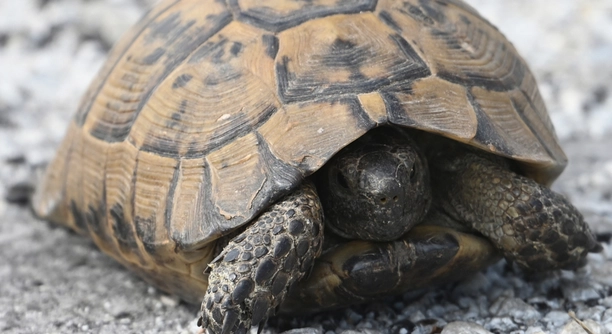
Russian tortoises are known for their calm nature and distinct diet preferences. As a responsible pet owner, it’s important to know what foods are safe and which ones could harm their health. Some foods can be toxic or cause digestive issues.
Russian tortoises should never eat foods that are high in oxalates, such as spinach, or foods that contain excessive sugars, such as fruits. Additionally, avoid giving them lettuce varieties like iceberg lettuce, as it has little nutritional value and can cause diarrhea.
By keeping these dangerous foods off your tortoise’s plate, you help ensure their long-term health. Learning which foods are best for them is essential for a happy, healthy pet. Let’s explore these harmful foods and why they should be avoided.
Spinach and Other Oxalate-Rich Vegetables
Spinach, while healthy for humans, can be harmful to Russian tortoises due to its high oxalate content. Oxalates bind with calcium in the tortoise’s body, preventing proper absorption of this essential nutrient. Over time, this can lead to calcium deficiencies and related health problems, such as soft shells and weakened bones. While feeding a small amount of spinach occasionally might not cause immediate harm, it is better to avoid it altogether to maintain the tortoise’s health in the long run.
Many other leafy greens, like chard and beet greens, also contain high levels of oxalates. It’s important to know which vegetables pose risks and to choose safer options instead. Stick to safe leafy greens like dandelion greens, kale, or collard greens, which are packed with essential nutrients without the negative effects of oxalates.
The balance of nutrients in your tortoise’s diet is crucial. Offering a variety of vegetables helps ensure they get the necessary vitamins and minerals. Making careful choices about which foods to include will keep your pet’s bones and shell strong.
Lettuce Types to Avoid
Iceberg lettuce should be strictly avoided for Russian tortoises.
While it may seem harmless, it provides very little nutritional value and can cause digestive problems. The high water content can lead to diarrhea, which can disrupt the tortoise’s digestion and hydration. Stick to more nutritious leafy greens that provide the necessary nutrients your tortoise needs.
Some other types of lettuce, such as Romaine lettuce, are fine in moderation, but iceberg lettuce is best kept out of their diet. Consistently feeding your tortoise foods with high water content and low nutrition could lead to malnutrition. Instead, focus on offering well-balanced meals with a variety of appropriate greens, vegetables, and other tortoise-safe foods for optimal health.
Fruits with High Sugar Content
Fruits, while tasty and nutritious for humans, should be limited in a Russian tortoise’s diet due to their high sugar content. Excessive sugar can lead to obesity, digestive issues, and even liver problems over time. Feeding fruits like grapes, bananas, and apples too frequently can upset the balance of their diet.
Fruits such as berries, melons, and peaches are safer alternatives and can be offered in moderation. The key is to provide a variety of vegetables and greens as the main part of their diet, with fruits as an occasional treat. Remember, their digestive system is not equipped to handle large amounts of sugar.
While it’s tempting to share your favorite fruits with your tortoise, it’s best to prioritize more balanced foods. A diet focused on leafy greens, grass, and flowers is ideal. Overindulging in sugary fruits can cause long-term harm to their health, so stick to healthier food choices and ensure their overall well-being.
Dairy and Processed Foods
Dairy products should never be offered to Russian tortoises.
Their digestive systems are not designed to process dairy, and doing so can lead to severe stomach issues, such as bloating or diarrhea. Processed foods are equally problematic, as they often contain additives, preservatives, or artificial ingredients that can harm your tortoise’s health.
Processed foods, including pet treats that are not specifically designed for reptiles, should be avoided entirely. Instead, focus on whole, natural foods that align with a tortoise’s dietary needs. Offering fresh, unprocessed greens and vegetables will keep your tortoise healthy and free from digestive complications. Avoiding dairy and processed foods will contribute to their overall health.
Avocado
Avocado contains a substance called persin, which is toxic to many animals, including Russian tortoises. Even small amounts can cause harm, leading to heart problems, digestive distress, or even death. It’s important to keep this fruit completely out of their diet for their safety.
While it might seem like a healthy food choice for humans, avocado is not suitable for reptiles. The flesh, skin, and pit of the fruit all contain persin, which should never be fed to tortoises. Always double-check the foods you offer to ensure they are safe and non-toxic.
Instead, offer other tortoise-safe fruits, such as berries, in moderation. These will provide variety without risking your tortoise’s health.
Iceberg Lettuce
Iceberg lettuce has little nutritional value and can lead to digestive issues in Russian tortoises.
Its high water content may cause diarrhea, affecting the balance of your tortoise’s digestive system. Stick to leafy greens like dandelion greens or collard greens for a healthier diet.
Cabbage
Cabbage can be given to Russian tortoises, but only in moderation.
It contains goitrogens, which can interfere with thyroid function if consumed too frequently. Offering cabbage occasionally alongside other leafy greens will provide variety without posing any harm to your tortoise’s health.
FAQ
What should I feed my Russian tortoise?
Russian tortoises thrive on a diet primarily consisting of leafy greens, grasses, and a variety of safe vegetables. Offer dandelion greens, kale, collard greens, and parsley. You can also include edible flowers like hibiscus, clover, and plantain leaves. Vegetables such as carrots, bell peppers, and squash can be provided occasionally. These foods provide the necessary nutrients, vitamins, and fiber for your tortoise’s health. Avoid feeding them high-protein foods or fruits too often, as these can cause imbalances in their digestive system and overall well-being.
Can I feed my tortoise fruits?
While fruits can be offered, they should only be fed in small amounts. Due to their high sugar content, fruits like apples, strawberries, and grapes can cause digestive issues or lead to obesity if given too frequently. It’s best to limit fruits to an occasional treat, ensuring they don’t make up a large portion of your tortoise’s diet. Stick to safe fruits like berries and melons, and be sure to remove any seeds or pits that could pose a choking hazard.
Can I give my Russian tortoise treats?
Treats can be provided, but they should not replace their main diet of greens and vegetables. Commercial tortoise treats can be high in sugars or preservatives, so it’s best to stick to natural options. Offering small amounts of safe flowers like dandelions or clover can be a great treat, as they are not only healthy but also mimic a tortoise’s natural environment. Always avoid giving your tortoise processed snacks, dairy, or human junk food, as these can be harmful to their digestive system.
Is it safe to feed my tortoise pellets?
Tortoise pellets can be used as a supplement but should not be relied upon as the primary source of nutrition. Many commercially available pellets contain fillers, preservatives, or additives that may not provide the same level of nutrition as fresh, whole foods. If you choose to use pellets, ensure they are specifically made for Russian tortoises and do not contain artificial ingredients. Pellets can be helpful for occasional feeding, but a varied, fresh diet should always be the focus.
How often should I feed my Russian tortoise?
Russian tortoises are typically fed every other day, although the frequency can vary depending on age, activity level, and health. Hatchlings and younger tortoises tend to eat more frequently, while adults can be fed every two days. It’s important to monitor their appetite and adjust feeding schedules based on their individual needs. Ensure fresh water is available at all times, and remove any uneaten food to avoid spoilage. Overfeeding can lead to obesity, so always ensure portions are appropriate for your tortoise’s size.
Can I feed my tortoise iceberg lettuce?
Iceberg lettuce should be avoided as it offers little nutritional value and can cause digestive problems. It’s made mostly of water and lacks essential nutrients. Feeding it regularly can lead to diarrhea and dehydration in your tortoise. Stick to other leafy greens like romaine lettuce, collard greens, or dandelion greens, which provide more nutritional benefits.
Is it safe to feed my Russian tortoise spinach?
Spinach should be offered in moderation. Due to its high oxalate content, spinach can bind with calcium, preventing proper absorption and potentially leading to calcium deficiencies over time. It’s best to limit spinach in their diet and opt for other leafy greens that provide more balanced nutrients. If you do feed spinach, it should be only an occasional treat rather than a staple.
Can I feed my Russian tortoise cabbage?
Cabbage can be fed occasionally, but it should not be a regular part of your tortoise’s diet. It contains goitrogens, substances that can interfere with thyroid function if consumed in large quantities. Giving cabbage as a treat in small amounts won’t harm your tortoise, but offering a variety of other vegetables is a better choice for long-term health.
What should I avoid feeding my Russian tortoise?
There are several foods that should be avoided completely. These include avocado, as it contains persin, which is toxic to many animals, including tortoises. Iceberg lettuce, dairy products, processed foods, and foods high in oxalates like spinach and rhubarb should also be avoided. Additionally, avoid feeding them meat, as tortoises are herbivores and cannot digest animal proteins properly. Stick to fresh, natural vegetables, leafy greens, and safe flowers for the best diet.
Can my tortoise eat flowers?
Yes, many flowers are safe for Russian tortoises and can be a great addition to their diet. Edible flowers like hibiscus, clover, dandelions, and marigolds are safe and provide additional nutrients. Always ensure the flowers you provide are pesticide-free and safe for consumption. Avoid flowers from commercial florist bouquets, as they may be treated with chemicals. When offering flowers, ensure they are fresh and free from contaminants.
Final Thoughts
Ensuring the health of your Russian tortoise involves paying close attention to their diet. While these reptiles are relatively hardy, providing the right foods is crucial for their well-being. A balanced diet of leafy greens, safe vegetables, and occasional fruits will keep your tortoise healthy and thriving. Avoid feeding them harmful foods like avocado, iceberg lettuce, and high-sugar fruits. These can lead to digestive issues, obesity, or other health problems that can shorten their lifespan. By offering a variety of safe, fresh foods, you can help your tortoise maintain a balanced and healthy diet.
In addition to offering the right foods, it’s important to monitor how much you feed your tortoise. Overfeeding, especially of high-calcium vegetables or fruits, can cause issues like obesity. You should feed your tortoise in moderation, keeping an eye on their weight and overall health. Fresh water should always be available, as hydration is just as important as food. You can also supplement their diet with occasional treats like safe flowers, but these should not replace their main food sources. Providing variety, while sticking to healthy options, ensures that your tortoise gets the necessary nutrients.
Ultimately, understanding what your Russian tortoise can and cannot eat is vital. Their digestive system is sensitive, and feeding them unsuitable foods can cause long-term damage. If you’re ever unsure about a food item, it’s always best to do some research or consult with a veterinarian specializing in reptiles. Creating a safe and appropriate feeding routine, along with proper care and regular health checks, will ensure your tortoise lives a long, healthy life.

Hello,
If you enjoy the content that we create, please consider saying a "Thank You!" by leaving a tip.
Every little bit helps us continue crafting quality advice that supports the health, happiness, and well-being of pets around the world, for pets of all shapes, sizes, and species.
We really appreciate the kindness and support that you show us!