Can Koi Fish Heal From Injuries? (How to Help)

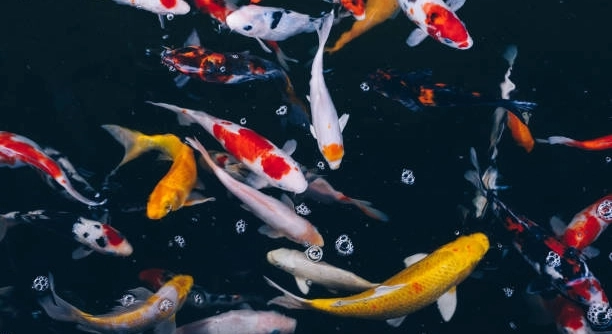
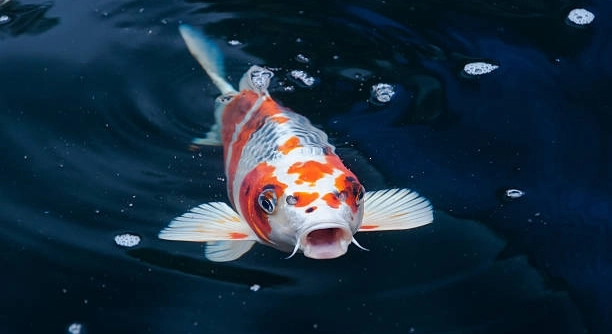
Koi fish are beautiful and peaceful creatures that many people enjoy keeping in their ponds. Like any living animal, they can sometimes get hurt or injured. Understanding how these fish heal and what you can do to support them is important for their wellbeing. Koi fish have the ability to heal from certain injuries, depending … Read more

7 Reasons Why Your Koi Fish Might Be Lonely (+How to Help)

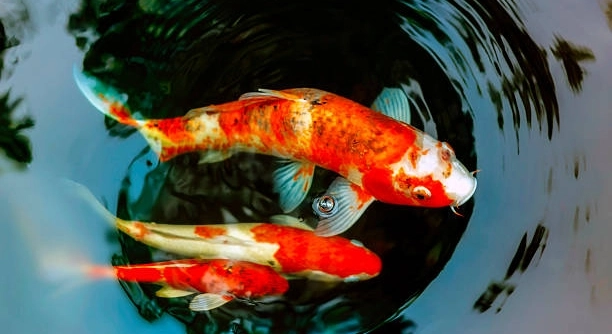
Koi fish are popular pets known for their beauty and peaceful nature. Many koi owners enjoy watching them swim and grow. However, koi can sometimes show signs of loneliness that affect their behavior and health. Koi fish may become lonely due to isolation, lack of companionship, or insufficient environmental stimulation. Loneliness can lead to stress, … Read more

7 Ways Koi Indicate Comfort With Their Space

Koi are known for their graceful movements and vibrant colors. Observing their behavior can reveal much about how comfortable they feel in their environment. Their actions often indicate a sense of security and ease within their space. Koi indicate comfort through specific behaviors such as slow swimming, surface feeding, relaxed body posture, exploring the environment, … Read more

How to Prevent Koi From Scratching Their Gills

Do you ever find yourself worried when your koi start rubbing or flashing against the pond walls and bottom? It can be concerning to see them in discomfort or acting differently from their usual calm behavior. Preventing koi from scratching their gills involves maintaining excellent water quality, performing regular parasite checks, and minimizing environmental stressors. … Read more

How to Treat Koi Fish With Split Fins

Koi fish are popular pond pets known for their bright colors and graceful movements. Sometimes, they develop a condition called split fins, which affects their tail and fins. This can cause discomfort and affect their swimming ability. Split fins in koi fish result from fin damage or bacterial infections, leading to torn or ragged fin … Read more

7 Problems Linked to Poor Pond Maintenance

Ponds add beauty and tranquility to any outdoor space. Maintaining them properly is important to keep the water clear and the ecosystem healthy. Poor pond maintenance can lead to a range of issues affecting both appearance and wildlife. Poor pond maintenance often results in problems such as algae overgrowth, water quality decline, unpleasant odors, clogged … Read more

7 Important Winter Tips for Outdoor Koi Ponds

Outdoor koi ponds require special care during winter to keep the fish healthy and the environment stable. Cold weather can affect water quality and koi behavior. Proper preparation helps avoid common problems throughout the cold months. Maintaining an outdoor koi pond in winter involves monitoring water temperature, preventing ice buildup, ensuring proper oxygen levels, and … Read more

7 Things That Can Harm Koi Fish Quickly

Are your koi fish showing signs of stress or illness, even though you think you’re doing everything right in their care routine? Koi fish can be harmed quickly by sudden water changes, poor water quality, overcrowding, parasites, inadequate filtration, temperature fluctuations, and improper feeding. These issues can lead to rapid health decline if not addressed … Read more

7 Signs Your Koi Fish Likes You (+What to Look For)

Koi fish are popular pets known for their bright colors and graceful swimming. Many koi owners enjoy watching their fish and wonder if their koi can recognize or like them. Understanding koi behavior helps build a stronger bond with these beautiful creatures. Koi fish show affection through behaviors like following their owner, coming to the … Read more

7 Things Koi Anticipate From Your Routine

Koi are more than just colorful fish in a pond. They respond to daily care and habits, forming expectations from their environment and routine. Understanding these needs helps keep them healthy and comfortable. Koi anticipate consistent feeding times, clean water, gentle interaction, appropriate temperature, adequate space, hiding spots, and stable routines. These factors contribute to … Read more