
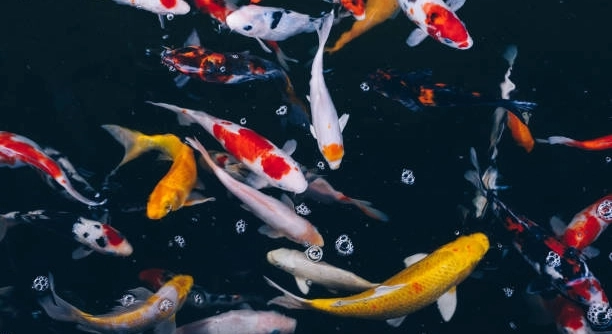
Are your koi fish showing signs of stress or illness, even though you think you’re doing everything right in their care routine?
Koi fish can be harmed quickly by sudden water changes, poor water quality, overcrowding, parasites, inadequate filtration, temperature fluctuations, and improper feeding. These issues can lead to rapid health decline if not addressed promptly and carefully.
Knowing what to watch for can help you create a healthier, safer environment for your koi to thrive in each day.
Sudden Water Changes
Rapid water changes can shock koi fish and weaken their immune system. They adjust slowly to their environment, so when temperature, pH, or other parameters shift too quickly, it puts stress on their body. Even if the water looks clean, drastic changes—like adding too much treated tap water at once—can do more harm than good. Koi thrive in stable conditions, and small, consistent adjustments are best. A sudden drop in temperature or spike in ammonia levels can lead to lethargy, loss of appetite, or worse. Always test the water before adding anything new and monitor closely afterward. Using a dechlorinator helps with chlorine issues, but it won’t fix everything. Try to change only 10-20% of the water at a time and make sure the new water is close in temperature and quality. Staying gentle with their environment is the best way to avoid putting unnecessary stress on your koi.
Even a well-intentioned large water change can throw your koi off balance if not done gradually and with care.
A safe approach is to change smaller portions of water weekly rather than doing a major clean all at once. This helps maintain balance and supports long-term koi health.
Poor Water Quality
Poor water quality leads to more problems than you might think. High ammonia, nitrite, or nitrate levels can be toxic, even in small amounts. These substances build up from leftover food, waste, and decaying plant material. If filtration isn’t strong enough, or if you don’t clean the pond regularly, these harmful compounds can rise quickly. Clear water isn’t always safe water—so testing weekly is key. An easy mistake is overfeeding, which leaves behind waste that boosts toxin levels. Invest in a quality water test kit, and always rinse filter media in pond water, not tap water. Beneficial bacteria take time to build up in a pond’s ecosystem and help break down toxins safely. Try to maintain a consistent cleaning schedule without disrupting the balance. A few minutes of routine care can go a long way. When water conditions are off, koi can show signs like gasping, clamped fins, or unusual swimming behavior.
Overcrowding
Too many koi in one pond can lead to stress, poor water quality, and limited oxygen. Koi need space to swim, grow, and breathe. Crowding increases competition for food and spreads disease faster among the fish.
When koi don’t have enough space, they become more aggressive or withdrawn, and their growth may slow. Overcrowding puts extra strain on your filtration system, making it harder to keep water conditions stable. You’ll also notice more waste build-up, which raises ammonia and nitrite levels. A good rule is to provide at least 250 gallons of water per adult koi. If your pond is smaller or you’re raising younger fish, plan for future growth. You can reduce overcrowding by adding an additional pond or relocating some koi. Regular headcounts and checking for fry (baby koi) can help you stay ahead. More room means less stress, healthier koi, and easier maintenance in the long run.
Make sure to observe your koi for signs of crowding. Fast breathing, hiding more often, and frequent chasing can all point to limited space. These signs are easy to miss if you’re not watching closely. Giving them more room often leads to better behavior and stronger immunity overall.
Parasites and Infections
Parasites and bacterial infections can spread quickly in koi ponds, especially when water quality or fish health is already compromised. Common signs include rubbing against surfaces, visible spots or ulcers, and staying near the water surface.
If left untreated, parasites like flukes or anchor worms can damage gills and skin, leading to infection or death. Infections often follow when the skin is broken or immunity drops. Even clean-looking ponds aren’t safe without regular monitoring. Quarantine new koi before adding them to your pond, and avoid sharing nets or tools between tanks. A microscope can help diagnose some issues if you’re familiar with using one. Otherwise, a vet specializing in aquatic animals may need to help. Treatments include salt baths, medicated food, or pond-safe medications. Always follow dosing instructions carefully. Catching signs early is key—waiting too long can mean it’s already spread, making it harder to treat and risking your whole pond.
Inadequate Filtration
A weak or clogged filter can quickly turn a healthy pond into a stressful environment for koi. Filters remove waste and help control toxins, so if they stop working properly, the water can become unsafe fast.
Check your filters regularly and clean them without killing beneficial bacteria. Avoid overcleaning or using tap water directly.
Temperature Fluctuations
Koi fish are sensitive to sudden changes in water temperature. Quick shifts can weaken their immune system and leave them vulnerable to disease. Seasonal transitions and shallow ponds are common causes. Try to maintain stable conditions, especially during early spring and late fall.
Improper Feeding
Feeding koi the wrong food or too often can upset their digestion and pollute the water. Choose a high-quality food suited to the season and size of your koi. Always remove uneaten food to help keep the pond clean.
FAQ
How often should I test my koi pond water?
You should test your pond water at least once a week. Pay close attention to ammonia, nitrite, nitrate, and pH levels. If you’ve recently added new fish, changed filters, or done a large water change, test more frequently. Testing helps you catch problems early before they affect your koi. A good-quality test kit will give more accurate results than test strips. Also, don’t forget to test the water temperature and oxygen levels, especially during the warmer months, when oxygen drops and stress increases. Consistent monitoring keeps your pond stable and your fish healthy.
What’s the ideal temperature range for koi?
Koi thrive in water between 65°F and 75°F (18°C–24°C). They can survive in colder or warmer conditions, but rapid swings in temperature can cause stress and illness. In winter, they enter a dormant state and need less food. In summer, if water gets too warm, oxygen drops, and koi may gasp at the surface. Always avoid sudden temperature changes. If you have a shallow pond or live in a region with extreme weather, consider using a pond heater or shade cover to help regulate temperature and protect your fish.
How can I safely introduce new koi to my pond?
Quarantine new koi for at least 2–3 weeks before adding them to your main pond. This gives you time to observe for signs of illness or parasites. Keep them in a separate, well-filtered tank with similar water conditions. During this period, monitor eating habits, behavior, and overall health. Do not skip quarantine, even if the koi come from a trusted source. Adding new fish directly to the pond can bring in parasites or bacteria that may infect your current koi population. Once the quarantine period is over, slowly acclimate them to your pond’s temperature and water.
Why are my koi staying at the bottom of the pond?
Koi that remain at the bottom may be stressed, cold, or sick. In winter, this behavior is normal—they go dormant and conserve energy. But if it’s not cold and they’re not eating or interacting, something may be wrong. Poor water quality, parasites, or oxygen issues could be the cause. Check your water parameters first. If everything looks fine, observe for other signs like clamped fins, sores, or flashing. A fish health expert can help if you’re unsure. Always act quickly—koi often hide illness until it becomes serious.
Can I use tap water in my koi pond?
Tap water is okay to use only if it’s treated first. Most tap water contains chlorine or chloramine, which can be deadly to koi. Always use a water conditioner or dechlorinator that works on both. If you’re topping off the pond, small amounts may not seem harmful, but repeated exposure adds up. For larger water changes, match the temperature and pH of the new water to the pond. After adding water, retest your parameters to ensure it’s safe for the fish.
How many koi can I keep in my pond?
The basic rule is 250 gallons of water per adult koi. If you’re keeping smaller koi or have strong filtration, you might keep more, but always prioritize water quality. Too many koi in one pond leads to excess waste, lower oxygen, and increased disease risk. It’s better to understock than overstock. Keep in mind koi grow quickly and can live for decades, so think long term. If your pond is getting crowded, consider upgrading or rehoming some fish to keep your system balanced.
What are signs that my koi might be sick?
Watch for changes in behavior—if they stop eating, isolate themselves, gasp for air, or swim oddly, it could be a sign. Look for physical symptoms like clamped fins, red spots, ulcers, white patches, or stringy poop. Flashing, where koi rub against objects, often means irritation from parasites or poor water. Always start by testing water quality. Many health issues are linked to ammonia or nitrite spikes. If water checks out, you may need to treat for illness or call a fish vet. Don’t wait—early action makes a big difference.
How can I improve oxygen levels in my pond?
Use an air pump, waterfall, or fountain to increase surface movement. Oxygen enters the pond through the water’s surface, so good circulation is key. Avoid still, stagnant areas. Warmer water holds less oxygen, so add extra aeration in summer. Also, avoid overfeeding—leftover food uses up oxygen as it decomposes. Make sure your pond isn’t overcrowded, as too many fish can lower oxygen quickly. Test your oxygen levels regularly, especially during heatwaves or after adding medications that might affect gill function. Healthy oxygen levels help koi stay active and resist stress.
Final Thoughts
Keeping koi fish healthy doesn’t have to be difficult, but it does require consistency and attention. Small changes in the pond environment can quickly lead to bigger problems if not caught early. Clean water, good oxygen levels, and a steady temperature all help your koi stay strong and active. Harmful conditions such as poor water quality, overfeeding, or sudden weather shifts can have fast and sometimes serious effects on your fish. By understanding the risks and acting early, you reduce the chances of illness and keep your pond balanced. A little effort each day makes a big difference over time.
Some problems start with things you might not notice right away—like a hidden parasite, a filter that’s not working well, or a new fish that hasn’t been properly quarantined. These issues can spread fast in a closed system like a pond. That’s why it’s helpful to keep a regular schedule for testing water, checking equipment, and watching your koi’s behavior. If something seems off, don’t wait. Even a small change in how your fish swim or eat can be an early warning sign. Trust what you see, and take simple steps to fix problems before they grow. Prevention will always be easier than treatment.
Keeping koi also comes with a lot of reward. These fish are beautiful to watch, calming to be around, and can live for many years when given the right care. Once you’ve built a healthy environment, the daily tasks become routine. Feeding, testing, and observing can all fit easily into your schedule. And the more familiar you are with your koi, the easier it is to notice when something isn’t right. If you stay patient, follow good habits, and learn from small mistakes, you’ll give your koi the best chance at a long and happy life. A clean pond, healthy fish, and a calm setting—it all starts with small, steady actions.

Hello,
If you enjoy the content that we create, please consider saying a "Thank You!" by leaving a tip.
Every little bit helps us continue crafting quality advice that supports the health, happiness, and well-being of pets around the world, for pets of all shapes, sizes, and species.
We really appreciate the kindness and support that you show us!