
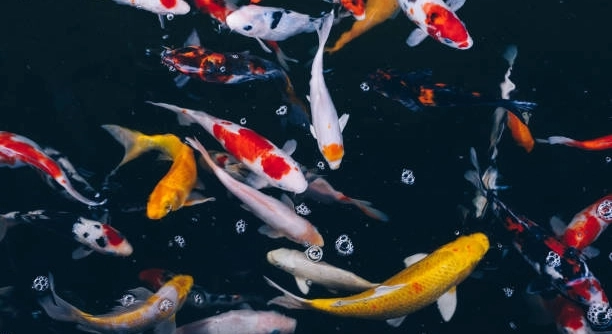
Do you ever find yourself worried when your koi start rubbing or flashing against the pond walls and bottom? It can be concerning to see them in discomfort or acting differently from their usual calm behavior.
Preventing koi from scratching their gills involves maintaining excellent water quality, performing regular parasite checks, and minimizing environmental stressors. Proper pond filtration, consistent testing, and early intervention are key to preserving your koi’s gill health and overall well-being.
Learning these steps will help protect your koi and give you peace of mind while caring for your pond.
Understanding Why Koi Scratch Their Gills
Koi scratching their gills is often a sign of irritation caused by parasites, poor water quality, or sudden changes in their environment. Parasites like gill flukes and costia are common triggers, and these microscopic organisms can quickly damage gill tissue if not addressed. Poor filtration or infrequent water changes allow harmful substances like ammonia and nitrites to build up, stressing the koi. Temperature swings, especially in spring and autumn, can also lower their immune defenses, making them more vulnerable to infection and discomfort. Identifying these causes early on will help you take appropriate steps before the issue worsens. Always monitor behavior—flashing, gasping, or isolating are signs something is wrong. If your koi show signs of gill distress, begin by testing the water and observing for physical symptoms like frayed fins or mucus buildup. With prompt attention, you can reduce the risk of long-term damage and protect their health.
Water testing should be a routine part of your care. Invest in a quality test kit and check ammonia, nitrite, and pH regularly.
A koi’s environment plays a big role in its health. A clean, well-maintained pond helps prevent issues that often lead to gill irritation and scratching. Staying consistent is important.
How to Prevent Gill Scratching
Maintain clean water through regular filter maintenance, water changes, and by avoiding overfeeding. Monitor koi for signs of stress or abnormal behavior to catch problems early.
Check your filtration system weekly to make sure it’s working properly. A clogged or inefficient filter leads to dirty water, which can irritate koi. Replace filter media as recommended and remove debris like fallen leaves or uneaten food. Perform partial water changes every week or two to keep conditions stable. Avoid sudden changes in water temperature or pH, which can cause stress. Use a pond thermometer and test kit regularly. If parasites are suspected, treat quickly using pond-safe medications. Always follow dosage instructions carefully. Quarantine new fish before adding them to the pond to prevent introducing infections. Lastly, avoid overcrowding, as too many koi in one space increases waste and limits oxygen. Give them room to swim comfortably. All of these steps, when combined, create a safer space for your koi to stay healthy.
Spotting Early Signs of Gill Issues
Look for koi rubbing against surfaces, gasping at the water’s surface, or spending more time alone. These behaviors often appear before visible symptoms. Quick action can make a big difference and help avoid more serious problems later on.
If your koi start scratching frequently, test the water right away. High ammonia or nitrite levels often cause discomfort. Also, observe their gills—healthy gills are bright red, while pale or swollen ones suggest irritation. Excessive mucus or frayed fins may also appear. Changes in appetite and increased lethargy are additional warning signs. Act quickly by improving water conditions or isolating affected fish if needed. Keep the pond clean and ensure the filtration system is working. Early detection helps reduce the need for harsh treatments and supports faster recovery. Even mild symptoms should not be ignored, as they can quickly turn into something more difficult to manage.
Parasites are another common reason koi scratch their gills. Tiny invaders like gill flukes or protozoa can cause major discomfort. These organisms often enter the pond through new fish or plants. Quarantining new additions is important. If your koi continue scratching even after water quality improves, consult a veterinarian or use a microscope to confirm the issue. Treating without a clear diagnosis can be risky. Use pond-safe treatments and monitor your koi closely throughout the process. Medication should always be dosed carefully and according to the label. Follow-up water changes may also be required to remove excess treatment chemicals. Consistent observation helps ensure the problem is fully resolved.
Adjusting Your Maintenance Routine
Regular maintenance keeps your koi safe and your pond in balance. Skipping cleanings or forgetting to check parameters can lead to stress or illness. Create a schedule that works for you and stick to it throughout the year.
Change 10–20% of the water weekly to keep ammonia, nitrite, and nitrate in check. Use a dechlorinator if using tap water. Rinse filter media in pond water to keep good bacteria alive. Clean the pump and skimmer every two weeks to prevent buildup. Test the water once a week for pH, ammonia, and nitrite. Avoid overfeeding—only give what they can eat in 3–5 minutes. Uneaten food adds to water waste. Remove plant debris and fallen leaves often. Trim overgrown plants to maintain oxygen flow. During colder months, reduce feedings and check the water heater, if used. A little routine effort keeps koi healthier and reduces the risk of gill problems.
When to Use Treatments
If your koi continue to flash or isolate despite clean water, it may be time to treat for parasites. Use a microscope or consult a vet before applying medication to avoid unnecessary or incorrect treatments.
Always follow dosing instructions on the product label. Overdosing can harm your koi and affect pond bacteria. Treat in a separate tank if possible, especially if you have sensitive plants or invertebrates in the main pond.
Monitoring After Treatment
After treating your koi, monitor them daily for changes in behavior, appetite, and gill appearance. Improvements may take a few days. Continue regular water testing and remove leftover treatment with partial water changes. Repeat treatments only if instructed. A stable environment helps prevent future problems and supports recovery.
Preventing Long-Term Issues
Keep a log of water tests, treatments, and koi behavior. This helps you catch patterns early and make informed decisions about care. Consistency is key.
FAQ
Why do koi scratch their gills?
Koi scratch their gills mainly because of irritation caused by parasites, poor water quality, or environmental stress. Parasites like gill flukes attach to the gills and cause discomfort. Ammonia or nitrite buildup in the water also damages delicate gill tissue. Sudden temperature changes or overcrowding can increase stress, making koi more likely to scratch.
How can I tell if my koi has gill parasites?
Look for frequent flashing, rubbing against pond surfaces, or gasping at the surface. Physically, gills may appear pale, swollen, or covered with mucus. In some cases, you might see small white spots or thread-like parasites on the gills. If you suspect parasites, testing water quality and consulting a vet or aquatic specialist is important before treatment.
What water parameters should I check regularly?
Regularly test ammonia, nitrite, nitrate, pH, and temperature. Ammonia and nitrite should always be at zero. Nitrate should be kept under 40 ppm. pH should stay stable, ideally between 7.0 and 8.0. Temperature varies by season but avoid rapid changes to reduce stress on koi.
How often should I perform water changes?
Perform partial water changes of 10–20% weekly to maintain good water quality. This helps remove waste and toxins that build up over time. Use a water conditioner to remove chlorine or chloramine when adding tap water to the pond.
Can overfeeding cause gill problems?
Yes, overfeeding leads to excess uneaten food decomposing in the pond. This increases ammonia and nitrite levels, which irritate the gills. Feed only what koi can consume in 3–5 minutes and remove any leftovers to prevent water quality issues.
Is quarantining new fish necessary?
Quarantining new koi or any fish before introducing them to your main pond is crucial. It helps prevent the spread of parasites, bacteria, or viruses that could harm your existing fish. Quarantine for at least two weeks in a separate tank and monitor for signs of illness.
What treatments are safe for gill parasites?
Medications containing formalin, praziquantel, or potassium permanganate are commonly used. Always follow product instructions carefully. Treat in a separate tank if possible, as some treatments can harm plants or beneficial pond life. Consult a vet for proper diagnosis and treatment advice.
How do I prevent future gill irritation?
Maintain stable water quality through regular testing, water changes, and proper filtration. Avoid overcrowding and keep stress low by minimizing sudden changes in temperature or environment. Regularly inspect fish for early signs of illness and act promptly if problems arise.
Can poor pond design cause gill problems?
Yes, inadequate filtration, poor circulation, and lack of oxygenation can create harmful conditions. Dead spots with low oxygen or buildup of waste stress koi and damage gills. Properly designed ponds with good water flow and aeration reduce risks.
When should I call a professional?
If koi show persistent signs of gill distress despite good water quality and basic treatment, consult a vet or aquatic specialist. Professional diagnosis may involve lab tests and specialized treatments. Early expert help can prevent severe or fatal conditions.
Final Thoughts
Preventing koi from scratching their gills requires careful attention to their environment and health. Maintaining good water quality is the most important step. Regular testing and water changes help keep ammonia, nitrite, and nitrate at safe levels. Stable pH and temperature also reduce stress on the fish. Stress can weaken their immune systems, making them more prone to irritation and disease. Consistent pond maintenance is not difficult, but it does need to be a routine part of caring for koi.
Monitoring koi behavior closely can help catch problems early. Signs like flashing, rubbing, or gasping should never be ignored. Early detection means less invasive treatments and faster recovery. Parasites are common causes of gill irritation, but poor water conditions and overcrowding can also lead to scratching. Keeping the pond clean and well-filtered limits these risks. Quarantining new fish before introducing them to the pond is an effective way to prevent parasite outbreaks and other health issues.
Treating gill problems should be done carefully and based on proper diagnosis. Overusing or misapplying medications can cause more harm than good. If simple steps like water changes and improving pond conditions do not stop the scratching, seeking professional advice is recommended. Regular care, attention, and quick action create the best chance for koi to stay healthy and comfortable. Prevention and observation remain key to avoiding gill irritation and ensuring your koi thrive.

Hello,
If you enjoy the content that we create, please consider saying a "Thank You!" by leaving a tip.
Every little bit helps us continue crafting quality advice that supports the health, happiness, and well-being of pets around the world, for pets of all shapes, sizes, and species.
We really appreciate the kindness and support that you show us!