
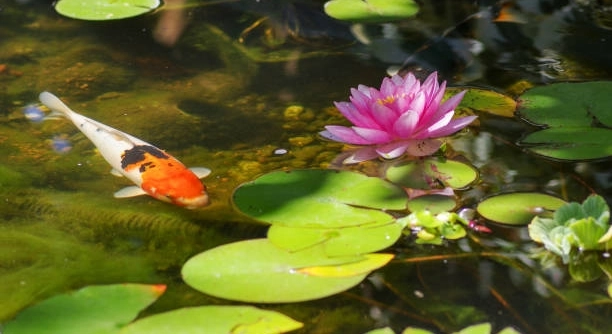
Koi fish are popular pets known for their bright colors and graceful swimming. Many koi owners enjoy watching their fish and wonder if their koi can recognize or like them. Understanding koi behavior helps build a stronger bond with these beautiful creatures.
Koi fish show affection through behaviors like following their owner, coming to the surface for food, and swimming close to them. These signs indicate the fish feel comfortable and safe, suggesting a positive connection with their caretaker.
Recognizing these behaviors can deepen your relationship with your koi and improve their care and well-being. The following guide highlights clear signs to watch for in your koi fish.
How Koi Fish Show Recognition
Koi fish often remember their caretakers by sight and routine. They learn to associate the owner’s presence with feeding time, which creates a sense of trust. When your koi swim up to greet you at the pond’s edge or follow your movements, it shows they recognize and feel comfortable around you. These fish can differentiate between familiar people and strangers, reacting more calmly with those they know. Over time, koi may even respond to the sound of your voice or footsteps, signaling a growing bond. Their behavior reflects a level of social interaction uncommon in many fish species. This recognition helps koi feel secure in their environment, reducing stress and encouraging healthier growth. Building a routine of gentle feeding and interaction strengthens this recognition, making koi more likely to show signs of affection.
Understanding how koi recognize you helps improve care by encouraging positive interaction and reducing their fear.
Koi recognizing their caretakers is an important step toward building trust and comfort in the pond environment.
Signs Koi Are Comfortable Around You
When koi fish feel at ease, they swim close to you without hesitation. They may hover near the surface or even follow your shadow. This comfort means they do not see you as a threat. Relaxed koi also display smooth, steady swimming patterns rather than quick or erratic movements. Another clear sign is when koi open their mouths near your hand, expecting food, showing they associate you with positive experiences. Comfortable koi will also interact during feeding times, swimming eagerly but calmly to take food from your hand. These behaviors reflect trust and a peaceful state, important for their health and well-being. Spending quiet, consistent time near your pond helps koi build this comfort. Patience and respect for their space allow them to express these signs naturally. The more they trust you, the more these behaviors become noticeable and frequent.
Koi Fish Following You
Koi fish often swim after their owners around the pond. This behavior shows they recognize and feel connected to you. They follow your movements because they associate you with safety and food.
This following behavior is common when koi are comfortable in their environment. When you approach the pond, they swim closer instead of hiding. Koi learn quickly that your presence means feeding time or gentle interaction. Over time, they start to anticipate your arrival and follow you more eagerly. This behavior is a clear sign they trust you and enjoy your company, even if their way of showing it is simple. Following also helps koi feel more secure, as they know you are nearby and not a threat. It’s a small but meaningful way koi express their bond with you.
The more consistently you feed and spend time near your koi, the stronger this following behavior becomes. It is an encouraging sign of mutual recognition.
Koi Fish Coming to the Surface for Food
Koi that come to the surface when you approach are comfortable with you and expect food. They have learned to trust that you will feed them regularly.
This surface swimming shows koi recognize their caretaker’s presence. When koi rise to the top calmly, it means they do not feel threatened by you. Instead, they are eager and confident, expecting a reward. Over time, koi associate your approach with positive experiences, like feeding. This behavior is especially clear during feeding times when koi open their mouths near your hand, ready to accept food. It is one of the most obvious ways koi show they like and trust you. The act of coming up also strengthens the bond between fish and owner because it encourages regular interaction and communication. Feeding koi from your hand builds familiarity and helps koi feel more secure in their pond environment.
Koi Swimming Close to You
Koi swimming close is a sign they feel safe near you. They don’t see you as a threat and enjoy your presence in the pond. This behavior shows trust and comfort.
When koi swim near you without hesitation, it means they feel relaxed. They are comfortable sharing their space, which reflects a positive relationship between you and your fish.
Koi Nipping Gently
Koi sometimes nip gently at fingers or toes. This can be a way to explore and interact with their environment and owner. It’s not aggression but curiosity.
Koi Reacting to Your Voice
Koi can learn to recognize your voice. They may swim to the surface or approach when they hear you speak. This response shows familiarity and trust.
Koi Resting Near You
When koi rest or stay still near your hand or side of the pond, it indicates comfort. They feel secure enough to relax in your presence.
How can I tell if my koi fish really likes me?
Koi fish show they like you by their behavior around you. If they swim up close, follow your movements, come to the surface for food, or react to your voice, these are signs of comfort and trust. They may also gently nip your fingers, showing curiosity. When koi feel safe, they spend more time near you and may rest calmly by your hand or pond edge. These actions mean your koi recognize you and associate your presence with positive experiences, especially feeding. Regular interaction and patience help strengthen these bonds.
Why does my koi swim after me in the pond?
Swimming after you is a clear sign your koi recognize and trust you. Koi learn to associate your presence with food and safety. When they follow you, it shows they expect interaction and are comfortable in their environment. This behavior develops over time through consistent feeding and spending quiet moments near the pond. It’s a way koi express their interest and connection without words. The more you interact, the more your koi will follow you, making this a good sign of their affection.
Is it normal for koi to nip at my fingers?
Yes, gentle nipping is normal koi behavior. It’s their way of exploring and interacting with their surroundings and owners. This behavior is not aggressive but curious. Koi use their mouths to sense texture and taste, much like other animals use their hands. If the nipping becomes hard or frequent, it could indicate hunger or stress. Otherwise, gentle nips usually mean the koi is comfortable enough to investigate you closely.
Can koi recognize their owner’s voice?
Koi can learn to recognize the sound of your voice, especially if it is associated with feeding or other regular activities. Over time, they may swim to the surface or approach when they hear you speak. This reaction shows familiarity and trust. While koi don’t understand words, they recognize tone, rhythm, and patterns in your voice. This connection helps build a bond, making koi more responsive and engaged during interaction times.
What should I do if my koi seems shy around me?
If your koi is shy, avoid sudden movements and loud noises near the pond. Spend time quietly sitting by the water to let them get used to your presence. Offer food gently and consistently to build trust. Avoid trying to touch or grab them until they seem more comfortable. Shy koi need patience and calm interaction. Over time, they will learn you are not a threat and may begin to show signs of recognition and comfort.
How often should I feed my koi to build a bond?
Feeding your koi once or twice a day at regular times helps build a routine they can expect. Consistency is key for koi to associate you with positive experiences. Avoid overfeeding, as it can harm their health. Use high-quality koi food and offer it gently by hand if possible. Hand feeding encourages koi to come closer and recognize you, strengthening your connection.
Do koi prefer to be alone or with other koi?
Koi are social fish and prefer to live with others of their kind. They feel more secure and behave more naturally in groups. Being around other koi reduces stress and encourages positive behaviors, including interaction with their owner. If kept alone, koi may become shy or less active. Keeping a small group helps create a healthy pond environment and makes observing their signs of affection more rewarding.
Can koi fish show affection in ways other than swimming close or following me?
Yes, koi can show affection by swimming gently alongside you or resting near your hand or the pond edge. They may also open their mouths near you, expecting food. Some koi will nudge your fingers softly, a sign of curiosity and comfort. These behaviors indicate koi feel safe and connected with you, even if they don’t express affection like mammals. Watching closely will reveal these subtle but meaningful signs.
Why does my koi come to the surface when I approach the pond?
Your koi comes to the surface because it recognizes your presence and expects to be fed. This behavior is a sign of trust and comfort. Surface swimming near you means the koi does not see you as a threat and is eager for interaction. It is one of the clearest ways koi show they like their caretaker. Regular feeding from the surface encourages this behavior and strengthens your bond.
How can I make my koi more comfortable around me?
Spend quiet, consistent time near the pond without sudden movements. Feed your koi gently and regularly to build trust. Avoid loud noises and respect their space. Over time, koi will associate your presence with safety and food. Creating a calm, stable environment and being patient helps koi become more comfortable and show affection naturally.
Koi fish can show signs of liking you through their behavior and reactions. When they swim close, follow your movements, or come to the surface for food, it means they feel comfortable and safe around you. These small actions are important because they show a bond between you and your fish. Koi are not like other pets that show affection openly, but their way of showing trust is still clear when you know what to look for. Understanding these signs can make taking care of koi more rewarding and enjoyable.
Spending regular time near your koi and feeding them gently helps build this trust. Koi quickly learn to recognize their caretakers by sight and sound. They respond better when they feel secure, which means less stress and healthier fish. When koi follow you or come up to feed, it is a sign they expect positive interaction. This routine of calm interaction creates a peaceful environment for both you and your fish. Patience is key, as koi need time to become familiar with you and their surroundings.
Overall, recognizing how koi show affection allows you to care for them better. It improves the relationship between owner and fish, making the pond a more pleasant place. Koi respond well to gentle, consistent care and attention. Their behavior reflects their comfort and trust. By observing and understanding these signs, you can enjoy a stronger connection with your koi and ensure they live happily in your pond for many years.

Hello,
If you enjoy the content that we create, please consider saying a "Thank You!" by leaving a tip.
Every little bit helps us continue crafting quality advice that supports the health, happiness, and well-being of pets around the world, for pets of all shapes, sizes, and species.
We really appreciate the kindness and support that you show us!