
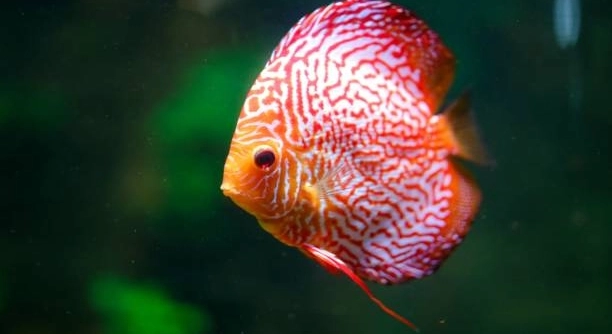
Are your young discus fish growing fast but leaving you unsure about how often to feed them each day? It can be tricky to find the right routine when they’re still developing and adjusting to their tank.
Juvenile discus should be fed small portions 3 to 5 times per day to support healthy growth and maintain stable energy levels. Frequent feedings ensure they receive enough nutrients without overwhelming their digestive systems or polluting the water.
Understanding how their feeding habits change with age will help you maintain a clean tank and keep your discus healthy and active.
Why Feeding Frequency Matters for Juvenile Discus
When discus are young, their growth rate is fast, and they burn through nutrients quickly. Feeding them 3 to 5 times a day gives their bodies the steady fuel they need to grow properly. Skipping meals or feeding too much at once can throw off their digestion and stress them out. By offering small, balanced meals spaced throughout the day, you help them develop strong immune systems, vibrant coloring, and smooth behavior. Young discus are sensitive to water quality, so uneaten food can cause issues. That’s why keeping meals small and manageable is key. It keeps waste low and gives you more control over your tank environment. You’ll notice better growth and more confident swimming when their feeding is consistent. As they get older, the number of feedings can be reduced, but juveniles thrive on structure. Watch how they respond and make small adjustments if needed.
Missing feedings may not show instant changes, but it can slowly impact their health and appearance.
Make sure their food is soft, easy to eat, and varied. Frozen bloodworms, beef heart, and quality flakes are all good options for young discus. Each feeding session should last only a few minutes—just enough time for them to eat most of it. Remove leftovers to avoid water problems. It also helps to feed them at the same times each day so they know what to expect. Sticking to a schedule keeps their metabolism active and reduces stress in the tank. Use this stage to help them build good eating habits. When their needs are met, discus are more active, show stronger colors, and have fewer health issues. Feeding often doesn’t mean overfeeding—keep it balanced. Observing their behavior and checking for signs of bloating or leftover food will guide you. Trust what you see in the tank as much as the guidelines.
Signs You’re Feeding Correctly
They should have round bellies—not sunken or overly swollen—after eating. Their energy and appetite will stay consistent.
A healthy feeding routine shows up in how they behave and look. Juvenile discus that are eating well will be alert, responsive, and active during feeding times. Their colors will appear brighter, and their bodies will begin to fill out evenly. Growth will be steady without any bloating or sluggish movement. You’ll notice that they swim to the front of the tank when it’s feeding time, which shows they’re eager and comfortable. On the other hand, if they lose interest in food or hide more often, that could be a sign something is off—either with the food, the feeding schedule, or the water. Adjustments might be needed. Feeding the right way also makes tank maintenance easier since less food is wasted and the water stays cleaner. It’s a simple routine that makes a big difference over time.
Best Times to Feed Juvenile Discus
Feeding juvenile discus at regular times helps them feel secure and keeps their digestion working well. Spread the meals throughout the day—morning, midday, early afternoon, and evening are ideal windows to work with. Consistency encourages better eating habits and lowers their stress.
Start with a feeding session shortly after turning on the tank lights. This gives them time to fully wake up and get active. The next feeding should be in the late morning or early afternoon, once they’ve had time to digest. A third feeding can follow a few hours later, keeping the portions small and easy to manage. Evening feedings work best about an hour before turning the lights off. Don’t feed them too late in the day, as they need time to digest before resting. Stick to the same schedule every day. They’ll learn when to expect food, which helps reduce anxiety and aggression.
Juvenile discus rely on structure to thrive, and your feeding schedule plays a big part in their health. If you’re home during the day, feeding four to five times works well. If you’re not around all day, try to manage at least three consistent meals. Use a timer or an automatic feeder if needed. Just make sure the portions stay small and you’re watching for any signs of uneaten food. That leftover waste can build up fast and hurt your water quality. Over time, you’ll notice when they’re hungrier or when a particular time works better. Adjust gently, and always keep their comfort in mind. When they feel secure, they grow better and act more calmly in the tank.
How Water Quality Affects Feeding
Dirty water affects how your discus eat. High waste levels from uneaten food make them sluggish and may cause them to stop eating. Poor conditions lead to stress, and stress weakens their ability to digest properly.
Frequent feeding increases the chance of leftover food sinking to the bottom, breaking down, and changing your water chemistry. That’s why good filtration and regular water changes are so important. Use a sponge filter or biological filter to catch waste without disturbing the fish. Keep an eye on ammonia and nitrite levels—when they rise, feeding becomes risky. Water tests help you stay ahead of issues. After each feeding, check for uneaten bits and remove them right away. This simple habit protects your water and your discus. Feeding them less during times of poor water quality may help, but it’s better to prevent the problem in the first place by cleaning regularly and managing portions.
Feeding Too Much vs. Too Little
Overfeeding leads to bloating, poor digestion, and messy water. Uneaten food rots quickly in warm tanks, raising ammonia and harming your discus. Watch how much they finish in a few minutes and adjust portions as needed.
Underfeeding stunts growth and weakens immunity. Juvenile discus need consistent nutrients to stay strong and develop properly. If they act sluggish or lose color, they might not be getting enough.
What to Do If They Skip a Meal
Sometimes juvenile discus skip a meal due to stress, changes in water, or mild illness. If it happens once, don’t panic. Watch them closely and check the water. Avoid adding extra food later in hopes they’ll catch up—it usually leads to waste. If they continue refusing food, reduce feeding for a day and test your tank’s parameters. Try offering a favorite food like frozen bloodworms to spark their appetite again. Keep the tank calm, avoid loud movements, and dim the lights slightly if needed. When the environment feels safe and the water stays clean, their appetite often returns naturally without much effort.
Keeping Track of Feeding Habits
Writing down their feeding times and how much they eat helps spot problems early. You’ll notice patterns faster and can catch any changes before they become serious.
FAQ
How much should I feed juvenile discus at each meal?
Feed small portions that your discus can finish within 3 to 5 minutes. This helps prevent leftover food from polluting the tank and reduces the risk of overfeeding. Juvenile discus have smaller stomachs and need frequent, small meals rather than large ones.
Can I feed juvenile discus the same food all the time?
It’s better to offer a variety of foods. A mix of high-quality flakes, frozen bloodworms, and beef heart keeps their diet balanced and supports healthy growth. Variety also encourages better appetite and prevents nutritional gaps. Avoid feeding just one type of food.
How do I know if my juvenile discus is overfed?
Signs include bloated bellies, slow movement, and leftover food sinking to the tank floor. Overfeeding leads to water quality problems, which can stress your fish and cause illness. Keep an eye on their behavior and reduce portion sizes if you see these signs.
Is it okay to feed juvenile discus at night?
Feeding too close to lights out isn’t recommended. Juvenile discus need time to digest before resting. Feeding an hour or more before turning off the lights is best. This helps their digestion and reduces leftover food that can harm water quality overnight.
What if my discus refuses food sometimes?
Skipping a meal occasionally can happen due to stress or tank changes. Don’t overfeed to make up for missed meals. Instead, maintain clean water and a calm environment. Try offering favorite foods like frozen bloodworms to encourage eating again.
How important is water quality during feeding?
Water quality is critical. Uneaten food breaks down and raises harmful chemicals like ammonia and nitrites. Good filtration and regular water changes are needed to keep water safe. Feeding smaller portions and removing leftovers helps keep water clean.
Can I use automatic feeders for juvenile discus?
Automatic feeders can be helpful but must be used carefully. They should dispense small amounts to avoid overfeeding. Many automatic feeders aren’t designed for the tiny portions juvenile discus need, so manual feeding is often better, especially in early stages.
How do I adjust feeding as discus grow?
As discus mature, reduce feeding frequency gradually to two or three times per day. Portion sizes can increase slightly, but avoid feeding large amounts at once. Watch their growth and energy levels to adjust the feeding schedule naturally.
What foods are best for juvenile discus growth?
High-protein foods like frozen bloodworms, brine shrimp, and specially formulated discus pellets support growth well. Beef heart mixes are popular but should be fed sparingly. A good balance of protein, fats, and vitamins is important for healthy development.
Is fasting ever recommended for juvenile discus?
Fasting isn’t usually necessary for young discus. They need frequent feeding for steady growth. However, if water quality becomes poor or fish show signs of illness, a short fasting period of 24 hours can help clear their systems and improve water conditions.
How do I avoid feeding-related water problems?
Feed small portions multiple times a day and remove any uneaten food quickly. Use a strong filtration system and perform regular water changes. Testing water regularly for ammonia, nitrites, and nitrates helps catch problems early. Clean tanks promote healthy discus and better feeding responses.
Can feeding routines reduce stress in juvenile discus?
Yes. Consistent feeding times create a sense of security and reduce aggression between fish. Juvenile discus thrive when they know when to expect food. Irregular or skipped feedings can increase stress and cause unwanted behaviors.
Should I change feeding habits during water changes?
Avoid feeding immediately before or after water changes. Fresh water can sometimes shock fish or affect their appetite. Give discus a little time to settle after changes before feeding. This helps them adjust and prevents food from being wasted.
Are live foods necessary for juvenile discus?
Live foods can boost appetite and nutrition but aren’t required if frozen or prepared foods are good quality. They can also introduce parasites or bacteria if not sourced carefully. Frozen or freeze-dried options are safer and often just as effective for growth.
What’s the best way to introduce new foods?
Introduce new foods slowly over several days. Mix small amounts with familiar foods to encourage acceptance. Watch how your discus react and stop if you notice any digestion issues. Variety is good, but sudden changes can cause stress or refusal.
How often should I clean the tank during frequent feedings?
Frequent feedings mean more waste, so regular water changes—about 25% weekly—are needed. You may also need to clean filters and remove debris more often. Keeping the tank clean supports better feeding habits and overall health.
Feeding juvenile discus properly is one of the most important parts of helping them grow strong and stay healthy. Getting the timing and amounts right supports their digestion and prevents problems like bloating or poor water quality. It is best to feed them small portions multiple times a day rather than giving a large amount at once. This approach keeps their energy steady and helps avoid leftover food that can cause waste buildup in the tank. Consistency is key — regular feeding times help your discus feel safe and reduce stress. When they feel secure, they are more likely to eat well and show natural behaviors.
Water quality plays a big role in how often and how much you should feed your juvenile discus. Uneaten food breaks down quickly and affects the water, which can lead to harmful ammonia or nitrites. Good filtration and regular water changes keep the tank environment safe and comfortable for your fish. When water quality is good, discus will eat better and grow faster. If you notice your discus acting sluggish or refusing food, it may be a sign that the water needs attention or the feeding routine needs adjusting. Keeping track of feeding habits and tank conditions helps you respond early to any issues before they become serious.
Taking care of juvenile discus requires patience and attention to detail. Every tank and group of fish is a little different, so it’s important to watch how your discus respond to their feeding schedule and food choices. Adjusting portions, meal frequency, or diet variety can make a big difference in their development. Feeding is not just about nutrition but also about creating a calm and healthy environment. When feeding is done right, your juvenile discus will grow steadily and stay lively, setting the stage for a long and healthy life. With time, you’ll become familiar with their needs and can enjoy the rewarding process of watching them thrive.

Hello,
If you enjoy the content that we create, please consider saying a "Thank You!" by leaving a tip.
Every little bit helps us continue crafting quality advice that supports the health, happiness, and well-being of pets around the world, for pets of all shapes, sizes, and species.
We really appreciate the kindness and support that you show us!