
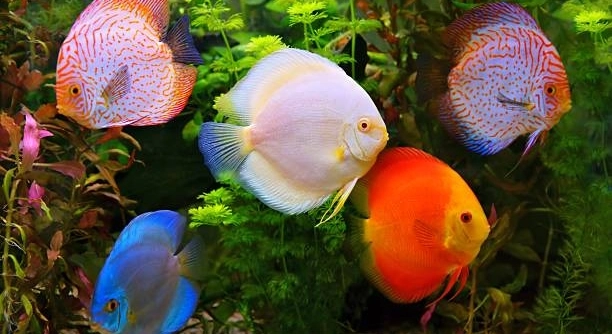
Uneven growth in discus fish is a common concern for many hobbyists who want healthy, balanced aquariums. Understanding how to address this issue can improve the wellbeing of your fish. Small changes often lead to better overall results.
Uneven growth in discus fish is usually caused by factors such as nutrition imbalance, water quality, tank setup, and stress levels. Adjusting feeding routines, maintaining stable water parameters, and reducing competition can promote more uniform growth among the fish.
Improving these areas will help you create a healthier environment for your discus and encourage even growth over time. Let’s explore practical ways to make these adjustments.
Improve Water Quality and Stability
Maintaining clean, stable water is essential for discus fish growth. Poor water conditions stress the fish, which slows their development and can cause uneven sizes. Regular water changes remove waste and toxins that accumulate in the tank. Testing water parameters like pH, ammonia, nitrites, and nitrates helps ensure a healthy environment. Discus prefer slightly acidic to neutral pH (6.0–7.0) and very low ammonia and nitrite levels. A consistent temperature between 82°F and 86°F also supports their metabolism and growth. Using a reliable filtration system improves oxygen levels and keeps water clear. It’s important to avoid sudden changes in water chemistry, as this can shock the fish and affect their health. Patience and attention to water conditions often result in noticeable improvements in discus growth over time.
Keeping water clean reduces stress and helps discus grow evenly.
Balancing water quality and temperature creates the ideal setting for discus to thrive. This steady environment minimizes health problems and supports natural growth rates, making uneven growth less likely to occur.
Adjust Feeding Practices
Feeding discus the right diet in proper amounts is key for uniform growth. Overfeeding or underfeeding can lead to some fish getting more nutrients while others fall behind. Feeding small amounts multiple times a day encourages consistent eating habits. Use a high-quality, varied diet including pellets, frozen or live foods rich in protein, and occasional vegetable matter. Observing feeding behavior helps identify if any fish are being bullied or not eating enough. Adjusting feeding locations or times can ensure all fish get access to food. Avoid leftover food that decays and harms water quality. A balanced diet promotes strong immune systems and supports steady growth for all discus in the tank.
Proper feeding routines make sure every fish gets the nutrients needed to grow at a similar pace. This reduces size differences caused by competition or uneven food distribution. Careful attention during feeding times improves overall fish health and helps keep growth consistent.
Reduce Stress and Aggression
Stress and aggression among discus fish often cause uneven growth. Aggressive fish may bully smaller or weaker ones, limiting their food access and causing stunted growth. Keeping a calm environment helps reduce this behavior.
Providing plenty of hiding spots and maintaining proper tank size can lower stress and aggression. When discus have enough space and cover, they feel safer and are less likely to fight. Observing the fish regularly lets you identify any aggressive individuals. Removing overly aggressive fish or separating them temporarily can help restore peace. Also, avoid sudden changes in tank conditions that can increase stress levels.
A peaceful community reduces competition and gives all discus a better chance to grow evenly. Proper tank setup and monitoring social behavior create a stable environment where every fish thrives. Consistent care helps minimize size differences caused by stress or bullying.
Maintain Proper Tank Size and Stocking
Overcrowding in a tank can limit discus growth by increasing stress and competition for resources. Keeping a proper fish-to-tank ratio supports healthy development and reduces size gaps. A 50-gallon tank is generally recommended for a small group of discus, allowing enough swimming space and reducing territorial disputes. Overstocked tanks create poor water quality faster and make it harder to maintain stable conditions.
Stocking with compatible fish species also matters. Avoid adding aggressive or fast-eating fish that outcompete discus for food. Smaller, peaceful species are better companions. Regularly assess tank population and remove or relocate fish if overcrowding becomes a problem. Proper stocking supports even growth and maintains a balanced ecosystem inside the tank. This attention to tank size and population helps discus reach their full potential without uneven competition or stress.
Monitor Growth and Separate When Needed
Keeping track of your discus fish’s growth helps spot uneven development early. Separating slower-growing fish can give them a better chance to catch up.
Quarantine or separate smaller fish in a different tank or partitioned area. This reduces competition and stress, allowing them to eat more freely and grow faster.
Provide Consistent Lighting
Consistent lighting supports healthy growth and natural behavior in discus fish. Avoid sudden changes or too bright light, which can stress them. Aim for about 10-12 hours of moderate light daily to mimic natural conditions and promote regular feeding and activity.
Maintain Proper Filtration
Good filtration keeps the water clean and oxygen-rich. This reduces stress and supports better growth. Choose a filter suitable for your tank size, and clean it regularly to maintain efficiency.
What causes uneven growth in discus fish?
Uneven growth in discus fish usually happens due to a combination of factors like poor water quality, inconsistent feeding, stress, and overcrowding. When water parameters fluctuate or waste builds up, fish become stressed, slowing their growth. If some fish eat more than others because of competition or bullying, size differences appear. Tank size and fish compatibility also affect growth rates.
How can I tell if my discus fish are stressed?
Signs of stress include hiding, loss of appetite, faded colors, rapid breathing, and erratic swimming. Stressed fish may also develop disease more easily. Observing your discus daily helps catch these signs early. Maintaining clean water, stable temperature, and a calm tank environment lowers stress.
How often should I feed discus fish?
Feeding small amounts 2 to 3 times a day works best. Frequent, controlled feeding helps discus digest food properly and reduces waste buildup. Overfeeding causes water quality problems, while underfeeding slows growth. Make sure all fish get access to food by spreading it in different tank areas.
What type of food is best for discus growth?
High-quality protein-rich food is essential for discus growth. Use a mix of pellets, frozen bloodworms, brine shrimp, and beef heart preparations. Adding some vegetable matter or algae wafers occasionally supports digestion. Fresh, varied diets promote strong immune systems and better growth.
Can I keep other fish with discus?
Yes, but choose peaceful species that won’t outcompete discus for food or stress them out. Avoid aggressive or very active fish. Good tankmates include tetras, dwarf corydoras, and small plecos. Always monitor interactions and be ready to separate fish if problems arise.
How big should my tank be for discus?
A minimum of 50 gallons is recommended for a small group of discus (5–6 fish). More space reduces stress, aggression, and waste concentration. Larger tanks help maintain stable water quality and provide enough swimming room, which encourages even growth.
How often should I change the water?
Regular water changes are critical. Change 25–50% of the water weekly to remove toxins and keep water fresh. More frequent changes might be needed if the tank is heavily stocked or water quality drops. Using dechlorinated, temperature-matched water prevents shocking the fish.
What temperature is best for discus?
Maintain water temperature between 82°F and 86°F. This range supports discus metabolism and growth. Sudden temperature changes cause stress and can weaken the fish. Use a reliable heater and thermometer to keep temperature steady.
How do I handle aggressive discus?
If some discus are bullying others, try adding more hiding spots or rearranging decorations to break up territories. Separating aggressive fish temporarily can reduce stress on others. Sometimes increasing tank size helps. Monitoring social dynamics regularly is important to keep peace.
Is it normal for discus to grow at different rates?
Some variation is normal, especially in young fish. Genetics, diet, and health affect growth rates. However, extreme differences often indicate issues like poor feeding access, stress, or water problems. Taking steps to balance the environment helps reduce uneven growth over time.
Taking care of discus fish can be very rewarding, but it requires attention to detail and patience. Uneven growth is a common issue that many hobbyists face, but it is often preventable or fixable with the right adjustments. By focusing on water quality, feeding habits, tank setup, and stress reduction, you can help your discus fish grow more evenly and stay healthy. It’s important to remember that discus are sensitive fish, and they respond best to stable and calm environments. Small changes done consistently usually make the biggest difference.
Keeping the water clean and stable is one of the most important steps. Regular water changes and testing help maintain the right conditions. Feeding the fish a balanced diet in the correct amounts supports their development and reduces competition for food. Watching for signs of stress or aggression is also important because it can affect how well your fish grow. Making sure your tank is large enough and not overcrowded gives discus enough space to swim freely and reduces tension among fish. These efforts all work together to create a healthy habitat.
Even with perfect care, some discus may grow a little faster or slower than others because of their genetics or natural differences. This is normal and does not always mean there is a problem. The goal is to reduce big gaps in size that come from avoidable factors like poor water, feeding issues, or bullying. Being consistent with your care and paying attention to your fish’s behavior will help you catch problems early and improve growth. With time and patience, your discus fish can grow strong and beautiful, and your tank can become a peaceful and balanced place for them to thrive.

Hello,
If you enjoy the content that we create, please consider saying a "Thank You!" by leaving a tip.
Every little bit helps us continue crafting quality advice that supports the health, happiness, and well-being of pets around the world, for pets of all shapes, sizes, and species.
We really appreciate the kindness and support that you show us!