7 Silent Killers in Tetra Tanks

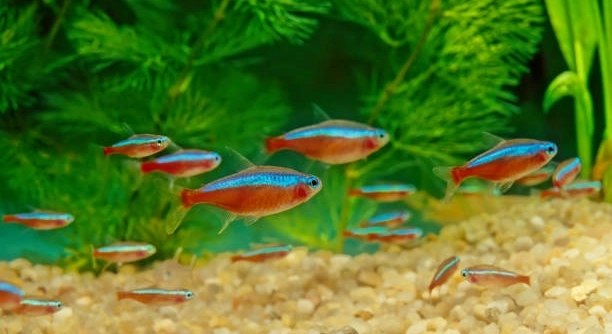
Keeping tetra fish healthy requires attention to their environment. Many factors in a tetra tank can quietly harm your fish without obvious signs. These silent threats often go unnoticed until damage is done. Seven common silent killers in tetra tanks include poor water quality, overfeeding, lack of proper filtration, sudden temperature changes, overcrowding, disease outbreaks, … Read more

7 Foods That Make Tetra More Energetic

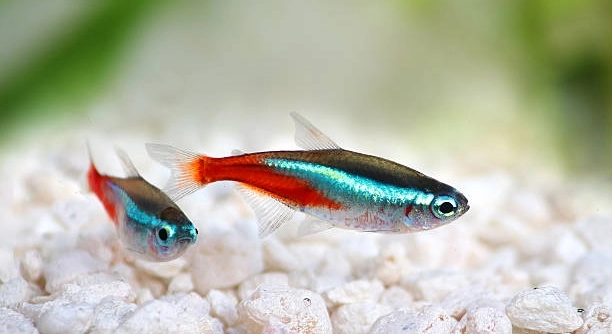
Tetras are small, colorful fish that brighten up many home aquariums. Keeping them energetic and healthy is important for their well-being. Certain foods can naturally boost their energy and support their active lifestyle. Feeding tetras a diet rich in protein, vitamins, and essential nutrients helps maintain their energy levels. Foods like brine shrimp, daphnia, bloodworms, … Read more

How to Help Tetra After a Big Water Change (7 Tips)

Helping a tetra adjust after a big water change is important for its health and comfort. Sudden changes in water conditions can cause stress, affecting the fish’s behavior and well-being. Knowing how to support your tetra during this time can make a big difference. The best way to help a tetra after a large water … Read more

7 Ways to Fix Tetra Tank Temperature Swings

Are your tetra tank temperatures fluctuating too much, causing stress to your fish? Temperature swings can affect the health and behavior of your tetras, making it important to maintain a stable environment. Many aquarium owners face this common challenge. Temperature fluctuations in tetra tanks are often caused by inconsistent room temperatures, poor heater quality, improper … Read more

7 Ways to Improve Tetra Behavior During Breeding

Tetras are popular aquarium fish, but their behavior can change during breeding. Observing and understanding these changes helps keep your fish healthy and calm. Proper care during this time is important for successful breeding and a peaceful tank environment. Improving tetra behavior during breeding involves maintaining stable water conditions, providing a balanced diet, minimizing stressors, … Read more

Why Are My Tetra Digging Holes in the Substrate?

Many aquarium owners notice their tetra fish digging holes in the substrate and wonder why this behavior happens. It can seem unusual since tetras are not typically known for digging. Understanding this behavior helps create a better environment for your fish. Tetras dig holes in the substrate primarily to explore their surroundings, search for food, … Read more

How to Save a Dying Tetra (7 Critical Tips)

Is your tetra swimming oddly, losing color, or refusing to eat, leaving you unsure of how to help it recover? The best way to save a dying tetra is by identifying the cause early—whether it’s poor water quality, disease, or stress—and then taking targeted action to stabilize its environment and support recovery with proper care. … Read more

Why Are My Tetra Fading After a Water Change?

Are your tetras losing their bright colors after a water change? This common issue can be concerning for any fish owner. Understanding the reasons behind this fading can help maintain a healthy and vibrant aquarium environment. Tetras often fade after water changes due to sudden shifts in water parameters such as temperature, pH, or chemical … Read more

7 Big Mistakes New Tetra Owners Make

Many new Tetra fish owners are excited to start their aquarium journey. Setting up a tank and caring for these colorful fish can be rewarding. However, beginners often make some common mistakes that affect their fish’s health and happiness. The biggest mistakes new Tetra owners make include overfeeding, improper tank cycling, neglecting water quality, overcrowding, … Read more

Do Tetra Like Fast Flowing Water? (Answered Simply)

Tetras are popular aquarium fish known for their vibrant colors and active swimming habits. Many fishkeepers want to create the best environment for them. Water flow is one of the key factors that can affect their comfort and health in a tank. Tetras generally prefer moderate to gentle water flow rather than fast currents. High … Read more