
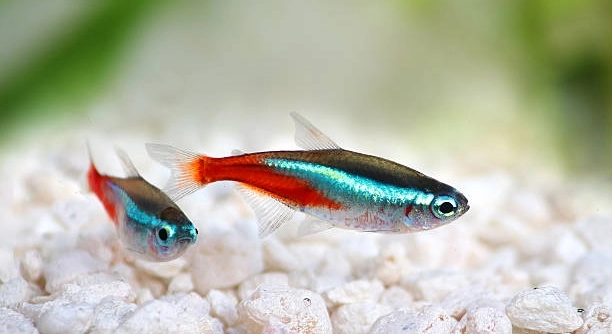
Helping a tetra adjust after a big water change is important for its health and comfort. Sudden changes in water conditions can cause stress, affecting the fish’s behavior and well-being. Knowing how to support your tetra during this time can make a big difference.
The best way to help a tetra after a large water change is by ensuring the new water matches the original tank conditions closely. Gradual acclimation, stable temperature, proper filtration, and minimizing stress factors contribute to the fish’s smooth adjustment and reduced risk of illness.
Taking simple steps after a water change supports your tetra’s recovery and keeps your aquarium environment balanced for long-term health.
Prepare the New Water Properly
Preparing the new water carefully before adding it to the tank is essential. Make sure the water temperature matches the aquarium’s temperature closely to avoid shocking your tetra. Use a water conditioner to remove chlorine and harmful chemicals, as these can stress or even harm the fish. Check the pH level to ensure it is similar to the original tank water. Tetras are sensitive to sudden changes in pH, so keeping this stable helps reduce stress. Letting the new water sit for a few hours can also help it reach room temperature and allow gases to dissipate. When adding water, do it slowly to avoid disturbing the fish and the tank environment. These steps support your tetra’s comfort and make the transition smoother.
Adding properly conditioned water reduces shock and helps your tetra stay healthy after a water change.
Taking time to prepare water carefully protects your tetra’s delicate balance. It also prevents sudden environmental changes that can weaken the fish’s immune system. Using conditioners and testing water parameters regularly keeps the tank safe. This preparation supports your tetra’s stability and lowers the risk of illness or unusual behavior following a big water change.
Monitor Your Tetra’s Behavior
Watch your tetra closely for signs of stress or discomfort. After a big water change, changes in swimming patterns, hiding, or loss of appetite are common indicators your fish is struggling. By keeping an eye on these behaviors, you can respond quickly if problems arise. Make sure the fish has plenty of places to hide and feels secure within the tank. Reducing disturbances like loud noises or sudden movements around the tank also helps the fish feel safe.
Observing your tetra’s behavior helps identify problems early and ensures it recovers well.
Stress can weaken your tetra’s immune system, making it vulnerable to diseases. Keeping track of changes in behavior allows you to act promptly. If your fish is hiding more than usual or not eating, it may need extra care or water condition adjustments. Providing a calm environment with gentle lighting and quiet surroundings supports recovery. If you notice persistent signs of distress, consider testing water parameters again or consulting a specialist to address possible issues before they worsen. Regular monitoring after water changes maintains your tetra’s health and comfort.
Maintain Stable Temperature
Keeping the water temperature steady after a big water change is crucial. Sudden drops or rises can stress your tetra, making it harder for them to recover. Use a reliable heater and thermometer to monitor and maintain consistent warmth in the tank.
Temperature swings disturb your tetra’s metabolism and immune response. A stable temperature between 74°F and 78°F is ideal for most tetras. Avoid placing the tank near windows, heaters, or air conditioners to reduce fluctuations. When adding new water, ensure it matches the existing tank temperature closely to prevent shock. Stability helps the fish adapt more comfortably and reduces the risk of illness.
Using equipment like heaters and thermometers lets you keep control over temperature changes. Regular checks prevent sudden shifts and help maintain a healthy environment. Consistency in temperature supports your tetra’s recovery and overall well-being after water changes.
Avoid Overfeeding After Water Changes
Overfeeding can cause water quality to worsen quickly, especially after a large water change. Feeding your tetra smaller amounts helps prevent leftover food from decaying and polluting the tank. Stick to a light feeding schedule for a few days.
Excess food breaks down into waste, increasing ammonia and nitrate levels, which are harmful to your tetra. After a water change, the biological balance in the tank might be unsettled, so limiting feeding gives beneficial bacteria time to adjust. Feed only what your tetra can eat in a few minutes, and remove uneaten food promptly. This practice maintains water cleanliness and reduces stress on the fish. Overfeeding can lead to health problems and tank maintenance issues, so control feeding carefully during recovery periods.
Keep the Tank Clean
Regular cleaning helps maintain a healthy environment for your tetra after a water change. Removing debris and waste reduces harmful substances that cause stress and illness.
Use a gravel vacuum to gently clean the substrate without disturbing your fish. Avoid cleaning the entire tank at once to preserve beneficial bacteria.
Use a Water Conditioner
Water conditioners neutralize harmful chemicals like chlorine and chloramine found in tap water. Adding conditioner before a water change protects your tetra from toxic exposure.
These chemicals can damage fish gills and weaken their immune system. Always treat new water to keep the tank safe and promote your tetra’s recovery.
Provide Hiding Spots
Tetras feel safer when they have places to hide, especially after big water changes. Plants, caves, or decorations offer shelter and reduce stress.
Hiding spots help your fish relax and avoid feeling exposed. Adding natural or artificial covers improves your tetra’s comfort during adjustment.
FAQ
How long does it take for a tetra to recover after a big water change?
Recovery time varies depending on the size of the water change and the overall tank conditions. Typically, a tetra may take several hours to a few days to fully adjust. During this time, the fish might show signs of stress, such as hiding or reduced activity. Ensuring stable water parameters and a calm environment helps speed up recovery. If the water change was done carefully with proper preparation, your tetra should return to normal behavior within 24 to 48 hours.
Can I do a big water change if my tetra is already stressed?
It is best to avoid large water changes if your tetra is visibly stressed or sick. Sudden changes can worsen their condition. Instead, perform smaller, more frequent water changes of 10 to 20 percent to gradually improve water quality without overwhelming the fish. This method reduces shock and allows the tetra to slowly adapt to cleaner water. If you must do a big water change, make sure the new water matches the tank’s temperature and chemistry closely to minimize additional stress.
What are the signs my tetra is stressed after a water change?
Common signs of stress include erratic swimming, hiding, gasping at the surface, clamped fins, and loss of appetite. Your tetra might also become less active or stay near the bottom of the tank. Stress weakens their immune system and increases vulnerability to disease. Observing these signs early helps you respond promptly by checking water parameters and making necessary adjustments. Providing hiding places and maintaining stable tank conditions supports faster recovery.
Should I use medications after a big water change to help my tetra?
Medications are generally not needed after a water change unless your tetra shows clear signs of illness, such as white spots or fungus. Using medication unnecessarily can add stress and disrupt beneficial bacteria. Focus on maintaining clean, stable water and a calm environment. If illness develops, consult with a specialist before treating. Preventative care through proper water management is usually enough to keep your tetra healthy.
How often should I do water changes for my tetra tank?
Regular water changes of 20 to 25 percent every one to two weeks are recommended for a healthy tetra tank. This helps keep nitrate and toxin levels low and maintains water clarity. Large or frequent water changes are not necessary and can cause stress if done improperly. Consistency is more important than quantity. Adjust the frequency based on tank size, stocking level, and filtration quality to maintain a stable environment for your fish.
Can sudden water changes cause disease in tetras?
Yes, sudden changes in water conditions can weaken your tetra’s immune system, making them more susceptible to diseases like ich or fin rot. Stress disrupts their natural defenses and creates openings for infections. Properly conditioning new water, matching temperature and pH, and avoiding drastic changes reduce this risk. Regular tank maintenance and observation help prevent health problems after water changes.
What should I do if my tetra refuses to eat after a water change?
Loss of appetite is common for stressed tetras but should be temporary. Offer small amounts of high-quality food and avoid overfeeding. Ensure the tank environment is calm and stable. If your fish continues to refuse food after several days, check water quality and parameters again. Prolonged loss of appetite may signal illness or poor water conditions that need addressing promptly to prevent further health issues.
Is it necessary to acclimate tetras after a water change?
While full acclimation is usually for introducing new fish, gently adding new water slowly during a big water change helps minimize shock. Pouring new water gradually or using a drip method allows your tetra to adjust to changes more comfortably. This approach lessens the impact of sudden shifts in temperature or chemistry and supports fish health. Quick, uncontrolled water changes can cause unnecessary stress.
Final Thoughts
Helping your tetra after a big water change requires attention to detail and care. The key is to make the transition as smooth as possible by preparing the new water properly and ensuring it matches the tank conditions. Sudden changes in temperature, pH, or chemicals can stress your fish, so it is important to take steps that reduce shock. Using a water conditioner, checking the temperature, and slowly adding water are all important actions. These small efforts can make a big difference in keeping your tetra healthy and comfortable.
Maintaining a stable environment after the water change is just as important. This includes monitoring your tetra’s behavior for signs of stress, providing hiding spots, and avoiding overfeeding. Stress weakens fish and makes them vulnerable to illness, so it is essential to observe how your tetra reacts. If you notice unusual swimming patterns, hiding, or loss of appetite, take steps to improve the tank conditions or adjust the care routine. Keeping the water clean and consistent helps your tetra recover quickly and stay healthy over time.
Remember that regular, moderate water changes are better than infrequent large changes. This helps maintain balance in the tank and reduces stress for your fish. A clean and stable aquarium supports your tetra’s well-being and allows it to thrive. By following these simple tips and paying close attention to your fish, you create a safe and healthy environment. Supporting your tetra through water changes is part of responsible fish care that leads to a happier, healthier pet.

Hello,
If you enjoy the content that we create, please consider saying a "Thank You!" by leaving a tip.
Every little bit helps us continue crafting quality advice that supports the health, happiness, and well-being of pets around the world, for pets of all shapes, sizes, and species.
We really appreciate the kindness and support that you show us!