How to Spot Territorial Tetra (7 Warning Signs)

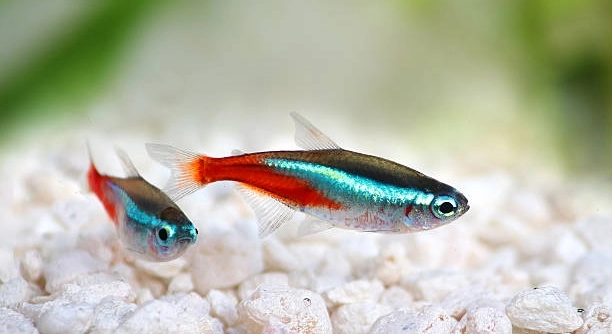
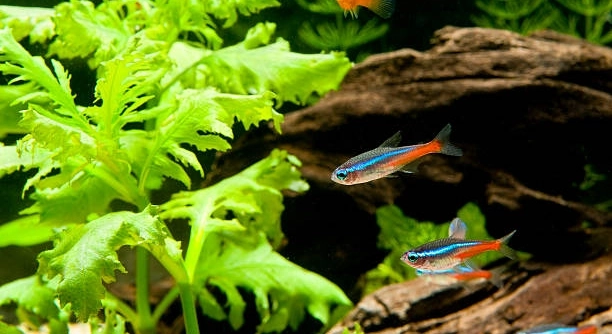
Territorial tetras are small, colorful fish that many aquarium lovers enjoy keeping. They can be peaceful at times, but they also show strong territorial behaviors. Knowing how to spot these signs helps maintain a calm tank environment. Territorial tetras display behaviors such as chasing, fin flaring, hiding spots guarding, aggressive swimming, and frequent displays of … Read more

7 Foods Tetra Shouldn’t Eat

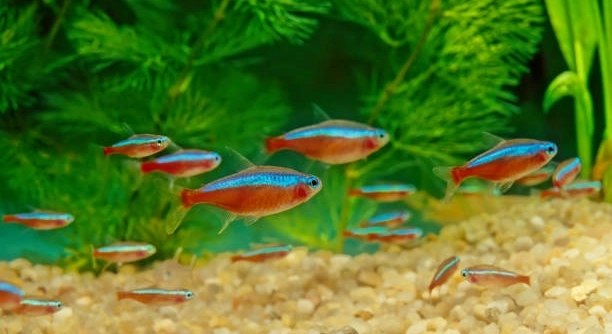
Tetras are popular aquarium fish known for their vibrant colors and peaceful nature. Many fish owners enjoy keeping them as pets. However, feeding tetras the right foods is important to maintain their health and longevity. There are several common foods that tetras should avoid because they can cause health problems. These include fatty, processed, or … Read more

Why Are My Tetra Swimming With Clamped Fins?

Are your tetras swimming with clamped fins, appearing tight and uncomfortable? This behavior can be concerning for any fishkeeper. Understanding why this happens is important to keep your aquarium healthy and your fish comfortable. Clamped fins in tetras usually indicate stress or illness. Common causes include poor water quality, parasitic infections, or inadequate tank conditions. … Read more

Why Are My Tetra Schooling Tighter at Night?

Do your tetras seem to group more tightly at night, swimming closer together than they do during the day? Tetra fish tend to school more tightly at night due to changes in lighting, perceived threats, and natural instincts. Darkness can heighten their sense of vulnerability, triggering a stronger grouping response as a form of protection … Read more

7 Unexpected Benefits of Keeping Tetra

Keeping a tetra fish in your home can bring more than just color to your aquarium. These small, lively fish offer benefits that many aquarium owners might not expect. They are easy to care for and fit well in a variety of tank environments. Tetras contribute to a balanced aquarium ecosystem by controlling algae growth … Read more

7 Things You Didn’t Know About Tetra Reproduction

Have you ever set up a peaceful aquarium and found yourself fascinated by the quiet lives of your tiny tetras? These colorful fish seem simple, but there’s more to them than meets the eye—especially when it comes to breeding. Tetra reproduction involves complex behaviors, environmental cues, and subtle physical changes that many casual fish keepers … Read more

7 Reasons Tetra Tanks Crash Suddenly

Tetra tanks are popular among aquarium enthusiasts for their compact size and ease of use. However, sudden crashes in these tanks can cause frustration and concern for owners. Understanding the causes behind these crashes can help maintain a healthy aquatic environment. Sudden crashes in Tetra tanks often result from factors such as poor water quality, … Read more

How to Improve Water Quality for Tetra (7 Easy Steps)

Are your tetras swimming in water that doesn’t look or feel quite right? Keeping their water clean and healthy is important for their well-being. Many fish owners want simple ways to improve water quality for these popular aquarium pets. Improving water quality for tetras involves regular water changes, using a good filter, testing water parameters, … Read more

Will Your Tetra Breed? (7 Signs They’re Ready)

Tetras are popular freshwater fish known for their vibrant colors and peaceful nature. Many fishkeepers enjoy watching their tetras grow and thrive. Understanding when your tetra is ready to breed can enhance your aquarium experience. Tetras display specific physical and behavioral signs when ready to breed, including increased coloration, chasing behavior, and changes in body … Read more

7 Tricks to Make Tetra Settle in New Tanks Faster

Tetras are popular fish for home aquariums because of their bright colors and peaceful nature. Moving them to a new tank can be stressful, which may affect their health and behavior. Helping them adjust quickly is important for a happy aquarium. To help tetras settle faster, provide a stable environment with proper water conditions, minimal … Read more