
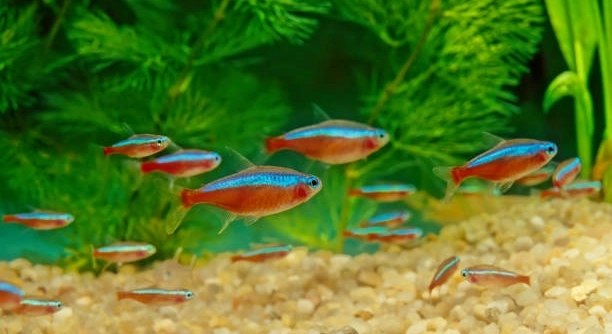
Many new Tetra fish owners are excited to start their aquarium journey. Setting up a tank and caring for these colorful fish can be rewarding. However, beginners often make some common mistakes that affect their fish’s health and happiness.
The biggest mistakes new Tetra owners make include overfeeding, improper tank cycling, neglecting water quality, overcrowding, poor diet choices, ignoring compatible tank mates, and insufficient tank maintenance. These errors can cause stress, illness, and shorten the lifespan of their fish.
Knowing these common pitfalls will help you avoid unnecessary problems and create a healthier environment for your Tetras. Taking simple steps early on leads to a more enjoyable experience for both you and your fish.
Overfeeding Your Tetras
Overfeeding is one of the most common mistakes new Tetra owners make. It’s easy to think that giving your fish more food will keep them happy, but too much food can harm their health. Leftover food decomposes quickly, which pollutes the tank water. This can lead to poor water quality and harmful ammonia levels. Overfeeding also causes obesity and digestive problems in fish. The best approach is to feed small amounts once or twice a day, only what the fish can eat within two minutes. Monitoring how much your Tetras eat helps keep them healthy and the tank clean. Patience and moderation are key to preventing overfeeding.
Fish that are overfed often appear lethargic and can develop swollen bellies or swim oddly.
Making feeding a routine and sticking to proper portions keeps your Tetras active and thriving. Avoid the temptation to overfeed, as it’s better to underfeed slightly than to cause water quality issues. Good feeding habits contribute greatly to the overall health of your fish and their tank environment.
Not Cycling the Tank Properly
Many new owners skip or rush the tank cycling process. Cycling means establishing beneficial bacteria that break down waste products like ammonia and nitrites, which are toxic to fish. Without proper cycling, water conditions become dangerous very quickly. Cycling usually takes four to six weeks and should be done before adding Tetras. Adding fish too early causes stress and illness. Testing water regularly during this time helps track progress. Patience during cycling prevents many common health problems and creates a stable home for your fish.
Properly cycling the tank protects your fish from toxic water conditions and supports a balanced ecosystem.
Skipping this step leads to frequent water problems and can shorten your Tetras’ lifespan. Take the time to cycle your tank fully, and you’ll reduce stress and illness for your fish. This careful preparation is essential for maintaining a healthy aquarium. Regular testing and water changes during this period ensure that waste is controlled and water parameters stay safe for your new pets. A well-cycled tank gives your Tetras the best chance for long, healthy lives.
Ignoring Water Quality
Water quality is critical to Tetra health. Many new owners don’t test water regularly, which risks unnoticed buildup of harmful substances.
Maintaining clean water means regularly testing for ammonia, nitrites, nitrates, and pH levels. Even slight imbalances can stress Tetras, making them vulnerable to disease. Water changes of about 25% every week help keep these levels in check. Using a water conditioner removes chlorine and other harmful chemicals from tap water. Skipping these steps causes poor water quality, which can lead to fin rot, lethargy, and death. Taking simple measures to monitor and adjust water conditions ensures a safer environment for your fish.
Consistent care of the water helps your Tetras stay healthy and active. Avoid neglecting water testing because it prevents problems before they start. Proper filtration and water changes are essential to keep the aquarium stable and comfortable for your fish.
Overcrowding the Tank
Overcrowding happens when too many fish are placed in a tank, which creates stress and poor water quality. Tetras need enough space to swim freely.
A good rule is one inch of fish per gallon of water, but this varies by species. Overcrowding increases waste production and reduces oxygen levels. Fish may compete for food and territory, which causes aggression or injury. It also makes water maintenance harder because waste accumulates faster. Providing ample space reduces stress and prevents illness. Carefully choosing the number of fish based on tank size and filtration capacity improves overall health and longevity.
Balancing fish quantity with tank size ensures your Tetras thrive. Avoid adding too many fish at once; introducing them gradually is better. This creates a more peaceful and manageable aquarium environment where each fish can live comfortably.
Poor Diet Choices
Feeding Tetras only flakes or low-quality food limits their nutrition. A varied diet is essential for their health.
Including frozen or live foods like brine shrimp or daphnia improves their immune system and colors. Avoid over-reliance on just one type of food.
Ignoring Compatible Tank Mates
Tetras do best with peaceful, similarly sized fish. Aggressive or larger fish can stress or harm them.
Choosing compatible tank mates ensures a calm environment and reduces bullying. Mixing species without research often leads to fighting and injury, which can affect your Tetras’ well-being.
Insufficient Tank Maintenance
Neglecting regular tank cleaning causes waste buildup, poor water quality, and algae growth. These conditions harm Tetras’ health.
Routine water changes and cleaning filter media keep the aquarium balanced and safe. Consistency in maintenance prevents many common problems that new owners face.
How often should I feed my Tetras?
Feeding your Tetras once or twice a day is enough. Give only what they can eat in about two minutes. Overfeeding causes leftover food to rot, polluting the tank and harming your fish. Small, measured meals help maintain clean water and keep your Tetras healthy.
What is the best way to cycle a new tank?
Start by adding ammonia to the tank to feed beneficial bacteria or use fishless cycling kits. Test the water regularly for ammonia, nitrites, and nitrates. The cycle is complete when ammonia and nitrites drop to zero and nitrates appear. This usually takes four to six weeks. Only add fish after the cycle finishes.
Can I keep Tetras with other fish?
Tetras are peaceful and do well with similarly sized, non-aggressive fish. Avoid large or aggressive species that may bully or eat them. Good tank mates include Corydoras, Rasboras, and small peaceful gouramis. Research any new fish before adding them to ensure compatibility.
How often should I change the water?
Changing about 25% of the water every week keeps conditions stable. This removes excess waste and harmful chemicals. Always treat tap water with a conditioner to remove chlorine or chloramine before adding it to the tank. Regular water changes are essential to prevent illness and maintain water quality.
What temperature is best for Tetras?
Most Tetras thrive between 72°F and 80°F (22°C–27°C). Use an aquarium heater to keep the temperature steady. Avoid sudden temperature changes, which stress fish and weaken their immune systems. Monitoring temperature regularly helps prevent health problems.
Why is my Tetra’s color fading?
Fading colors often signal stress, poor water quality, or an improper diet. Check water parameters and perform regular water changes. Feeding a varied, high-quality diet with occasional live or frozen foods can restore vibrant colors. Illness or old age can also cause dulling.
What should I do if my Tetra gets sick?
Isolate sick fish in a quarantine tank if possible. Test water quality first, as poor conditions cause many illnesses. Treat with appropriate medications depending on symptoms, like antifungal or antibacterial treatments. Always follow instructions carefully and monitor fish closely until recovery.
How many Tetras can I keep in a 20-gallon tank?
A 20-gallon tank can comfortably hold about 10 to 15 small Tetras, depending on species and filtration. Giving each fish enough space reduces stress and maintains water quality. Overcrowding leads to aggression and illness, so be careful not to add too many fish.
Do Tetras need plants or decorations?
Yes, plants and decorations provide hiding spots and reduce stress for Tetras. Live plants also improve water quality by absorbing nitrates. Smooth decorations prevent injuries. Avoid sharp or rough items that can damage fins. A well-decorated tank mimics their natural environment.
How long do Tetras typically live?
With proper care, Tetras can live 3 to 5 years on average. Good water quality, balanced diet, and stress-free environment all contribute to a longer life. Paying attention to their needs helps keep them healthy and vibrant for many years.
Taking care of Tetras can be very rewarding, but it requires attention to detail and good habits. Many problems new owners face come from simple mistakes that are easy to avoid. Overfeeding, poor water quality, overcrowding, and ignoring tank cycling are common errors that affect fish health. By learning the right way to care for Tetras, owners can create a safe and comfortable home for their fish. Paying attention to water testing, feeding schedules, and tank maintenance leads to healthier, happier fish.
It’s important to remember that Tetras are delicate creatures that need stable conditions to thrive. Keeping the water clean and balanced helps prevent diseases and stress. Regular water changes and testing water parameters like ammonia and nitrates are essential parts of this care. Feeding a varied diet and avoiding overcrowding also contribute to their well-being. Taking time to research and understand the needs of Tetras before adding them to the tank sets a good foundation. Starting slowly and making adjustments based on observations can improve the aquarium environment greatly.
Even small changes in how you care for your Tetras can make a big difference. Consistency is key to maintaining good water quality and fish health. When problems do arise, addressing them quickly can prevent bigger issues. Being patient and careful during the tank setup and daily care routines helps avoid many common mistakes. With proper care, Tetras can live full, healthy lives and bring color and life to any home aquarium. Following these simple guidelines will make your experience as a Tetra owner much more enjoyable and successful.

Hello,
If you enjoy the content that we create, please consider saying a "Thank You!" by leaving a tip.
Every little bit helps us continue crafting quality advice that supports the health, happiness, and well-being of pets around the world, for pets of all shapes, sizes, and species.
We really appreciate the kindness and support that you show us!