
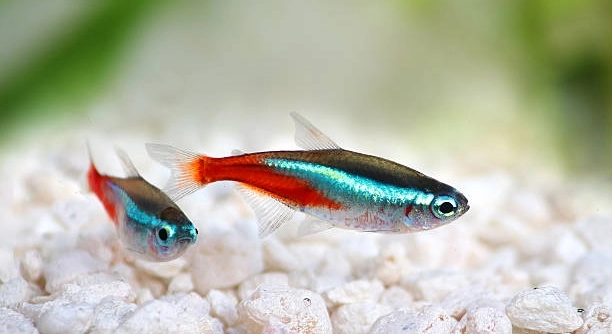
Tetras are popular fish for home aquariums because of their bright colors and peaceful nature. Moving them to a new tank can be stressful, which may affect their health and behavior. Helping them adjust quickly is important for a happy aquarium.
To help tetras settle faster, provide a stable environment with proper water conditions, minimal light, and plenty of hiding spots. Gradual acclimation and consistent feeding also reduce stress and encourage normal behavior in their new surroundings.
Knowing how to create the best conditions for your tetras will make a big difference. These simple tricks can improve their comfort and help them thrive in your tank.
Prepare the Tank Before Introducing Tetras
It’s important to have the tank ready before bringing in your tetras. Make sure the water is clean, properly filtered, and at the right temperature—between 72 and 78 degrees Fahrenheit is ideal. Test the water for pH, ammonia, nitrites, and nitrates to ensure it is safe. Adding plants and decorations will provide hiding spots, which help reduce stress. Lighting should be gentle at first, as bright lights can frighten new fish. Let the tank run for at least 24 hours after setup to stabilize the environment. This preparation makes the transition easier for your tetras and helps prevent sudden shocks that might harm them.
Proper preparation reduces stress and encourages tetras to explore their new home.
Giving your tetras a calm and stable environment right from the start is key. Plants not only offer hiding spots but also improve water quality by absorbing toxins. Avoid overcrowding the tank as it can increase stress and aggression. Use a gentle filter flow so fish aren’t pushed around. Testing water regularly helps catch problems early. A well-prepared tank supports your fish’s health and speeds up their adjustment. These small steps make a big difference in helping tetras settle quickly and feel safe.
Gradual Acclimation Is Essential
Moving tetras suddenly to a new tank can cause shock.
To avoid this, use the drip acclimation method to slowly introduce your fish to the new water conditions. Place the tetras in a sealed bag or container, then slowly add small amounts of tank water over a period of one to two hours. This allows them to adjust to differences in temperature, pH, and other factors without stress. During this time, keep the environment calm and avoid sudden movements around the tank. Patience during acclimation reduces risk of illness and encourages quicker adaptation to the new surroundings. Taking the time to do this shows care and helps your tetras feel more secure.
A slow, steady change in water conditions is the safest way to settle tetras into a new tank.
Maintain Stable Water Conditions
Stable water conditions keep tetras healthy and calm in their new home.
Sudden changes in water temperature or chemistry can stress your fish and cause illness. Keep the water temperature steady using a reliable heater, and check it daily. Avoid overfeeding, which can pollute the water and affect quality. Perform regular partial water changes to remove waste and toxins. Use a water conditioner to remove chlorine or chloramines from tap water. Monitoring water parameters often helps catch any problems early, preventing stress and disease in your tetras.
Keeping water clean and stable supports your tetras’ immune systems and helps them feel secure. Avoid making sudden changes like adding new fish or rearranging decorations right away. Gradual adjustments give your tetras time to adapt, reducing stress and encouraging healthy behavior.
Provide Plenty of Hiding Spots
Tetras feel safer when they have places to hide.
Plants, rocks, and decorations create shelter where fish can retreat when they feel stressed or threatened. Live plants also improve water quality by absorbing nitrates and producing oxygen. Arrange hiding spots evenly throughout the tank to give your tetras multiple options. Avoid overcrowding the tank with decorations to allow free swimming space. Providing cover helps reduce aggression between fish and gives shy tetras a chance to settle without pressure. Your tank will feel more natural and comfortable with varied hiding places, encouraging tetras to explore at their own pace.
Keep Lighting Soft and Natural
Bright lights can stress new tetras.
Use dim or natural lighting during the first few days. This helps fish feel safe and encourages them to explore the tank slowly.
Feed Small Amounts Regularly
Feeding small portions several times a day helps tetras adjust.
It prevents leftover food from polluting the water and encourages steady eating habits. Overfeeding can cause water quality issues and stress the fish. Providing a balanced diet also supports their immune system, helping them stay healthy as they settle in.
Avoid Loud Noises and Sudden Movements
Sudden sounds or quick actions can scare tetras.
Keep the tank area calm and quiet, especially during the first week. A peaceful environment reduces stress and helps fish get used to their new surroundings more easily.
Use a Gentle Filter Flow
Strong currents can tire out tetras.
Choose a filter that produces a gentle flow to keep water clean without overwhelming the fish.
How long does it take for tetras to settle in a new tank?
Tetras usually take about one to two weeks to fully adjust to a new environment. During this period, they might hide more and show less activity. With proper care—stable water, gentle lighting, and plenty of hiding spots—they will begin to explore and behave normally. Stress can delay this process, so patience is important. Monitoring their behavior and water conditions closely during this time helps ensure they are settling well.
What is the best way to acclimate tetras to new water?
The drip acclimation method is the safest way. Place your tetras in a container or sealed bag, then slowly add small amounts of tank water over one to two hours. This gradual mixing helps them adjust to differences in temperature, pH, and other water parameters without shock. Avoid pouring them directly into the tank to prevent stress. Taking this slow approach lowers the risk of illness and supports a smooth transition.
Can tetras live alone in a tank?
Tetras are schooling fish and feel more secure in groups of at least six. Keeping them alone can lead to stress, loneliness, and abnormal behavior. A small group mimics their natural social structure and encourages healthy activity. If you only have one tetra, it’s best to add more or consider a different species better suited to solo living.
What should I do if my tetras hide all the time?
Hiding is normal when tetras are new or stressed. Make sure the tank has plenty of plants and decorations for cover. Check water conditions to ensure they are stable and within the right range. Reduce bright lighting and loud noises around the tank. If hiding continues beyond two weeks, check for signs of illness or poor water quality. Sometimes slow acclimation or stress can cause prolonged hiding.
How often should I feed my tetras?
Feed small amounts two to three times daily. This encourages regular eating without overfeeding, which can foul the water. Remove uneaten food after a few minutes to keep the tank clean. A balanced diet including flakes, frozen, or live food helps support their health and energy levels as they settle.
Is it necessary to use a water conditioner?
Yes, water conditioners remove harmful chemicals like chlorine and chloramines from tap water. These substances can harm or kill fish if not treated. Always treat new water before adding it to the tank, especially during water changes. This step is crucial to maintaining a safe and healthy environment for your tetras.
How can I tell if my tetras are stressed?
Signs of stress include hiding more than usual, loss of appetite, clamped fins, erratic swimming, or fading colors. Stress can weaken their immune system and lead to illness. Identifying and fixing causes such as poor water quality, sudden changes, or overcrowding can help your tetras recover quickly.
Should I rearrange the tank decorations after introducing tetras?
Avoid rearranging decorations or plants during the first two weeks. Tetras use these landmarks to feel secure. Moving items suddenly can cause stress and confusion. Once the fish have settled, you can gently change the layout if needed, but try to keep changes gradual.
Can I add other fish with tetras right away?
It’s best to wait at least two weeks before adding new fish. This gives your tetras time to adjust without extra stress. Introducing new fish too soon can cause territorial behavior, stress, and spread disease. When adding tank mates, choose species with similar water needs and peaceful temperaments.
What temperature is best for tetra tanks?
Tetras prefer temperatures between 72°F and 78°F (22°C to 26°C). Use an aquarium heater to maintain a steady temperature. Sudden drops or spikes can stress fish and make them more vulnerable to disease. Monitoring the temperature daily helps keep conditions stable.
How much water should I change and how often?
Perform partial water changes of 20-30% every week or two. This helps remove waste and toxins while maintaining beneficial bacteria. Use treated water to avoid harming your fish. Regular changes support water quality and overall tank health, helping your tetras stay comfortable and healthy.
What type of filter is best for a tetra tank?
A gentle filter that provides good biological and mechanical filtration is ideal. Tetras prefer calm water, so avoid strong currents. Sponge filters or adjustable power filters work well. Proper filtration keeps water clean and oxygenated without stressing your fish.
Can lighting affect how tetras settle?
Yes, harsh lighting can stress tetras and cause them to hide. Soft, natural lighting encourages normal behavior and reduces stress. Using a timer to simulate a day-night cycle helps fish develop a routine and feel more secure.
What do I do if my tetras don’t eat after moving them?
It’s common for tetras to eat less for a day or two after moving. Offer small amounts of their usual food and be patient. If they refuse to eat for more than three days, check water quality and look for signs of illness. Stress and poor water conditions are common reasons for loss of appetite. Adjusting care and environment usually helps them recover.
Helping tetras settle in a new tank takes time and attention. Creating a stable and comfortable environment is key. This includes keeping the water clean, maintaining the right temperature, and providing plenty of places for the fish to hide. When the tank is properly prepared, tetras experience less stress and adjust faster. It’s important to remember that moving to a new home is a big change for these small fish. Giving them the right conditions helps them feel safe and start behaving normally sooner.
Acclimating tetras slowly to their new water is another important step. Sudden changes can shock them and affect their health. Using a gradual method to introduce tank water reduces this risk. Once in the tank, keeping the lighting soft and avoiding loud noises creates a calm space. Feeding small amounts regularly encourages healthy eating habits without polluting the water. These small but consistent actions build a supportive environment where tetras can thrive. Patience and care during the first days and weeks make a big difference in their long-term well-being.
Finally, watching your tetras closely is essential. Look for signs of stress or illness, such as hiding for too long or not eating. Regularly testing water quality and making sure conditions remain steady will help you catch problems early. Remember that every fish is different and may need a little extra time to feel at home. By following simple steps like stable water, gentle lighting, proper feeding, and quiet surroundings, you set the stage for your tetras to settle comfortably and grow healthy. With consistent care, your aquarium can become a peaceful and colorful home for your tetras.

Hello,
If you enjoy the content that we create, please consider saying a "Thank You!" by leaving a tip.
Every little bit helps us continue crafting quality advice that supports the health, happiness, and well-being of pets around the world, for pets of all shapes, sizes, and species.
We really appreciate the kindness and support that you show us!