
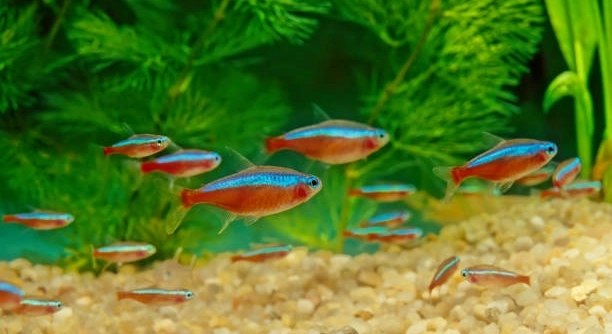
Are your tetras swimming with clamped fins, appearing tight and uncomfortable? This behavior can be concerning for any fishkeeper. Understanding why this happens is important to keep your aquarium healthy and your fish comfortable.
Clamped fins in tetras usually indicate stress or illness. Common causes include poor water quality, parasitic infections, or inadequate tank conditions. Addressing these factors quickly helps prevent further health decline and promotes recovery.
Knowing what leads to clamped fins will help you take proper care of your tetras. This article explains the key reasons behind this behavior and what steps to take next.
Common Causes of Clamped Fins in Tetras
Clamped fins often signal that something is wrong in your tetra’s environment. Poor water quality is one of the most frequent causes. When ammonia, nitrites, or nitrates build up, fish become stressed and unhealthy. Another cause is sudden changes in water temperature or pH levels. Parasites and bacterial infections can also lead to clamped fins. These infections irritate the fish, making them hold their fins close to their bodies. Overcrowding or aggressive tank mates may stress tetras, contributing to this behavior. Sometimes, a lack of hiding places or plants can increase anxiety. Keeping an eye on these conditions and maintaining a stable environment helps prevent fin clamping.
Improving water quality and tank setup usually helps tetras relax and spread their fins naturally.
Keeping your tank clean, stable, and free from disease will make a big difference. Regular water tests and slow changes prevent sudden shocks. Adding plants or decorations gives tetras safe spots to hide and feel secure.
How to Treat Clamped Fins in Tetras
Treatment depends on the cause of the fin clamping. If water quality is poor, perform partial water changes and check filtration. For infections, medications specifically designed for fish parasites or bacteria are necessary. Always follow dosing instructions carefully. Improving tank conditions reduces stress and helps the fish heal. Remove any aggressive tank mates or reduce overcrowding. Providing a consistent temperature and pH level supports recovery. In mild cases, tetras may improve just by stabilizing their environment. Nutrition also plays a role; feeding high-quality food strengthens the immune system. Patience is important, as recovery can take several days to weeks. Monitoring the fish daily ensures early detection of any new issues or setbacks. When treatment is timely and conditions are stable, tetras often regain normal fin posture and behavior.
Preventing Clamped Fins in Tetras
Regular tank maintenance is essential to prevent clamped fins. Keeping water clean and stable reduces stress on your fish. Avoid overcrowding and provide enough hiding spots for comfort. Feeding a balanced diet supports overall health and resilience.
Test your water weekly to monitor ammonia, nitrite, nitrate, and pH levels. Perform partial water changes regularly to keep the water fresh. Introduce new fish slowly and quarantine them to avoid spreading diseases. A well-filtered tank with stable temperature creates a healthy environment. Observing your tetras daily helps catch early signs of stress or illness before fins clamp. Consistency in care makes a big difference in keeping your fish happy.
Adding live plants not only improves water quality but also offers natural shelter. Using a heater ensures steady temperature, especially for sensitive species. Avoid sudden changes in lighting or decorations that might stress your tetras.
Recognizing Other Signs of Stress in Tetras
Tetras show several signs when stressed besides clamped fins. These include lethargy, loss of appetite, hiding more than usual, and unusual swimming patterns. Color fading or spots on the body can also indicate problems. Identifying these signs early helps prevent serious illness.
Stress can come from poor water conditions, infections, or aggressive tank mates. Watching your fish closely helps you spot when something is wrong. Acting quickly by checking water parameters or isolating sick fish can stop issues from worsening. Healthy fish are more active, eat well, and display vibrant colors. Stress signs often appear before visible damage, making early observation crucial. Understanding these behaviors improves your ability to maintain a peaceful aquarium environment.
Impact of Poor Water Quality on Tetras
Poor water quality stresses tetras and often causes clamped fins. Ammonia, nitrite, and nitrate levels build up quickly without regular maintenance. This environment weakens their immune system.
Dirty water encourages harmful bacteria and parasites that attack fish. Clear, clean water helps tetras stay healthy and active.
Proper Tank Setup for Tetras
A well-planned tank reduces stress and supports healthy fins. Use a filter appropriate for the tank size to keep water clean. Maintain stable temperature between 72°F and 78°F. Include live plants and hiding spots for security. Avoid overcrowding by following stocking guidelines. Regularly test water to catch issues early. A balanced environment reduces the chance of fin clamping and other health problems.
Feeding Tips for Healthy Tetras
Feed small amounts of high-quality flakes or pellets twice daily. Supplement with occasional live or frozen foods like brine shrimp. Avoid overfeeding to prevent water pollution.
When to Seek Professional Help
If clamped fins persist despite care, consult an aquarium specialist or vet.
FAQ
Why do my tetras have clamped fins all the time?
Constant clamped fins usually indicate ongoing stress or illness. It may be caused by poor water conditions, infections, or aggressive tank mates. Long-term stress weakens the immune system, making it harder for fish to recover. Regular maintenance and monitoring can reduce this problem.
Can clamped fins heal on their own?
Yes, if the cause is addressed early, clamped fins can improve without medication. Fixing water quality issues and stabilizing the tank environment often helps fish regain normal behavior. However, untreated infections or severe stress require intervention.
How often should I test my tank water?
Testing water once a week is recommended to keep levels safe. Check ammonia, nitrites, nitrates, and pH regularly. Frequent testing helps catch problems before they affect your fish’s health.
What water parameters are best for tetras?
Tetras prefer temperatures between 72°F and 78°F, pH around 6.5 to 7.5, and low ammonia, nitrites, and nitrates. Keeping these stable prevents stress and reduces clamped fins.
Is quarantine necessary for new fish?
Yes, quarantining new fish for two weeks helps prevent disease introduction. It allows you to observe for signs of illness before adding them to your main tank.
Can diet affect fin clamping?
Poor nutrition weakens fish, increasing stress and susceptibility to disease. Feeding high-quality flakes or pellets, supplemented with live or frozen foods, boosts health and helps prevent clamping.
What should I do if I suspect an infection?
Isolate the affected fish if possible and treat with appropriate medications. Follow dosage instructions carefully. Improving water quality also supports recovery.
Are aggressive tank mates a common cause?
Yes, bullying or aggressive fish stress tetras, causing clamped fins. Removing or separating aggressive fish can improve your tetras’ wellbeing.
How long does it take for fins to unclamp after treatment?
It varies but usually takes several days to a few weeks. Patience is important as the fish’s immune system recovers and stress decreases.
Can clamped fins indicate something other than stress or illness?
Rarely, but sometimes clamped fins result from genetic issues or physical injury. If water and health conditions are ideal, consider these possibilities.
Should I change the tank setup if tetras keep clamping their fins?
Yes, adding more hiding spots and plants reduces stress. Avoid sudden changes and overcrowding. A comfortable environment encourages natural behavior.
Is it normal for new tetras to clamp fins?
New fish often clamp fins temporarily due to adjusting to a new environment. This should improve with stable conditions and time.
Can temperature fluctuations cause clamped fins?
Yes, sudden changes in water temperature stress tetras and can cause fin clamping. Use a reliable heater and monitor temperature regularly.
What is the best way to perform water changes to prevent fin clamping?
Perform partial water changes of 20-30% weekly. Use a water conditioner to remove chlorine and chloramine. Avoid drastic water parameter shifts.
How do I know if clamped fins are serious?
If clamped fins last more than a few days or are accompanied by other symptoms like lethargy, loss of appetite, or discoloration, it indicates a more serious problem needing attention.
Final thoughts on why your tetras swim with clamped fins highlight the importance of a stable and healthy environment. Clamped fins are often a clear sign that something in their surroundings is causing stress or discomfort. Whether it is poor water quality, infections, or tank conditions, recognizing these issues early can prevent serious health problems. Maintaining clean water, proper temperature, and good nutrition supports your fish’s well-being and helps them display their natural behavior.
Consistency in tank care plays a big role in keeping tetras comfortable and healthy. Regular water testing, timely water changes, and monitoring for signs of illness keep the aquarium safe for your fish. Even small changes, like adding plants or ensuring enough hiding spots, make a difference. These steps create a peaceful setting that reduces stress and encourages your tetras to swim freely with fins open. It’s important to pay attention to their behavior daily, as early detection of problems often leads to quicker recovery.
Taking the time to learn about your tetras’ needs and how their environment affects them leads to better care overall. Clamped fins should not be ignored, as they indicate your fish may be struggling. By addressing common causes and maintaining a proper tank setup, you can help your tetras stay healthy and active. This care creates a more enjoyable aquarium experience and ensures your fish thrive in their home.

Hello,
If you enjoy the content that we create, please consider saying a "Thank You!" by leaving a tip.
Every little bit helps us continue crafting quality advice that supports the health, happiness, and well-being of pets around the world, for pets of all shapes, sizes, and species.
We really appreciate the kindness and support that you show us!