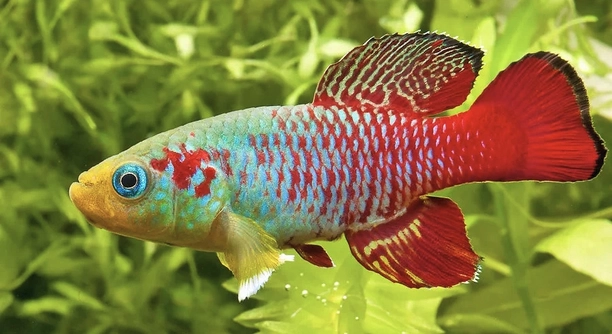
7 Ways to Reduce Aggression in Killi Tanks

Are your killifish constantly flaring, chasing, or nipping at each other, making your peaceful tank feel more like a battleground? The most effective way to reduce aggression in killifish tanks is by managing space, providing hiding spots, and carefully selecting compatible tank mates. These strategies help minimize territorial disputes and promote more balanced social interactions … Read more
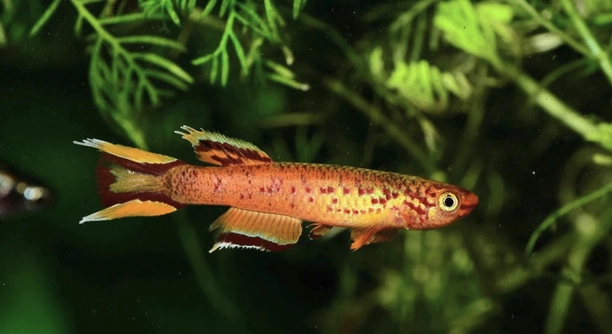
7 Surprising Facts About Killi Behavior

Do you ever find yourself watching your killifish dart around and wonder what their quirky behavior really means? Killifish display a wide range of behaviors influenced by their environment, diet, and social structure. These behaviors include jumping, burrowing, and even mock fighting. Observing these actions can reveal key insights into their health and well-being. From … Read more

How to Tell When a Killi Tank Is Overstocked

Killi tanks are popular for their vibrant fish and compact setups. Many hobbyists enjoy creating balanced environments but sometimes struggle to maintain the right number of fish in their tanks. Recognizing signs of overstocking is important for healthy tank management. An overstocked killi tank occurs when there are too many fish for the available space, … Read more

Can Killi Fish Live in Natural Ponds?

Killi fish are small, colorful freshwater fish often kept in home aquariums. Many people enjoy their peaceful nature and bright patterns. Understanding where they can live comfortably is important for their care and wellbeing. Killi fish can survive in natural ponds under specific conditions such as clean water, stable temperature, and sufficient food supply. However, … Read more

7 Benefits of Sand in Killi Fish Tanks

Do your killifish seem bored or unsettled in their tank, even when everything looks clean and well-maintained? Adding sand might help. It can make a difference in how your fish behave and feel. Sand provides a natural substrate that mimics the killifish’s native habitat, supports beneficial bacteria growth, and enhances their digging behaviors. It also … Read more

Can Killi Fish Handle Temperature Swings?

Killi fish are popular for their vibrant colors and small size. Many aquarium owners appreciate how these fish brighten up their tanks. However, keeping killi fish healthy requires understanding their needs, especially regarding temperature changes in their environment. Killi fish can tolerate some temperature swings but sudden or extreme changes can stress them and harm … Read more

7 Reasons Why Your Killi Fish Seems Lonely (+Fix)

Is your killi fish showing signs of loneliness despite being in its tank? Many fish owners notice their killi behaving differently, which can be worrying. Understanding their social needs is key to ensuring they stay healthy and content. Killi fish seem lonely when their environment lacks adequate stimulation, companions, or proper tank conditions. Loneliness results … Read more

Should You Cull Weak Killi Fry or Not?

Many hobbyists raise killi fry and often wonder about managing weaker fish in their tanks. Caring for these tiny fish can be both rewarding and challenging. Knowing how to handle weak fry plays an important role in their growth and survival. Culling weak killi fry is a common practice in breeding to improve overall stock … Read more

7 Indicators of Water Trouble for Killis

Water quality is very important for killifish, or killis, to thrive. Small changes in their environment can cause big problems. Knowing the signs of water trouble helps keep these fish healthy and happy. Killis show indicators like cloudy water, unusual fish behavior, algae growth, changes in water smell, rapid plant decay, fluctuating water temperature, and … Read more

What to Do If Killi Fry Aren’t Growing

Are your killi fry not growing as expected, even though you’re feeding them well and maintaining their tank properly each day? The most common reason killi fry aren’t growing is due to overcrowding and poor water quality. These conditions limit oxygen levels, stunt development, and increase stress. Providing ample space, regular water changes, and proper … Read more