
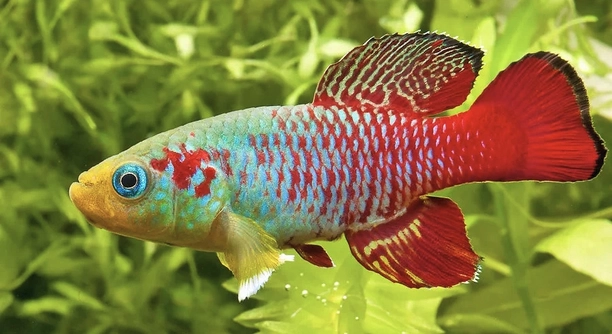
Water quality is very important for killifish, or killis, to thrive. Small changes in their environment can cause big problems. Knowing the signs of water trouble helps keep these fish healthy and happy.
Killis show indicators like cloudy water, unusual fish behavior, algae growth, changes in water smell, rapid plant decay, fluctuating water temperature, and poor water test results. These signs point to water issues that need immediate attention to prevent harm.
Recognizing these early signals can protect your killis from stress and illness. This guide will help you understand what to watch for in their tank environment.
Cloudy or Discolored Water
Cloudy or discolored water is often the first sign that something is wrong in a killifish tank. This usually happens when waste builds up too fast or the filter is not working properly. If the water looks gray, green, or brown, it means bacteria or algae are growing too much. This can harm your killis because they need clean water to breathe and stay healthy. Changing the water regularly and cleaning the tank can help prevent this problem. Also, check your filter to make sure it is running well. Overfeeding the fish can cause excess waste, so feeding them small amounts is better. When you notice cloudy water, it is important to act quickly to avoid stress or illness in your killis.
Cloudy water often signals an imbalance that needs fixing to keep killis safe.
Fixing cloudy water starts with a partial water change of about 25-50%. Clean the tank decorations and vacuum the gravel to remove debris. Make sure the filter is clean but not over-cleaned, so beneficial bacteria can stay. Avoid feeding too much, as leftover food worsens the problem. Testing the water for ammonia, nitrites, and nitrates helps track pollution levels. If algae is the cause, reduce light exposure and consider adding plants that compete with algae. Keeping the tank clean and stable improves the water quality, which makes your killis feel comfortable and thrive longer.
Changes in Fish Behavior
Killis will act differently when water quality declines. You might notice they swim slower, hide more, or gasp at the surface. Sometimes, they lose color or show signs of stress like clamped fins. These behaviors are signals your killis are uncomfortable or unwell. It is important to watch how your fish behave daily, as early detection helps prevent bigger problems. Water changes and testing can help bring your fish back to normal. Healthy killis swim actively, explore the tank, and display bright colors. When behavior shifts, it is usually because the environment is not right for them anymore.
Behavior changes in killis indicate water issues that need fixing to ensure their health.
Fish behavior gives clues about water quality and tank conditions. When killis gasp at the surface, it may mean low oxygen or too much waste. Hiding can show they feel unsafe or stressed. These reactions often appear before physical health problems, so acting early can save your fish. Test the water regularly for pH, ammonia, and nitrite levels. Keeping stable temperature and avoiding sudden changes helps too. If behavior problems continue, consider a full tank cleaning or consulting an expert. Understanding your killis’ signals makes caring for them easier and helps keep their tank a safe home.
Excessive Algae Growth
Algae growing too fast in your killifish tank can indicate water problems. It usually means there are too many nutrients, like nitrates and phosphates, in the water.
Excessive algae can block light and use up oxygen, making it hard for killis and plants to thrive. Overfeeding and too much light often cause this issue. Reducing feeding amounts and limiting light to 8–10 hours daily helps control algae. Also, regular water changes remove excess nutrients that algae feed on. Adding live plants competes with algae for nutrients, which slows algae growth naturally.
If algae covers tank surfaces or floats in clumps, it disrupts the balance of your tank. Cleaning the glass and decorations and trimming plants keeps the tank healthy. Using an algae scraper regularly prevents buildup. Watch water parameters to catch the cause early and keep algae under control for your killis’ well-being.
Sudden Water Smell Change
A noticeable smell from the tank usually means waste is building up or the filter is failing. This often happens when water changes are missed or cleaning is skipped.
Smelly water affects fish health because it shows harmful bacteria or decaying matter are present. Performing regular water changes, at least 20-30% weekly, helps remove waste before it causes odor. Cleaning filter media gently keeps good bacteria alive while removing debris. Avoid using harsh chemicals that can harm killis. Check for dead fish or uneaten food that may cause the smell and remove them quickly.
Using activated carbon in the filter can reduce odors by trapping impurities. Keeping the tank clean and monitoring the filter function prevents bad smells. A fresh-smelling tank supports your killis’ health and comfort.
Rapid Plant Decay
Rapid decay of plants in your killifish tank often signals poor water quality. It may mean the water is too polluted or lacks proper nutrients.
Decaying plants release harmful substances that can stress your killis. Removing dead leaves quickly helps keep the water clean and safe for fish.
Fluctuating Water Temperature
Water temperature that changes too often can harm killifish. Killis need stable temperatures to stay healthy and avoid stress. Sudden drops or spikes in temperature weaken their immune system, making them more prone to disease. Using a reliable heater and thermometer helps maintain a steady temperature. Avoid placing the tank near windows or heat sources that cause temperature swings. Regular monitoring prevents shock and keeps killis comfortable in their environment.
Poor Water Test Results
Test results showing high ammonia, nitrites, or nitrates warn of water problems. These toxins build up quickly and harm killifish health.
Inconsistent Water Conditions
What causes cloudy water in a killifish tank?
Cloudy water usually happens when there is a buildup of waste, uneaten food, or excess bacteria. Overfeeding is a common cause, as leftover food breaks down and pollutes the water. Poor filtration or a dirty filter can also lead to cloudiness, as it can’t clear out waste properly. Sometimes, new tanks experience “new tank syndrome,” where beneficial bacteria are still developing, causing temporary cloudiness. Regular water changes and proper tank maintenance help prevent this issue and keep water clear.
How often should I change water to avoid water trouble?
For killifish tanks, changing about 20-30% of the water weekly is a good practice. This helps remove waste and excess nutrients that build up quickly. If your tank is small or heavily stocked, more frequent changes might be needed. Always use dechlorinated water at the same temperature as the tank to avoid stressing the fish. Consistent water changes support stable water quality, reducing the risk of problems like cloudy water, algae growth, and bad odors.
Why is my killifish gasping at the surface?
Gasping at the surface often means there isn’t enough oxygen in the water. This can be caused by poor water circulation, overstocking, or water that is too warm, since warm water holds less oxygen. It can also be a sign of high levels of harmful substances like ammonia or nitrites. Increasing aeration, improving filtration, and doing water tests will help identify the cause and fix it quickly.
What should I do if I see algae growing fast in my tank?
First, reduce the amount of light your tank receives to about 8–10 hours a day. Too much light fuels algae growth. Cut back on feeding to avoid excess nutrients. Perform regular water changes to remove nitrates and phosphates. Adding live plants can compete with algae for nutrients, slowing its spread. Clean algae from glass and decorations using an algae scraper. If algae continues to grow rapidly, check water tests for imbalances and adjust care accordingly.
How can I tell if my filter is working properly?
A working filter should move water steadily, without strange noises or stops. Check that water flows smoothly and there is no buildup of debris blocking it. Smelly or cloudy water may mean the filter needs cleaning or replacement of media. However, don’t clean the filter too aggressively, as this can remove beneficial bacteria that keep the tank healthy. Regular maintenance according to the manufacturer’s instructions will keep the filter functioning well.
What water temperature is best for killifish?
Killifish generally do well in temperatures between 72°F and 78°F (22°C to 26°C). Stability is key; sudden changes can stress your fish and cause illness. Use a reliable heater and thermometer to maintain steady temperatures. Avoid placing the tank near windows, air vents, or heat sources that can cause temperature swings.
Why do my plants keep dying in the tank?
Plants die quickly if water conditions aren’t right. Poor water quality, lack of nutrients, or improper lighting can cause rapid decay. Decaying plants release toxins that affect fish health. Remove dead or dying leaves promptly and consider adding plant fertilizers if needed. Ensuring balanced lighting and clean water supports plant growth and tank health.
What do abnormal fish behaviors mean?
Unusual behavior like hiding, sluggish swimming, or loss of color signals stress or illness. Often, these changes happen when water quality is poor or temperature fluctuates. Early signs give you a chance to act before serious problems develop. Test water parameters and perform water changes if needed. Maintaining a clean, stable environment keeps killis active and colorful.
How do I reduce bad odors from the tank?
Bad smells often come from waste buildup or decaying matter. Regular water changes and tank cleaning reduce odors. Check the filter and clean it carefully to keep it working well. Remove dead fish, uneaten food, and dead plant material promptly. Using activated carbon in the filter can also help absorb odors and keep water fresh.
Can overfeeding cause water problems?
Yes, overfeeding is a common cause of water issues. Extra food that fish don’t eat breaks down and pollutes the water. This can lead to cloudy water, algae blooms, and bad smells. Feed your killifish small amounts once or twice a day, only what they can eat in a few minutes. This keeps the tank cleaner and your fish healthier.
Final thoughts on caring for killifish water quality highlight the importance of regular attention and simple steps. Keeping your tank clean, checking water conditions, and observing your fish daily can prevent many problems. Small signs like cloudy water, unusual fish behavior, or algae growth should never be ignored. These indicators tell you when the water needs help. Acting early helps your killifish stay healthy and happy in their environment. It’s much easier to maintain good water quality than to fix major issues later on.
Consistent water changes and proper filtration are the foundation of a healthy killifish tank. Changing 20-30% of the water weekly removes waste and harmful substances that build up over time. Using a good filter that runs smoothly and cleaning it carefully supports the natural balance in the tank. Avoid overfeeding your fish, as leftover food can cause pollution and algae problems. Keeping the right water temperature, stable and within the recommended range, also helps reduce stress on your killifish. These basic care routines, done regularly, make a big difference in their health and well-being.
Watching your killifish closely is another key part of good care. Changes in their behavior, like gasping at the surface, hiding, or loss of color, often signal water trouble. Paying attention to these signs allows you to fix problems early before your fish get sick. Remember that a healthy tank is not just about water clarity but about stable conditions and a balanced environment. By following simple steps like testing water regularly, cleaning the tank, and maintaining proper feeding habits, you create a safe home for your killifish to thrive. The effort you put into water care will pay off with vibrant, active fish that bring life to your aquarium.

Hello,
If you enjoy the content that we create, please consider saying a "Thank You!" by leaving a tip.
Every little bit helps us continue crafting quality advice that supports the health, happiness, and well-being of pets around the world, for pets of all shapes, sizes, and species.
We really appreciate the kindness and support that you show us!