
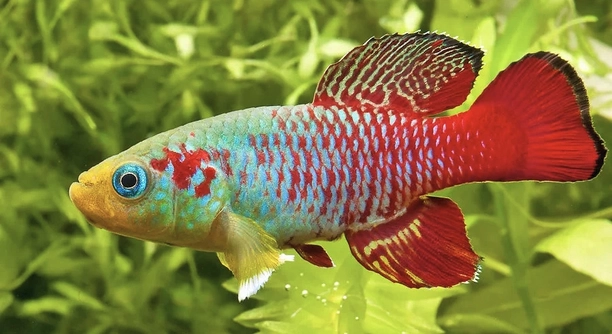
Killi fish are popular for their vibrant colors and small size. Many aquarium owners appreciate how these fish brighten up their tanks. However, keeping killi fish healthy requires understanding their needs, especially regarding temperature changes in their environment.
Killi fish can tolerate some temperature swings but sudden or extreme changes can stress them and harm their health. Maintaining a stable temperature within their preferred range is crucial for their well-being and longevity in captivity.
Knowing how temperature affects killi fish will help you create a safer, more comfortable environment for them. This article explains what temperature swings mean for these delicate fish and how to care for them properly.
Understanding Killi Fish Temperature Needs
Killi fish thrive best in stable water temperatures, usually between 68°F and 75°F (20°C to 24°C). While they can handle slight fluctuations, rapid or large swings can cause stress and make them vulnerable to diseases. These fish come from environments with relatively consistent temperatures, so sudden changes in your tank can disrupt their normal behavior. Stress from temperature swings may lead to reduced appetite, sluggishness, and weakened immune response. Maintaining a steady temperature helps keep them active and healthy. Using a reliable heater and thermometer is essential to monitor and control the tank temperature. Avoid placing the aquarium near windows or vents where drafts or sunlight can cause sudden changes. Regularly checking the temperature ensures your killi fish live in a comfortable environment that supports their natural habits and longevity.
Stable temperatures promote better breeding success and more vibrant colors in killi fish. Keeping the water within their preferred range is a simple but effective way to maintain their health.
Being aware of temperature requirements allows you to prevent problems before they arise and enjoy your killi fish for many years.
How Temperature Swings Affect Killi Fish
Temperature swings cause stress that impacts a killi fish’s metabolism and immune system. When the water gets too cold or too warm quickly, their bodies struggle to adjust. This can lead to issues such as loss of appetite, lethargy, or increased susceptibility to infections. Killi fish depend on a consistent environment to thrive, and even small changes can disrupt their delicate balance. Prolonged exposure to fluctuating temperatures may stunt growth and reduce their lifespan. It’s important to avoid sudden temperature drops or rises, especially during water changes or seasonal transitions. Using insulated tank covers and carefully acclimating new water can minimize temperature shocks.
Maintaining a steady temperature is key to supporting the natural resilience and vitality of killi fish in captivity.
Preventing Temperature Swings in Your Killi Fish Tank
Controlling temperature swings starts with proper equipment. A reliable heater with a thermostat is essential to keep water stable. Using an aquarium thermometer lets you monitor changes closely and react quickly if temperatures shift unexpectedly.
Placement of the tank is important. Avoid spots near windows, doors, or air vents where drafts or direct sunlight can cause fluctuations. Insulated tank covers help reduce temperature loss during cooler nights. When performing water changes, make sure new water is close to the tank’s temperature to prevent shocks. Regularly checking and adjusting your equipment ensures consistent conditions. These small steps create a safe space for your killi fish.
Investing in a quality heater and keeping an eye on environmental factors will reduce stress on your fish. Avoid sudden temperature changes during routine maintenance to help your fish stay healthy and active longer.
Signs of Temperature Stress in Killi Fish
Temperature stress can show up in various ways. Fish may become less active, hide more often, or stop eating. Their colors might fade, and they may display rapid breathing or erratic swimming. These behaviors indicate discomfort or illness caused by temperature issues.
Long-term stress weakens the immune system, making killi fish prone to infections and diseases. Early detection helps prevent serious health problems. Watching for these signs daily helps you respond quickly by adjusting the tank temperature or improving conditions. Proper care and attention are necessary to keep your fish thriving.
If you notice any changes in behavior or appearance, checking the water temperature should be your first step. Maintaining stable temperatures supports the health and well-being of your killi fish in the long run.
Ideal Temperature Range for Killi Fish
Killi fish do best between 68°F and 75°F (20°C to 24°C). Staying within this range keeps them comfortable and healthy. Temperatures outside this can cause stress or health issues.
Consistency matters more than exact numbers. Small daily fluctuations are usually okay, but sudden changes should be avoided to protect their well-being.
Using Heaters and Thermometers Effectively
A reliable heater with a built-in thermostat helps maintain steady water temperature. Pair it with an accurate thermometer to monitor the tank regularly. Checking temperature twice a day can prevent surprises. Proper equipment reduces risks from temperature swings and keeps the tank environment stable.
Acclimating Killi Fish to New Temperatures
Slow acclimation prevents shock. Introduce new fish or water gradually, allowing them to adjust over time. Sudden exposure to different temperatures can harm or stress killi fish. Taking time during acclimation supports their health and helps them settle comfortably into the tank.
Monitoring Water Quality Alongside Temperature
Water quality and temperature work together. Poor water conditions worsen stress from temperature changes. Keeping ammonia, nitrite, and nitrate levels low supports fish health. Regular water tests and cleanings improve overall tank stability for killi fish.
How much temperature fluctuation can killi fish tolerate?
Killi fish can handle small daily temperature changes of about 2 to 3 degrees Fahrenheit without serious problems. However, sudden or large shifts beyond this range can stress them. Consistency is key because their bodies need time to adjust to any change in water temperature. Avoid letting the temperature swing rapidly in your tank, especially during water changes or if the room temperature varies significantly.
What happens if the water temperature gets too low?
If the temperature drops below the preferred range, killi fish can become sluggish and less active. Their metabolism slows down, which means they eat less and grow more slowly. Prolonged cold stress can weaken their immune system, making them more vulnerable to diseases. In extreme cases, too cold water can cause serious health issues or even death. It’s important to keep the water warm enough to support their natural activity levels.
Can killi fish survive if the temperature rises too high?
When the water gets too warm, oxygen levels drop, making it harder for killi fish to breathe. High temperatures also increase their metabolism, which can stress their organs and shorten their lifespan. If temperatures stay too high for too long, the fish may become lethargic, lose appetite, or develop infections. Keeping the tank temperature within the safe range helps prevent these problems and promotes a longer, healthier life for your fish.
How do I prevent temperature swings during water changes?
To avoid shocking your killi fish, always match the temperature of new water to the tank’s temperature before adding it. Use a separate container to adjust the new water gradually, either by heating or cooling it as needed. Pour the water slowly and in small amounts to help the fish adjust smoothly. This simple step reduces stress and protects their health during routine maintenance.
Is a heater necessary for a killi fish tank?
Yes, a heater is often needed, especially in cooler climates or during winter months. Killi fish require stable temperatures, and room temperature alone may not be enough to keep their environment consistent. A heater with a reliable thermostat allows precise control over the tank temperature, preventing dangerous fluctuations. Investing in quality equipment is essential for their well-being.
Can killi fish tolerate room temperature fluctuations without a heater?
In warm climates or during summer, some killi fish may tolerate natural room temperature changes. However, these fluctuations can still be risky if they exceed the fish’s comfort range. Without a heater, you have less control, and sudden drops at night or cold drafts may harm your fish. Using a heater offers a safer and more stable environment overall.
What signs show my killi fish is stressed from temperature changes?
Look for signs like hiding more than usual, loss of appetite, faded colors, rapid breathing, or unusual swimming patterns. These behaviors suggest discomfort or illness caused by temperature stress. Spotting these early allows you to check tank conditions and make corrections before health worsens.
How often should I check the tank temperature?
Checking twice daily is a good practice, especially if you don’t have automated temperature control. Morning and evening checks catch any changes caused by room temperature shifts. Regular monitoring helps you react quickly if the heater fails or if other issues arise, protecting your fish from temperature-related stress.
Does temperature affect killi fish breeding?
Yes, stable temperatures within their ideal range encourage breeding behavior. Fluctuating or extreme temperatures can disrupt spawning and reduce the chances of successful fry development. Consistent warmth supports egg fertilization and healthy growth of the young fish. Keeping the tank temperature steady improves breeding outcomes.
What else should I consider besides temperature for killi fish care?
Along with temperature, water quality is crucial. Ammonia, nitrite, and nitrate levels should be kept low through regular testing and water changes. Proper filtration, balanced feeding, and tank maintenance work together to create a healthy environment. Temperature control is just one part of overall care that helps your killi fish thrive.
Maintaining a stable temperature is one of the most important aspects of keeping killi fish healthy. These fish are sensitive to sudden changes in their environment, especially when it comes to water temperature. Even though they can handle small fluctuations, large or rapid swings can cause stress that affects their behavior and overall well-being. Using a good-quality heater and regularly checking the temperature can help create a comfortable and consistent habitat. It is also important to avoid placing the tank in areas where temperature changes happen often, like near windows or vents. Taking these steps ensures that your killi fish stay active, eat well, and live longer.
Temperature control goes hand in hand with other key factors in fish care. Alongside keeping the water warm and steady, you need to pay attention to water quality and tank cleanliness. Poor water conditions combined with temperature swings increase the risk of disease and stress. Regular water changes, good filtration, and monitoring water parameters support a healthy environment for your killi fish. Additionally, when introducing new water or fish, slow acclimation helps them adjust without shock. Creating a balanced habitat with stable temperature and clean water will help your fish thrive and show their natural colors and behavior.
In summary, understanding and managing temperature swings is crucial for anyone keeping killi fish. It protects them from stress and health problems, allowing them to flourish in captivity. While it may seem like a small detail, temperature stability affects many aspects of their life, including activity levels and breeding success. By paying attention to tank setup, equipment, and daily care, you can provide the best conditions for your killi fish. This care makes a big difference in their happiness and longevity, making your aquarium a vibrant and enjoyable space.

Hello,
If you enjoy the content that we create, please consider saying a "Thank You!" by leaving a tip.
Every little bit helps us continue crafting quality advice that supports the health, happiness, and well-being of pets around the world, for pets of all shapes, sizes, and species.
We really appreciate the kindness and support that you show us!