
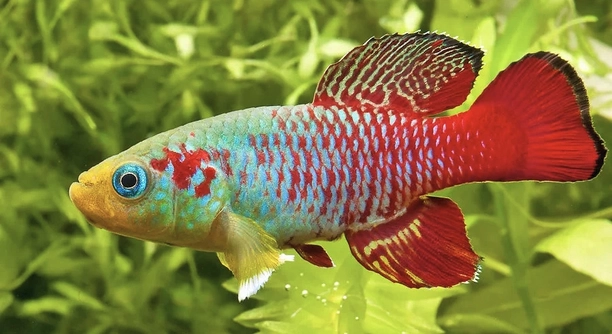
Do your killifish seem bored or unsettled in their tank, even when everything looks clean and well-maintained? Adding sand might help. It can make a difference in how your fish behave and feel.
Sand provides a natural substrate that mimics the killifish’s native habitat, supports beneficial bacteria growth, and enhances their digging behaviors. It also improves tank aesthetics, stabilizes decor, and helps maintain water quality by trapping debris more effectively.
Sand isn’t just for looks—it plays an active role in your killifish’s environment, comfort, and overall tank stability.
Natural Habitat for Killifish
Adding sand to a killifish tank helps recreate their natural habitat. These fish often come from soft-bottom environments like slow-moving streams and marshes. A sandy substrate gives them a familiar space where they can display natural behaviors. They feel more secure when the tank mimics the conditions they’re used to in the wild. The soft surface is gentle on their bodies, especially when they swim close to the bottom or forage. Unlike gravel, which can look out of place in certain setups, sand has a more natural look. It also works well with plants and driftwood, helping tie the setup together. With the right type of sand, your killifish may become more active and exhibit healthier patterns. It creates a better space for resting, exploring, and even laying eggs. Whether you’re new to keeping killifish or have experience, using sand creates a more suitable and peaceful environment for them.
A soft, natural surface can reduce stress and keep your killifish comfortable throughout the day and night.
When killifish are kept in an environment that closely matches their natural one, they tend to thrive. Their movement becomes more fluid, they eat more regularly, and they even rest more peacefully. This is especially true for shy species that prefer sand over rougher substrates. Watching them settle into the sand or sift through it with their mouths can be a calming sight. Sand doesn’t just make the tank look better—it gives the fish something familiar. Fish that feel safe show brighter colors and more consistent behavior. Sand can also absorb some sound and reduce vibrations, making the tank quieter for the fish. The overall benefit is a calmer, more balanced space where your killifish can behave naturally and stay healthy. It also makes your viewing experience more enjoyable, knowing that your fish are in a space that suits them well.
Boosts Beneficial Bacteria
Sand has a fine texture that helps beneficial bacteria settle and multiply faster than in bare or gravel-bottom tanks.
This bacteria plays a major role in your tank’s health. It helps break down waste from food and fish, keeping the ammonia and nitrite levels in check. A healthy layer of beneficial bacteria supports the nitrogen cycle, which is essential for any tank. Sand offers a larger surface area in tiny grains, which helps the bacteria grow evenly throughout the tank bed. This means your tank water stays cleaner for longer, reducing the chances of dangerous spikes. For killifish, a stable tank means fewer illnesses and less stress. When you rinse the sand properly and avoid stirring it too much, it stays an effective base for bacteria. Just be sure to use a sand type that is aquarium-safe and designed for fish tanks. You’ll notice over time that your tank requires fewer water changes and your killifish appear more active and alert.
Encourages Natural Foraging
Killifish enjoy sifting through soft sand in search of food particles. This natural foraging behavior keeps them mentally stimulated and physically active in a healthy, non-stressful way.
Foraging in sand mimics what killifish would do in the wild. They often look for micro-foods like leftover flakes, biofilm, or small invertebrates that settle on or just below the surface. A sandy substrate allows them to gently push through the material without injury. It also promotes a calmer feeding style, especially in shy fish. When fish can search for food naturally, they spend more time engaged and less time stressed. This results in a better feeding routine and more consistent appetite. It may also reduce aggressive behavior between fish, as they have more space and time to forage without competition. Over time, you’ll notice your killifish are more relaxed and display better interaction with their environment.
Sand makes mealtimes more interactive and satisfying. It allows your killifish to stay busy and stimulated, which reduces boredom. Killifish will often explore the sand even when they’re not hungry. This gentle digging action is soothing to them and also helps stir up nutrients, which benefits any rooted plants in the tank. In tanks without sand, killifish often appear less active or may even display mild signs of stress. The presence of sand gives them more control over their surroundings, allowing them to explore at their own pace. As they sift through the sand, they feel safer and more in control of their space. This kind of stimulation supports both their physical and mental well-being, making it easier for you to maintain a balanced, engaging tank environment. It’s one of the easiest ways to support natural behavior without needing extra equipment.
Supports Egg Laying and Fry Protection
Many killifish species scatter their eggs or lay them directly in substrate. Sand provides a soft and secure place for these eggs, helping protect them during early development.
In tanks with coarse gravel or no substrate at all, eggs are more likely to become damaged or eaten. Sand offers a safer landing for eggs and allows them to settle without falling too deep. Some species even partially bury their eggs, which becomes difficult without sand. If you’re planning to breed killifish, having a sand base can make a noticeable difference in egg survival. It also helps keep the eggs in place without too much movement from water flow. In a naturalistic setup, adult fish often instinctively avoid disturbing eggs laid in sand. The fine grains also create tiny pockets where fry can safely hide after hatching. These hiding spots reduce the chances of predation and support better early growth. Sand quietly supports the entire breeding process.
Reduces Injury Risk
Sand is much gentler on a killifish’s delicate fins and body compared to rough gravel or bare-bottom tanks. It prevents scraping and tearing, especially when fish swim near the bottom or rest along the substrate.
Injury risk is lower with sand, making it a safer choice for sensitive or shy species. Fish are less likely to damage their mouths or bellies while foraging, especially since killifish often poke at the substrate in search of food.
Enhances Tank Appearance
Sand improves the overall look of a tank by giving it a clean, natural base. It reflects light softly, making the colors of your killifish stand out more. The smooth texture blends well with plants, rocks, and driftwood. This creates a peaceful setting that’s both relaxing and realistic.
Stabilizes Tank Decor
Sand helps hold down decorations and plants better than gravel. Items stay in place during water changes or filter flow.
FAQ
What kind of sand is best for killifish tanks?
Aquarium-safe sand is the best option. Look for products labeled as freshwater aquarium sand or inert sand, which won’t alter water chemistry. Avoid using play sand or construction sand, as these may contain impurities or sharp particles. Pool filter sand is a safe and affordable choice, often used by fishkeepers because of its consistent grain size and smooth texture. You should always rinse any sand thoroughly before adding it to your tank to remove dust and reduce cloudiness. A fine, soft grain is ideal for killifish since it supports foraging and reduces the risk of injury.
Can sand affect water quality in the tank?
Yes, but usually in a helpful way. Sand can improve water quality by trapping small debris and supporting beneficial bacteria. These bacteria help process waste and keep ammonia and nitrite levels low. However, if not maintained properly, uneaten food or waste may build up and cause poor water conditions. It’s important to stir the sand gently every week during maintenance and vacuum the surface with a siphon to prevent anaerobic spots. Choosing the right sand type and performing regular cleaning will keep your water clear and balanced, promoting a healthy space for your killifish.
Do I need a special filter for a sand substrate?
You can use a standard filter, but make sure the intake is slightly elevated or covered with a sponge. This prevents sand from getting sucked into the filter, which could damage the motor over time. A sponge filter works especially well in sand-bottom tanks, offering gentle flow that won’t disturb the substrate. You don’t need a specialized system, but positioning your equipment carefully will help maintain both the filter and the sand bed. Just keep the current gentle to avoid kicking up fine particles. Most basic setups work well with sand when adjusted properly.
How deep should the sand layer be?
A depth of 1 to 2 inches is usually enough. This allows space for beneficial bacteria to grow and provides enough room for foraging behaviors. If you plan to add live plants with roots, you may want to go a little deeper—up to 3 inches. Avoid making the sand too deep, as it can cause oxygen-poor zones where harmful gases may develop. A moderate layer is easy to maintain and provides all the benefits without becoming a hazard. It also allows for light rearranging without stirring up too much debris during cleanings.
Will sand make my tank cloudy?
New sand can cause some cloudiness, especially if it isn’t rinsed well before adding it. This cloudiness is usually temporary and clears up within a day or two with proper filtration. Rinse the sand thoroughly in small batches until the water runs mostly clear. Using a filter with mechanical media like fine sponges or filter floss can help speed up the process. Once settled, sand doesn’t stay suspended like lighter substrates. If the tank gets cloudy again during cleaning, give it time to settle and avoid stirring the sand too aggressively.
Is sand easy to clean compared to gravel?
Yes, sand is fairly easy to clean once you get used to it. Use a siphon to gently hover above the surface, sucking up waste without removing too much sand. Because waste tends to sit on top instead of falling through, it’s easier to spot and remove. Avoid digging deep into the sand during cleaning—just surface cleaning is enough. Once you develop a routine, sand becomes a low-maintenance option. It also helps reduce how often you need to do full tank cleanings, since it supports beneficial bacteria that break down waste more effectively.
Final Thoughts
Adding sand to a killifish tank is a simple change that offers many long-term benefits. It helps create a more natural and calming environment that supports the fish’s health and comfort. Sand encourages natural behaviors like foraging and resting. It also gives eggs and young fry a safe place to develop. Many killifish come from soft-bottom habitats, so having sand in the tank lets them feel more at home. When fish are comfortable in their space, they show better color, eat more regularly, and stay more active. Sand also works well with live plants and helps hold decorations in place, which improves the look and function of your tank.
Sand is also useful when it comes to water health. The fine texture gives helpful bacteria more surface area to grow. These bacteria break down waste and help balance the tank’s water levels. Cleaner water means healthier fish and less stress. While sand needs some care to avoid buildup of waste or gas pockets, a light cleaning routine each week is usually enough. A simple siphon and occasional stirring can keep things in good shape. Compared to gravel or bare-bottom tanks, sand can offer more support for both fish and the overall system. It also makes the tank look smoother and more peaceful, which adds to the enjoyment of keeping killifish.
Choosing the right kind of sand and using it correctly makes a big difference. Always rinse the sand well before adding it, and aim for a layer that’s not too deep. Avoid sharp sand or anything not labeled safe for aquariums. A good setup with sand doesn’t need a lot of extra gear or changes. Most standard filters work fine as long as they’re not too strong. Once you set it up and keep a simple routine, you’ll notice the difference in how your fish behave and look. For many fishkeepers, switching to sand is a small but meaningful improvement. It makes the tank more stable and gives the fish a better quality of life. Whether you’re starting a new tank or looking to improve your current setup, sand is a thoughtful option worth considering.

Hello,
If you enjoy the content that we create, please consider saying a "Thank You!" by leaving a tip.
Every little bit helps us continue crafting quality advice that supports the health, happiness, and well-being of pets around the world, for pets of all shapes, sizes, and species.
We really appreciate the kindness and support that you show us!