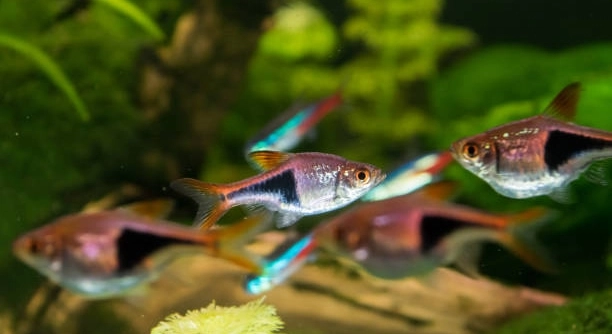
Why Rasbora Might Bump Into Tank Walls

Do your rasboras sometimes swim straight into the tank walls, leaving you unsure about what might be going wrong in their setup? Rasboras may bump into tank walls due to stress, poor lighting, reflective surfaces, or health issues affecting their vision or spatial awareness. Identifying and adjusting environmental factors can significantly reduce this behavior and … Read more
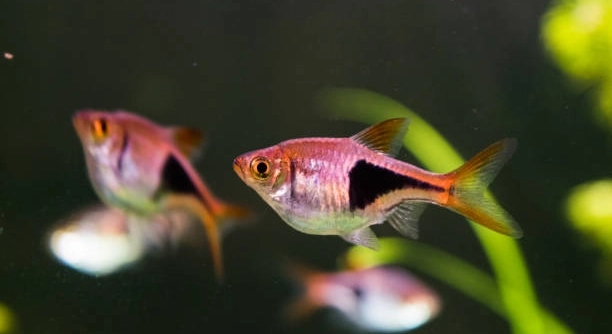
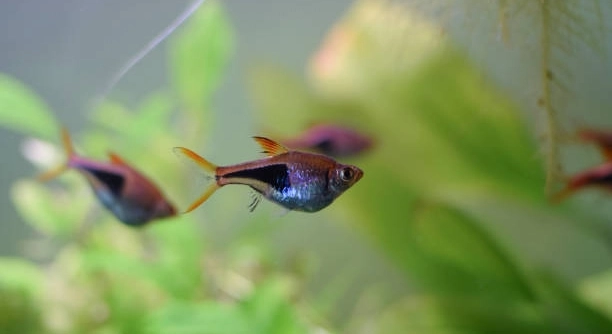
7 Signs Rasbora Enjoy Their Environment

Rasboras are popular freshwater fish known for their peaceful nature and vibrant colors. Many aquarium owners enjoy keeping them because they add life and movement to their tanks. Understanding how rasboras behave can help ensure they thrive in their environment. Rasboras display signs of enjoyment through active swimming, vibrant coloration, regular feeding, social interaction, calm … Read more

Do Rasbora Learn Their Tank’s Layout?

Many aquarium enthusiasts enjoy watching their Rasbora swim actively throughout the tank. These small fish seem to explore their surroundings with ease. Understanding whether Rasbora can learn and adapt to their tank’s layout is important for creating a comfortable environment. Research indicates that Rasbora do exhibit a form of spatial awareness, allowing them to recognize … Read more

What It Means When Rasbora Break Formation

Rasboras are small, peaceful fish often kept in home aquariums. They usually swim together in tight groups, creating a beautiful, synchronized formation. When they suddenly break formation, it can be surprising for observers and owners alike. When rasboras break formation, it usually signals a response to stress or perceived danger. This behavior is an instinctive … Read more

How to Tell If Rasbora Like Their Tank Setup

Rasboras are small, colorful fish that many people enjoy keeping in home aquariums. These lively swimmers thrive best in tanks that meet their specific needs. Creating a comfortable environment helps them stay healthy and active. Rasboras show they like their tank setup by displaying calm swimming patterns, vibrant colors, regular feeding behavior, and minimal signs … Read more

7 Reasons Rasbora Stay Near the Surface

Do your rasboras often hang around the top of the tank, making you wonder if something might be off in their environment? Rasboras tend to stay near the surface mainly due to oxygen levels, feeding habits, light attraction, or water quality issues. These behaviors are usually natural, but sometimes they indicate an imbalance in their … Read more

How Rasbora Respond to Human Voices

Rasboras are small, colorful fish often kept in home aquariums. Many fish owners wonder how these delicate creatures react to sounds in their environment. Human voices are one type of sound that may influence their behavior. Rasboras show measurable responses to human voices, often altering their swimming patterns and activity levels. These reactions vary depending … Read more

How to Handle Aggressive Rasbora

Are your peaceful Rasboras suddenly causing trouble in the tank, chasing tank mates, or nipping at fins without warning? Aggressive behavior in Rasboras is often triggered by stress, overcrowding, or poor tank conditions. Maintaining stable water parameters, providing adequate space, and creating hiding spots can significantly reduce aggression and restore harmony within the aquarium. Understanding … Read more

7 Tank Mates That Stress Out Rasbora

Rasboras are popular small fish that many aquarium owners enjoy keeping. They are peaceful and add color to community tanks. However, not all tank mates are good companions for them, and some can cause stress. Certain fish species and tank mates can stress out rasboras by being aggressive, overly active, or competing for space and … Read more

7 Reasons Why Rasbora Get Lonely

Do you ever notice your rasboras acting differently when they’re alone or not schooling like they usually do? Rasboras get lonely because they are naturally social fish that rely on group behavior for safety, communication, and mental stimulation. Isolation can lead to stress, poor health, and changes in behavior or appetite. Knowing why rasboras need … Read more