
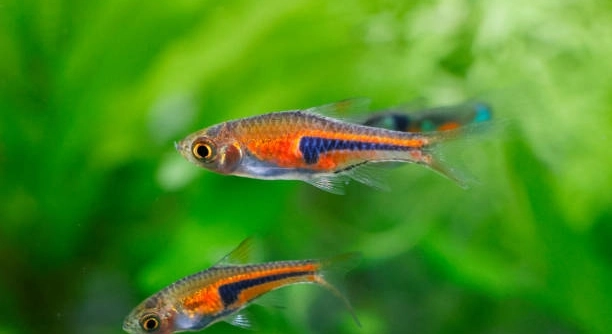
Rasboras are small, colorful fish that many people enjoy keeping in home aquariums. These lively swimmers thrive best in tanks that meet their specific needs. Creating a comfortable environment helps them stay healthy and active.
Rasboras show they like their tank setup by displaying calm swimming patterns, vibrant colors, regular feeding behavior, and minimal signs of stress or hiding. Proper water conditions and appropriate tank decor contribute significantly to their well-being.
Knowing these signs will help you provide the best care for your rasboras and create a pleasant tank environment for them to flourish.
Recognizing Comfortable Behavior in Rasboras
Rasboras that enjoy their tank setup tend to swim smoothly and confidently throughout their environment. They explore open spaces calmly without frantic darting or excessive hiding. You’ll notice their colors are bright and consistent, which signals good health and comfort. When the water temperature, pH, and cleanliness are right, they tend to eat regularly and show interest in food. Stress signs like clamped fins, sluggish movement, or hiding behind plants usually mean something in the setup is off. Providing plenty of plants and gentle water flow mimics their natural habitat and helps them feel secure. It’s also important that the tank size matches their schooling nature, as they feel safer in groups. Watching these behaviors can tell you a lot about their happiness and whether the tank conditions suit them well.
A stable and well-maintained tank encourages rasboras to act naturally, making it easier to tell if they like their surroundings.
Observing their movement, feeding habits, and coloration is key to understanding their comfort. A tank that supports these behaviors helps keep your rasboras healthy and lively, making your care efforts worthwhile.
Tank Conditions That Impact Rasbora Comfort
Good water quality is essential for rasboras to feel comfortable. Clean water with stable parameters, such as a temperature between 72°F and 78°F and a pH around 6.5 to 7.5, suits them best. Sudden changes or poor filtration can cause stress. Decorations like plants, smooth gravel, and hiding spots offer shelter and reduce anxiety. Lighting should be moderate, as too bright can cause them to hide more often. The tank must be large enough to accommodate their active schooling behavior — at least 10 gallons for a small group is recommended. Regular water changes and careful monitoring help maintain these conditions. When all these factors are balanced, rasboras will show signs of contentment and thrive in their setup.
Proper care and attention to tank details create an environment where rasboras can feel safe and happy.
Maintaining consistent water quality, providing plants, and ensuring enough space prevents stress and supports natural behavior. These factors contribute to a healthy tank environment that promotes their well-being over time.
Signs of Stress in Rasboras
Stress in rasboras often shows through unusual behavior such as hiding constantly, erratic swimming, or loss of color. They may stop eating or become lethargic. These signs usually mean their tank setup needs adjustment to reduce discomfort.
If rasboras hide behind decorations or plants more than usual, it indicates they don’t feel secure. Rapid or frantic swimming can be a response to poor water quality or aggressive tank mates. Loss of vibrant color suggests stress or illness, often linked to water issues or improper tank conditions. Watching these behaviors closely helps identify when something needs fixing.
Addressing the causes of stress, like adjusting water parameters or removing aggressive fish, improves their well-being. Simple changes such as adding more plants or providing a stable environment often help rasboras regain their natural behavior and appearance.
Adjusting Your Tank for Rasbora Comfort
Changing the tank environment can help rasboras feel more at ease. Adding live plants and smooth substrates reduces stress by mimicking their natural habitat. It also offers hiding spots, which are essential.
Live plants not only improve water quality but provide shade and shelter. Smooth gravel or sand prevents injuries and makes the tank feel safer. Avoid sharp decorations that can harm delicate fins. Keep lighting moderate to prevent overstimulation. Ensuring enough space for swimming in schools is important, as they thrive when kept in groups of six or more. Regular water tests and gentle filtration help maintain ideal conditions. Small tweaks like these can make a big difference in how your rasboras behave and thrive in their tank.
Feeding Behavior as an Indicator
Healthy rasboras show interest during feeding times and eagerly swim toward food. A lack of appetite or hiding when food is introduced can signal discomfort or illness. Regular feeding response reflects their comfort in the tank.
Consistent feeding habits show they trust their environment. Changes in appetite often indicate a problem with tank conditions or health that needs attention.
Importance of Schooling for Rasboras
Rasboras are social fish that feel safer and more comfortable in groups of six or more. Schooling reduces stress and encourages natural behaviors like synchronized swimming. Without enough companions, they may become shy, stressed, or inactive. Keeping them in groups helps maintain their happiness and well-being in captivity.
Watching Their Colors
Vibrant coloration is a sign of good health and comfort. Dull or faded colors may suggest stress, poor water quality, or improper diet.
FAQ
How can I tell if my rasboras are happy in their tank?
Happy rasboras swim calmly and actively in groups, show bright colors, and eat regularly. They don’t hide excessively and explore their environment with ease. When they display natural schooling behavior and interact peacefully, it means they feel secure and comfortable in their tank setup.
What are the main signs that rasboras are stressed?
Signs of stress include hiding most of the time, frantic or erratic swimming, loss of color, and reduced appetite. They may also show clamped fins or lethargy. These behaviors often point to poor water quality, inappropriate tank mates, or unsuitable tank conditions.
Why is schooling important for rasboras?
Rasboras are schooling fish that rely on being in groups to feel safe. Without enough companions, they become shy and stressed, which can affect their health. Keeping at least six together encourages natural swimming patterns and reduces anxiety.
How often should I feed my rasboras?
Feeding once or twice a day with small amounts of high-quality flakes, pellets, or frozen food works best. Overfeeding can harm water quality and stress the fish, so only give what they can consume in a few minutes.
What tank size is best for rasboras?
A minimum of 10 gallons is recommended for a small group of rasboras. This size provides enough swimming space for their schooling behavior and helps maintain stable water conditions.
What water parameters do rasboras prefer?
Rasboras thrive in temperatures between 72°F and 78°F, with a pH of 6.5 to 7.5. Stable water conditions with low ammonia and nitrite levels are essential for their comfort and health.
Can I keep rasboras with other fish?
Yes, rasboras are peaceful and do well with other non-aggressive fish. Avoid larger or aggressive species that may stress or harm them. Good tank mates include small tetras, gouramis, and peaceful bottom dwellers.
How do live plants help rasboras?
Live plants provide hiding spots and reduce stress by creating a natural environment. They also improve water quality by absorbing nitrates and producing oxygen, making the tank healthier overall.
What should I do if my rasboras show signs of illness?
First, check water quality and make sure it is within the right parameters. Quarantine any sick fish to prevent spreading disease. Consult a specialist or veterinarian for appropriate treatment if symptoms persist.
How often should I change the water in my rasbora tank?
Regular water changes of about 20-30% once a week help maintain clean water and stable conditions. Avoid changing too much water at once, which can shock the fish and cause stress.
These answers focus on keeping rasboras comfortable and healthy by observing their behavior and maintaining proper tank care. Following these guidelines helps create an environment where your rasboras can thrive and display their natural beauty.
Final Thoughts
Taking care of rasboras means paying attention to their behavior and tank conditions. These small fish need a clean, stable environment to feel comfortable and show their natural colors and activity. Watching how they swim, eat, and interact with each other can tell you if they like their tank setup. When they seem calm and lively, it usually means everything is right. On the other hand, hiding, dull colors, or unusual swimming often point to problems that should be fixed.
Creating a good home for rasboras involves more than just the right tank size. Water quality, temperature, and the right decorations all play important roles. Live plants and smooth gravel make the tank feel more natural and safe for these fish. Keeping them in groups helps reduce stress and encourages healthy behavior. Regular water changes and careful feeding also keep the environment balanced and comfortable. By keeping an eye on these details, you can make sure your rasboras live a happy and healthy life.
Remember, small adjustments can make a big difference. If you notice signs of stress or discomfort, try changing one thing at a time to find what helps. Whether it is adjusting the water temperature, adding more plants, or changing the tankmates, these changes can improve the quality of life for your rasboras. Paying close attention to their needs will help you enjoy watching their vibrant colors and natural behavior for a long time. Taking the time to learn and care for them properly is rewarding and makes the tank a pleasant space for both the fish and you.

Hello,
If you enjoy the content that we create, please consider saying a "Thank You!" by leaving a tip.
Every little bit helps us continue crafting quality advice that supports the health, happiness, and well-being of pets around the world, for pets of all shapes, sizes, and species.
We really appreciate the kindness and support that you show us!