
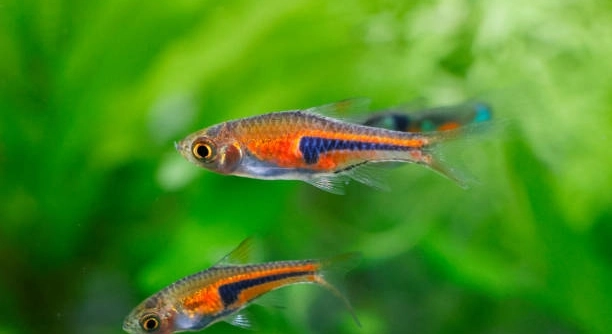
Do your rasboras often hang around the top of the tank, making you wonder if something might be off in their environment?
Rasboras tend to stay near the surface mainly due to oxygen levels, feeding habits, light attraction, or water quality issues. These behaviors are usually natural, but sometimes they indicate an imbalance in their tank conditions.
Understanding why rasboras stay near the surface can help you improve their care and make their environment safer and more comfortable.
They Follow the Food
Rasboras are top feeders by nature. In many aquariums, flakes and floating pellets tend to stay near the surface, and rasboras quickly learn that’s where meals appear. Their small mouths are well-suited for catching food as it drifts across the top of the water. Over time, they associate the surface with feeding time, especially if they are regularly fed in the same spot. If your rasboras are always near the top, it may simply mean they expect food. This behavior is especially noticeable when someone walks by the tank or when it’s close to their regular feeding hour. They’re alert, active, and watching for movement. In this case, it’s completely normal and not a cause for concern. They’re just following their instincts and daily patterns. As long as they’re eating well and look healthy, this surface-hanging habit is likely tied to their feeding routine rather than anything being wrong.
This kind of behavior is more common in tanks where food consistently floats.
If you want to change it, try using sinking pellets now and then. Rasboras will slowly adapt to new feeding habits and become more active throughout the tank, rather than just at the top. Just give them time to adjust.
Poor Oxygen Levels
When oxygen is low in the tank, rasboras will move to the surface because that’s where oxygen concentration is higher.
Low oxygen in the tank can be caused by high temperatures, lack of surface agitation, overcrowding, or poor maintenance. Warmer water holds less oxygen, and without enough movement on the surface, gases don’t exchange properly. This makes it harder for fish to breathe comfortably. Rasboras, like many small fish, will respond quickly to these changes. You may notice them staying at the top, breathing more heavily, or being less active than usual. To fix this, start by checking your tank’s water temperature and make sure it isn’t too warm. Adding an air stone, sponge filter, or simply adjusting your filter output to ripple the surface can improve oxygen levels fast. Regular water changes also help. If your rasboras return to swimming throughout the tank after making these changes, you’ll know low oxygen was the reason. This is one of the more common reasons rasboras linger at the surface.
They Like the Light
Rasboras are naturally drawn to light, especially in tanks with strong overhead lighting. The brightness often concentrates near the surface, and these fish enjoy staying in well-lit areas where they feel more alert and active. It’s a normal part of their daily behavior.
If your lighting setup is particularly bright, rasboras may cluster near the top simply because it feels more comfortable or familiar to them. This behavior is more noticeable when the rest of the tank is dim or shaded. You can try adjusting the light intensity or adding floating plants to create a more balanced lighting environment. This gives them options—places to swim both in light and in shade. Some rasboras may prefer the dappled effect floating plants provide, making them feel safe while still staying close to the light source they enjoy. It doesn’t mean anything is wrong; it’s just a preference.
They may also stay near the surface in tanks with tall plants or limited swimming space. The surface gives them more room to move and interact with their environment. If the bottom areas of the tank feel cramped or dark, rasboras will naturally spend more time in the upper levels. It’s a way for them to stay active and alert.
They Sense a Water Quality Issue
Rasboras often stay near the surface when something feels off in the water. Even small changes in ammonia, nitrite, or nitrate levels can stress them. If water quality drops, they look for comfort higher up.
Poor water conditions usually affect fish behavior before you notice any visual signs. Rasboras are sensitive to changes and may react quickly to things like leftover food, decaying plants, or infrequent water changes. If they stay at the top and seem restless, it’s worth testing your water. A reliable test kit helps spot problems early. If ammonia or nitrite levels are above zero, take action right away with a partial water change. Make sure your filter is running well and clean, but not over-cleaned. Sometimes even a clogged filter can affect water clarity and oxygen flow. Keeping the tank clean and cycled goes a long way in preventing this kind of surface behavior.
They’re Getting Used to a New Tank
Rasboras often hang near the surface when they’re adjusting to a new environment. It’s how they stay alert while figuring out if the space is safe. New setups can make them nervous.
During this time, they may also group tightly together and avoid exploring the lower areas. This behavior usually fades once they feel more secure.
They’re Avoiding Aggression
Rasboras are peaceful, and if they’re being chased or bothered by other tank mates, they’ll escape to the top. It’s their way of staying out of reach. Over time, constant stress can wear them down, so it’s worth checking for bullying or overcrowding.
They’re Simply Resting
Rasboras sometimes pause near the surface to rest. It’s normal, especially if the tank is quiet. As long as they’re not gasping or sluggish, it’s usually nothing to worry about.
FAQ
Why do rasboras stay near the surface all the time?
Rasboras naturally swim near the surface for several reasons like feeding, oxygen levels, and light. If they’re there all the time, it may signal poor water quality or stress. Regular testing and maintaining a clean tank often helps. Adjusting feeding habits and lighting can also encourage them to explore lower levels.
Is it normal for rasboras to gulp air at the surface?
Occasionally gulping air can be normal if oxygen is low in the tank. But frequent gulping means your tank might need better aeration or water changes. Adding an air stone or increasing surface movement can improve oxygen levels quickly and help your rasboras feel more comfortable.
Can overcrowding cause rasboras to stay near the surface?
Yes. Overcrowding stresses fish and reduces oxygen, making rasboras stay near the surface to breathe easier. Providing enough space and avoiding too many fish in a small tank helps prevent this behavior. Keep stocking levels moderate to support healthy, active rasboras.
How does temperature affect rasboras’ position in the tank?
Higher water temperatures lower oxygen levels, so rasboras move toward the surface for more air. Maintaining the recommended temperature range for your rasbora species keeps oxygen balanced and their behavior normal. Use a reliable heater and thermometer to avoid sudden changes.
Should I be worried if rasboras only stay at the surface during feeding?
No, this is common. Rasboras learn to expect food at the top and will wait there. It’s a natural feeding response, especially if flakes or pellets float. Just make sure they eat enough and don’t ignore other tank levels to keep them active and healthy.
How can I encourage rasboras to swim throughout the tank?
Try feeding sinking pellets sometimes and add plants or decorations to create hiding spots at lower levels. Adjust lighting to balance brightness. These small changes make the entire tank more inviting, encouraging rasboras to explore beyond the surface.
Could illness cause rasboras to stay near the surface?
Yes, illness or stress often changes fish behavior, including staying near the surface. Watch for other signs like clamped fins, loss of appetite, or unusual swimming. If you notice these, test water quality and consider consulting a vet or experienced aquarist for treatment advice.
Do rasboras ever stay near the surface to rest?
Sometimes, rasboras rest near the surface in a quiet, calm tank. This is normal if they appear relaxed and healthy. If resting turns into gasping or sluggishness, it might indicate low oxygen or illness, so keep an eye on their overall behavior.
How often should I check my tank water if rasboras stay near the surface?
If rasboras are spending a lot of time near the surface, test water weekly for ammonia, nitrites, nitrates, and pH. Frequent checks help catch problems early and keep the environment stable. Regular partial water changes and filter maintenance are important too.
Can floating plants affect rasboras’ surface behavior?
Floating plants provide shade and cover near the surface, which some rasboras enjoy. This can encourage them to stay up top longer. Plants also help improve oxygen by supporting photosynthesis during the day, making the surface more comfortable for your fish.
Rasboras staying near the surface is often a natural behavior connected to their feeding habits, comfort, or environment. Many times, they simply expect food to appear from above, which explains why they stay close to the top. This behavior is common and not usually a problem when the fish look healthy and active. Small adjustments to feeding, like using sinking pellets occasionally, can encourage them to explore other areas of the tank. It is important to understand that being near the surface doesn’t always mean there is something wrong. Often, it reflects the fish’s instincts and preferences.
However, staying near the surface can sometimes signal issues in the tank. Poor oxygen levels, water quality problems, or stress from overcrowding can cause rasboras to seek the top of the water. When oxygen is low, fish naturally move to the surface where gas exchange happens. This can be fixed by improving water circulation, adding air stones, or performing more regular water changes. Testing water parameters regularly is key to catching problems before they affect the fish’s health. Maintaining a balanced environment with clean water and proper temperature supports rasboras’ well-being and reduces surface-related stress behaviors.
Keeping an eye on your rasboras’ behavior is one of the best ways to care for them. If they are resting calmly near the surface or waiting for food, it’s usually not a concern. But if they seem restless, gasp for air, or avoid swimming in the middle or bottom levels for long periods, it’s worth investigating tank conditions. Simple changes to lighting, plants, or tank layout can make a difference in how comfortable they feel. Overall, understanding these reasons helps you provide a safer, happier home for your rasboras and keeps them active throughout the aquarium.

Hello,
If you enjoy the content that we create, please consider saying a "Thank You!" by leaving a tip.
Every little bit helps us continue crafting quality advice that supports the health, happiness, and well-being of pets around the world, for pets of all shapes, sizes, and species.
We really appreciate the kindness and support that you show us!