
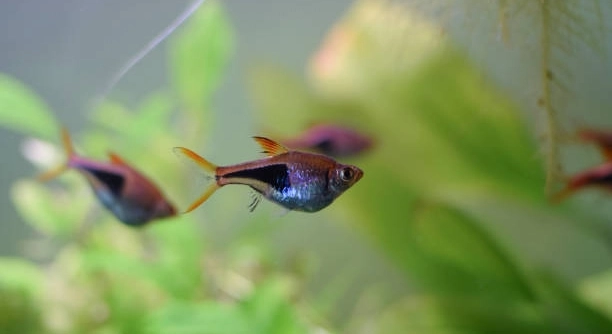
Many aquarium enthusiasts enjoy watching their Rasbora swim actively throughout the tank. These small fish seem to explore their surroundings with ease. Understanding whether Rasbora can learn and adapt to their tank’s layout is important for creating a comfortable environment.
Research indicates that Rasbora do exhibit a form of spatial awareness, allowing them to recognize and remember features in their tank. This behavior helps them navigate more efficiently over time, reducing stress and promoting natural swimming patterns within a familiar space.
Knowing how Rasbora respond to their environment helps in designing tanks that support their wellbeing and encourage natural behavior. This article will explain these aspects in detail.
How Rasbora Navigate Their Tank
Rasbora are small, agile fish that rely on their senses to explore and understand their environment. They use visual cues like plants, rocks, and decorations to create mental maps of their tank. Over time, these fish become familiar with the layout, which helps them avoid obstacles and find safe spots. This ability is important because a clear understanding of their surroundings reduces stress. Fish that feel secure swim more naturally and actively, showing better health. The tank’s complexity can influence how quickly they learn the layout. Tanks with varied decorations offer more landmarks for Rasbora to remember. On the other hand, empty or very simple tanks provide fewer points of reference, which might make navigation less interesting for them. Adjusting the tank setup to balance open swimming areas with visual markers helps Rasbora feel more comfortable and confident.
This familiarity also supports social behavior, as Rasbora often swim in groups and use the environment to stay close together.
The fish’s ability to recognize their tank space grows with regular exposure. New decorations or changes in the layout may temporarily confuse them until they adapt again. Consistency helps Rasbora feel secure and reduces stress-related behavior.
Signs Your Rasbora Know Their Tank
When Rasbora recognize their environment, their swimming becomes smoother and less erratic. They show confidence in moving around, often returning to preferred spots like hiding places or feeding areas. This behavior is a clear sign that they have learned their tank’s layout.
Rasbora that frequently explore but quickly return to familiar zones display spatial memory. Observing this can help you understand their comfort level.
Their recognition also influences how they react to sudden changes. If they quickly adjust to new objects, it suggests good adaptability and spatial awareness. Providing stable landmarks encourages this learning process. A well-arranged tank promotes natural, stress-free behavior.
Enhancing Rasbora Comfort Through Tank Design
To help Rasbora learn and feel at ease, it’s important to arrange their tank thoughtfully. Using a mix of plants, rocks, and hiding spots creates a rich environment with clear visual cues. These elements serve as reference points, allowing the fish to build a mental map. Avoid overcrowding the tank, as too many obstacles can cause confusion and stress. Open swimming areas paired with structured spaces work best. Consistent placement of decorations over time supports memory development, making the tank predictable and safe for Rasbora. When you need to change the layout, try to do it gradually to give the fish time to adjust. A stable and enriching environment promotes natural behavior and long-term wellbeing, allowing Rasbora to thrive and swim confidently.
Tank Changes and Rasbora Behavior
Rasbora can be sensitive to changes in their environment. Sudden rearrangements may cause stress or confusion. They rely on familiar landmarks to navigate safely, so keeping the tank stable helps maintain their comfort.
When the tank layout changes abruptly, Rasbora may swim erratically or hide more than usual. This reaction is temporary but shows their dependence on spatial memory. Gradual changes allow them to adapt without excessive stress. Reintroducing familiar objects or keeping some decorations constant can ease the transition. Monitoring their behavior after changes helps ensure they are adjusting well. Rasbora need time to relearn the new layout, so patience is important.
If changes are frequent or too drastic, it may lead to long-term stress. This can affect their health and social interactions. Creating a stable environment with occasional, slow adjustments is the best approach. It supports their wellbeing and keeps their natural behaviors intact.
How Tank Size Influences Learning
Tank size impacts how well Rasbora learn their environment. In smaller tanks, landmarks are easier to remember because the space is limited. This helps Rasbora navigate confidently and reduces anxiety.
In larger tanks, Rasbora face more complex environments. They must process more visual information, which can slow down their ability to memorize the layout. Providing clear, distinct decorations helps them create mental maps. Grouping plants or rocks in clusters offers recognizable points of reference. This organization supports their learning and comfort.
Large tanks also encourage more active swimming and natural behaviors. The extra space allows Rasbora to explore but still return to safe zones. Balancing openness with visual structure is key. This approach helps Rasbora maintain a sense of security and thrive in various tank sizes.
Importance of Consistent Lighting
Consistent lighting helps Rasbora recognize their environment more easily. Sudden changes in light intensity or timing can disrupt their sense of security. Keeping a regular light schedule supports their natural rhythms and reduces stress.
Proper lighting also highlights tank features, making landmarks clearer. This improves spatial awareness and helps Rasbora navigate confidently.
Feeding Spots and Spatial Memory
Rasbora often remember where feeding occurs in the tank. Regular feeding in the same area reinforces their mental map. This routine helps them feel secure and encourages natural foraging behavior.
Feeding consistency builds trust and reduces anxiety, promoting healthier fish.
Role of Water Flow in Navigation
Water flow impacts how Rasbora move and learn their tank. Moderate currents mimic natural habitats and encourage active swimming. Strong or irregular flow may confuse them or cause stress. Balanced flow supports natural behavior and spatial learning.
Social Interaction and Environment Learning
Rasbora swim in groups, which helps them learn the tank layout together. Social cues assist navigation and provide safety. Group dynamics influence how quickly they adapt to changes. A stable environment supports better social behavior.
How quickly do Rasbora learn their tank layout?
Rasbora typically begin to recognize their tank’s features within a few days to a week. Their learning speed depends on factors like tank complexity and consistency. A well-structured environment with clear landmarks helps them remember spaces faster, while frequent changes can slow this process down.
Can Rasbora get stressed from tank rearrangements?
Yes, sudden or frequent changes in the tank layout can cause stress. Rasbora rely on familiar surroundings for security. When their environment is altered abruptly, they may show signs of anxiety such as hiding, erratic swimming, or reduced activity. Gradual changes help reduce stress and allow smoother adjustment.
Do all Rasbora species learn their tank layout equally well?
Most Rasbora species have a similar ability to recognize their environment, but some may be more adaptable than others. Factors like natural behavior, activity level, and tank setup can influence how well a specific species learns and navigates its surroundings.
How does tank size affect Rasbora’s spatial learning?
Smaller tanks offer fewer landmarks, so Rasbora may learn the layout quickly but have less space to explore. Larger tanks require more time to memorize because there are more visual cues to process. Proper decoration placement in larger tanks can help Rasbora form mental maps more easily.
What role do plants and decorations play in learning?
Plants and decorations act as visual landmarks that Rasbora use to build spatial awareness. A variety of shapes and locations helps fish distinguish different areas. However, overcrowding the tank can be confusing. Balance open space with distinct landmarks for the best results.
Can Rasbora recognize feeding spots in their tank?
Yes, Rasbora often remember where feeding occurs. Feeding in a consistent spot reinforces their mental map and gives them a sense of security. It encourages natural foraging and reduces anxiety during feeding times.
Does lighting impact how Rasbora learn their environment?
Consistent lighting helps Rasbora recognize their tank layout better. Sudden changes in light or irregular schedules can disrupt their spatial memory and cause stress. Lighting that highlights decorations and plants makes landmarks clearer, supporting navigation.
How does water flow influence their behavior and learning?
Moderate water flow encourages natural swimming and exploration, helping Rasbora become familiar with their environment. Strong or inconsistent currents can confuse them and increase stress, interfering with their ability to learn the layout.
Are Rasbora’s social behaviors linked to tank familiarity?
Yes, Rasbora swim in groups, which supports their learning of the tank layout. Social interaction provides safety and helps them follow each other through the space. A stable environment improves group cohesion and adaptation.
What should I do if I want to change the tank layout?
Make changes gradually. Introduce new decorations or rearrange slowly over several days. Keep some landmarks consistent to help Rasbora adjust without too much stress. Monitor their behavior to ensure they are adapting well.
Can Rasbora forget their tank layout?
If the environment remains stable, Rasbora rarely forget their layout. However, if the tank changes often or is cleaned heavily, they may need to relearn the space. Consistency supports long-term memory.
Is it necessary to provide hiding spots for Rasbora?
Yes, hiding spots are important. They offer safety and help Rasbora feel secure while learning their environment. Hiding places also reduce stress and encourage natural behavior.
How can I tell if my Rasbora are comfortable with their tank?
Comfortable Rasbora swim smoothly, explore regularly, and stay active. They use hiding spots appropriately and show normal social interaction. Erratic swimming or constant hiding may indicate discomfort or confusion.
Does tank temperature affect learning?
Temperature influences Rasbora’s metabolism and activity levels. Proper temperature keeps them active and alert, which supports learning. Too cold or too warm water may slow their behavior and reduce spatial awareness.
Can Rasbora learn to avoid certain areas in the tank?
Yes, Rasbora can remember and avoid areas that feel unsafe or stressful. Negative experiences in certain spots lead them to prefer safer zones. This is part of their spatial memory and survival instinct.
Rasbora show a clear ability to learn and remember their tank’s layout. This spatial awareness helps them navigate comfortably and safely in their environment. When given a well-structured tank with consistent landmarks, they quickly form mental maps that reduce stress and encourage natural swimming behavior. The fish rely on visual cues such as plants, rocks, and decorations to understand their space. This ability improves their wellbeing by allowing them to find hiding places, feeding spots, and group members more easily. Consistency in tank setup plays a major role in helping Rasbora maintain this familiarity and confidence in their surroundings.
Changes in the tank layout should be made carefully to avoid causing unnecessary stress to Rasbora. Sudden rearrangements or frequent modifications can disrupt their spatial memory and lead to anxiety. When changes are necessary, introducing them gradually allows the fish time to adjust. Keeping some decorations or plants constant helps preserve recognizable landmarks. Additionally, factors like stable lighting, moderate water flow, and appropriate tank size contribute to their ability to learn and feel secure. Observing the fish’s behavior after changes is important to ensure they are adapting well and not showing signs of distress such as hiding excessively or erratic swimming.
Creating a balanced and stable environment benefits both Rasbora and their caretakers. Understanding that these fish can learn and remember their tank layout encourages thoughtful tank design and maintenance. By providing clear visual references, consistent feeding spots, and steady lighting schedules, the tank becomes a safer, more enjoyable space for Rasbora. This reduces stress and supports natural behaviors like schooling and exploration. Overall, paying attention to how Rasbora interact with their environment helps maintain their health and happiness, making the aquarium experience more rewarding.

Hello,
If you enjoy the content that we create, please consider saying a "Thank You!" by leaving a tip.
Every little bit helps us continue crafting quality advice that supports the health, happiness, and well-being of pets around the world, for pets of all shapes, sizes, and species.
We really appreciate the kindness and support that you show us!