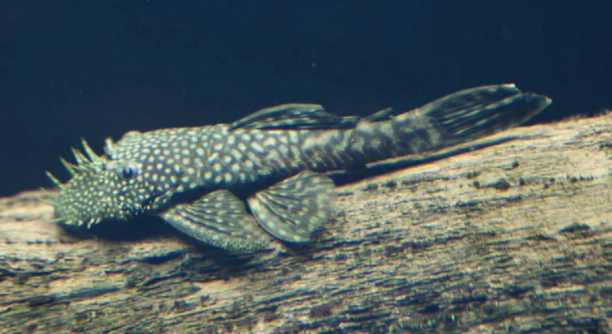
7 Ways to Encourage Natural Pleco Behavior
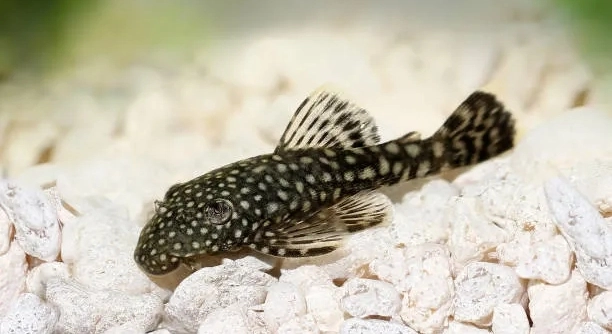
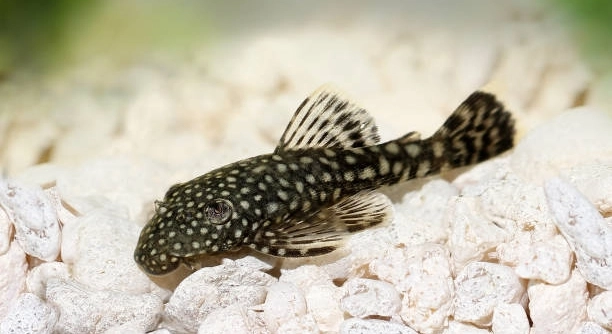
Do your plecos seem shy or inactive in their tank, spending most of their time hiding? Many aquarists notice this behavior and wonder how to help their fish feel more comfortable and natural. Plecos thrive in environments that mimic their natural habitats, which encourages their unique behaviors. Observing and understanding these fish can improve their … Read more
7 DIY Foods You Can Make for Plecos

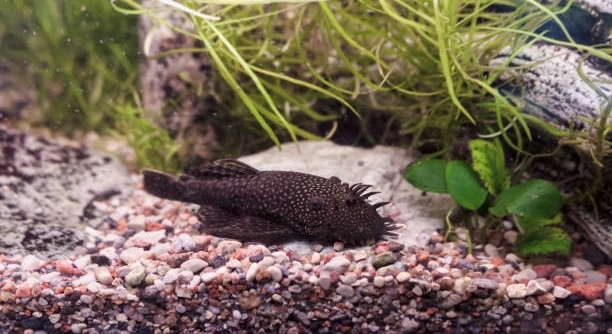
Are your plecos often left with store-bought foods that lack variety or freshness? Many aquarium owners struggle to provide a balanced diet that keeps their plecos healthy and active. Homemade foods can offer both nutrition and enrichment. Creating DIY foods for plecos allows control over ingredients, nutritional content, and texture. Recipes typically include vegetables, algae, … Read more

7 Tips to Stop Aggression in Pleco Tanks

Are your plecos showing signs of aggression, making tank life stressful for both you and your fish? Aggressive behavior can disrupt the harmony of your aquarium, affecting feeding, health, and overall enjoyment of your aquatic setup. Aggression in pleco tanks is often caused by territorial disputes, overcrowding, or insufficient hiding spaces. Addressing these factors through … Read more

Do Plecos Like Sand or Gravel More?

Have you ever set up a tank for your pleco and wondered which substrate would suit it best? Choosing the right bottom layer can affect both your fish’s comfort and the overall tank environment. Plecos generally prefer sand over gravel because it is softer on their delicate undersides and easier for them to sift through … Read more

What to Do If Your Pleco Isn’t Moving

Is your pleco staying in one spot for hours, showing little to no movement? It can be worrying when a usually active fish suddenly becomes motionless in its tank, leaving you unsure about its well-being. A pleco that is not moving may be experiencing stress, illness, or environmental issues. Common factors include poor water quality, … Read more

Are Bristlenose Plecos Safe With Baby Fish?

Are your bristlenose plecos living peacefully in a community tank with other fish? Many aquarists enjoy keeping these algae eaters because of their calm nature and interesting appearance. They are a common choice for freshwater aquariums. Bristlenose plecos are generally safe with baby fish, as they are primarily herbivores and rarely show aggressive behavior toward … Read more

7 Ways to Tell If Your Pleco Likes Its Tank

Are your plecos showing subtle signs of contentment in their tank? Observing their behavior and environment can help you understand if they are comfortable and thriving in their aquatic home. It is important to notice these details early. Plecos demonstrate tank satisfaction through clear behaviors and physical indicators. Healthy eating patterns, consistent activity, vibrant coloration, … Read more

Can Bristlenose Plecos Be Kept With Goldfish?

Do you ever find yourself arranging your aquarium and wondering how different fish will interact? Goldfish and bristlenose plecos are popular choices, but combining them requires some careful planning to ensure harmony in the tank environment. Bristlenose plecos can generally coexist with goldfish in the same aquarium, provided that the tank is spacious, well-filtered, and … Read more

7 Subtle Ways Plecos Communicate Mood

Plecos are fascinating fish with quiet, mysterious behaviors that often go unnoticed. Observing them carefully can reveal subtle signs of their mood and well-being. Many aquarists miss these gentle cues in everyday tank interactions. Plecos communicate their mood through body movements, fin displays, color changes, and interaction with their environment. Each subtle behavior provides insight … Read more

Can Bristlenose Plecos Smell Their Food?

Bristlenose plecos are popular freshwater fish admired for their calm nature and algae-eating habits. Many aquarists enjoy observing their behaviors while feeding and caring for them in home aquariums with peaceful companions. Bristlenose plecos possess a highly developed sense of smell, which allows them to locate and identify food efficiently. They rely on chemoreception in … Read more