
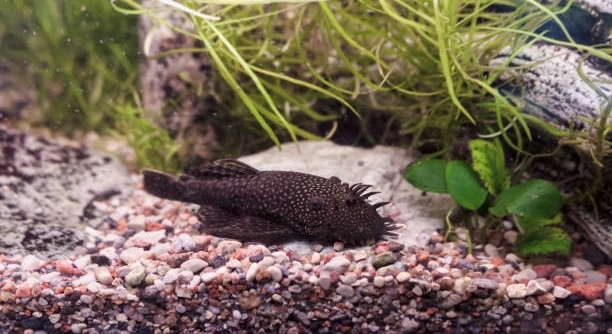
Are your plecos showing signs of aggression, making tank life stressful for both you and your fish? Aggressive behavior can disrupt the harmony of your aquarium, affecting feeding, health, and overall enjoyment of your aquatic setup.
Aggression in pleco tanks is often caused by territorial disputes, overcrowding, or insufficient hiding spaces. Addressing these factors through proper tank size, enrichment, and careful monitoring can significantly reduce conflicts and promote a balanced and stable aquatic environment.
Implementing practical strategies can help maintain peace and ensure your plecos thrive together. These tips will guide you in creating a calmer, healthier tank environment.
Provide Adequate Space
Plecos are naturally territorial, and overcrowding can quickly lead to aggression. Ensuring each fish has enough space reduces stress and competition. A larger tank allows them to establish personal zones without constant confrontation. Adding multiple hiding spots, caves, or driftwood helps break sight lines, giving plecos areas to retreat. Maintaining open swimming areas alongside these hiding places balances their need for exploration and privacy. Regular observation is important to detect any early signs of aggression, such as chasing, biting, or fin damage. Adjusting the layout or relocating individuals when needed can prevent escalation. Tank dimensions, decoration placement, and careful selection of tank mates all contribute to a calmer environment. For territorial species, spacing reduces dominance displays and allows weaker or more passive plecos to coexist without constant stress. Overcrowding is often underestimated, but proper planning ensures harmony and keeps feeding times peaceful. A well-planned tank promotes healthier fish and reduces the risk of injury from constant disputes.
Proper spacing supports a calmer tank environment and reduces the likelihood of fights among plecos, improving their overall health and wellbeing.
Creating distinct zones within the tank allows plecos to establish territories naturally. Observing their behavior helps in adjusting decor or rearranging hiding spots, ensuring all fish have areas to claim. Maintaining a balance between open swimming space and secure hiding places keeps stress low and interactions positive. Overcrowded conditions often amplify aggression, so careful planning is essential to keep the tank peaceful.
Monitor Tank Mates
Choosing compatible tank mates is critical to minimize aggression in pleco tanks. Avoid species that are overly aggressive or territorial themselves, as they can trigger conflicts. Fish with similar activity levels and environmental needs tend to coexist more peacefully. Aggressive or overly active species may provoke stress and constant chasing, which affects feeding and health. Adding plecos to a tank with calm, non-territorial species reduces competition for space and resources. Observing interactions carefully in the first days helps identify any potential issues early. If aggression arises, separating fish temporarily or permanently may be necessary. Balanced numbers of plecos and other fish species prevent dominance struggles, especially in medium to large tanks. Introducing new tank mates gradually allows fish to adjust to each other without sudden territorial disputes. Understanding individual temperaments is also key, as some plecos are naturally more assertive than others.
Careful selection of tank mates significantly lowers stress and improves harmony among plecos, keeping the aquarium more balanced and stable.
Compatibility between plecos and their tank mates requires attention to species behavior, size, and environmental needs. Aggressive or highly active fish can provoke conflicts, making feeding and daily maintenance stressful. Gradual introductions and monitoring interactions during the first days allow adjustments before serious injuries occur. Separating incompatible species or providing additional hiding spaces can resolve tension. Balanced stocking and understanding fish temperaments create a calmer environment, ensuring all inhabitants thrive together. Choosing the right companions supports both the health of plecos and the overall stability of the tank.
Maintain Proper Water Conditions
Consistent water parameters help reduce aggression. Plecos become stressed in poor water quality, which can trigger territorial behavior and fights. Regular testing and maintenance keep the tank stable and safe.
Stable temperature, pH, and hardness levels prevent stress-induced aggression in plecos. Sudden fluctuations can make them defensive, causing chasing or fin nipping. Frequent water changes, adequate filtration, and monitoring ammonia, nitrite, and nitrate levels are essential. Stress from unstable water conditions can weaken immune systems, making plecos more prone to disease and confrontations. Ensuring proper oxygenation and circulation also supports calmer behavior. Overcrowding combined with poor water quality amplifies aggression, so maintaining clean, well-balanced conditions is key. Observing fish during routine checks helps catch early signs of distress before conflicts escalate.
Keeping water conditions consistent promotes calmer interactions. Clean water and stable parameters prevent stress, making plecos less likely to fight and more likely to coexist peacefully. Maintaining proper filtration, temperature, and chemistry creates a balanced environment where fish feel secure. Monitoring levels regularly ensures that problems are caught early, allowing for quick adjustments. Well-maintained water supports health, reduces aggression, and keeps the tank environment stable.
Offer Hiding Spots
Plecos need plenty of hiding spaces to feel secure. Without them, aggression rises as fish compete for territory. Rocks, caves, and driftwood provide essential shelters.
Providing multiple hiding spots reduces conflicts by allowing plecos to establish personal areas. These shelters help break sight lines, so dominant fish cannot constantly harass others. Driftwood, PVC pipes, and commercially available caves work well. Placement should balance accessibility with privacy, giving each fish options. Overlapping territories often cause stress and chasing, so distributing hiding spots throughout the tank is important. Adding live plants can also contribute to natural cover. Observing which areas plecos prefer helps refine placement and ensure all fish have refuge. Hiding spots also support natural behaviors, making the aquarium environment more engaging.
Strategic placement of hiding spots allows plecos to retreat when needed, reducing stress and aggression. By observing preferences and adjusting shelters, conflicts can be minimized. A well-structured tank ensures that all fish have secure areas to claim, which supports their overall health and stability.
Feed Properly
Regular feeding helps reduce aggression, as hungry plecos may fight over food. Providing the right amount and type of food keeps them satisfied and calm.
Distributing food in multiple locations prevents competition and reduces chasing. Feeding sinking pellets, vegetables, and algae wafers ensures all fish get nutrients without conflict.
Separate Aggressive Individuals
If a pleco continues to dominate, consider separating it temporarily. Isolation helps prevent injury and stress for other fish. Maintaining separate tanks for particularly aggressive individuals allows the rest to thrive peacefully.
Observe Behavioral Changes
Watch for signs of aggression like fin nipping, chasing, or hiding. Early observation allows you to intervene before serious conflicts occur, protecting both health and tank harmony.
Maintain Clean Tank
Regular cleaning removes waste and debris, which can reduce stress and aggression. A clean tank keeps plecos healthy and supports calmer interactions.
FAQ
Why are my plecos aggressive towards each other?
Aggression among plecos is often caused by territorial instincts. Overcrowding, lack of hiding spots, or insufficient space can make them defensive. Stress from poor water conditions or incompatible tank mates can also increase aggressive behavior. Providing enough room, hiding areas, and proper tank mates usually reduces conflicts.
How many plecos can I keep in one tank?
The number of plecos depends on tank size and species. Larger species require more space to avoid fights. A general guideline is one adult pleco per 30–40 gallons, with added hiding spots. Overcrowding can lead to constant chasing and injuries, so planning tank stocking carefully is important.
Can aggressive plecos calm down over time?
Some plecos may become less aggressive once territories are established, but it varies by individual and species. Providing adequate space, hiding spots, and consistent care helps reduce aggression over time. If fighting persists, separating the most aggressive individuals may be necessary.
Do plecos fight over food?
Yes, plecos can be competitive during feeding, especially if food is limited. Spread food across multiple areas and provide sinking pellets, vegetables, and wafers to ensure all fish have access. Regular feeding schedules also help reduce aggression related to hunger.
Are certain pleco species more aggressive than others?
Yes, species like the common pleco or sailfin pleco tend to be more territorial, while bristlenose plecos are generally calmer. Knowing the behavior of your species helps in planning tank size, hiding spots, and tank mates to reduce conflicts.
Will adding more hiding spots really help?
Multiple hiding spots give plecos places to retreat, reducing chasing and stress. Use driftwood, PVC pipes, or commercial caves, and distribute them evenly. Observing which spots your plecos prefer can help optimize placement and improve overall tank harmony.
Can tank mates influence pleco aggression?
Yes, incompatible tank mates can trigger fights. Aggressive or highly active species provoke stress and territorial behavior. Pair plecos with calm, non-territorial fish to maintain peace. Gradual introductions and observation are key to preventing long-term conflicts.
How important is water quality for reducing aggression?
Water quality is crucial. Fluctuating temperature, pH, or high ammonia levels cause stress, which increases aggressive behavior. Regular testing, water changes, and proper filtration create a stable environment that supports calm interactions and overall health.
What should I do if a pleco injures another?
Separate the injured fish immediately to prevent further harm. Check water conditions and provide additional hiding spots. Monitor both fish for signs of stress or infection. Persistent aggression may require long-term separation or reevaluation of tank stocking.
Can feeding techniques prevent aggression?
Yes, distributing food to multiple areas and offering varied diets reduces competition. Using sinking pellets, wafers, and fresh vegetables ensures all plecos are satisfied. Consistent feeding times and amounts help maintain a calmer, more balanced environment.
Is it normal for plecos to chase each other sometimes?
Short-term chasing can be normal as they establish territories. Persistent aggression, fin damage, or constant stress is not normal and requires intervention. Observing behavior helps determine when adjustments to tank layout, hiding spots, or separation are needed.
How do I introduce new plecos without triggering fights?
Introduce new plecos gradually and rearrange decor to disrupt established territories. Monitor interactions closely during the first days. Adding extra hiding spots and giving each fish time to acclimate reduces stress and prevents aggression from escalating.
Can aggressive plecos affect other species in the tank?
Yes, dominant plecos can stress or injure other fish, especially if they compete for space or food. Ensuring proper tank mates, hiding spots, and space helps minimize negative interactions and keeps the aquarium balanced.
How long does it take to see improvement in aggressive behavior?
Behavioral improvements depend on species, individual temperament, and environmental adjustments. Providing proper space, hiding spots, water conditions, and feeding routines can show results in a few weeks, but persistent aggression may require longer-term strategies.
Are there signs of chronic stress from aggression?
Yes, signs include hiding excessively, fin damage, loss of appetite, or lethargy. Monitoring plecos for these behaviors helps catch issues early. Addressing water quality, tank layout, and interactions promptly can reduce stress and prevent health problems.
Can plecos live peacefully in community tanks?
Yes, with proper planning. Choose compatible tank mates, provide adequate space, and include multiple hiding spots. Managing food distribution and monitoring behavior ensures plecos coexist peacefully with other species, reducing aggression and stress.
Do plecos need separate tanks if they are too aggressive?
Some individuals may require temporary or permanent separation if they continuously harass others. A separate tank prevents injuries and stress, allowing the rest of the aquarium to maintain a calmer environment while keeping all fish healthy.
How often should I check for aggression in my tank?
Daily observation is ideal, especially after introducing new fish or rearranging the tank. Catching aggressive behavior early prevents injuries and allows adjustments to tank layout, hiding spots, or feeding routines before problems escalate.
Are there behavioral signs that indicate a dominant pleco?
Dominant plecos often chase others, guard specific areas, and feed first. Recognizing these patterns helps in managing aggression by providing additional hiding spots, adjusting tank layout, or separating individuals when necessary.
Can tank size alone prevent aggression?
While a larger tank reduces competition, it is not the only factor. Adequate hiding spots, compatible tank mates, proper feeding, and water quality are all essential for maintaining peace in pleco tanks. Tank size supports but does not guarantee harmony.
Keeping plecos in a calm and peaceful tank requires consistent attention to their environment and behavior. Aggression is usually a response to stress, overcrowding, or lack of hiding spots. By planning tank size properly and providing enough space for each pleco, you allow them to establish their own territories without constant competition. Adding driftwood, caves, and other shelters helps break sight lines and gives shy or smaller plecos places to retreat. Overlapping territories often lead to chasing and fin damage, so distributing hiding spots throughout the tank is essential. Observing their interactions regularly allows you to identify early signs of conflict and adjust the layout before issues escalate.
Water quality plays a crucial role in maintaining calm behavior. Plecos become more defensive when water parameters fluctuate or deteriorate, which can lead to frequent aggression. Regular testing of ammonia, nitrite, nitrate, pH, and temperature helps keep conditions stable. Frequent water changes and proper filtration reduce stress and keep fish healthy. Consistent feeding routines and distributing food across multiple areas prevent fights over resources. Providing a balanced diet with sinking pellets, vegetables, and algae wafers ensures all fish are nourished. Combined with adequate hiding spots and compatible tank mates, stable water conditions support a harmonious environment where plecos can coexist with minimal conflict.
Even with careful planning, some plecos may still show dominant or aggressive tendencies. In these cases, temporary or permanent separation can prevent injuries and stress for other fish. Monitoring behavior daily allows you to address issues early, whether by adjusting tank decor, increasing hiding spots, or separating particularly aggressive individuals. Patience and observation are key, as changes in behavior may take weeks to stabilize. By focusing on space, water quality, hiding options, and compatible tank mates, you can significantly reduce aggression and maintain a peaceful aquarium. A well-managed tank promotes healthier fish, less stress, and a more enjoyable experience caring for your plecos.

Hello,
If you enjoy the content that we create, please consider saying a "Thank You!" by leaving a tip.
Every little bit helps us continue crafting quality advice that supports the health, happiness, and well-being of pets around the world, for pets of all shapes, sizes, and species.
We really appreciate the kindness and support that you show us!