
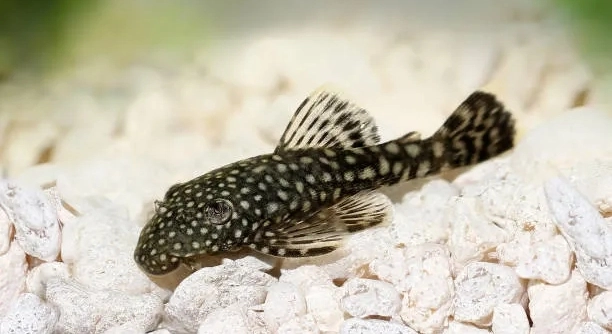
Are your plecos showing subtle signs of contentment in their tank? Observing their behavior and environment can help you understand if they are comfortable and thriving in their aquatic home. It is important to notice these details early.
Plecos demonstrate tank satisfaction through clear behaviors and physical indicators. Healthy eating patterns, consistent activity, vibrant coloration, and interactions with tank structures all serve as reliable markers for assessing their well-being. Proper observation ensures a stable and enriching habitat.
Recognizing these signs will guide you in providing the best care and maintaining a happy, healthy environment for your pleco to flourish.
Observing Eating Habits
Your pleco’s eating patterns are one of the clearest indicators of comfort in its tank. A healthy pleco will regularly graze on algae, sinking pellets, or vegetables you provide. They tend to feed more actively during the night, though some species are more visible during the day. Pay attention to whether your pleco finishes its meals consistently or leaves food untouched. Sudden changes in appetite can signal stress, illness, or issues with water quality. Maintaining a consistent feeding schedule helps your pleco feel secure. Additionally, the type of food matters. Offering a balanced diet with vegetables like zucchini or cucumber alongside algae wafers ensures they are getting proper nutrition. Observing how your pleco interacts with the food—whether they nibble actively or move away quickly—can provide subtle hints about their comfort. Consistency and careful observation are key to understanding their needs and keeping them happy in their tank environment.
Regular feeding shows your pleco is comfortable and trusts its surroundings.
Feeding is not just about nutrition. It is also about observing habits, maintaining schedule, and ensuring water quality is suitable for digestion. A well-fed pleco that eats regularly is more likely to be active and exhibit natural behaviors.
Interaction with Tank Structures
Plecos often use decorations, driftwood, and hiding spots in the tank to feel secure. Observing how they interact with these structures can reveal their comfort level. A content pleco will explore their tank and settle in caves or under plants.
Active exploration of driftwood, rocks, and decorations demonstrates curiosity and comfort. Plecos may rest on surfaces, cling to vertical walls, or hide among plants without showing signs of stress. Providing multiple hiding spots prevents territorial disputes and reduces stress, especially in community tanks. Some plecos prefer specific textures or surfaces, so having a variety helps them feel more at home. Watch how your pleco moves around the tank. If they frequently hide without exploring, it may indicate discomfort or illness. A tank with enough space, stable water parameters, and enrichment encourages natural behaviors like grazing, resting in shelters, and gentle interactions with tank mates. Observing these habits over time gives a clear picture of your pleco’s well-being and allows you to adjust their environment to promote a happy, thriving aquatic life.
Swimming Patterns
Plecos that feel comfortable in their tank swim steadily and confidently. They explore open areas without hesitation and move smoothly along surfaces, showing controlled and relaxed movements rather than frantic darting or sluggish drifting.
Swimming patterns reveal much about a pleco’s well-being. A pleco that glides calmly along the tank walls or drifts over driftwood is displaying comfort and contentment. Sudden bursts of speed, repeated pacing, or resting at the surface can signal stress or poor water quality. Observing daily activity, including how often they explore versus remain hidden, helps track their mood. Subtle changes in posture, fin position, and movement style are also key indicators. For instance, clamped fins or rigid swimming may hint at irritation or illness. Comparing their activity over time lets you spot trends and adjust conditions to keep them healthy. Consistent, relaxed swimming is a sign that your pleco feels secure and enjoys its environment, while irregular patterns demand attention to tank conditions and diet.
Understanding swimming behavior involves noting patterns across different times of day. Nighttime activity may increase for nocturnal species, while daytime movements remain calmer. Evaluating both periods provides a full picture of comfort, and adjusting lighting, feeding, and tank layout enhances well-being.
Interaction with Tank Mates
Plecos that are content often tolerate other fish nearby without showing aggression or excessive hiding. They maintain their personal space while coexisting peacefully with compatible tank mates.
Monitoring pleco interactions ensures a stable environment. Aggressive behavior, chasing, or constant hiding can indicate stress or discomfort. Plecos usually remain calm if they have sufficient space and hiding spots. Introducing tank mates gradually and observing their reactions helps prevent conflicts. Some plecos are territorial, and spacing caves or driftwood can reduce tension. Properly fed plecos are less likely to compete aggressively for food. Signs of harmony include shared swimming areas, resting near other species without conflict, and occasional gentle nudges or ignoring other fish altogether.
Adjusting tank setup and maintaining water quality improves social comfort. Observing interactions over time identifies compatible species and helps prevent territorial disputes. A well-balanced tank with appropriate hiding spots promotes healthy social behavior and reduces stress, encouraging plecos to thrive alongside other fish in a harmonious environment.
Hiding Behavior
Plecos often hide to feel secure, especially during the day. Regular use of caves, driftwood, or plants indicates they are comfortable and confident in their environment.
Excessive hiding or avoidance of open areas may signal stress. A balanced hiding routine shows your pleco trusts its tank and feels safe.
Fin and Body Condition
Healthy plecos have smooth, intact fins and clear, vibrant skin. Regular observation helps detect early signs of damage or disease, ensuring timely care. A pleco with frayed fins or dull coloration may need water adjustments, dietary changes, or more stable tank conditions.
Nighttime Activity
Plecos are naturally nocturnal and show increased activity at night. Observing their evening movements helps gauge their comfort, feeding patterns, and overall health.
Signs of Stress
Stress in plecos can appear as erratic swimming, hiding, or loss of appetite. Recognizing these early allows quick adjustments to tank conditions, promoting a healthier environment.
FAQ
How can I tell if my pleco is happy in its tank?
A happy pleco will show steady swimming, active grazing on algae or vegetables, and use hiding spots naturally without constant hiding. Their fins should be smooth, coloration vibrant, and they should interact calmly with tank mates. Regular observation of these behaviors is the easiest way to gauge comfort.
Why does my pleco hide so much?
Hiding is a normal behavior, especially during daylight hours. Plecos use caves, driftwood, and plants for security. Excessive hiding may indicate stress, poor water quality, or illness. Ensuring enough hiding spots and stable tank conditions encourages natural comfort while reducing unnecessary stress.
What are the signs of stress in plecos?
Stress can appear as erratic swimming, clamped fins, loss of appetite, or frequent hiding. Sudden changes in behavior or appearance often indicate environmental issues. Regular monitoring of water quality, feeding routines, and tank mates helps identify stressors early and maintain a stable habitat.
How often should I feed my pleco?
Most plecos eat daily or every other day, depending on species and diet. Offer a mix of algae wafers, vegetables, and occasional protein. Observing how much they consume ensures they are getting enough nutrition while preventing overfeeding, which can reduce water quality and increase stress.
Can plecos coexist with other fish?
Yes, most plecos are peaceful if the tank is properly sized and enriched. They need space and hiding spots to avoid territorial disputes. Observing interactions, especially when introducing new fish, ensures harmony. Aggression or excessive hiding indicates adjustments are needed in layout or tank size.
Why is my pleco not eating?
Loss of appetite can result from stress, illness, poor water conditions, or inappropriate diet. Check water parameters, temperature, and available food options. Offering a variety of vegetables or algae wafers can encourage feeding, and maintaining consistent routines helps your pleco feel secure.
How can I improve my pleco’s environment?
Providing driftwood, caves, plants, and a stable substrate enhances comfort. Proper filtration, regular water changes, and consistent temperature keep the tank healthy. Observing daily behaviors, adjusting decorations, and offering enrichment allows plecos to express natural activities and reduces stress.
What nighttime behaviors are normal for plecos?
Plecos are naturally nocturnal, so increased activity after lights out is expected. They may graze, explore, or interact with tank structures. Observing this activity confirms comfort, while unusual lethargy or frantic movement may indicate stress or environmental issues.
How do I know if my pleco is healthy?
Indicators of good health include smooth fins, vibrant coloration, steady swimming, regular eating, and normal social interactions. Monitoring daily habits and observing subtle changes allows early detection of potential problems and ensures a thriving pleco in a stable environment.
When should I adjust tank conditions?
Adjust water temperature, filtration, or decorations when you notice changes in behavior, feeding, or social interactions. Minor adjustments can prevent stress and maintain a balanced environment, supporting long-term health and comfort for your pleco.
Observing your pleco’s behavior closely is the best way to understand its comfort and happiness in the tank. Plecos communicate their well-being through subtle signs, such as swimming patterns, eating habits, and use of hiding spots. Regular observation allows you to notice any changes that may indicate stress, illness, or discomfort. Small details like the way they graze on algae, rest on driftwood, or interact with tank mates are important markers of their overall health. By paying attention to these behaviors, you can make informed decisions about adjustments to the tank environment, diet, or social dynamics. This careful monitoring also helps you prevent problems before they become serious, ensuring your pleco maintains a stable, comfortable life. Keeping a routine for feeding, tank maintenance, and observation creates a consistent environment, which is vital for your pleco’s well-being.
Providing a properly set up and enriched environment is essential for your pleco’s comfort. Driftwood, caves, and plants offer security and encourage natural behaviors, while enough open space allows for exploration and swimming. Proper water quality, temperature, and filtration are equally important, as plecos are sensitive to fluctuations. Maintaining these conditions consistently helps reduce stress and promotes healthy behaviors. Watching how your pleco interacts with these elements can guide adjustments over time, ensuring they remain suitable for its specific needs. Balanced nutrition also plays a major role in their happiness. Offering a mix of vegetables, algae wafers, and occasional protein ensures they receive essential nutrients. Observing feeding behavior helps determine whether your pleco is eating enough or if dietary changes are necessary. A combination of environmental enrichment, stable water conditions, and proper nutrition supports long-term health and comfort for your pleco.
Understanding your pleco’s personality and preferences helps strengthen the care you provide. Each pleco may have unique habits, favorite hiding spots, or preferred foods, and recognizing these preferences allows you to tailor their tank environment accordingly. Interactions with tank mates should be monitored to ensure peaceful coexistence, and changes in behavior should be addressed promptly. By staying attentive and responsive, you create a supportive environment that meets both the physical and psychological needs of your pleco. Over time, observing patterns in swimming, feeding, and social behavior gives you a clearer understanding of its moods and comfort level. Maintaining a balanced environment, consistent care, and attention to detail promotes a healthy, thriving pleco that exhibits natural behaviors and adapts confidently to its home. Consistent observation, environmental adjustments, and proper nutrition together form the foundation of a well-cared-for and happy pleco.

Hello,
If you enjoy the content that we create, please consider saying a "Thank You!" by leaving a tip.
Every little bit helps us continue crafting quality advice that supports the health, happiness, and well-being of pets around the world, for pets of all shapes, sizes, and species.
We really appreciate the kindness and support that you show us!