
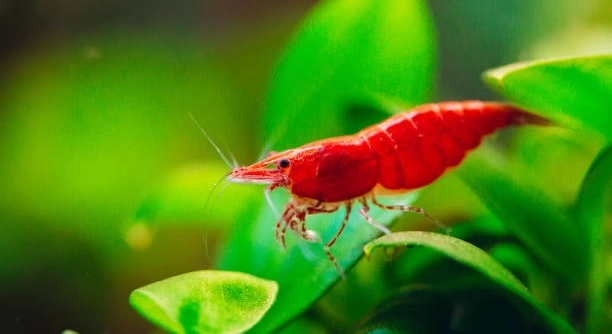
Have you ever noticed your cherry shrimp moving slowly or hiding more than usual in your tank? Observing their behavior can be both relaxing and rewarding for anyone who enjoys keeping a lively aquarium.
A happy cherry shrimp exhibits vibrant color, regular swimming, and frequent foraging behavior. Maintaining stable water parameters, providing adequate hiding spaces, and offering a varied diet directly contribute to the shrimp’s overall well-being and stress-free environment.
Knowing the signs of content shrimp can improve your tank’s atmosphere and help you support their health effectively.
Recognizing Vibrant Colors
Cherry shrimp that are happy usually display bright, vivid colors. The intensity of their red or orange shades is a good indicator of overall health. If your shrimp look dull or transparent, it may suggest stress, illness, or inadequate water conditions. Observing color changes daily helps you catch small issues early. Diet plays a significant role in color vibrancy. Foods rich in carotenoids, such as algae wafers or specialized shrimp pellets, enhance pigmentation naturally. Avoid overfeeding, as leftover food can degrade water quality, leading to faded colors. Light exposure also affects appearance; a balanced day-night cycle encourages natural coloring. Hiding spots, like plants or moss, allow shrimp to feel safe and display normal coloration. Stress from tankmates or sudden changes in water parameters can cause temporary color loss, so maintaining a calm and stable environment is key for consistent brightness.
Monitoring your shrimp’s colors can prevent bigger health problems and keeps your tank visually appealing and lively.
Regularly checking water parameters, feeding quality food, and providing safe hiding areas ensures that shrimp maintain their natural, vibrant colors over time.
Observing Active Behavior
Active behavior is a strong sign of a happy shrimp.
Happy cherry shrimp explore the tank, forage for food, and interact with their environment consistently. They swim around plants and substrate confidently, showing curiosity without signs of distress. If they remain hidden for long periods, it could indicate discomfort or poor water conditions.
To support active behavior, ensure water parameters are stable and within the ideal range: temperature around 72-78°F, pH between 6.5-7.5, and low ammonia or nitrite levels. Shrimp need clean water with gentle filtration to thrive. Providing live plants, moss, and small hiding spaces encourages natural exploration. A varied diet, including algae, biofilm, and specialized pellets, stimulates foraging behavior, keeping them engaged. Avoid overcrowding, as excessive tankmates can create stress, reducing activity. Regular observation helps you detect changes in swimming patterns or interactions, signaling when adjustments are needed. Over time, creating a safe, enriched environment results in shrimp that are consistently active, healthy, and displaying natural behaviors that indicate contentment.
Healthy Eating Habits
Cherry shrimp nibble constantly, picking at algae, biofilm, and small bits of food. A happy shrimp will actively forage around the tank and rarely ignore offered food, showing curiosity and energy in their movements.
Providing a varied diet is essential for their health. They benefit from high-quality shrimp pellets, blanched vegetables, and occasional protein supplements. Rotating food types ensures they receive all necessary nutrients and supports vibrant coloration. Overfeeding can lead to poor water quality, which stresses shrimp and reduces their activity. Observing how quickly they eat helps gauge appetite and overall well-being. Uneaten food should be removed to maintain clean water.
Healthy eating also encourages natural behaviors. Foraging keeps shrimp active, reduces stress, and strengthens their immune system. Feeding at regular times and offering different textures mimics natural conditions, making the tank environment more engaging. Active, well-fed shrimp are less prone to disease and show consistent growth, bright colors, and normal molting cycles, all indicators of a happy shrimp population.
Comfortable Environment
Shrimp need safe spaces to explore and hide. Plants, moss, and small caves give them security and reduce stress.
A well-structured tank encourages natural behavior and increases confidence in shrimp. They use plants and moss to graze, hide, and rest, which lowers aggression and anxiety. Hiding spots are especially important during molting, when shrimp are vulnerable. Lack of cover can lead to hiding in corners or reduced activity. The substrate type also matters; fine gravel or sand allows easy movement and foraging. Maintaining stable water temperature and chemistry supports the overall comfort of the shrimp. Gentle filtration prevents strong currents that may exhaust them or drive them to shelter constantly. Providing a mix of tall and low plants ensures variety and freedom to explore. By paying attention to their environment, shrimp show more natural activity, maintain coloration, and display normal social behavior, all clear signs of a comfortable and content tank.
Regular Molting
Molting is a natural process for cherry shrimp. A happy shrimp molts regularly, shedding its old exoskeleton to grow. Observing empty shells in the tank is a normal sign of development and overall health.
Proper nutrition and stable water conditions support regular molting. Shrimp that molt frequently are usually comfortable and well-cared-for.
Social Interaction
Cherry shrimp show mild social behavior, often foraging or resting near each other. Happy shrimp interact peacefully without constant hiding or aggression. Their calm presence around tankmates indicates a stable environment and low stress levels.
Clean Water
Maintaining clean water is critical. Regular water changes, proper filtration, and monitoring ammonia, nitrite, and nitrate levels help keep shrimp healthy. Clean water supports active behavior, vibrant color, and overall longevity in the tank.
Observing Signs of Stress
Shrimp that hide excessively, show faded colors, or stop eating are often stressed. Stress can stem from poor water quality, sudden changes, or aggressive tankmates.
FAQ
How often should I feed my cherry shrimp?
Cherry shrimp should be fed small amounts once or twice a day. They graze continuously, so overfeeding can pollute the tank. Offer a variety of foods, like algae wafers, blanched vegetables, and specialized shrimp pellets, to ensure they get proper nutrition. Uneaten food should be removed after a few hours to maintain water quality. Feeding at consistent times encourages natural foraging behavior and helps you monitor their appetite and health.
What is the ideal water temperature for cherry shrimp?
Cherry shrimp thrive in water temperatures between 72°F and 78°F (22°C to 26°C). Temperatures outside this range can stress them, affect molting, and reduce activity. Using a reliable heater and thermometer helps maintain a stable environment. Gradual temperature changes are safer than sudden shifts, which can shock shrimp and lead to illness.
How can I tell if my shrimp are molting correctly?
Normal molting is indicated by finding empty shells in the tank and seeing the shrimp become slightly paler just before shedding. Regular molting shows they are growing and healthy. Stress, poor diet, or water issues can slow or prevent molting. Providing sufficient calcium, trace minerals, and a balanced diet supports smooth molting. Adequate hiding spaces are essential because shrimp are vulnerable during this process.
Why do my shrimp sometimes hide for long periods?
Hiding is normal, especially during molting or after water changes. Excessive hiding can indicate stress caused by poor water quality, strong currents, or aggressive tankmates. Ensuring plenty of plants, moss, and small shelters gives shrimp a sense of security. Observing them at different times of day can help determine whether their hiding is normal or a sign of discomfort.
What foods enhance shrimp color?
Shrimp color is enhanced by carotenoid-rich foods, such as algae wafers, spirulina, and shrimp-specific pellets. Regular feeding of these foods helps maintain vibrant red and orange shades. Live plants and biofilm also support natural pigmentation. Avoid overfeeding, as excess food can lead to poor water quality, which dulls coloration over time.
How do I maintain clean water for cherry shrimp?
Perform regular water changes, around 10-20% weekly, to remove waste and maintain stable chemistry. Use a gentle filter to avoid strong currents. Monitor ammonia, nitrite, and nitrate levels frequently. Avoid overfeeding and remove uneaten food promptly. Maintaining a planted tank helps naturally absorb some waste and improves water stability.
Can cherry shrimp live with other fish?
Yes, but choose peaceful, small fish that won’t prey on them. Avoid aggressive or large fish. Providing plenty of hiding spaces reduces stress and encourages normal behavior. Shrimp kept with compatible tankmates are generally active, colorful, and healthy. Observing interactions regularly helps ensure no shrimp are being harassed.
How do I know if my shrimp are stressed?
Signs of stress include faded colors, constant hiding, lethargy, or refusal to eat. Stress may result from poor water conditions, temperature fluctuations, or aggressive tankmates. Regular observation, maintaining water quality, and providing a stable, safe environment are key to preventing stress. Healthy shrimp show vibrant color, active swimming, and consistent feeding behavior.
How often should I test the water?
Water should be tested weekly for ammonia, nitrite, nitrate, and pH. Any sudden changes should be addressed immediately. Consistent testing helps detect small issues before they become serious. Keeping records of water parameters helps identify patterns and maintain a stable, stress-free environment for your shrimp.
Do shrimp need live plants in their tank?
Live plants are highly beneficial. They provide hiding spots, surfaces for biofilm growth, and improve water quality by absorbing nitrates. Shrimp often graze on biofilm found on plants. Even hardy artificial plants can help with hiding, but live plants enhance health, color, and natural behavior.
Can cherry shrimp live in low-tech tanks?
Yes, cherry shrimp adapt well to low-tech setups without CO2 or intense lighting. Stability and clean water are more important than high-tech equipment. A planted tank with proper filtration and occasional water changes supports their health and encourages natural behavior. Low-tech tanks often require less maintenance while keeping shrimp content.
How long do cherry shrimp typically live?
Cherry shrimp generally live 1.5 to 2 years with proper care. Lifespan depends on water quality, diet, and tank conditions. Regular observation, feeding a balanced diet, and maintaining a safe environment can maximize longevity and ensure shrimp remain active and vibrant throughout their life.
What should I do if my shrimp die suddenly?
Check water parameters immediately for spikes in ammonia, nitrite, or nitrate. Review recent changes in temperature, tankmates, or food. Remove any deceased shrimp promptly to prevent water contamination. Sudden deaths often indicate a problem in water quality or environmental stress that needs correcting quickly.
Can I breed cherry shrimp in my home tank?
Yes, cherry shrimp breed easily if conditions are stable. Females carry eggs under their abdomen, which hatch in a few weeks. Providing plants or moss gives juveniles hiding places and surfaces for biofilm grazing. Maintaining clean water and consistent feeding encourages successful breeding and healthy offspring.
How do I prevent disease in my shrimp?
Prevent disease by keeping water clean, avoiding sudden changes, and not overcrowding the tank. Quarantine new shrimp or plants to avoid introducing pathogens. Healthy shrimp with good nutrition and stable conditions are less prone to illness. Regular observation helps catch any early signs of disease for prompt action.
Can shrimp eat fish food?
Shrimp can eat small bits of fish food occasionally, but it should not be their main diet. Specialized shrimp pellets, algae wafers, and blanched vegetables provide proper nutrition. Overfeeding fish food can pollute the tank and harm shrimp health over time.
How can I tell if my shrimp are happy overall?
Happy shrimp display vibrant color, active foraging, regular molting, and peaceful social behavior. They explore the tank, interact naturally with tankmates, and respond well to feeding. Consistent activity and bright appearance are reliable indicators of a content, healthy shrimp population.
What water parameters are ideal for cherry shrimp?
Ideal water parameters include a temperature of 72-78°F (22-26°C), pH 6.5-7.5, low ammonia and nitrite levels, and moderate nitrate levels. Stability is more important than perfect numbers. Gradual adjustments and regular testing ensure shrimp remain healthy and stress-free.
How do I acclimate new shrimp to my tank?
Acclimate new shrimp slowly using drip acclimation or gradual water mixing over a few hours. This reduces stress from sudden temperature or chemistry changes. Proper acclimation helps shrimp adapt, encourages normal behavior, and prevents shock or premature deaths.
Can shrimp survive without hiding spaces?
They may survive, but hiding spaces are crucial for safety, especially during molting. Lack of cover increases stress and reduces activity. Plants, moss, and small decorations provide necessary shelter and contribute to happier, healthier shrimp.
How long does it take for shrimp to show signs of happiness?
Shrimp can show signs of happiness within days if water quality, diet, and environment are ideal. Active swimming, bright colors, and consistent feeding behavior indicate they are comfortable and stress-free. Consistent care reinforces positive behaviors over time.
Is it normal for shrimp to molt more often at certain times?
Yes, younger shrimp molt more frequently as they grow. Seasonal or environmental changes can also affect molting frequency. Adequate nutrition, hiding spaces, and stable water help ensure molting remains safe and regular for all shrimp in the tank.
How can I tell if my shrimp are eating enough?
Shrimp that graze frequently and maintain bright colors are eating well. Lack of activity, hiding, or color fading may indicate insufficient food or poor nutrition. Observing daily foraging behavior helps ensure each shrimp is getting enough to eat.
Are shrimp sensitive to water changes?
Yes, sudden water changes can stress shrimp. Gradual changes of 10-20% with properly conditioned water minimize shock. Using a consistent schedule and monitoring parameters helps shrimp remain calm and healthy during maintenance.
What plants are best for cherry shrimp tanks?
Mosses, Java fern, Anubias, and floating plants provide grazing surfaces and hiding spots. Dense plants encourage natural foraging and molting security. A mix of tall and low plants creates a comfortable and stimulating environment, supporting overall happiness.
Can cherry shrimp survive in tap water?
Tap water must be treated to remove chlorine and chloramines. Testing for hardness, pH, and other parameters ensures suitability. Conditioned tap water can support shrimp well, but stability and regular monitoring remain critical for long-term health.
How do I tell if a shrimp is sick versus stressed?
Sick shrimp may show lethargy, curled bodies, or unusual swimming, while stressed shrimp mostly hide, fade in color, or avoid food. Checking water quality, diet, and environment helps distinguish between the two, allowing targeted action to restore health and comfort.
How long can shrimp go without food?
Cherry shrimp can survive a few days without food, as they graze on biofilm. Extended periods without proper nutrition weaken them and affect molting. Providing continuous natural grazing sources and occasional supplemental feeding ensures ongoing health and activity.
Can I mix different types of shrimp?
Different types of shrimp can be mixed if water parameters suit all species. Be mindful of color differences, size, and aggression. Providing plenty of hiding spaces reduces competition and ensures peaceful cohabitation. Regular observation helps prevent stress or dominance issues.
Do shrimp need light in the tank?
Light helps plants grow, which indirectly benefits shrimp by providing biofilm and hiding areas. Shrimp themselves do not require strong light, but a balanced day-night cycle encourages normal behavior and natural activity patterns.
How do I prevent shrimp from escaping the tank?
Ensure the tank has a secure lid and minimal gaps. Shrimp can climb or squeeze through small spaces when stressed or searching for algae. Proper coverage prevents escape while maintaining good airflow and access for maintenance.
Can shrimp tolerate fluctuations in pH?
Small, gradual pH changes are tolerated, but rapid swings can stress or kill shrimp. Keeping pH stable within the recommended range of 6.5-7.5 supports health, molting, and natural behavior. Regular testing prevents sudden problems.
How many shrimp should I keep in a tank?
Stocking depends on tank size and filtration. A general rule is one shrimp per 2 liters (about half a gallon) of water. Overcrowding stresses shrimp, reduces water quality, and limits space for hiding, feeding, and molting.
What is the best substrate for cherry shrimp?
Fine gravel or sand is ideal, allowing easy foraging and preventing trapped debris. Some substrates buffer water chemistry, supporting stable pH and mineral levels. Proper substrate enhances natural behavior and contributes to a healthy, active shrimp population.
How do I know if my shrimp are breeding?
Females carry eggs under their abdomen, visible as tiny green or yellow spheres. Juveniles appear a few weeks later. Providing hiding spots, stable water, and nutritious food encourages breeding and improves survival of young shrimp.
Are cherry shrimp compatible with snails?
Yes, peaceful snails coexist well. They help clean the tank without bothering shrimp. Monitor interactions initially to ensure no competition for food or stress occurs. Compatibility depends on species and tank setup.
How often should I clean the tank?
Partial water changes weekly and substrate cleaning as needed maintain health. Avoid over-cleaning, which removes biofilm shrimp rely on. Regular maintenance keeps water stable and shrimp comfortable.
What behavior indicates a happy shrimp during feeding?
A happy shrimp approaches food quickly, grazes actively, and shows natural curiosity. They move confidently around the tank and interact with plants and tankmates. Consistent, eager feeding is a strong indicator of contentment and good health.
Can cherry shrimp live in unheated tanks?
They can tolerate cooler water if temperatures remain stable, but growth and activity may slow. A stable environment is more important than high temperature. Gradual adjustments prevent stress.
How do I introduce new shrimp to an existing tank?
Acclimate slowly to match water conditions. Place new shrimp in a small container inside the tank and gradually mix tank water over a few hours. This reduces stress and encourages normal behavior once released.
What is the best way to monitor shrimp health?
Observe color, activity, feeding, and molting. Regular water testing ensures parameters remain stable. Healthy shrimp are active, brightly colored, and forage consistently. Any changes should be addressed quickly to maintain well-being.
Do cherry shrimp need a special diet to stay happy?
A varied diet with high-quality pellets, algae, and vegetables keeps shrimp healthy and colorful. Occasional protein supplements support molting and growth. Variety encourages natural foraging and active behavior, contributing to overall happiness.
How can I tell if my tankmates are stressing shrimp?
Shrimp hiding excessively, avoiding food, or showing pale colors may indicate stress from aggressive fish or overcrowding. Providing hiding spots and monitoring interactions helps reduce stress and maintain normal behavior.
Are shrimp active at night or during the day?
Cherry shrimp are crepuscular, most active during dawn and dusk. They may hide during peak light periods but will forage and explore regularly in low-light conditions. Providing shaded areas encourages natural activity cycles.
How long does it take for shrimp to adjust to a new tank?
Shrimp usually adjust within a few days if water quality is stable and hiding spots are available. Gradual acclimation reduces stress and encourages normal behavior, feeding, and color display.
Can cherry shrimp survive in low-oxygen water?
They require moderate oxygen levels. Low oxygen causes lethargy and stress. Proper aeration, plants, and gentle filtration ensure sufficient oxygenation for healthy activity and growth.
Do shrimp need mineral supplements?
Minerals support molting and overall health. Adding calcium or trace mineral supplements helps maintain exoskeleton strength and vibrant color, especially in soft water. Regular monitoring prevents deficiencies.
Can stress affect shrimp coloration?
Yes, stress can cause faded colors, reduced activity, and poor molting. Stable water parameters, hiding spaces, and compatible tankmates help maintain bright, natural colors.
How do I remove uneaten food without disturbing shrimp?
Use a small siphon, turkey baster, or net to gently remove leftover food. Avoid stirring the substrate aggressively. This keeps water clean while minimizing stress.
Is it normal for shrimp to molt and eat their shells?
Yes, consuming the old exoskeleton recycles nutrients and calcium. This is a healthy behavior, supporting growth and strengthening future molts.
Can I use tap water conditioner for shrimp?
Yes, conditioners remove chlorine and chloramines, making tap water safe. Some also add minerals beneficial for molting and health. Always follow dosing instructions carefully.
How long does it take for baby shrimp to grow?
Juveniles grow gradually over a few months, molting frequently in early stages. Proper feeding, clean water, and hiding spaces ensure steady growth and survival.
Do shrimp need special lighting?
Lighting supports plant growth, which indirectly benefits shrimp. They do not require strong light themselves, but a consistent day-night cycle encourages natural activity.
Can shrimp survive without algae in the tank?
Algae is a natural food source but not essential if other foods are provided. Shrimp will eat pellets, vegetables, and biofilm. Including some algae encourages natural grazing behavior.
How do I tell if shrimp are stressed by water parameters?
Excessive hiding, faded colors, or lethargy indicate stress. Testing for ammonia, nitrite, nitrate, pH, and temperature helps identify water-related issues. Correcting imbalances restores comfort and normal behavior.
What tank size is ideal for cherry shrimp?
Small groups can live in 5-gallon tanks, but larger tanks provide more stable water and space. Adequate room reduces stress, supports social interaction, and allows plants and hiding spots to flourish.
Can shrimp survive with other invertebrates?
Yes, peaceful snails, small shrimps, and certain non-aggressive invertebrates are compatible. Monitoring interactions ensures minimal competition and stress for all tank inhabitants.
How often should I check shrimp behavior?
Daily observation is ideal. Look for activity, color, feeding, and hiding patterns. Early detection of changes allows prompt adjustments to water, diet, or environment, supporting long-term health.
Are shrimp sensitive to chemical cleaners?
Yes, chemicals like soap, disinfectants, or pesticides are toxic. Always avoid using harsh chemicals near the tank. Clean equipment with aquarium-safe methods to prevent harm.
Can shrimp survive sudden temperature drops?
Sudden drops cause stress or death. Gradual adjustments are critical. Use a reliable heater and monitor temperature regularly to avoid dangerous fluctuations.
Do cherry shrimp need flow in the tank?
They prefer gentle currents. Strong flow can exhaust them and reduce feeding activity. Filtration should provide circulation without creating stressful turbulence.
How can I encourage breeding?
Provide stable water, hiding spots, nutritious food, and minimal stress. Healthy females carrying eggs indicate successful reproduction. Observing juveniles ensures breeding is productive and safe.
Can I use fertilizers in a planted shrimp tank?
Yes, but choose shrimp-safe fertilizers. Avoid copper-based products, which are toxic. Fertilizers support plant growth and biofilm, indirectly benefiting shrimp nutrition and activity.
How do I handle sick shrimp?
Quarantine affected individuals if possible. Correct water parameters and diet deficiencies. Avoid treating the whole tank with harmful chemicals unless absolutely necessary. Observation and preventive care are more effective.
Is it normal for shrimp to stay in one area for hours?
Occasionally, yes, especially if grazing or resting. Persistent inactivity or hiding may indicate stress, poor water quality, or illness and should be checked promptly.
Can shrimp tolerate slightly acidic water?
Slightly acidic water (pH 6.5) is generally safe. Stability matters more than exact pH. Sudden changes are harmful, so maintain a consistent environment for best results.
Do shrimp need a deep tank?
Depth is less important than stable water and hiding spots. Adequate surface area and planted zones encourage foraging, activity, and natural behavior, supporting happiness and health.
How often should I feed vegetables?
Offer blanched vegetables like zucchini, spinach, or cucumber 2-3 times per week. Remove uneaten portions to prevent water quality issues and support balanced nutrition.
Can shrimp survive in brackish water?
Cherry shrimp are freshwater species and do not thrive in brackish conditions. Stable freshwater is essential for health, color, and breeding.
How do I prevent algae overgrowth?
Balance lighting, feeding, and nutrients. Introduce live plants and consider algae-eating tankmates. Regular maintenance and water changes keep algae under control while supporting shrimp foraging.
Are shrimp nocturnal?
They are crepuscular, most active during dawn and dusk
Final Thoughts
Caring for cherry shrimp is rewarding when you know what to look for and how to provide a stable environment. Observing their behavior, color, and activity can give clear insight into how content they are. Bright, vibrant colors, active swimming, and regular foraging all indicate a healthy shrimp. These simple observations are the most reliable way to understand their well-being, especially since shrimp cannot communicate stress or happiness like larger pets. Keeping a close eye on these signs allows you to address small issues before they become serious problems, ensuring that your tank remains a safe and comfortable home for them.
Maintaining clean water is one of the most important factors in supporting happy cherry shrimp. Regular water changes, monitoring ammonia, nitrite, nitrate, and pH levels, and using gentle filtration all contribute to a stable environment. Water stability directly affects their behavior, molting, and overall health. Even minor fluctuations can cause stress, making shrimp hide or become lethargic. Providing hiding spaces such as moss, plants, or small decorations reduces stress and encourages natural behavior. A stable, well-maintained tank allows shrimp to explore, forage, and interact normally, which leads to visible signs of contentment and healthy development over time.
Nutrition and variety in diet are also essential. Feeding shrimp a mix of algae wafers, blanched vegetables, and specialized shrimp pellets ensures they get necessary nutrients to support growth, molting, and color vibrancy. Overfeeding should be avoided, as leftover food can pollute the tank and harm shrimp health. Observing how shrimp eat, including their enthusiasm and grazing patterns, helps gauge their well-being. Combining proper nutrition, water quality, and environmental enrichment results in a lively and active shrimp population. By paying attention to these factors, you can enjoy a thriving tank and feel confident that your cherry shrimp are healthy, comfortable, and happy.

Hello,
If you enjoy the content that we create, please consider saying a "Thank You!" by leaving a tip.
Every little bit helps us continue crafting quality advice that supports the health, happiness, and well-being of pets around the world, for pets of all shapes, sizes, and species.
We really appreciate the kindness and support that you show us!