
Have you ever wondered how your shrimp behave when they are truly content in their tank? Observing them closely can reveal subtle signs of comfort and well-being that often go unnoticed. Small details tell a bigger story.
Happy shrimp exhibit active and consistent movement, healthy coloration, and regular feeding behavior. They interact peacefully with tank mates and maintain a clean, well-groomed appearance, all of which indicate optimal health and a stress-free environment.
Recognizing these behaviors helps ensure your shrimp live a balanced and thriving life. Understanding their signals can improve their care and overall tank harmony.
Active Swimming and Exploration
Shrimp that are happy spend a lot of time moving around their tank. They swim steadily across plants, rocks, and decorations, exploring every corner without hesitation. You will notice them climbing on surfaces, grazing algae, or inspecting new additions. Their movements are smooth, not jerky, and they rarely hide for long periods. Young shrimp may dart quickly in bursts of energy, while adults tend to move in a calmer, deliberate way. A balanced tank with proper water conditions encourages this behavior. Consistent observation shows that active shrimp maintain a regular pattern of exploration and interaction. This movement is a good sign of mental stimulation and comfort. A shrimp that stays still or hides constantly could be stressed or ill, so activity levels are an important measure. Healthy shrimp will also return to familiar spots, indicating they feel secure in their environment.
Active swimming shows that your shrimp are confident and comfortable in their habitat, indicating overall well-being.
Watching them explore can be very satisfying. Their curiosity and steady movement reveal that they feel safe, healthy, and engaged. Observing this over time also helps notice any changes in behavior that may need attention.
Bright and Consistent Color
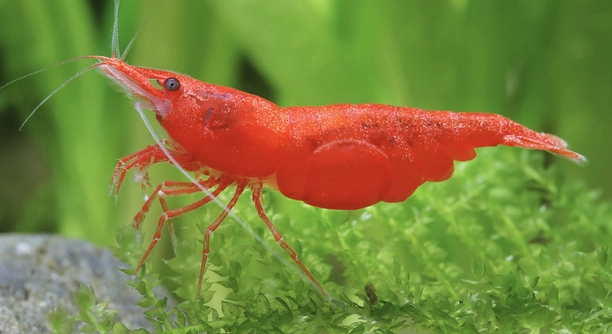
Shrimp with vibrant, consistent coloring are generally healthy and happy. A bright red, orange, or blue indicates good nutrition and proper water conditions, while dull or fading colors can signal stress or illness. The intensity of their color may vary slightly with mood, molting cycles, and light exposure, but overall, a healthy shrimp maintains a clear, uniform hue. Stress factors such as poor water quality, improper diet, or overcrowding can make colors appear muted or patchy. Observing color alongside other behaviors gives a more complete picture of their health. Maintaining stable water parameters, including temperature, pH, and hardness, supports strong pigmentation. In addition, providing a varied diet with natural sources of carotenoids helps keep colors vibrant. When shrimp feel secure, they also display more consistent patterns, showing off their natural hues without hiding. Bright coloring is a visual cue of thriving conditions, making it easier to monitor well-being at a glance.
Color changes can indicate more than beauty; they reflect the shrimp’s physical and emotional state. Paying attention to these shifts helps ensure ongoing health and happiness.
Regular Feeding Behavior
Happy shrimp eat consistently and show interest in available food. They approach meals quickly, nibble evenly, and rarely ignore feeding times.
Shrimp that maintain regular feeding habits are generally stress-free and in good health. They graze on algae, biofilm, and supplemental foods without hesitation. Sudden changes in appetite can indicate water issues, poor nutrition, or illness. Observing their feeding patterns helps track overall well-being and detect problems early. Providing a balanced diet with occasional protein supplements ensures they remain energetic and maintain vibrant colors. Feeding at consistent times also establishes a sense of routine, making them more predictable and easier to care for. Shrimp that eat steadily are more likely to molt successfully and grow normally.
Consistent feeding also promotes social harmony. When all shrimp can access food without aggression or competition, stress is minimized. Proper feeding practices support longevity and reduce the risk of nutrient deficiencies, keeping your shrimp healthy and active. Regular observation during meals allows you to notice subtle changes in behavior or appetite that may require adjustments in care.
Social Interaction and Grouping
Shrimp that are happy tend to interact with each other naturally. They may cluster in small groups or share grazing spots without conflict.
These social behaviors show comfort and confidence in their environment. Shrimp may follow each other while foraging or rest near companions without signs of stress. Grouping reduces anxiety and creates a sense of safety. Aggression or excessive hiding can signal poor tank conditions or overcrowding. Observing interactions helps identify both healthy bonding and potential problems. A balanced number of shrimp and ample hiding spaces encourages natural social patterns. When shrimp feel secure, they show curiosity and gentle engagement, moving together while exploring or feeding. Social interaction is an essential indicator of overall happiness.
Proper social conditions improve shrimp health and well-being. Grouping encourages natural behaviors, reduces stress, and enhances growth. Shrimp that interact regularly are more likely to display vibrant coloration, active movement, and consistent feeding. Overcrowded tanks or insufficient shelter can disrupt these patterns, causing timid or aggressive behavior. By providing appropriate numbers, stable water conditions, and plenty of hiding spots, you can foster natural social dynamics. Watching these interactions over time allows for adjustments in tank management, ensuring a thriving, harmonious shrimp community where individuals feel safe, active, and healthy.
Climbing and Perching
Happy shrimp often climb plants, rocks, and decorations. They perch on surfaces while grazing or resting, showing curiosity and confidence.
This behavior indicates they feel secure in their environment. Shrimp that rarely climb may be stressed, hiding, or uncomfortable with water conditions.
Smooth Molting
Successful molting is a key sign of shrimp well-being. Shrimp shed their old exoskeleton to grow, and happy shrimp do this without complications or prolonged stress. A smooth molt means they have access to proper minerals and nutrition. Water quality also plays a crucial role; stable parameters reduce the risk of incomplete molts. Shrimp that struggle with molting often show lethargy, color fading, or curling, which can lead to injury or death. Observing regular, complete molts is a clear indicator that shrimp are healthy, thriving, and receiving the care they need to grow naturally.
Minimal Hiding
Shrimp that are happy spend less time hiding and more time exploring or grazing. They use shelters when needed but are not constantly withdrawn.
FAQ
How can I tell if my shrimp are stressed?
Shrimp that are stressed often hide excessively, move very little, or display dull colors. They may refuse to eat and avoid interacting with other shrimp. Water parameters, such as pH, temperature, and ammonia levels, should be checked first. Poor nutrition or overcrowding can also cause stress.
What is a normal feeding pattern for happy shrimp?
Happy shrimp approach food consistently and nibble steadily throughout the day. They graze on biofilm, algae, and supplemental foods without hesitation. Sudden drops in appetite or aggressive competition for food can indicate a problem with health or tank conditions.
Why do shrimp climb on decorations and plants?
Climbing is a sign of curiosity and comfort. Shrimp use elevated surfaces to explore, graze, or rest. Shrimp that avoid climbing may feel unsafe or stressed. Providing a variety of surfaces encourages natural movement and reduces boredom.
How often should shrimp molt?
Molting frequency depends on age, species, and water conditions. Young shrimp molt more often than adults. Successful, regular molting indicates good nutrition and proper minerals in the water. Struggling or incomplete molts are signs of stress or poor water quality.
Is it normal for shrimp to hide sometimes?
Yes, shrimp use hiding spots to feel safe during molting or when adjusting to new conditions. However, shrimp that remain hidden constantly are likely stressed, sick, or uncomfortable with their environment. Observing the balance between hiding and exploring is key.
How important is social behavior for shrimp?
Shrimp naturally interact with tank mates by grazing, following, or resting near each other. Healthy social behavior indicates they feel safe and secure. Lack of interaction, aggression, or constant hiding can point to overcrowding or poor tank conditions.
Can shrimp colors indicate health?
Yes, bright and consistent colors reflect good nutrition and stable water conditions. Dull or fading colors may signal stress, illness, or insufficient diet. Color alone isn’t the only indicator; it should be considered alongside behavior and activity.
What tank conditions support happy shrimp?
Stable temperature, pH, hardness, and clean water are essential. Proper hiding spots, climbing surfaces, and sufficient space reduce stress. Regular feeding with a balanced diet ensures energy, proper growth, and vibrant coloration. Poor conditions negatively affect behavior, molting, and social interaction.
How can I encourage shrimp to be active?
Provide a balanced diet, clean water, and variety in their environment. Plants, rocks, and decorations stimulate exploration. Maintaining stable conditions helps shrimp feel safe, encouraging natural movement and grazing behaviors throughout the tank.
What should I do if a shrimp is inactive?
Check water parameters, diet, and potential tank stressors. Inactivity may indicate stress, illness, or molting issues. Adjusting conditions, providing proper nutrition, and isolating affected shrimp if necessary can help restore activity and overall well-being.
Do shrimp show signs of happiness over time?
Yes, consistent active swimming, regular feeding, successful molts, bright coloration, and natural social interaction are all long-term indicators. Observing patterns over days and weeks allows you to ensure shrimp remain comfortable and thriving in their habitat.
Can I mix different shrimp species together?
Some species can coexist, but compatibility depends on size, temperament, and environmental needs. Monitor interactions closely. Aggressive behavior or dominance can stress weaker shrimp. Providing adequate hiding spaces and balanced numbers helps maintain harmony among mixed species.
How can I tell if a shrimp is molting properly?
A successful molt leaves a clean, intact exoskeleton. The shrimp emerges without difficulty and resumes normal activity quickly. Struggling, incomplete molts, or curling indicate stress, poor nutrition, or unsuitable water conditions that need immediate attention.
How does tank cleanliness affect shrimp happiness?
Clean water with low ammonia, nitrite, and nitrate levels supports overall health. Debris buildup can cause stress, reduce feeding, and impact molting. Regular maintenance, partial water changes, and substrate cleaning promote vibrant, active, and content shrimp.
Why do shrimp sometimes swarm food?
Swarming indicates healthy appetite and social feeding patterns. It also shows they feel safe and confident. Overcrowding during feeding can cause stress, so providing multiple feeding spots and monitoring portions helps maintain calm and reduces competition.
Can shrimp sense stress in tank mates?
Yes, shrimp are sensitive to their environment. Stressed or sick shrimp can affect the behavior of others, causing hiding or reduced activity. Maintaining stable conditions for all individuals helps create a calm, thriving community.
What are early signs of shrimp illness?
Lethargy, color changes, refusal to eat, abnormal swimming, or failed molts are common signs. Early detection allows adjustments in water parameters, diet, or isolation to prevent worsening conditions and support recovery.
How long should I observe shrimp daily?
Short daily checks of 10–15 minutes allow you to monitor activity, feeding, molting, and social interactions. Consistent observation helps catch subtle changes before they become serious issues, keeping shrimp healthy and comfortable.
Do hiding spots impact shrimp happiness?
Yes, adequate hiding spaces reduce stress, particularly during molting or when new shrimp are introduced. Too few shelters can lead to excessive hiding or aggressive behavior. Proper placement ensures shrimp can explore freely while feeling secure.
Is tank lighting important for shrimp well-being?
Moderate lighting supports algae growth for grazing and regulates natural behavior. Too bright or inconsistent lighting can stress shrimp, while dim, stable light encourages activity, exploration, and healthy social interaction.
Observing shrimp closely can give a clear idea of their happiness and overall health. Their behavior, coloring, and activity levels are the easiest indicators to watch. Active shrimp that explore the tank, climb on plants, and interact with other shrimp are generally comfortable in their environment. Feeding patterns are also important; shrimp that approach food consistently and nibble without hesitation are usually stress-free. Even small details, such as grazing evenly across surfaces or resting on decorations, show that they feel secure. Monitoring these behaviors regularly makes it easier to notice any changes that could signal stress or illness before it becomes serious. Consistent observation is key to maintaining a thriving shrimp habitat.
Water quality plays a major role in shrimp happiness. Maintaining stable parameters, including temperature, pH, hardness, and cleanliness, ensures that shrimp can grow and molt without complications. Sudden fluctuations in water conditions can cause stress, lethargy, or even failed molts. Providing adequate hiding spots and climbing surfaces also reduces stress and encourages natural behaviors. Nutrition is equally important; a balanced diet with occasional protein supplements helps shrimp maintain bright colors, energy, and healthy growth. Proper care combines all these factors, supporting a comfortable environment where shrimp can display natural behaviors, socialize peacefully, and thrive over time.
Finally, paying attention to shrimp social interactions helps ensure their long-term well-being. Happy shrimp cluster naturally, follow each other while grazing, and rest near companions without showing signs of aggression or excessive hiding. Overcrowding, insufficient shelter, or poor nutrition can disrupt these behaviors, so careful planning of tank population and layout is essential. By observing swimming patterns, feeding habits, molting success, coloration, and social interactions, it becomes easier to provide the conditions that shrimp need to feel safe and healthy. Consistent care and observation allow you to maintain a balanced tank, making sure your shrimp remain active, stress-free, and thriving in their environment.

Hello,
If you enjoy the content that we create, please consider saying a "Thank You!" by leaving a tip.
Every little bit helps us continue crafting quality advice that supports the health, happiness, and well-being of pets around the world, for pets of all shapes, sizes, and species.
We really appreciate the kindness and support that you show us!