
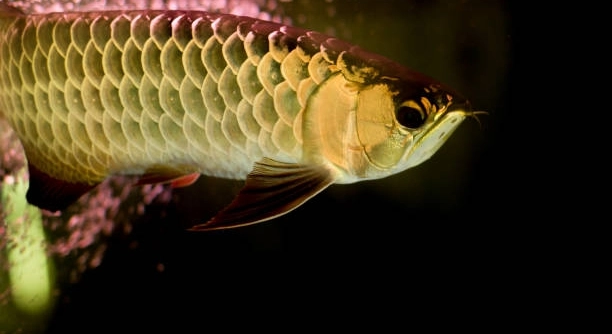
Your Arowana is a beautiful and graceful fish, but keeping it healthy requires careful attention. Many fish owners may not realize that overstimulation can affect their Arowana’s behavior and overall wellbeing.
Signs of overstimulation in Arowanas include constant darting, flaring fins, loss of appetite, and unusual aggression. Environmental factors like excessive lighting, loud noises, or frequent tank disturbances can contribute to these stress responses in the fish.
Knowing how to spot these behaviors early can help you make adjustments. Simple changes in care can greatly improve your Arowana’s comfort and stability in its tank.
Common Signs of Overstimulation
Arowanas are sensitive to their surroundings, and overstimulation can show in clear ways. You might notice your fish swimming rapidly across the tank or hitting the glass. Flaring fins and repeated jumping are also warning signs. Overstimulated Arowanas may hide more than usual or seem unusually aggressive toward other tank mates. Appetite changes are common too—some stop eating, while others become frantic at feeding time. Lighting that is too bright, sudden noises, and constant movement around the tank all add stress. Even things like rearranging decorations too often can unsettle them. Recognizing these signals early helps prevent long-term stress, which can weaken their immune system and lead to illness. A calm, consistent environment with minimal disturbances keeps Arowanas balanced. Observing your fish daily allows you to notice even subtle shifts in behavior, giving you time to adjust tank conditions before stress escalates.
Early signs of overstimulation should never be ignored. Prompt adjustments can prevent serious health issues.
Taking small steps can make a big difference. Adjust lighting levels, reduce sudden noise, and limit disturbances near the tank. Providing hiding spaces and stable decorations helps your Arowana feel secure. Over time, a calmer environment encourages natural behavior and steady appetite. Observing patterns in activity and response ensures that changes are effective. Patience is key—recovery is gradual, and consistent care reduces stress levels over days or weeks. Regular monitoring of water quality, temperature, and tank cleanliness supports your Arowana’s overall wellbeing.
Adjusting the Environment
A stable tank setup greatly reduces overstimulation for your Arowana. Minimal movement and steady lighting help the fish feel secure and calm.
Environmental changes should be gradual and thoughtful. Avoid frequent rearrangements of decorations, sudden bright lights, or excessive tapping on the glass. Position the tank in a low-traffic area to reduce disturbances. Soft lighting and natural hiding spots allow your Arowana to retreat when needed. Consider floating plants or gentle background elements to break up open space. Noise from nearby electronics or loud household activity can cause persistent stress, so reducing these factors benefits the fish. Temperature fluctuations should be avoided, as sudden shifts also increase stress. Even feeding routines matter—consistent timing and portion sizes create predictability. By observing your Arowana’s reactions to each change, you can fine-tune the environment. Calm, steady conditions help prevent aggressive or frantic behavior, supporting longer-term health. Adjustments are most effective when applied thoughtfully, keeping the fish’s comfort as the top priority.
Feeding and Diet Adjustments
Overstimulated Arowanas may refuse food or eat frantically. Feeding smaller portions more frequently can help them maintain proper nutrition. Avoid sudden diet changes that could add stress.
A consistent feeding schedule helps your Arowana feel secure. Offering a mix of live, frozen, and pellet foods provides balanced nutrition while keeping the fish engaged without overwhelming it. Overfeeding can cause digestive issues and worsen stress, so measure portions carefully. Observing how your fish reacts to different foods helps identify preferences and tolerance. Gradual adjustments ensure the Arowana adapts smoothly, preventing sudden changes that could trigger aggressive or anxious behavior.
Providing enrichment during feeding is beneficial. Floating foods or placing meals in different areas encourages natural hunting behavior without causing chaos. Avoid overcrowding during feeding times, as competition adds stress. Over time, your Arowana will respond more calmly, eat consistently, and show fewer signs of overstimulation when diet and feeding methods are balanced. Consistency is key to recovery and maintaining overall health.
Tank Companions and Social Interaction
Arowanas are sensitive to the presence of other fish. Aggressive or overly active tank mates can increase stress levels. Choosing compatible companions minimizes conflict and overstimulation.
When introducing new fish, gradual acclimation is important. Quarantine new arrivals and observe behavior before mixing them with your Arowana. Avoid overcrowding, as limited space increases aggression and tension. Some species are naturally more active or territorial, which may trigger constant chasing or defensive displays. Providing visual barriers like plants or rocks allows your Arowana to retreat when necessary. Interaction with calm, compatible species promotes natural social behavior without causing anxiety. Observing the dynamics daily helps you intervene before stress escalates. Balancing social interaction supports both mental stimulation and overall health.
Lighting and Noise Control
Bright or flickering lights can overstimulate Arowanas, causing stress and erratic swimming. Reducing light intensity or using a dimmer schedule helps them stay calm.
Loud sounds or vibrations near the tank add unnecessary stress. Keeping the tank in a quiet area minimizes anxiety and supports natural behavior patterns.
Monitoring Water Quality
Stable water conditions are essential to prevent overstimulation. Sudden changes in temperature, pH, or ammonia levels can trigger stress responses. Regular testing and gradual adjustments maintain a safe environment. Clean water supports healthy gill function, appetite, and overall activity, keeping your Arowana balanced and comfortable in its tank.
Creating Hiding Spots
Providing places to hide helps your Arowana feel secure. Rocks, plants, and driftwood offer refuge and reduce stress in busy tanks.
FAQ
How can I tell if my Arowana is overstimulated?
Overstimulated Arowanas show changes in behavior. They may dart around the tank, flare their fins, jump frequently, or become aggressive toward tank mates. Appetite changes are common—they might eat less or act frantic during feeding. Hiding more often than usual is another sign of stress. Observing daily helps catch early signs before they escalate.
What environmental factors cause overstimulation?
Excessive lighting, sudden noises, frequent movement near the tank, and constant rearranging of decorations can all contribute to stress. Overcrowded tanks or incompatible tank mates also increase tension. Temperature fluctuations and poor water quality can worsen overstimulation, so keeping stable conditions is essential.
Can diet affect my Arowana’s stress levels?
Yes, feeding irregularly, overfeeding, or changing the diet too quickly can cause stress. Arowanas respond well to a consistent feeding schedule with balanced nutrition. Offering a mix of live, frozen, and pellet foods helps maintain interest without overwhelming the fish. Smaller, frequent portions reduce the risk of digestive issues and aggression.
How do I create a calm tank environment?
Reduce bright lights or use a dimmer schedule. Place the tank in a quiet area and limit sudden vibrations or noise. Stable water parameters, consistent temperature, and minimal changes in decorations create a secure space. Providing hiding spots and gentle visual barriers allows your Arowana to feel safe while maintaining natural behavior.
Are tank mates important for preventing overstimulation?
Yes. Arowanas are sensitive to other fish. Aggressive or highly active companions can increase stress. Choose calm, compatible species, avoid overcrowding, and provide visual breaks so your Arowana can retreat when needed. Gradual acclimation of new fish helps maintain balance and reduces aggressive interactions.
What should I do if my Arowana shows signs of stress?
First, identify potential triggers such as lighting, noise, or tank mates. Adjust the environment gradually. Ensure water quality is stable and consistent. Modify feeding routines if needed, providing smaller, balanced portions. Adding hiding spots or rearranging decorations thoughtfully can help. Monitor behavior daily to see improvements and intervene early if stress continues.
How often should I check water quality to prevent overstimulation?
Testing water parameters weekly is ideal. Monitor temperature, pH, ammonia, nitrites, and nitrates. Sudden changes can cause stress, so gradual adjustments are safest. Clean water supports breathing, appetite, and general activity, reducing overstimulation and promoting long-term health.
Is it normal for Arowanas to hide sometimes?
Yes. Hiding is a natural behavior and a way for your fish to feel secure. However, frequent or prolonged hiding may indicate overstimulation or environmental stress. Observing patterns and comparing with other behaviors helps determine if adjustments are needed.
Can I use decorations to reduce stress?
Absolutely. Rocks, driftwood, and plants provide refuge and break open spaces. Visual barriers reduce aggressive encounters and give your Arowana control over its environment. Thoughtful placement of decorations ensures both hiding spots and swimming space, balancing stimulation with comfort.
How long does it take for an overstimulated Arowana to calm down?
Recovery varies depending on the severity of stress and the adjustments made. Minor overstimulation can improve within days if conditions are stable. More persistent stress may take weeks. Consistency in environment, diet, and tank management is key to helping your Arowana regain calm and normal behavior.
Final Thoughts
Keeping an Arowana healthy and happy requires paying attention to more than just feeding and water quality. These fish are sensitive to their environment, and overstimulation can affect their behavior and overall wellbeing. Rapid swimming, aggression, hiding, and appetite changes are common signs that your Arowana is stressed. Overstimulation is often caused by factors that may seem minor, like sudden noises, bright lighting, or constant movement near the tank. Even rearranging decorations too often or introducing new tank mates without proper acclimation can upset your fish. Recognizing these signs early is important because stress affects more than behavior—it can weaken the immune system and make your Arowana more susceptible to illness. Observing your fish every day helps you notice subtle changes, allowing you to act before small issues turn into serious problems. Being consistent with your care routine makes a noticeable difference in their overall health and comfort.
Creating a calm and stable environment is one of the most effective ways to reduce overstimulation. Adjusting lighting, controlling noise, and placing the tank in a low-traffic area helps your Arowana feel secure. Hiding spots, gentle decorations, and visual barriers allow your fish to retreat when needed and reduce stress caused by constant activity in the tank. Tank mates also play an important role. Choosing compatible species and avoiding overcrowding prevents unnecessary aggression or tension. Feeding routines matter too; offering balanced nutrition in smaller, consistent portions can help your Arowana stay healthy while avoiding stress-related behavior changes. Monitoring water quality regularly ensures stable temperature, pH, and cleanliness, which are crucial to prevent overstimulation. All of these adjustments may seem small individually, but together they create a safe and predictable environment that allows your fish to thrive.
Patience and observation are key when caring for an overstimulated Arowana. Recovery is not instant, and changes should be applied gradually to avoid adding more stress. Watching how your fish responds to environmental changes, feeding adjustments, and new tank mates will guide you in fine-tuning care practices. Consistency in routine, attention to behavior, and small environmental improvements will gradually help your Arowana feel secure, calm, and more responsive. While it may take days or even weeks to notice significant improvements, the effort is worthwhile for the long-term health of your fish. By understanding their needs and responding thoughtfully, you can ensure that your Arowana remains active, healthy, and comfortable in its home. Regular care, patience, and mindful adjustments create an environment where your fish can live without stress, allowing you to enjoy observing their natural and graceful behavior over time.

Hello,
If you enjoy the content that we create, please consider saying a "Thank You!" by leaving a tip.
Every little bit helps us continue crafting quality advice that supports the health, happiness, and well-being of pets around the world, for pets of all shapes, sizes, and species.
We really appreciate the kindness and support that you show us!