
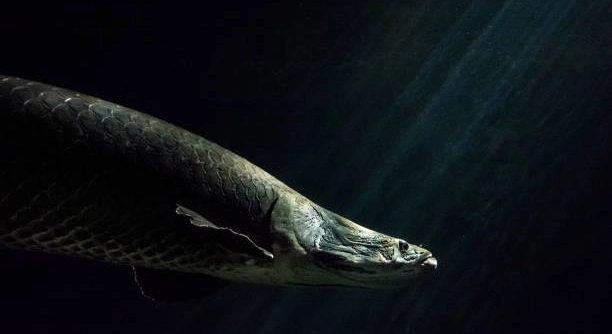
Do you ever find yourself admiring the elegance of arowanas but feeling unsure about keeping them healthy in your tank? These striking fish require specific care to thrive, especially when it comes to their water environment.
Arowanas need stable water parameters including a temperature of 75–82°F, pH between 6.5–7.5, and moderate hardness. Maintaining consistent ammonia, nitrite, and nitrate levels is critical, as fluctuations can stress the fish and compromise overall health.
Knowing the right water setup ensures your arowana grows strong and vibrant. Proper care creates a safe, thriving home for these beautiful fish.
Ideal Temperature for Arowanas
Arowanas are tropical fish and thrive in warm water. Keeping the temperature stable between 75–82°F is essential for their health and activity. Sudden changes can stress them, leading to weakened immune systems or illness. Using a reliable heater and thermometer ensures the water remains within the right range. Avoid placing the tank near windows or vents where temperature can fluctuate. Regular monitoring helps prevent long-term damage to your fish. Even small drops in temperature can affect their metabolism, appetite, and swimming behavior. Consistent warmth encourages proper digestion and energy levels. Pairing the right temperature with proper filtration and oxygenation creates a balanced environment. Maintaining these conditions makes it easier to spot health issues early, allowing timely action. Arowanas are sensitive to cold, so preparation before adding new water or doing partial changes is important. Gradually adjusting temperature during maintenance prevents unnecessary stress and supports overall well-being.
Keeping water at a consistent temperature prevents sudden health issues and promotes active, healthy arowanas in your tank.
Proper temperature also influences your arowana’s growth and coloration. Fish kept in stable, warm water tend to show brighter colors, stronger immunity, and improved behavior. Over time, consistent conditions lead to long-term health benefits, fewer illnesses, and a more vibrant appearance. It also reduces the risk of shock during water changes, making daily care less stressful. Temperature stability works together with clean water and proper nutrition to give your arowana the best environment for thriving.
pH and Water Hardness
Arowanas prefer slightly acidic to neutral water with a pH of 6.5–7.5. Maintaining this range helps their biological functions and reduces stress.
Monitoring water hardness ensures minerals support overall fish health without causing imbalances. Use test kits regularly and adjust gradually if needed.
Water hardness affects your arowana’s metabolism, bone strength, and scales. Soft water is gentle on sensitive fish, while very hard water can cause stress or stunted growth. Consistency is more important than hitting exact numbers; sudden shifts in pH or hardness can be harmful. Using buffers or natural elements like driftwood can help stabilize pH naturally. Regular testing allows you to notice trends and prevent problems before they affect your fish. Balancing these parameters with temperature and filtration creates a harmonious environment where your arowana can swim actively, feed well, and display its natural beauty. It also reduces the risk of diseases and enhances the effectiveness of treatments if any issues arise. Overall, proper pH and hardness management is a foundational step in successful arowana care.
Ammonia, Nitrite, and Nitrate Levels
Keeping ammonia and nitrite at zero is crucial for arowanas. High levels can quickly harm or kill fish, while nitrates should be kept below 20 ppm for long-term health.
Regular water testing helps catch spikes early. Filtration and partial water changes are essential to maintain safe levels. Biological filters convert toxic ammonia into less harmful substances, but overfeeding or crowded tanks can overwhelm the system. Even small accumulations can stress arowanas, reducing appetite and weakening immunity. Monitoring nitrites ensures that conversion processes are working correctly, while managing nitrates prevents chronic stress and organ damage. Using high-quality filter media and performing consistent partial water changes supports stable chemistry. Understanding the nitrogen cycle in your tank is important to prevent dangerous imbalances. A proactive approach avoids sudden health crises.
Arowanas are sensitive to toxins. Maintaining low ammonia, nitrite, and nitrate levels ensures they remain active, healthy, and vibrant.
Proper chemical management also affects your tank’s overall ecosystem. Healthy bacteria in the filter, combined with stable feeding routines, maintain water clarity and reduce odor. Balanced water chemistry supports your fish’s natural behavior, including feeding, swimming, and interaction with tank elements. Over time, consistent care reduces the likelihood of disease outbreaks and minimizes stress, making daily maintenance smoother. Attention to these details creates a stable habitat that encourages growth and long-term vitality. The combination of regular testing, careful feeding, and proper filtration ensures a safer environment for your arowana.
Oxygen and Filtration
Adequate oxygen levels keep arowanas active and alert. Surface agitation and strong filtration help maintain proper aeration.
Filtration removes debris, supports bacteria that break down waste, and keeps water clean. Properly sized filters prevent stagnation and maintain clarity.
Arowanas are large fish with high oxygen demands. Without proper aeration, they may show signs of lethargy, gasping, or decreased appetite. Filters provide mechanical, chemical, and biological cleaning, which reduces harmful substances and maintains balance. Placement of intake and output in the tank ensures efficient circulation, preventing dead spots where oxygen may be low. Combining oxygenation methods like air stones, powerheads, or surface movement helps maintain consistent dissolved oxygen. Regular maintenance, such as cleaning filter media without disrupting bacteria, keeps the system effective. Well-oxygenated water also promotes healthy metabolism and digestion, making your arowana more energetic and vibrant. Consistency in filtration and aeration is key to long-term fish health.
Tank Size and Space
Arowanas need plenty of space to swim freely. A tank of at least 250 gallons is recommended for adults to prevent stress and injury.
Providing open swimming areas reduces aggression and allows natural movement. Decorations should not overcrowd the tank or limit their range.
Lighting and Day/Night Cycle
Arowanas benefit from a consistent day and night cycle. Moderate lighting for 10–12 hours daily supports natural behavior and reduces stress.
Avoid intense or constant light, as it can overstimulate or weaken their immune system over time. Natural light cycles or timers help maintain consistency.
Water Change Frequency
Regular water changes are essential to keep water parameters stable. Changing 20–30% of water weekly prevents toxin buildup and supports a healthy environment.
Skipping water changes can lead to chemical imbalances, stress, and increased risk of disease, even in well-filtered tanks.
FAQ
What is the ideal temperature for arowanas?
Arowanas thrive in water between 75–82°F. Keeping the temperature consistent is essential to prevent stress, poor appetite, or illness. Sudden drops or spikes in temperature can weaken immunity and affect digestion. Using a reliable heater and thermometer ensures stability, especially during seasonal changes or partial water changes.
How often should I test water parameters?
Testing ammonia, nitrite, nitrate, pH, and hardness weekly is recommended. Regular monitoring helps identify changes early and allows for timely corrective actions. Consistency in testing prevents long-term health problems and supports proper fish behavior. Using quality test kits improves accuracy and reduces guesswork.
What pH level is best for arowanas?
Arowanas prefer slightly acidic to neutral water, ideally between 6.5 and 7.5. Maintaining a stable pH reduces stress and supports proper metabolic function. Sudden fluctuations, even small ones, can cause health issues and lethargy. Natural additives like driftwood or commercial buffers help stabilize pH gradually.
How hard should the water be?
Moderate hardness is ideal, around 5–12 dGH. Water that is too soft or too hard can affect growth, scales, and overall health. Gradual adjustments are important, as sudden changes may stress the fish. Soft water is easier on sensitive species, while very hard water can stunt growth.
How often should I change the water?
Weekly changes of 20–30% are recommended. This keeps ammonia, nitrite, and nitrate levels safe while maintaining overall water quality. Even with strong filtration, partial water changes prevent chemical imbalances, algae buildup, and stress-related health issues. Using dechlorinated water helps protect the fish during changes.
What kind of filtration do arowanas need?
Arowanas require strong filtration that provides mechanical, chemical, and biological cleaning. Large tanks benefit from canister or sump filters. Proper filtration ensures debris removal, supports beneficial bacteria, and maintains stable oxygen levels. Avoid overcrowding the tank to prevent overloading the filter.
Do arowanas need aeration?
Yes, proper oxygen levels are important. Surface agitation, powerheads, or air stones help maintain adequate oxygenation, especially in large tanks. Poor oxygen can cause lethargy, gasping, or reduced appetite. Regular monitoring ensures fish remain active and healthy.
Can I keep arowanas with other fish?
Arowanas can be territorial. Tank mates should be carefully chosen based on size and temperament. Smaller fish may be eaten, and aggressive species can cause stress. Providing ample swimming space and hiding spots helps reduce conflicts, though caution is always necessary.
How does lighting affect arowanas?
Moderate lighting for 10–12 hours daily supports natural behavior and reduces stress. Intense or constant light can weaken immunity or overstimulate them. Using timers creates a consistent day/night cycle, which promotes feeding, growth, and natural activity patterns.
Why is ammonia dangerous?
Ammonia is highly toxic to fish, even in small amounts. High levels can cause gill damage, lethargy, or death. Proper filtration and regular water changes keep ammonia near zero. Understanding the nitrogen cycle helps prevent dangerous spikes and maintains long-term tank stability.
What signs indicate water problems?
Signs include gasping at the surface, clamped fins, reduced appetite, or unusual swimming. Cloudy water, foul odor, or algae overgrowth may indicate chemical imbalances. Prompt testing and adjustment of parameters prevent long-term damage.
How can I stabilize pH and hardness?
Gradual adjustments using commercial buffers, natural driftwood, or minerals help stabilize water. Sudden changes can stress or harm arowanas. Consistent monitoring and incremental changes are key for long-term stability.
Is tank size really important?
Yes, adult arowanas need at least 250 gallons. Limited space can lead to stress, aggression, and stunted growth. Large tanks provide swimming room, reduce territorial behavior, and support better water quality management. Proper space ensures a healthier, more active fish.
How do I maintain nitrate levels?
Keep nitrates below 20 ppm with partial water changes and adequate filtration. Overfeeding, overcrowding, or skipping maintenance can increase nitrate levels, stressing the fish. Regular monitoring ensures the environment remains safe for long-term health.
Can I overfeed arowanas?
Yes, overfeeding can spike ammonia and nitrite, causing water quality problems. Feed in small, manageable portions, usually once or twice a day, and remove uneaten food promptly. Balanced feeding supports growth and overall vitality.
Why is filtration maintenance important?
Filters support beneficial bacteria that break down toxins. Cleaning media without disrupting bacteria keeps the system effective. Neglecting maintenance can lead to chemical imbalances, cloudy water, and health risks. Regular attention ensures the tank remains a stable, safe habitat.
How do I prevent disease?
Stable water parameters, proper nutrition, and clean tanks are essential. Stress from poor conditions or overcrowding increases susceptibility. Quarantining new fish and monitoring behavior helps prevent outbreaks. Early detection and consistent care keep your arowana healthy.
What is the role of water movement?
Water circulation distributes oxygen, removes waste, and prevents dead spots. Proper flow enhances filtration efficiency and supports natural behavior. Poor circulation can create stagnant areas, increasing stress and risk of illness.
Can lighting affect growth?
Indirectly, yes. Consistent light cycles support feeding and activity. Stress from improper lighting can reduce appetite, slowing growth. Balanced, moderate lighting encourages natural behavior and helps maintain a healthy routine.
How do I handle sudden parameter changes?
Always adjust gradually. Sudden shifts in temperature, pH, or hardness can shock arowanas. Using incremental changes and monitoring behavior ensures safe transitions. Patience and consistency prevent stress-related health issues.
Are partial water changes enough for large tanks?
Yes, if done consistently. Large tanks benefit from 20–30% weekly changes. Combined with filtration and aeration, partial changes maintain safe chemical levels without shocking the fish. Regular monitoring ensures balance over time.
How can I make testing easier?
Use reliable test kits and maintain a schedule. Record results to track trends and anticipate issues. Having tools accessible near the tank encourages consistent monitoring and prevents overlooked changes.
Do decorations affect water parameters?
Yes, driftwood or rocks can alter pH and hardness. Choose materials carefully, rinse thoroughly, and monitor changes after adding new items. Awareness ensures stability and prevents stress to your arowana.
Can arowanas tolerate tap water?
Tap water is usable if treated to remove chlorine and chloramines. Testing pH and hardness ensures it is safe. Sudden unconditioned water can harm gills and overall health, so always prepare it properly.
How often should filters be cleaned?
Filters should be maintained monthly or as needed. Avoid cleaning all media at once to preserve beneficial bacteria. Partial cleaning keeps the system efficient without disrupting the nitrogen cycle.
Is tank coverage necessary?
Yes, arowanas can jump. A secure lid prevents escapes and injuries. Even well-behaved fish may leap when startled, so coverage ensures safety and reduces stress.
What is the impact of overstocking?
Overcrowding increases waste, stresses fish, and raises ammonia and nitrite levels. Each arowana needs space to swim freely. Proper stocking ensures better water quality, reduces aggression, and promotes health.
How does diet affect water quality?
Overfeeding or inappropriate food increases waste and ammonia. Balanced feeding reduces water contamination, supports growth, and minimizes the risk of chemical imbalances. Removing uneaten food promptly is crucial.
Can tap water contain harmful chemicals?
Yes, chlorine and chloramine can damage gills and beneficial bacteria. Always treat water before adding it to the tank to protect arowanas and maintain stable biological processes.
How do I know if my fish is stressed?
Signs include clamped fins, hiding, decreased appetite, erratic swimming, or color fading. Stress often results from poor water quality, sudden changes, or overcrowding. Observing behavior regularly allows quick corrective actions.
How important is tank location?
Placement affects temperature stability and stress. Avoid direct sunlight, drafts, or high-traffic areas. Stable, quiet locations contribute to consistent conditions and a calmer, healthier fish environment.
What’s the best way to acclimate a new arowana?
Float the bag in the tank to equalize temperature, then gradually mix tank water. Slow acclimation reduces shock and stress. Rushing this process can cause immediate health issues and long-term stress.
Can arowanas tolerate short-term parameter changes?
Minor fluctuations may be tolerated briefly, but repeated or prolonged changes increase stress. Stability in temperature, pH, hardness, and chemical levels is essential for overall health.
How do I prevent algae growth?
Balanced lighting, moderate feeding, and regular water changes reduce nutrients that feed algae. Filtration and live plants can also help maintain a clean, healthy tank environment.
Do different arowana species need different water parameters?
Slight differences exist, but most prefer warm, slightly acidic to neutral water with stable hardness. Research your specific species for minor adjustments, but basic care principles remain consistent.
Is quarantine necessary for new fish?
Yes, quarantining prevents disease introduction. Observing new fish for a few weeks ensures they are healthy before adding them to the main tank, protecting existing arowanas from potential illness.
How do I manage large arowana waste?
Frequent partial water changes, strong filtration, and careful feeding reduce waste accumulation. Removing uneaten food promptly prevents ammonia spikes and keeps water quality stable.
Can arowanas live in community tanks?
Yes, with caution. Tank mates must be large, non-aggressive, and robust. Providing ample space and hiding spots reduces conflict and stress. Monitoring behavior is essential to prevent injuries or stress-related health problems.
How does stress affect immunity?
Stress weakens the immune system, making arowanas more susceptible to illness. Maintaining stable water parameters, proper diet, and sufficient space helps reduce stress and keeps fish healthy.
What’s the safest way to adjust water hardness?
Gradually add minerals or buffers while testing frequently. Sudden changes can shock arowanas and lead to stress or health problems. Incremental adjustments ensure safety and stability.
Can poor filtration cause disease?
Yes, inadequate filtration allows toxins and waste to accumulate, weakening immunity and creating favorable conditions for pathogens. Consistent maintenance and proper sizing are crucial to prevent disease outbreaks.
How do I prevent jumping injuries?
Secure lids and provide calm, stable environments. Avoid sudden disturbances near the tank, as startled arowanas may leap. Ensuring sufficient space and safety measures reduces accidents.
How does diet affect growth?
Balanced nutrition with protein-rich foods supports muscle development and natural coloration. Inconsistent or poor-quality diets can stunt growth and reduce overall vitality. Feeding appropriately ensures long-term health and vigor.
Can tank mates affect water parameters?
Yes, more fish produce more waste, affecting ammonia, nitrite, and nitrate levels. Adjust filtration and water change routines to maintain stability with additional tank mates.
What’s the best routine for water testing?
Weekly checks for ammonia, nitrite, nitrate, pH, and hardness are recommended. Recording results helps track trends and identify potential problems early. Consistent testing supports proactive care.
How important is tank cleaning?
Regular cleaning prevents waste buildup, maintains water clarity, and supports fish health. Removing debris and maintaining filter efficiency ensures long-term stability and reduces stress for arowanas.
Can arowanas adapt to minor parameter changes?
Some adaptability exists, but frequent or large shifts cause stress. Consistent care and gradual adjustments are essential for healthy, thriving fish.
How do I keep nitrates low?
Partial water changes, balanced feeding, and strong filtration keep nitrates under control. Avoid overstocking and excess food to prevent buildup. Regular testing ensures safe levels.
Does water hardness impact behavior?
Extreme hardness or softness can cause stress, reduce appetite, and affect activity. Moderate, consistent hardness supports natural behavior and overall health.
What’s the ideal daily routine for arowanas?
Feed small portions once or twice daily, monitor water parameters, and check equipment. Consistency in care minimizes stress, supports growth, and maintains a clean, safe environment.
Can seasonal changes affect water parameters?
Yes, temperature and hardness can fluctuate with seasons. Using heaters, buffers, or partial changes helps maintain stability and prevents stress.
How do I know if filtration is adequate?
Water clarity, low ammonia/nitrite, and visible current indicate good filtration. Regular observation and maintenance ensure efficiency.
Are supplements necessary?
Occasionally, vitamins or minerals support growth and immune function, especially with a varied diet. Avoid overuse to prevent chemical imbalances.
How do I introduce new fish safely?
Quarantine, gradual acclimation, and observation minimize stress and prevent disease. Avoid rushing integration to protect both new and existing arowanas.
Can lighting affect feeding behavior?
Yes, consistent moderate lighting encourages natural feeding patterns. Sudden or overly bright light may reduce appetite or stress the fish.
How do I handle sick arowanas?
Isolate the fish, maintain water quality, and treat with appropriate medications. Early intervention improves recovery chances and prevents disease spread.
Is it okay to skip water changes if the tank is filtered?
No, even strong filtration cannot remove all waste or chemicals. Regular partial changes are essential to maintain long-term water quality.
How can I monitor stress signs?
Observe swimming patterns, appetite, coloration, and fin position. Sudden changes often indicate water quality issues or environmental stress.
Does tank size influence health?
Yes, larger tanks reduce aggression, allow natural movement, and help maintain stable water parameters. Crowded conditions increase stress and illness risk.
Can arowanas tolerate tap water variations?
Only if properly treated. Chlorine and chloramine must be removed, and pH/hardness tested to avoid stress or gill damage.
How do I maintain long-term water stability?
Consistent testing, partial water changes, proper filtration, and careful feeding are key. Gradual adjustments prevent sudden stress, supporting fish health.
Is monitoring behavior enough to detect issues?
Behavioral changes are a strong early indicator, but testing water parameters ensures problems are identified before health declines. Observation and monitoring work best together.
Can stress from handling affect water needs?
Yes, stressed fish may be more sensitive to temperature, oxygen, and chemical changes. Minimize handling and maintain stable conditions.
How does overcrowding impact water chemistry?
More fish increase waste, raising ammonia, nitrite, and nitrate levels. Strong filtration and frequent water changes are necessary to maintain safe levels.
Are all arowana species equally sensitive to water changes?
Sensitivity varies slightly, but all prefer stable, warm, slightly acidic to neutral water. Research your species for minor adjustments.
How do I prevent sudden parameter spikes?
Gradual water additions, careful feeding, proper filtration, and monitoring prevent rapid changes in temperature, pH, or chemical levels.
What’s the safest way to treat water for arowanas?
Use dechlorinators, buffers, and mineral additives as needed. Gradual adjustments and testing ensure safety. Avoid untreated tap water.
How do I keep ammonia at zero?
Strong biological filtration, partial water changes, and controlled feeding prevent ammonia buildup. Testing ensures stability.
Can stress affect growth?
Yes, prolonged stress reduces appetite and slows growth. Stable conditions, proper diet, and sufficient space support healthy development.
How important is partial water replacement versus full changes?
Partial changes maintain stability, prevent shock, and remove toxins efficiently. Full changes can stress fish and disrupt beneficial bacteria.
Do live plants affect water chemistry?
Plants absorb nutrients and can stabilize pH slightly. They also improve oxygenation and provide natural hiding spaces for arowanas.
Can water additives harm arowanas?
Overuse or incorrect dosage can cause chemical imbalances. Always follow instructions and test parameters after adding any product.
How do I handle large tanks for water changes?
Use siphons, buckets, or pumps to remove 20–30% efficiently. Gradual addition of conditioned water prevents shock.
How long should acclimation last?
At least 1–2 hours, gradually mixing tank water with transported water. Slower acclimation reduces stress and improves survival rates.
Is overfeeding linked to water toxicity?
Yes, uneaten food decomposes, increasing ammonia and nitrate. Feeding in moderation and removing leftovers maintains water quality.
Can tank location affect oxygen levels?
Yes, stagnant areas reduce oxygen. Proper placement, circulation, and surface agitation maintain dissolved oxygen consistently.
How do I balance lighting, temperature, and oxygen?
Moderate, consistent light, stable warm temperatures, and good aeration work together to support metabolism, behavior, and immunity. Regular monitoring ensures balance.
Does tank shape matter?
Longer tanks provide more swimming space, reducing stress and aggression. Shallow, wide tanks help with oxygen distribution and surface movement.
Are heaters always necessary?
In temperate climates, heaters maintain consistent tropical temperatures. Even small fluctuations can stress arowanas, so reliable heating is important year-round.
How can I prevent sudden pH drops?
Avoid rapid water additions, use buffers gradually, and monitor natural changes from driftwood or substrate. Stability protects fish health.
What’s the role of aeration during water changes?
Adding oxygen prevents low levels during water replacement, supports metabolism, and reduces stress. It complements filtration for overall water quality.
How do I identify filter failure early?
Cloudy water, ammonia/nitrite spikes, or unusual fish behavior indicate issues. Routine checks and maintenance prevent prolonged problems.
Can overcrowding affect growth rates?
Yes, stress, reduced space, and increased waste slow growth. Proper tank size and stocking density support normal development.
Do I need to adjust parameters for new fish?
Yes, gradually match temperature, pH, and hardness to reduce shock and ensure safe integration.
Is consistent feeding more important than frequency?
Yes, regular, measured feeding prevents water quality issues and supports steady growth and overall health.
How do I handle parameter swings from rain or tap water?
Condition water carefully, monitor changes, and adjust gradually. Sudden shifts can stress arowanas and destabilize the tank.
Can stress from tank maintenance affect water needs?
Yes, overhandling or large changes can increase sensitivity. Maintaining stable conditions before and after maintenance reduces impact.
How important is daily observation?
Watching appetite, swimming, and color helps detect problems early. Combined with testing, it prevents serious health issues.
What’s the safest way to introduce new decorations?
Rinse thoroughly, monitor pH and hardness after placement, and avoid overcrow
Caring for arowanas requires attention to water quality, tank conditions, and overall fish health. Maintaining stable parameters such as temperature, pH, hardness, and chemical levels is essential for their well-being. Sudden fluctuations in water conditions can stress the fish, leading to reduced appetite, lethargy, or increased susceptibility to disease. Regular monitoring of ammonia, nitrite, nitrate, and oxygen levels helps ensure the tank environment remains safe and supportive. Using reliable heaters, filtration systems, and aeration equipment contributes to a balanced habitat where arowanas can thrive. Consistency in maintenance is more important than occasional intensive care, as these fish respond best to stable, predictable conditions. Paying attention to small details, like partial water changes and testing water parameters, prevents long-term problems and supports healthy growth and behavior. Even minor neglect in these areas can affect your arowana’s health over time, making routine care critical for long-term success.
Tank size and space also play a major role in the overall well-being of arowanas. Adult fish require a large tank with enough swimming room to reduce stress and prevent aggressive behavior. Overcrowding can lead to competition for food, increased waste, and higher ammonia and nitrite levels, all of which negatively impact water quality. Providing open areas and avoiding excessive decorations allows the fish to swim naturally and maintain normal activity patterns. Lighting and day/night cycles are equally important for supporting feeding habits and natural behavior. Moderate lighting for a consistent period each day helps reduce stress and encourages healthy metabolism. Proper aeration, along with effective filtration, ensures oxygen distribution and waste removal, creating a cleaner and safer environment. Combining these elements with regular feeding and a balanced diet provides the foundation for strong, healthy arowanas that display vibrant colors and natural behavior.
Finally, caring for arowanas is about attention, consistency, and observation. Observing your fish regularly helps identify early signs of stress or illness, while keeping detailed records of water tests and maintenance ensures a stable environment. Quarantining new fish, adjusting parameters gradually, and performing routine filter maintenance protect both the fish and the tank ecosystem. By providing sufficient space, stable water conditions, and proper nutrition, you create a habitat where your arowana can grow, thrive, and remain active. Long-term success depends on combining preventive care with proactive observation. While each tank and fish may have slight variations in needs, following basic guidelines for temperature, water chemistry, oxygenation, and nutrition creates a predictable and supportive environment. Paying attention to the details and keeping care consistent ensures your arowana remains healthy, active, and vibrant for years to come, making the experience of keeping these beautiful fish both rewarding and sustainable.

Hello,
If you enjoy the content that we create, please consider saying a "Thank You!" by leaving a tip.
Every little bit helps us continue crafting quality advice that supports the health, happiness, and well-being of pets around the world, for pets of all shapes, sizes, and species.
We really appreciate the kindness and support that you show us!