
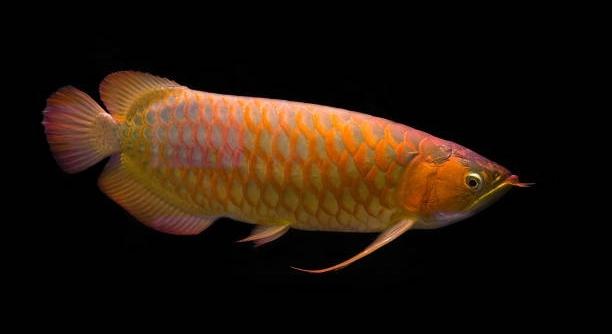
Arowanas are elegant fish often admired for their shimmering scales and graceful swimming. Many fish owners enjoy watching them glide through the water, noticing subtle behaviors that seem to show curiosity and awareness of their surroundings.
Arowanas are capable of learning from repetition, particularly in recognizing feeding routines and responding to environmental cues. Repeated exposure to specific actions or stimuli strengthens memory formation and behavior patterns, allowing them to anticipate events and adjust their responses accordingly.
Observing these patterns can reveal surprising insights into how these fish interact with their environment. Their responses to repeated actions are more complex than they might first appear.
How Arowanas Respond to Repetition
I’ve noticed that my arowana quickly learns the routines in its tank. When I approach with food at the same time each day, it swims to the surface, waiting patiently. This behavior shows that arowanas are capable of associating repeated actions with outcomes. It’s fascinating to watch them adjust over time. They seem to remember which spots are safe or interesting, and they often revisit them. Consistency in feeding and interaction appears to reinforce these learned behaviors. Unlike some fish that may seem indifferent, arowanas display anticipation and recognition that suggest memory is involved. Even small cues, like the sound of water movement or tapping the tank lightly, can become signals they respond to over repeated exposure. This indicates that their brains are actively processing patterns and forming expectations. Observing this has made me more mindful about how routine affects behavior in aquatic life, highlighting their adaptability.
Repetition helps arowanas form habits faster, and they often begin responding after just a few days of consistent actions.
Watching them learn this way can be very satisfying. It shows that their memory and recognition skills are stronger than we might assume, and that they are more interactive with their environment than many people think.
Training Techniques That Work
Simple repetition is enough to encourage predictable responses in arowanas.
Using gentle cues like hand signals or specific movements consistently can improve interaction. Positive reinforcement, such as offering favorite foods after correct responses, strengthens their learning. Even small, regular adjustments in routine can make a difference in how quickly they adapt. Patience is important, as pushing too hard can stress the fish. I’ve found that short, frequent sessions are more effective than long, infrequent attempts. Over time, the fish begins to anticipate the action and reacts almost immediately, showing a clear link between repetition and learning. It’s not about complex tricks; even simple routines like swimming toward a feeding spot or recognizing a tapping signal demonstrate learning. Observing their gradual improvement reminds me that fish can exhibit behaviors shaped by repeated experiences, proving their intelligence and adaptability.
Consistency in actions is key, and using calm, repeated methods allows the fish to build trust and recognition, leading to smoother interaction and less stress in the tank. Arowanas thrive in environments where they can predict what will happen next, making routine a powerful tool for training. Incorporating repetition thoughtfully enhances their responsiveness while supporting natural behaviors. Many aquarists underestimate how quickly arowanas can pick up signals when repeated correctly. Over time, these learned responses create a sense of stability for the fish, reducing anxiety and increasing comfort in their environment. Using repetition strategically, I’ve noticed significant improvements in behavior patterns, including feeding efficiency and recognition of subtle cues. Even without formal “training,” consistent repetition encourages cognitive engagement, keeping the fish mentally active. By understanding and respecting how repetition shapes learning, you can foster a more harmonious relationship with these elegant fish, observing them respond confidently to familiar actions and routines.
Signs Your Arowana Is Learning
I noticed my arowana quickly starts responding to repeated cues. It swims toward me when it hears the tapping sound I use before feeding. Small movements and signals begin to trigger consistent responses.
These signs of learning are subtle but noticeable. Over time, my arowana begins anticipating what will happen next. It moves with purpose rather than random swimming, showing memory and recognition of patterns. Sometimes, it even adjusts its position in the tank to better receive food or respond to environmental cues. These behaviors suggest cognitive processing beyond instinct. Recognizing these signs makes it easier to encourage positive habits and maintain a predictable routine that benefits the fish.
Observation shows arowanas can distinguish between different signals and adjust behaviors accordingly. For example, they react differently to tapping, hand movements, or approaching the tank at feeding time. Each repeated cue reinforces memory, making responses faster and more reliable. Over weeks, the fish seems to “remember” the sequence of actions and reacts almost immediately. I’ve noticed this especially when introducing minor changes in environment or routine. They learn to predict outcomes, which reduces stress and improves interaction. Understanding these learning signals helps me manage feeding and tank activities efficiently, enhancing the fish’s well-being while keeping the process simple and consistent.
Creating Effective Repetition Routines
Consistency is key in shaping your arowana’s responses. Short, regular sessions work best.
I maintain predictable routines in my tank, repeating the same cues daily. Food delivery, gentle tapping, and hand movements are repeated consistently. The fish quickly learns to associate these cues with feeding or interaction. Gradual adjustments in timing or order help reinforce learning without causing confusion. Keeping routines simple avoids overwhelming the fish and strengthens memory retention. Observing the fish’s reactions allows me to fine-tune the repetition process, ensuring the cues remain effective.
Structured repetition fosters reliability in the fish’s behavior. Predictable actions reduce stress and build trust, allowing the arowana to anticipate feeding times and respond appropriately. I noticed my fish begins moving to feeding spots moments before food is delivered. Repeating specific gestures consistently reinforces learning and creates a calmer environment. Over time, even small variations in cues are recognized and interpreted correctly, showing a clear link between repetition and memory. Regular, short practice encourages active engagement without fatigue, improving overall responsiveness. Consistent observation allows me to adjust cues based on behavior, ensuring learning continues efficiently. Arowanas benefit from these steady routines, showing increased confidence and interaction over time.
Common Mistakes in Repetition
I’ve noticed that inconsistency can confuse arowanas. Changing feeding times or signals too often makes them hesitate and reduces learning.
Overhandling or rushing the repetition process can also stress the fish. Short, gentle sessions work much better, keeping the fish calm and attentive.
Reinforcing Learned Behaviors
Once an arowana responds correctly, rewarding it consistently strengthens memory. I use favorite foods as positive reinforcement, giving them immediately after the desired action. Repeating cues carefully helps the fish connect the behavior with the reward. Over time, they start performing the behavior reliably, even anticipating the action without hesitation. Adjusting the timing and maintaining a calm, predictable environment ensures the fish retains what it has learned, while also staying comfortable. Observing responses closely helps identify which cues work best and which need repetition. Consistency and patience are essential in reinforcing behavior without causing stress.
Observing Long-Term Patterns
Tracking responses over weeks shows how repetition shapes behavior. Patience and attention reveal learning patterns clearly.
FAQ
Can arowanas really remember feeding routines?
Yes, arowanas are capable of remembering feeding schedules. I’ve noticed my fish begins to swim toward the surface at the same time each day. Repetition helps them associate specific cues, like tapping or hand movements, with food. Their anticipation shows memory and recognition of patterns.
How long does it take for them to learn?
Learning can happen quickly, sometimes within a few days of consistent repetition. I’ve observed that small, regular sessions work best. Longer, inconsistent attempts tend to confuse the fish and slow progress. Short, predictable cues build memory steadily and maintain calm behavior.
What kind of cues work best?
Simple visual and auditory cues are most effective. Hand movements, tapping the tank lightly, or moving food containers consistently signal feeding time. Over time, arowanas respond quickly to these cues, showing that repeated exposure reinforces learning and makes the cues more reliable.
Is it necessary to reward them?
Positive reinforcement works well but isn’t always required. Using favorite foods immediately after the desired action strengthens the connection between cue and behavior. I’ve noticed that even without treats, repeated exposure helps arowanas form habits, but rewards make learning faster and more reliable.
Can repetition stress the fish?
Yes, repetition can become stressful if it’s too frequent or inconsistent. I make sure sessions are short and gentle. Rushing the process or changing cues often can make them hesitant or anxious. Patience and a calm approach are key to maintaining comfort.
Do they forget if routines are interrupted?
Arowanas can forget or become slower to respond if routines are inconsistent. I’ve seen my fish hesitate when schedules change abruptly. Consistency is essential for long-term retention, and even a few days of irregular feeding can reduce the reliability of learned behaviors.
Are all arowanas equally good at learning?
Not all arowanas respond at the same pace. I’ve noticed differences depending on age, temperament, and past experiences. Some fish pick up cues quickly, while others need more repetition. Observing individual reactions allows you to adjust cues and timing to match their learning ability.
Can they learn other behaviors besides feeding?
Yes, arowanas can learn simple behaviors like swimming to specific spots or recognizing safe areas. I’ve trained mine to respond to certain hand movements outside feeding time. Repetition in different contexts strengthens their memory and allows them to anticipate actions beyond food-related cues.
How often should repetition sessions be done?
Short, daily sessions work best. I prefer 5–10 minutes a day rather than longer, infrequent attempts. This keeps the fish engaged without causing fatigue or stress. Regular, brief repetition helps memory formation and builds reliable behavioral patterns over time.
What should I do if my fish isn’t responding?
If arowanas aren’t responding, I check for consistency in cues, timing, and environment. Stress, illness, or changes in the tank can also affect learning. Adjusting the repetition carefully, ensuring calm conditions, and being patient usually helps them start responding again.
Can older arowanas learn as well as younger ones?
Older arowanas can learn, though it may take longer. I’ve noticed that younger fish adapt faster, but older ones still respond to repetition with patience and consistent cues. The key is to maintain calm sessions and clear, predictable signals.
Is there a limit to what they can learn?
Arowanas can’t learn complex tricks, but they can reliably respond to repeated, simple cues. I’ve found they excel at recognizing patterns related to feeding, safety, and minor environmental changes. Their learning is practical rather than advanced, but still impressive for a fish.
How do I track progress effectively?
I keep a simple routine log, noting feeding times, cues, and responses. Observing changes in anticipation and accuracy helps track learning. Gradual improvement in response speed and reliability indicates successful memory formation, and adjustments can be made based on these observations.
Does tank setup affect learning?
Yes, a calm and predictable environment enhances learning. I avoid sudden changes in decor or lighting during repetition sessions. Clear visibility and minimal distractions help arowanas focus on cues, making repetition more effective and supporting better memory retention.
Can learning improve their overall well-being?
Absolutely. I’ve noticed that my arowanas are more confident and less stressed when they understand routines. Predictable cues and positive reinforcement give them a sense of stability, making them more active and comfortable in their tank. Repetition helps create a healthier, more engaging environment for them.
Are there signs they’ve fully learned a behavior?
Yes, consistent and timely responses to cues indicate mastery. I see my fish anticipating feeding without hesitation and responding almost immediately to hand movements or tapping. Repeated success over days or weeks confirms that the behavior has been internalized.
Can learning reduce aggressive behavior?
It can help indirectly. My arowanas show less erratic movement and fewer territorial bursts when they understand feeding schedules and cues. Predictability lowers stress and makes them more focused on routine actions, which can reduce conflict and improve tank harmony.
Should I introduce multiple cues at once?
It’s better to start with one cue at a time. I gradually add new cues once the fish consistently responds to the first. Introducing too many at once can confuse them and slow learning. Simple, clear repetition is most effective.
Does water quality impact learning?
Yes, poor water conditions can affect attention and energy levels. I make sure the tank is clean and parameters are stable. A healthy environment allows the fish to respond better to repetition and reduces stress, making learning more efficient.
Is patience more important than technique?
Definitely. I’ve seen the biggest differences in behavior when sessions are calm and consistent. Even perfect cues won’t work if the fish is stressed or rushed. Patience, repetition, and gentle guidance are the most effective combination for teaching arowanas.
Can they recognize their owners?
Yes, repeated exposure helps arowanas recognize who feeds and interacts with them. I’ve noticed my fish swimming toward me faster than strangers. Recognition is reinforced through consistent cues and routines, showing they can remember individuals over time.
Do all repetitions need food rewards?
Not necessarily. While food speeds learning, repeated cues without rewards can still build habits. I sometimes practice signals without immediate feeding, and the fish still anticipates actions. Rewards simply strengthen the connection and make learning faster.
Can stress undo learned behaviors?
Stress can temporarily reduce responsiveness. Sudden changes, illness, or aggressive tankmates may make the fish ignore cues. I’ve noticed that calm, consistent routines help them regain learned behaviors once stressors are removed. Patience is key.
How do I know if I’m overdoing repetition?
Signs include hesitation, hiding, or erratic swimming. I reduce session length or frequency when these appear. Short, gentle repetition is more effective than long or intense sessions. Observing the fish closely ensures learning remains positive and stress-free.
Can they learn signals from other fish?
Occasionally, they pick up cues from observing other fish. I’ve noticed arowanas adjusting behavior when another fish consistently reacts to certain cues. This suggests observational learning is possible but less reliable than direct repetition.
Are repeated cues more effective than random ones?
Yes, predictability is crucial. My arowanas respond best when cues are consistent in timing and type. Random or inconsistent signals confuse them, slowing learning and reducing the effectiveness of repetition.
Do environmental changes require retraining?
Minor changes may require slight repetition to reinforce cues. I’ve seen my fish need a few days to adjust when decorations or tank setup change. Consistent cues help them adapt without losing learned behaviors.
How long can learned behaviors last?
With regular reinforcement, behaviors can last months. I maintain occasional repetition to ensure retention. Without reinforcement, responsiveness may fade, especially if cues are irregular or the environment changes. Consistency maintains long-term memory.
Is it better to train in the morning or evening?
It depends on the fish’s natural activity patterns. I’ve found early or mid-morning works well because my arowanas are active and alert. Consistency in timing matters more than the exact hour, as repetition builds predictability.
Can learning help with tank management?
Yes, anticipating feeding or responding to cues makes maintenance easier. My arowanas cooperate during netting or water changes because repeated exposure reduces stress. Learning behaviors improve interactions and make routine tasks smoother.
Do arowanas learn faster individually or in groups?
Individual learning is usually faster. I’ve noticed that competition or distraction from other fish can slow progress. Training one fish at a time allows for focused repetition and better observation of responses.
How important is tone of voice?
While arowanas may not understand words, consistent vocal tones or sounds during cues can reinforce signals. I use the same calm, gentle tone each session, which seems to reassure and focus the fish.
Are some behaviors impossible to teach?
Complex tricks are beyond their capacity. I focus on simple, repeated behaviors like moving to a spot or responding to feeding cues. These are achievable and practical for both the fish and keeper.
Can I mix visual and auditory cues?
Yes, combining cues can enhance learning, but they must be consistent. I use hand gestures with tapping sounds, and the fish responds reliably. Mixed cues work best when repeated carefully and predictably.
Do learned behaviors fade if I stop repeating cues?
Some behaviors may fade gradually without reinforcement. I’ve noticed responsiveness decreases if cues aren’t repeated over weeks. Occasional repetition helps maintain memory and keeps behaviors reliable over time.
Are all feeding cues equally effective?
No, arowanas respond better to cues they experience consistently. I’ve found tapping or specific hand gestures work best, while irregular signals often fail. Consistency is more important than complexity.
Does tank size affect learning?
Larger tanks may require clearer cues since distance can reduce visibility. I use larger, more obvious signals in big tanks, ensuring the fish can detect and respond effectively. Consistency matters more than tank size, but clarity of cues is important.
Can learned behaviors improve health?
Yes, predictable routines reduce stress and encourage regular feeding. My arowanas are more active and vibrant when routines are stable, showing that learning supports both mental and physical well-being.
Are there signs they enjoy learning?
When they anticipate cues and respond quickly, it shows engagement. I’ve noticed my fish swim confidently and watch closely during repetition sessions, suggesting positive interaction and mental stimulation.
Is it worth documenting progress?
Documenting responses helps track improvement. I note timing, accuracy, and cues, which helps identify patterns and adjust routines. Tracking ensures that repetition remains effective and supports long-term memory retention.
Can learning routines be shared with multiple arowanas?
Yes, but progress may vary. I train one at a time for clarity. Once one fish responds consistently, others may gradually pick up similar behaviors through observation and repetition.
Does age affect the speed of learning?
Younger fish adapt faster, but older arowanas can learn with patience. I’ve found consistent, gentle repetition works at any age, though younger fish often respond more quickly.
Can learning reduce fear responses?
Yes, familiar cues and predictable routines make fish less startled by movements or tank maintenance. My arowanas remain calm when they know what to expect, reducing sudden stress responses.
Are there tools to help with repetition?
Simple items like tapping sticks or consistent hand signals work well. I haven’t found complex tools necessary. Clear, repeated cues are more effective than gadgets, keeping training straightforward and stress-free.
How do I balance repetition with free swimming time?
I keep training short and allow plenty of exploration. My arowanas respond better when repetition doesn’t dominate their day. Free swimming keeps them active and reduces stress while still reinforcing learned behaviors.
Can repetition help with acclimating new fish?
Yes, introducing cues early helps new arowanas recognize feeding routines and reduce stress. I use gentle, consistent signals to establish habits while allowing them to adjust to the tank gradually.
Is learning influenced by personality?
Some fish are naturally more responsive. I’ve noticed certain arowanas pick up cues faster than others. Understanding individual temperament allows better pacing and cue selection, ensuring successful learning for each fish.
Can repeated cues prevent aggression?
Predictable routines reduce confusion and territorial disputes. My arowanas are calmer when feeding and interacting with clear, repeated cues, which lowers tension and creates a smoother tank environment.
Do learned behaviors require reinforcement forever?
Occasional reinforcement maintains memory. I repeat cues periodically to ensure behaviors stay consistent. Total reinforcement isn’t necessary daily, but occasional practice helps retention.
Can multiple cues be used simultaneously?
Yes, if introduced gradually. I start with one cue, then add another once the first is consistent. Too many new cues at once can overwhelm the fish. Gradual layering works best.
How do I know when to introduce new behaviors?
Once a behavior is consistently performed, I add a new cue. Patience ensures the first behavior is reliable, making learning progressive and reducing confusion.
Are arowanas capable of observational learning?
To some extent. I’ve seen fish mimic responses when observing others, though direct repetition is more effective. Observation can support learning but shouldn’t replace structured, repeated cues.
Can learning improve interactions with other tank mates?
Yes, predictable routines reduce stress and make interactions calmer. My arowanas respond to cues instead of reacting aggressively, improving harmony in community tanks.
Does lighting impact learning?
Consistent lighting helps fish recognize cues. Sudden changes can reduce attention. I maintain predictable lighting during repetition to enhance focus and memory retention.
Are learned behaviors permanent?
Not entirely. Without occasional reinforcement, some behaviors fade. I maintain periodic repetition to keep responses reliable and memory strong.
Can arowanas learn in groups?
They can observe each other, but individual learning is more effective. I train one fish at a time, then other fish gradually pick up behaviors through observation.
How do I prevent learned behaviors from becoming stale?
Varying the timing slightly while keeping cues consistent keeps the fish engaged. I alternate feeding times or order of cues subtly, maintaining mental stimulation without causing confusion.
Is it possible to teach complex tricks?
No, arowanas are better suited to simple, repeated behaviors. I focus on feeding cues, swimming to spots, or responding to hand movements. Complexity can overwhelm them and reduce learning effectiveness.
Can repetition improve overall confidence?
Yes, predictable routines give arowanas a sense of control. My fish swim confidently, respond quickly, and show less hesitation, demonstrating that learning routines supports both mental and physical well-being.
Are there signs that repetition is working?
Consistent responses, anticipation of cues, and reduced stress are clear indicators. I track behavior over days and weeks to confirm that learning is taking place effectively.
Can I mix positive and negative reinforcement?
I focus only on positive reinforcement. Negative reinforcement or punishment can stress arowanas and reduce learning. Calm, repeated cues with rewards are most effective.
Does feeding type affect learning speed?
Favorite foods motivate faster learning. I’ve noticed my arowanas respond more reliably when the reward is highly desirable. Regular but preferred foods encourage engagement with repetition.
Are all cues equally memorable?
No, clarity and consistency matter more than complexity. I use simple, repeated gestures or sounds. Overcomplicated cues can confuse the fish and slow learning.
Can repeated cues encourage exploration?
Yes, predictable cues make fish confident to explore. I’ve seen my arowanas swim more actively and interact with different areas of the tank when repetition builds understanding.
How long should each session last?
Short sessions of 5–10 minutes work best. Longer sessions risk fatigue and stress. Regular, brief repetition maintains attention and improves learning efficiency.
Do they respond better to single or multiple cues?
Single cues initially are best. Once a behavior is learned, additional cues can be added. Gradual layering avoids confusion and reinforces memory effectively.
Is observation enough for learning?
Observation helps slightly, but direct repetition is more effective. I rely on consistent, hands-on cues to ensure reliable learning and clear behavioral responses.
How do I handle mistakes during repetition?
Patience is key. I repeat cues calmly, without rushing or punishing. Mistakes are part of the learning process, and gentle correction ensures continued progress without stress.
Can repetition reduce tank aggression?
Yes, predictable routines lower confusion and competition. My arowanas are calmer and more focused when feeding and interacting, showing that repetition supports harmonious behavior.
Do all behaviors need reinforcement?
Not all behaviors need constant reinforcement. I reinforce key actions and allow others to maintain through occasional practice. This balances learning with natural activity.
Can repeated routines improve longevity?
Stable routines reduce stress and encourage healthy feeding, supporting overall well-being. I’ve noticed that consistent repetition helps maintain vitality and comfort in my arowanas over time.
Is consistency more important than timing?
Both matter, but consistency in cues is more critical. I maintain predictable signals and slightly vary timing if needed, ensuring memory retention without causing confusion.
Can repeated cues prevent boredom?
Yes, structured repetition adds mental stimulation. I alternate simple cues and observe responses, keeping my arowanas engaged while providing variety in their daily activities.
How do I ensure cues aren’t confusing?
Use clear, simple, and consistent signals. I avoid overlapping cues or sudden changes, allowing the fish to focus on learning each behavior effectively.
Are there limits to what they can remember?
Complex tricks aren’t realistic, but repeated, simple behaviors are well retained. I focus on feeding cues, safe spots, and minor environmental recognition, which arowanas handle reliably.
Does reinforcement timing matter?
Immediate rewards strengthen memory. I give food right after the desired behavior to make the connection clear. Delayed rewards reduce effectiveness and slow learning.
Can learned behaviors fade if not practiced?
Yes, lack of reinforcement over weeks can weaken responses. I periodically repeat cues to maintain memory and ensure behaviors remain reliable.
Does tank size affect learning?
Yes, larger tanks require more visible or audible cues. I adjust signals to ensure they are detected clearly, maintaining consistency regardless of tank size.
Are all arowanas motivated by food?
Most respond well to preferred foods, but temperament varies. I use favorite meals to reinforce cues, which encourages consistent learning and engagement.
Can learned behaviors improve interaction with other species?
Yes, predictable routines reduce stress and improve interactions with tank mates. My arowanas respond calmly to other fish when cues are consistent, promoting smoother coexistence.
Does repetition affect their energy levels?
Short, gentle sessions increase alertness and activity. I avoid overdoing repetition, which can tire them. Balanced routines maintain engagement without causing fatigue.
Can repeated cues reduce fear of humans?
Yes, predictable actions make them less startled. I’ve noticed my arowanas approach calmly when they recognize
Final Thoughts
Arowanas are more intelligent than many people realize. Over time, I’ve noticed that they can remember repeated cues and adjust their behavior accordingly. This ability to learn from repetition makes caring for them both interesting and rewarding. Watching them respond to feeding signals, hand movements, or even small sounds has shown me that they are capable of forming expectations. They do not react randomly; instead, they process what they experience and respond in ways that indicate memory and recognition. Simple routines repeated consistently can help them feel more comfortable and confident in their tank. Observing these behaviors has also taught me the importance of patience and consistency. When cues are given predictably, arowanas respond more reliably, and their stress levels seem lower. It has become clear that repetition is a key part of helping them develop predictable habits and feel secure in their environment.
Maintaining clear, gentle repetition is essential for reinforcing learned behaviors. I have found that short, frequent sessions are far more effective than long or irregular attempts. Arowanas respond best when cues are simple and consistent, whether it’s a specific hand movement, tapping the tank, or a feeding signal. Positive reinforcement, such as offering a preferred food immediately after the desired behavior, strengthens their learning. Over time, they begin to anticipate actions and respond almost automatically, which demonstrates a growing memory and understanding of patterns. Even when they are not actively “trained,” repeated exposure to routine cues helps them understand what to expect. This makes them more relaxed and confident in their surroundings, as they are better able to predict events like feeding or tank cleaning. Observing this progress has made me appreciate their cognitive abilities and the subtle ways they interact with their environment.
Understanding repetition and learning also improves the overall care of arowanas. Predictable routines make daily activities like feeding, tank maintenance, and observation much smoother. I have noticed that my fish are more active, healthier, and less hesitant when they are familiar with repeated cues. Even small changes in the tank, such as decoration placement or lighting, can affect how they respond, so keeping routines stable is important. Patience, consistency, and gentle reinforcement allow the fish to build trust in their environment and their caretaker. Learning from repetition does not require complicated tricks or intensive training; it is about creating predictable patterns that the fish can follow. By respecting their pace and observing their responses carefully, arowanas can thrive both mentally and physically. Their ability to learn shows that they are not just decorative animals but living creatures capable of memory, anticipation, and subtle interaction. With careful repetition and attention, their behaviors become more predictable, their confidence grows, and their overall well-being improves, making them a joy to care for.

Hello,
If you enjoy the content that we create, please consider saying a "Thank You!" by leaving a tip.
Every little bit helps us continue crafting quality advice that supports the health, happiness, and well-being of pets around the world, for pets of all shapes, sizes, and species.
We really appreciate the kindness and support that you show us!