
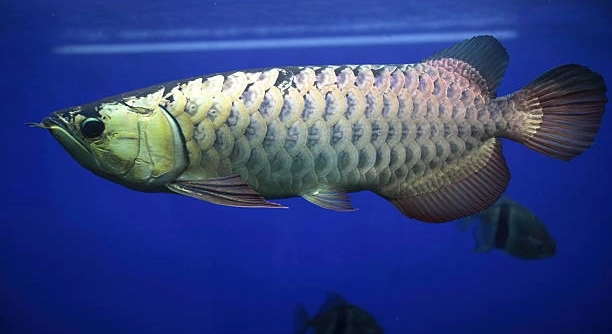
Are your arowana’s sudden bursts of energy creating challenges in keeping a calm and stable aquarium environment? Managing this active behavior can feel overwhelming when you’re trying to support a healthy setting for your fish.
The most effective ways to calm an overactive arowana involve adjusting water parameters, improving tank size, enhancing filtration, reducing external stressors, offering balanced nutrition, establishing consistent lighting, and creating predictable routines that promote movement and reduce unnecessary bursts of energy.
These small changes support calmer behavior and create a more balanced environment for your arowana, encouraging improvement throughout its routine.
Adjusting Water Conditions for Better Behavior
Keeping your arowana calm often depends on steady water conditions that support predictable movement. Stable parameters reduce sudden reactions and help the fish settle into a smooth daily rhythm. Maintaining clean, warm water with proper oxygen levels can make a clear difference in the way your arowana behaves. Frequent monitoring prevents small shifts that may cause stress or lead to unpredictable motions. A larger tank also encourages more relaxed swimming since your fish has enough room to glide without feeling crowded. Simple steps like consistent testing, routine cleaning, and controlled temperature changes can create the stable environment your arowana needs. When these elements stay balanced, the fish tends to move with ease, showing fewer bursts of erratic activity. These adjustments also support overall health, keeping your arowana comfortable in its space while reducing unnecessary stress that may build over time.
Keeping these conditions steady encourages more peaceful behavior without requiring major changes.
These improvements allow your arowana to adapt gently, creating a calm setting that supports slower and more controlled movement while reducing stressful reactions.
Reducing External Stressors Around the Tank
Limiting sudden movements and loud sounds near the aquarium helps your arowana feel safer and reduces its tendency to react with quick bursts of energy.
Creating a quiet and predictable environment is important for keeping your arowana calm since this species responds strongly to outside activity. Placing the tank in a low traffic space prevents constant stimulation that might disrupt its routine. Soft lighting also helps, giving your fish a clearer sense of day and night without heavy glare or sharp shifts in brightness. Covering part of the tank can make the fish feel protected, reducing the impact of nearby motion. When your arowana feels secure, it becomes less reactive, allowing its behavior to settle naturally. This steady environment promotes smoother swimming and limits unnecessary stress. Consistent surroundings support confidence in your arowana, helping it move at a pace that feels natural rather than rushed.
Improving Tank Size and Layout
Ensuring your arowana has enough space helps reduce fast, unpredictable movement. A longer tank supports smoother swimming while preventing sudden turns that increase stress and overactive behavior.
Arowanas thrive in tanks with generous length, as the extra room supports slow and steady motion. A cramped layout forces abrupt changes in direction, which can lead to restless behavior. Keeping decorations minimal prevents your fish from feeling crowded and reduces unnecessary obstacles. Open swimming space allows the arowana to glide comfortably while maintaining a sense of safety. Proper placement of equipment also matters, since strong currents from filters can cause reactive movement. A steady flow helps the fish stay calm without needing to fight against water pressure. These adjustments create a predictable environment that supports relaxed movement and reduces energetic bursts.
Arranging the interior of the tank with intention supports a calmer routine for your arowana. Stable swimming lanes, open sections, and low clutter help your fish move with comfort and confidence. When the space remains predictable, the arowana feels less inclined to react suddenly. Consistent layout and reduced visual obstacles encourage smoother motion throughout the day. These simple changes help your fish settle into a more peaceful rhythm without feeling overwhelmed by its surroundings.
Optimizing Feeding Practices
Feeding your arowana a steady and balanced diet helps reduce overactivity since irregular meals or unsuitable food types can lead to heightened behavior and unnecessary bursts of energy.
Maintaining predictable feeding times allows your arowana to relax between meals instead of waiting anxiously for food. Offering smaller portions prevents frantic movement that often appears when large meals cause sudden excitement. Using high quality foods supports consistent energy levels, which helps reduce sudden bursts of motion. Avoiding live prey can also calm behavior, since the chase can overstimulate the fish and contribute to ongoing restlessness. Controlled feeding supports a steady routine that encourages your arowana to move with more ease and less urgency. Regular patterns give your fish a sense of stability that reflects in its overall behavior.
Enhancing Lighting Stability
Keeping the lighting consistent helps your arowana feel safe and reduces sudden reactions. Soft transitions between light and dark prevent abrupt changes that may trigger quick movements or stress.
Using a stable schedule supports calm behavior throughout the day. Gentle lighting encourages relaxed swimming and helps your arowana maintain a steady rhythm.
Creating Predictable Daily Routines
Establishing a simple routine helps your arowana feel secure and reduces restlessness. Regular patterns for feeding, lighting, and tank maintenance support steady behavior and prevent unnecessary bursts of energy by providing structure that the fish can rely on.
Minimizing Reflections Around the Tank
Reducing reflections helps prevent your arowana from reacting to its own image. Clear sides, stable lighting, and careful placement of nearby objects limit visual triggers that may cause sudden movement or stress.
FAQ
Why is my arowana so overactive?
Arowanas are naturally energetic fish, but sudden bursts of movement often indicate stress, poor water conditions, or insufficient space. Overactive behavior can also result from inconsistent feeding or excessive stimulation from reflections, loud noises, or nearby movement around the tank. Monitoring these factors helps identify triggers.
Can changing water temperature calm my arowana?
Yes, maintaining stable water temperature supports calmer behavior. Rapid fluctuations stress the fish and trigger fast swimming. Gradual adjustments, regular monitoring, and keeping the tank within the species’ optimal range encourage steady movement and reduce sudden energy bursts.
Does tank size really affect activity levels?
Absolutely. Arowanas need long, spacious tanks to swim naturally. Small or crowded environments force sudden turns, causing erratic movement. Open swimming areas with minimal obstacles let the fish move smoothly, promoting calmer behavior and reducing stress-related bursts of energy.
Will adjusting lighting help reduce activity?
Yes. Sudden changes in light can startle arowanas and trigger fast reactions. Soft, consistent lighting and gradual transitions between day and night cycles provide stability, helping the fish swim steadily and maintain a predictable daily rhythm.
How often should I feed my arowana to reduce overactivity?
Regular, predictable feeding supports calm behavior. Smaller, balanced meals prevent excitement from sudden large portions. Avoiding live prey reduces overstimulation. Consistency in feeding times helps the fish relax between meals and reduces frantic bursts caused by anticipation or hunger.
Can decorations or tank layout influence my arowana’s energy levels?
Yes. A cluttered tank can restrict swimming and cause sudden turns or collisions, increasing stress. Minimal decorations, clear swimming lanes, and careful placement of equipment create a sense of security, allowing your arowana to glide comfortably and maintain steadier, calmer movements.
Do reflections make arowanas more active?
Reflections can confuse arowanas, making them think another fish is present. This often triggers chasing or defensive behavior. Reducing reflective surfaces, adjusting lighting, and positioning the tank away from shiny objects limits unnecessary stimulation and helps the fish remain calm.
Is water quality a major factor in overactivity?
Yes, poor water quality can cause stress, prompting erratic swimming and rapid movements. Maintaining proper filtration, regular water changes, and monitoring parameters such as pH, ammonia, and nitrite levels keeps the environment stable, supporting relaxed and healthy behavior.
Can I calm my arowana without medications or supplements?
Yes, most overactivity issues can be resolved through environmental adjustments. Stable water parameters, proper tank size, consistent lighting, predictable feeding, and minimizing stressors often reduce excessive energy naturally. Medications are usually unnecessary unless the fish shows signs of illness.
How long does it take to see improvement in behavior?
Behavioral changes vary depending on the severity of stress and environmental adjustments. Most arowanas respond within days to weeks once tank conditions, feeding routines, and stress factors are corrected. Patience and consistency are key to establishing long-term calm behavior.
Can I train my arowana to be less active?
Training is limited, but creating predictable routines helps the fish adjust. Regular feeding, consistent light cycles, and minimal disturbances establish security. Over time, the arowana learns to move steadily and reacts less to minor external stimuli, reducing sudden bursts of energy.
Are overactive arowanas at risk of health problems?
Yes, constant high activity can lead to exhaustion, injury from collisions, or stress-related illnesses. Maintaining a stable, spacious, and predictable environment protects both behavior and long-term health, ensuring the fish remains active without harmful overexertion.
Do diet changes impact activity levels?
Diet has a direct effect on energy levels. Balanced, high-quality foods provide steady energy, while irregular meals or live prey may overstimulate the fish. Consistent, appropriate feeding supports calm movement and reduces sudden, high-energy bursts in the tank.
Should I worry if my arowana suddenly becomes very active?
Sudden changes in behavior often indicate environmental stress, hunger, or health issues. Monitoring water parameters, tank layout, lighting, and feeding routines can quickly identify causes and help restore calm behavior. Early action prevents long-term stress or injury.
How can I maintain long-term calm behavior in my arowana?
Consistency is crucial. Keep water conditions stable, feed at regular times, reduce reflections, control lighting, and provide sufficient space. Minimizing external stressors and maintaining a predictable environment ensures the arowana remains relaxed and exhibits steady, healthy movement over time.
Final Thoughts
Managing an overactive arowana requires patience, consistency, and attention to detail. The behavior of these fish is often a reflection of their environment, including water quality, tank size, feeding routines, and external stimuli. Sudden bursts of movement are usually a sign of stress or discomfort rather than simply high energy. By carefully observing your arowana and noting patterns in its behavior, you can identify triggers and make targeted adjustments. Small changes, such as stabilizing water temperature or adjusting lighting, often have a larger impact than many realize. Consistent care ensures your fish feels secure, which in turn reduces erratic swimming and supports a calmer daily rhythm. Over time, these incremental improvements add up, creating a more balanced and predictable habitat for your arowana.
The role of tank setup cannot be overstated when addressing overactivity. Arowanas need sufficient space to swim freely and glide without frequent abrupt turns. A cramped or cluttered tank can heighten stress and contribute to restless behavior. Decorations should be placed thoughtfully, leaving open swimming lanes while still offering hiding spots or shelter where the fish can feel safe. Filtration systems and water flow should be steady but not overwhelming, as strong currents can prompt constant effort from the fish, leading to fatigue or increased bursts of movement. Maintaining clean water and monitoring key parameters like pH, ammonia, and nitrate levels also prevents conditions that may trigger stress responses. By prioritizing the tank’s layout and water quality, you set the foundation for calmer behavior and overall health. Your arowana will respond positively to an environment that allows it to move naturally and with confidence.
Routine and predictability are equally important in promoting steady behavior. Regular feeding schedules, consistent lighting, and minimized external disturbances create a stable rhythm that your arowana can adapt to over time. Avoiding sudden loud noises or frequent activity near the tank reduces stress that may provoke rapid swimming. Reflections or nearby movement should be limited, as they can make the fish react unnecessarily. Diet also plays a key role, with balanced portions and high-quality food supporting controlled energy levels. Overactive behavior is often the result of a combination of factors, so addressing each element methodically is essential. By implementing these strategies and maintaining a patient, observant approach, you help your arowana achieve a more relaxed and steady lifestyle, improving both its physical health and overall comfort in the tank.

Hello,
If you enjoy the content that we create, please consider saying a "Thank You!" by leaving a tip.
Every little bit helps us continue crafting quality advice that supports the health, happiness, and well-being of pets around the world, for pets of all shapes, sizes, and species.
We really appreciate the kindness and support that you show us!