
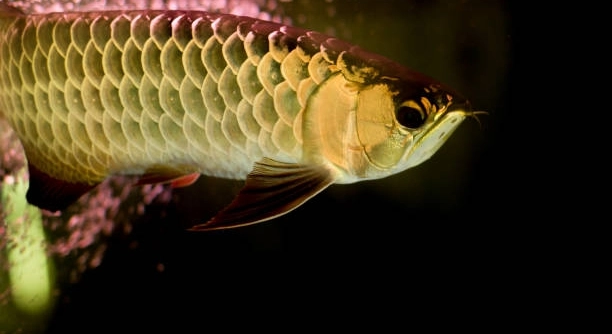
Your arowana is more than just a beautiful fish; it is a delicate creature that requires careful observation. Many owners may not realize subtle changes in behavior or appearance can indicate health issues early on.
Arowanas exhibit illness through physical and behavioral signs, including loss of appetite, abnormal swimming patterns, faded coloration, swollen fins, and unusual spots or lesions. Recognizing these warning signs promptly is essential for timely treatment and maintaining fish health.
Knowing these indicators can prevent serious health problems and help your arowana thrive in its tank environment.
Common Physical Symptoms of a Sick Arowana
Arowanas often show physical signs when they are unwell. Faded colors, frayed fins, or small white spots are common indicators of stress or disease. Swelling in the belly or around the eyes may suggest internal infections or parasites. Keep a close eye on scales, as any lifting, peeling, or unusual texture can signal illness. Fin rot and tail erosion are frequent issues caused by bacteria, often linked to poor water quality. Gasping at the surface, floating oddly, or remaining at the bottom of the tank for long periods can indicate respiratory distress. Even minor changes, like a slower response to feeding or slight changes in movement, can point to health problems. Early observation is critical, as many conditions worsen rapidly. Routine checks and maintenance, including water changes and proper diet, can prevent these symptoms from escalating into severe illness, making timely intervention possible.
Not all changes are obvious at first, so subtle differences in behavior matter just as much as visible signs.
Even if your arowana appears active, minor irregularities in swimming, appetite, or interaction with its environment should never be ignored. Regularly inspecting fins, gills, and scales, along with monitoring water parameters, helps catch issues early. Noticing a slight loss of color or unusual posture allows for quicker treatment. Simple adjustments like improved filtration, temperature control, and a balanced diet can prevent many common illnesses. Observing feeding habits can reveal digestive problems or stress-related conditions before they become severe. Tracking these small indicators helps maintain your arowana’s overall health, ensuring it continues to thrive in a safe, clean habitat.
Behavioral Changes to Watch For
Behavioral shifts are often the first clue of illness. Lethargy, erratic swimming, or hiding excessively may indicate stress or disease.
Changes in mood or activity levels can stem from various factors, including water quality, temperature fluctuations, or infection. A normally active arowana that suddenly becomes withdrawn may be experiencing discomfort or illness. Observing patterns over time is essential. Feeding response is another important factor; a loss of appetite can signal digestive issues or internal parasites. Aggressive or unusual behavior toward tankmates may also indicate stress. By paying attention to these behaviors, owners can identify potential problems before physical symptoms appear, allowing for quicker intervention and care that supports the fish’s recovery.
Monitoring behavior alongside physical condition provides a fuller understanding of your arowana’s health. Consistency in observation helps detect subtle changes, ensuring any signs of illness are addressed immediately. Combining behavioral monitoring with proper tank management, including regular water testing and diet adjustments, creates a proactive approach to maintaining health. Early recognition of stress or unusual activity improves the chances of successful treatment. Additionally, behavioral patterns often reveal environmental issues, such as inadequate space or incompatible tankmates, that may not be immediately apparent. Tracking these changes daily fosters a safer, healthier habitat, helping your arowana remain active and vibrant.
Water Quality and Its Impact
Poor water quality quickly affects arowana health. High ammonia, nitrite, or nitrate levels, along with incorrect pH or temperature, can stress the fish and trigger illness. Regular testing is essential.
Maintaining stable water parameters is critical for preventing common diseases. Arowanas thrive in clean, filtered water with minimal fluctuations in temperature and pH. Frequent partial water changes remove waste and reduce toxin buildup, which lowers stress levels. Overfeeding can worsen water quality, leading to ammonia spikes and bacterial growth. Using a reliable water test kit helps detect harmful changes early. Aeration and proper filtration ensure oxygen levels remain sufficient, supporting overall fish health. By combining consistent monitoring with daily observation of the fish’s condition, you can prevent many health problems before they escalate. Clean water supports vibrant colors, active swimming, and proper appetite.
Even minor changes in water conditions can weaken an arowana’s immune system. Cloudy water, unusual odors, or sudden algae growth indicate the tank environment is compromised. Correcting these issues promptly prevents infections and keeps the fish strong.
Diet and Nutrition Considerations
A balanced diet directly influences an arowana’s well-being. Lack of proper nutrients can cause sluggishness and poor growth.
Arowanas need a varied diet that includes high-quality pellets, live or frozen food, and occasional supplements. Protein-rich meals like shrimp, fish, or insects support muscle development and vibrant coloration. Overfeeding can lead to digestive issues and water pollution, so portion control is crucial. Rotating food types prevents deficiencies and encourages natural hunting behaviors. Monitoring feeding behavior helps detect health issues early; a sudden loss of appetite may indicate illness or stress. Nutritional balance, combined with clean water and proper tank maintenance, ensures your arowana remains healthy and energetic over time.
Providing food at consistent times and in proper amounts helps regulate digestion and activity. Avoiding sudden diet changes minimizes stress and supports long-term health, keeping your arowana strong and resilient.
Common Diseases in Arowanas
Fin rot, ich, and bacterial infections are frequent in arowanas. Early detection is vital to prevent severe damage or death.
Swim bladder disorder and parasitic infestations also affect arowanas. Symptoms include unusual swimming patterns, bloating, or sudden lethargy. Prompt treatment improves recovery chances.
Preventing Illness Through Tank Maintenance
Regular cleaning, water changes, and proper filtration minimize disease risks. Removing uneaten food and monitoring water parameters keep the environment safe. A clean tank reduces stress and supports a healthy immune system.
Stress and Its Effects
Stress weakens immunity, making arowanas more prone to disease. Avoid overcrowding, sudden temperature changes, and aggressive tankmates to maintain a stable environment.
FAQ
How can I tell if my arowana is sick?
Physical changes such as faded color, frayed fins, unusual spots, or swelling can indicate illness. Behavioral shifts like lethargy, erratic swimming, hiding, or loss of appetite are also key signs. Monitoring these consistently helps detect problems early.
What should I do if my arowana shows signs of illness?
First, check water parameters to ensure temperature, pH, ammonia, nitrite, and nitrate levels are within safe ranges. Isolate the fish if needed to prevent spreading disease. Consult a veterinarian or aquatics specialist for proper diagnosis and treatment. Timely action increases recovery chances.
How often should I check my arowana’s tank?
Daily observation of behavior, appetite, and swimming patterns is recommended. Water testing for ammonia, nitrites, nitrates, and pH should occur at least once a week. Regular inspection prevents small issues from becoming severe health problems.
Can diet affect my arowana’s health?
Yes. Arowanas require a protein-rich, balanced diet. Rotating high-quality pellets, live or frozen food, and occasional supplements ensures proper nutrition. Overfeeding can harm water quality, while underfeeding can weaken the fish. Watching eating habits also helps detect illness early.
Why does my arowana swim abnormally?
Erratic swimming, floating sideways, or sinking may result from swim bladder disorder, stress, or water quality problems. It can also indicate internal infections or parasites. Observing other symptoms alongside swimming behavior helps pinpoint the cause.
What are the most common arowana diseases?
Fin rot, ich, bacterial infections, and parasitic infestations are frequent. Symptoms include discolored scales, white spots, ragged fins, bloating, or lethargy. Early detection, good water quality, and proper diet are crucial for prevention and recovery.
How do I reduce stress for my arowana?
Maintain a stable environment by avoiding sudden temperature shifts, overcrowding, and aggressive tankmates. Provide hiding spaces and consistent feeding schedules. Stress weakens the immune system and increases vulnerability to disease.
Can I prevent arowana illnesses completely?
While no fish is immune to disease, good tank maintenance, clean water, a balanced diet, and observation reduce risks significantly. Prompt attention to minor changes in behavior or appearance prevents many serious health issues.
How long can a sick arowana survive without treatment?
This varies depending on the illness and severity. Some conditions can become fatal within days if untreated. Immediate intervention is crucial. Observing warning signs and maintaining proper tank conditions can extend survival and improve recovery chances.
Are some arowanas more prone to sickness than others?
Yes. Younger or newly acquired arowanas are often more vulnerable due to weaker immunity. Fish previously stressed by transport, poor water conditions, or improper diet may also be at higher risk. Proper acclimation and care reduce these risks.
Should I use medication at the first sign of illness?
Not always. Correct diagnosis is essential before treatment, as improper medication can worsen conditions. Identifying the disease, checking water quality, and isolating affected fish should come first. A qualified veterinarian or aquatics specialist can recommend appropriate medication.
How can I tell if my arowana is recovering?
Recovery signs include regained appetite, brighter colors, normal swimming, and healthy fins. Gradual improvement in activity and behavior indicates that treatment and environmental adjustments are working. Continued monitoring ensures full recovery and prevents relapses.
Is quarantine necessary for a new arowana?
Yes. Isolating new fish for a few weeks prevents potential diseases from spreading to established tankmates. Monitor for physical and behavioral signs during this period. Quarantine helps maintain the overall health of your main tank.
What are signs of internal parasites in arowanas?
Symptoms include bloating, constipation, loss of appetite, or sudden weight loss. Behavioral changes like lethargy or rubbing against surfaces can also appear. Proper diagnosis is important, as treatment varies depending on the parasite type.
How often should I clean my arowana tank?
Partial water changes of 20–30% should be done weekly. Filter maintenance, removal of uneaten food, and cleaning decorations prevent harmful bacteria and toxins. Clean water supports strong immunity and reduces the likelihood of disease.
Can temperature fluctuations make my arowana sick?
Yes. Sudden changes in water temperature can stress the fish, weaken the immune system, and trigger illness. Maintaining a stable, species-appropriate temperature range is essential for preventing disease and supporting overall health.
How do I improve water quality quickly?
Partial water changes, proper filtration, removing uneaten food, and testing water parameters help restore water quality. Avoid overfeeding and monitor chemical levels consistently. Stable, clean water reduces stress and lowers disease risks.
Are behavioral changes more important than physical symptoms?
Both are important, but behavior often shows early signs of illness. Lethargy, hiding, erratic swimming, or appetite loss can indicate problems before physical symptoms appear. Observing patterns over time ensures timely intervention.
Can multiple diseases occur at once?
Yes. A stressed or immunocompromised arowana can develop multiple infections, such as fin rot combined with parasites. Prompt detection and treatment of each issue are essential to prevent severe health decline.
What long-term care helps prevent future illnesses?
Consistent tank maintenance, high-quality diet, observation of behavior, stable water conditions, and quarantine for new fish form the foundation. Proactive care ensures the arowana remains healthy, vibrant, and resilient throughout its life.
This FAQ section provides detailed guidance on recognizing, preventing, and treating common arowana health issues, helping maintain a strong, thriving fish.
Final Thoughts
Taking care of an arowana requires consistent attention and care. These fish are sensitive to their environment, and small changes in water quality, diet, or tank conditions can affect their health. Observing your arowana daily helps you notice early warning signs such as changes in color, fins, or behavior. Even subtle differences in swimming patterns or appetite can indicate stress or illness. By paying attention to these signals, you can take prompt action to address issues before they become serious. Simple steps like monitoring water parameters, cleaning the tank regularly, and providing a balanced diet make a significant difference in the overall health and longevity of your fish. Early intervention is always better than waiting for problems to escalate, and it often makes treatment more effective.
Maintaining a stable and clean environment is one of the most important responsibilities of an arowana owner. Arowanas thrive in water with the correct temperature, pH, and low levels of harmful chemicals like ammonia and nitrites. Regular water changes, proper filtration, and careful monitoring of water conditions help prevent stress and disease. Stress can weaken the immune system, making fish more susceptible to infections and other health problems. Avoiding overcrowding, keeping compatible tankmates, and providing hiding spaces reduces stress levels further. Feeding a variety of high-quality food ensures proper nutrition, which supports strong growth, vibrant colors, and a healthy immune system. Attention to these details creates a safe and stable environment, allowing your arowana to live a longer, healthier life.
Understanding the signs of illness and the factors that influence health is key to responsible arowana care. No matter how experienced you are, these fish can develop issues if their environment or diet is not properly managed. Learning to identify physical changes, behavioral shifts, and environmental problems equips you to act quickly. Quarantining new fish, addressing water quality issues, and consulting with a specialist when necessary all contribute to better outcomes. With consistent care and observation, many common health problems can be prevented or treated successfully. Supporting your arowana’s well-being involves dedication and patience, but it ensures a strong, vibrant, and thriving fish for years to come. Taking these steps demonstrates not only responsibility but also respect for the life you are caring for.

Hello,
If you enjoy the content that we create, please consider saying a "Thank You!" by leaving a tip.
Every little bit helps us continue crafting quality advice that supports the health, happiness, and well-being of pets around the world, for pets of all shapes, sizes, and species.
We really appreciate the kindness and support that you show us!