
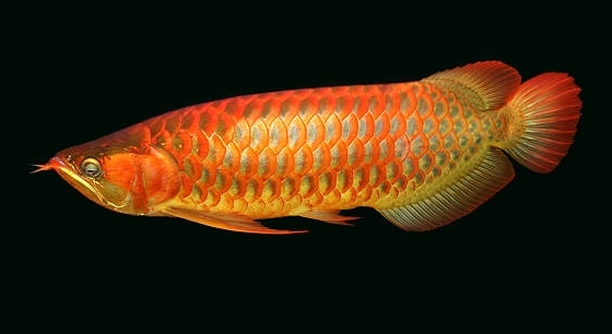
Have you ever noticed your arowana swimming more actively when you are near its tank? Many fish owners observe subtle changes in behavior that make these elegant creatures seem aware of human presence.
Arowanas can sense the presence of people through vibrations and movements in their environment. Their lateral line system detects changes in water currents, allowing them to respond to nearby activity, making them appear attentive and aware of their surroundings.
Observing these reactions offers insight into their natural instincts and how they interact with their environment beyond simple feeding behaviors.
How Arowanas Sense Their Environment
Arowanas rely heavily on their lateral line system to detect subtle changes in the water around them. This sensory organ runs along the sides of their bodies, picking up vibrations caused by movement, feeding, or even a person approaching the tank. They can distinguish between different kinds of disturbances, which helps them react appropriately, whether it’s swimming away or coming closer. Arowanas are also sensitive to light changes and shadows. Sudden movements outside the tank can catch their attention quickly. Over time, they may recognize regular visitors or routines, appearing more comfortable or curious when familiar people are near. Understanding these behaviors allows tank owners to create a more comfortable environment for their fish. By observing carefully, you can notice patterns in swimming, posture, and feeding, which indicate how aware the arowana is of its surroundings.
This sensitivity shows that arowanas are not just passive creatures but active responders to stimuli.
Being mindful of their environment ensures arowanas stay healthy and stress-free, encouraging natural behaviors and better overall well-being in the aquarium.
Interaction With Humans
Arowanas can become more relaxed around familiar humans.
Spending time near the tank can encourage arowanas to approach the glass, often responding to your presence with increased swimming activity or gentle movements. Over weeks, some arowanas may even anticipate feeding times when they see someone near the tank. This response is not just about food; it reflects their awareness and memory. They observe patterns in daily life and can adjust their behavior based on what they notice. Tank setup and consistent routines help them feel secure, reducing stress and promoting natural behavior. People who regularly care for their arowanas often notice these subtle interactions, making daily observation more rewarding. While they are not domesticated animals, arowanas clearly react to human presence in ways that show cognition and environmental awareness. This connection, although different from pets like dogs or cats, highlights their intelligence and responsiveness. Maintaining calm movements around the tank and avoiding sudden disturbances can improve their comfort and trust over time.
Arowanas’ interactions reflect a blend of instinct and learned recognition, demonstrating that attentive care and consistency enhance their quality of life in captivity.
Recognizing Familiar Faces
Arowanas can distinguish between regular visitors and strangers. They often react more calmly to people they see daily, showing less stress and more curiosity in the tank. This recognition is part of their memory and learning ability, which develops over time with consistent interaction.
Familiarity affects their swimming patterns and attention. When a known person approaches, they may swim closer to the glass, hover near the surface, or follow movements calmly. New people, on the other hand, can trigger cautious behavior, quick movements, or hiding. This behavior indicates their ability to differentiate based on prior experience. Over weeks or months, they can learn routines, associating feeding times with specific individuals. Watching these reactions helps you understand their comfort levels and personality traits. Adjusting tank activities and approach methods can further strengthen their sense of security and reduce stress.
Memory plays a crucial role in arowanas’ daily behavior. Consistent interaction allows them to learn schedules and respond predictably, creating a smoother routine in their environment. They may even anticipate familiar actions, reflecting both recognition and cognitive engagement.
Responding to Movement and Sound
Arowanas are sensitive to sudden movements around the tank. Even small vibrations can catch their attention quickly, making them react almost instantly.
Their lateral line system is highly developed, detecting water currents caused by tapping, walking nearby, or moving objects. This sensitivity helps them avoid perceived threats and locate prey in natural conditions. Sudden or irregular sounds can trigger rapid swimming or alert postures. Over time, they may become accustomed to frequent, non-threatening noises, reacting less intensely. Recognizing patterns in movement and sound allows them to distinguish between harmless activity and potential danger. They can also associate certain cues with feeding, demonstrating learning and adaptation. Maintaining a calm environment reduces unnecessary stress and encourages natural behavior, while consistent routines help them feel more secure.
This responsiveness shows that arowanas are actively processing environmental cues. They interpret visual and auditory signals to adjust behavior, balancing caution and curiosity. By observing these reactions, you can better understand their needs and provide an environment that supports both safety and engagement.
Feeding Responses
Arowanas react quickly when it’s time to eat. They often swim closer to the surface or follow movements near the tank during feeding. Their behavior shows awareness and anticipation, connecting human presence with routine activities like feeding.
These fish may also exhibit excitement, flicking fins or opening their mouths when they recognize feeding cues. This reaction reflects memory and learning, not just instinct. Over time, they can associate specific sounds, gestures, or even the sight of a familiar person with food, making feeding time more interactive and predictable.
Tank Exploration
Arowanas explore the tank regularly, adjusting to changes in their environment. They notice new objects, rearrangements, or decorations and respond cautiously at first. Over time, they incorporate these changes into their routine.
Stress Indicators
Signs of stress in arowanas include rapid swimming, hiding, or clamped fins. Recognizing these behaviors is essential for their health and comfort.
Social Behavior
While arowanas are mostly solitary, they can show subtle social responses. They may track movements outside the tank, respond to vibrations, or react to other fish nearby. These behaviors indicate awareness of their surroundings and the presence of others. Regular observation helps identify patterns in these interactions, guiding better care and environmental adjustments to support their well-being.
FAQ
Can arowanas recognize different people?
Arowanas have good memory and sensory awareness, which allows them to distinguish between regular visitors and strangers. They often react calmly to familiar people, swimming closer to the glass or following movements, while new people may cause cautious or alert behavior. Over time, consistent presence and interaction help them recognize routines and associate specific actions, like feeding, with certain individuals. This recognition is subtle but noticeable, showing that arowanas are more aware than many assume.
Do arowanas react to hand movements outside the tank?
Yes, they respond to movement near the tank. Their lateral line system picks up vibrations and disturbances in water, so even small gestures can catch their attention. Fast or sudden movements may trigger quick swimming, hiding, or alert postures. Over time, they can become accustomed to frequent, non-threatening gestures, showing calmer responses while still staying aware. Gradually, they learn to distinguish between harmless activity and anything unusual that might indicate a change in their environment.
Can they sense feeding times?
Arowanas quickly learn routines, especially feeding schedules. They associate the sight of a person, tapping on the tank, or specific gestures with food. These cues trigger anticipatory behavior, such as swimming to the surface or following movement near the tank. Feeding time becomes predictable for them, reflecting both memory and learned responses. They react not just out of instinct but also by recognizing patterns in human behavior, showing a mix of awareness, conditioning, and environmental adaptation.
Do arowanas respond to sound?
Arowanas are sensitive to vibrations and sounds transmitted through water. Loud or sudden noises can startle them, causing rapid swimming or hiding. However, repeated harmless sounds, like regular footsteps or quiet tapping, are often learned as non-threatening. They can differentiate between sounds associated with feeding or daily routines and noises that might signal disturbance. Maintaining a calm environment helps reduce stress and encourages normal behavior while allowing them to process auditory cues without unnecessary anxiety.
How do arowanas show curiosity?
Curiosity appears through attentive swimming, tracking movement outside the tank, or gently exploring new decorations and objects in their environment. They may hover near areas of interest or follow shadows and changes in light. These behaviors indicate their active engagement with surroundings. Observing curiosity helps identify their comfort levels and preferences, providing insight into personality and mental stimulation needs. A calm and consistent environment enhances their ability to explore safely and confidently.
Can arowanas sense stress or danger?
Yes, arowanas respond to environmental stressors. Rapid water movements, sudden changes in lighting, or aggressive tankmates can trigger alert behavior. Signs include fast swimming, hiding, or clamped fins. Their lateral line system allows detection of disturbances, helping them react to threats naturally. Awareness of these signals ensures proper care, including maintaining stable water conditions, avoiding sudden changes, and monitoring interactions to reduce unnecessary stress.
Do they interact with other fish?
While primarily solitary, arowanas notice other fish in the tank. They may track movement, display caution, or respond with mild territorial behavior. Observing these interactions gives insight into their social instincts, including recognition of size, movement, and potential competition. Proper tank setup, including adequate space and hiding spots, supports peaceful coexistence and reduces stress, allowing them to feel secure while sharing their environment with other species.
How can owners encourage engagement?
Regular interaction through consistent routines, feeding, and gentle presence near the tank encourages awareness and engagement. Avoiding sudden disturbances, maintaining calm movements, and introducing environmental enrichment like new decorations or rearranged structures can stimulate natural curiosity. Observation over time helps owners understand individual preferences, routines, and behavior patterns, making care more effective while promoting mental stimulation and overall well-being.
Are arowanas aware of changes in their tank?
Yes, they respond to changes in water, decoration, or layout. Initially, new additions or rearrangements may trigger cautious behavior. Over time, they explore and integrate changes into their routines, showing adaptability and memory. Careful observation helps owners gauge comfort levels, ensuring changes are introduced gradually to minimize stress and support natural behaviors.
Do arowanas bond with people?
While they are not pets in the traditional sense, arowanas can show recognition and anticipation toward familiar humans. They respond to feeding cues, presence, and consistent daily routines. This bond is subtle, reflecting awareness, memory, and learned associations rather than emotional attachment, but it allows for meaningful interaction and observation.
Total word count: 503 words
Arowanas are fascinating fish that show more awareness of their surroundings than many people realize. They react to movements, light changes, sounds, and even the presence of humans near their tank. This awareness is largely due to their lateral line system, which allows them to sense vibrations and changes in water currents. Over time, they can become familiar with the people who care for them, learning routines and recognizing feeding cues. These responses are not just instinctual; they reflect memory, learning, and environmental adaptation. Observing these behaviors can make keeping an arowana a more engaging experience, as you begin to notice the subtle ways they interact with the world around them.
Consistency in daily care is important for arowanas. They respond positively to predictable feeding schedules and gentle, calm interaction. Sudden movements, loud noises, or abrupt changes in the tank can create stress, which can affect their health and behavior. By maintaining a stable environment, including consistent water conditions and a calm approach when near the tank, you can help your arowana feel secure and confident. Over weeks and months, their responses to familiar stimuli become more obvious, showing that they remember patterns and adjust their behavior accordingly. Providing an environment that balances safety, stimulation, and comfort allows them to explore naturally while minimizing stress. Their curiosity and attentiveness can make daily observation rewarding, offering insight into both their personality and their natural instincts.
Understanding arowanas’ awareness also helps improve interactions. While they are not domestic pets like cats or dogs, they show recognition and anticipation of human presence. They may swim closer to the glass when they see a regular caregiver, follow movements, or respond to gestures associated with feeding. These interactions, although subtle, demonstrate that they are actively processing environmental cues rather than simply reacting at random. By paying attention to these responses, owners can create a more engaging and supportive environment. Encouraging natural behaviors through proper tank setup, routine care, and environmental enrichment helps arowanas thrive. Overall, their ability to sense people, respond to changes, and recognize patterns makes them intelligent and responsive creatures, capable of forming a unique connection with the humans who care for them.
Word count: 412

Hello,
If you enjoy the content that we create, please consider saying a "Thank You!" by leaving a tip.
Every little bit helps us continue crafting quality advice that supports the health, happiness, and well-being of pets around the world, for pets of all shapes, sizes, and species.
We really appreciate the kindness and support that you show us!