
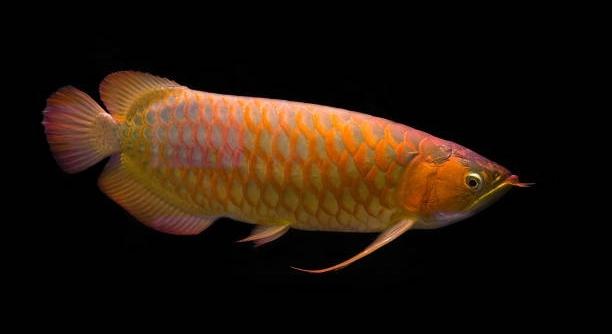
Do you ever find yourself carefully changing your Arowana’s water but still noticing stress signs? Many aquarists overlook small mistakes that can cause big issues in these delicate fish’s environment. Proper care is essential for their well-being.
Frequent errors during water changes, such as using incorrect water temperature, overcleaning the tank, or neglecting to treat tap water, can cause significant stress in Arowanas. Understanding and avoiding these mistakes ensures a stable and healthy aquatic environment.
Maintaining a calm and healthy Arowana involves more than routine water changes. Awareness of common mistakes can prevent stress and support long-term vitality.
Using Water That Is Too Cold or Too Hot
Water temperature plays a critical role in an Arowana’s health. Sudden changes in temperature can shock their system, leading to stress or illness. Many hobbyists fill buckets with tap water without checking the temperature first, assuming it is safe. Ideally, the water added during changes should closely match the tank’s existing temperature. Using a thermometer ensures precision. Even a few degrees’ difference can make a difference in the fish’s behavior and appetite. Besides temperature, rapid water addition can disturb the fish. Pouring water slowly helps maintain stability. Tank heaters or chillers can also support consistent conditions. By carefully monitoring water temperature before every change, you can reduce unnecessary stress. Consistent habits create a predictable environment, which is crucial for Arowanas. Paying attention to this detail helps prevent sudden reactions and supports overall well-being, keeping your fish calm and active. Over time, this approach reduces vulnerability to disease.
Matching water temperature prevents shock and keeps Arowanas healthy, ensuring changes do not trigger stress or erratic behavior.
Slow, steady water changes maintain stable temperatures and support a calmer, healthier environment for Arowanas, reducing stress and potential illness.
Overcleaning the Tank
Cleaning is important, but overdoing it can disturb your Arowana. Removing too much water or scrubbing surfaces aggressively eliminates beneficial bacteria and alters the chemical balance. These bacteria help break down waste, keeping ammonia and nitrite levels low. Without them, toxins can spike, stressing your fish. Frequent or complete water changes can be more harmful than helpful, especially for tanks that are already well-maintained. It’s better to clean selectively and gradually. Focus on spot cleaning debris, vacuuming substrate lightly, and wiping surfaces gently. Avoid using harsh chemicals or detergents, which can linger even after rinsing. By keeping cleaning moderate, you maintain a stable environment, protecting your fish’s immune system and overall comfort. Thoughtful cleaning habits ensure the tank remains healthy without disrupting the balance Arowanas rely on. Observing your fish’s behavior after maintenance helps gauge if changes are too intense.
Overcleaning can reduce beneficial bacteria, causing chemical imbalance and stress in Arowanas.
Moderate, careful cleaning keeps beneficial bacteria intact, stabilizes the tank, and promotes a stress-free environment for healthy fish growth.
Using Untreated Tap Water
Untreated tap water contains chlorine, chloramine, and other chemicals that are harmful to Arowanas. Adding it directly can irritate their gills and stress the fish. Using a water conditioner neutralizes these chemicals, making tap water safe for regular changes.
Even if the water looks clear, it can still contain harmful substances. Chlorine and chloramine are common in municipal water and can damage delicate fish tissues over time. Heavy metals, often present in tap water, may accumulate in the tank, affecting the fish’s immune system and overall health. Treating water before adding it ensures a safer environment. Skipping this step is a frequent mistake, especially for new owners who assume clarity equals safety. Regular testing of water parameters also helps detect any harmful spikes before they impact the fish. Treating water consistently prevents unnecessary stress and maintains optimal living conditions.
Conditioning tap water protects Arowanas from toxins and chemical stress. Properly treated water supports stable water parameters and long-term fish health.
Performing Partial Water Changes Too Infrequently
Delaying water changes allows waste and toxins to build up, creating stressful conditions for Arowanas. Partial water changes help maintain proper chemical balance and reduce harmful ammonia and nitrite levels.
Neglecting regular changes can lead to cloudy water, foul odors, and unhealthy ammonia spikes. Even with filtration, tanks accumulate waste that affects oxygen levels and overall fish behavior. Partial water changes of 20–30% weekly are recommended for Arowanas, though frequency may vary depending on tank size and stocking levels. Skipping these changes causes stress, reduces appetite, and increases susceptibility to disease. Monitoring water parameters regularly ensures changes are done before conditions worsen. Over time, consistent partial water changes stabilize the environment and maintain fish vitality. Making them a routine habit protects the tank ecosystem and prevents long-term health issues.
Proper scheduling of partial water changes maintains water quality, reduces toxins, and keeps Arowanas calm and healthy.
Adding Too Much Water at Once
Pouring large amounts of water too quickly can shock Arowanas. Gradually adding water prevents sudden changes in temperature, pressure, and water chemistry.
Rapid water addition can stress the fish, causing erratic swimming or hiding. Slow, controlled pouring helps them adjust and keeps the tank stable.
Ignoring Water Testing
Regularly testing water ensures ammonia, nitrite, nitrate, and pH levels remain safe. Skipping this step can allow harmful conditions to go unnoticed.
Overfeeding Before Water Changes
Feeding large amounts before changing water increases waste in the tank. Uneaten food decomposes, raising ammonia and nitrite levels, which stresses Arowanas.
Not Observing Fish Behavior
Ignoring subtle signs of stress or illness prevents timely intervention. Watching your Arowana during and after water changes helps identify problems early.
FAQ
How often should I change my Arowana’s water?
Partial water changes of 20–30% weekly are usually sufficient, though this can vary depending on tank size and stocking levels. Frequent checks of ammonia, nitrite, and nitrate levels help determine if more frequent changes are needed. Consistency is more important than the exact percentage.
What is the ideal water temperature for Arowanas?
Arowanas thrive in water between 75–82°F (24–28°C). Sudden changes can shock them, so it’s important to match the new water temperature closely with the tank before adding it. Using a thermometer ensures accuracy. Stable temperatures support appetite, behavior, and overall health.
Can I use tap water directly from the faucet?
No. Tap water often contains chlorine, chloramine, and heavy metals that are harmful to Arowanas. Always treat water with a conditioner before adding it to the tank. Even clear water can be unsafe. Testing water parameters regularly helps ensure safety.
How much water is safe to change at one time?
Changing 20–30% of the tank at a time is safe for Arowanas. Adding too much water quickly can disturb chemical balance and shock the fish. Pour water slowly to avoid sudden pressure or temperature changes. Consistent, measured changes maintain a stable environment.
What signs show my Arowana is stressed from water changes?
Signs include rapid gill movement, hiding, erratic swimming, or loss of appetite. Stress can weaken the immune system, making fish more susceptible to illness. Observing behavior during and after water changes helps identify problems early, allowing timely corrections.
Is it okay to skip water testing if I filter my tank?
No. Filters help maintain water quality but cannot remove all toxins or prevent chemical imbalances. Regular testing of ammonia, nitrite, nitrate, and pH levels ensures conditions remain safe. Testing helps detect small problems before they affect the fish.
Can overfeeding affect water quality?
Yes. Uneaten food decomposes, increasing ammonia and nitrite levels, which stresses Arowanas. Feed appropriate portions and remove leftovers before changing water. Timing water changes after feeding can also help maintain water quality and reduce stress.
How can I prevent overcleaning my tank?
Focus on spot cleaning debris and gentle substrate vacuuming. Avoid scrubbing all surfaces or removing large amounts of water at once. Maintaining some beneficial bacteria preserves chemical balance, protecting your Arowana’s health. Moderate cleaning keeps the tank safe without disrupting stability.
What’s the best way to pour water during changes?
Pour water slowly and near the surface or onto a flat plate to avoid disturbing the tank environment. Sudden water movement can stress fish and disrupt substrate or decorations. Gradual pouring ensures a smooth transition and minimizes risk.
Why is consistency important in water changes?
Arowanas adapt better to predictable conditions. Inconsistent or sporadic water changes can lead to chemical spikes, stress, and weakened immunity. Sticking to a regular schedule stabilizes water parameters and supports long-term health, making your fish more resilient and active.
How can I know if water conditioner is working?
Water conditioners neutralize chlorine and chloramine immediately. Test kits can verify that ammonia and nitrite remain at safe levels after treatment. Proper dosing based on tank volume ensures the conditioner is effective, keeping your Arowana safe from harmful chemicals.
Are partial water changes enough for large tanks?
Yes, but the percentage and frequency may need adjustment. Larger tanks may require smaller, more frequent changes to maintain stable water parameters. Testing water regularly helps determine the correct approach to prevent stress and maintain a healthy environment.
What’s the risk of ignoring water changes completely?
Neglecting water changes allows toxins to build up, leading to ammonia spikes, poor oxygen levels, and stressed fish. Over time, this can cause illness or death. Even with filtration, regular partial water changes are necessary to keep the tank environment safe.
How do I safely acclimate my Arowana to changed water?
Add water gradually, ensuring temperature and chemistry match the existing tank. Avoid sudden additions or high flow rates. Observing behavior during changes helps gauge comfort. Gradual acclimation reduces stress and helps maintain stability in the tank.
Can water changes prevent disease?
Regular water changes reduce harmful chemical buildup and maintain stable conditions, which strengthens immunity. Healthy water quality limits the growth of pathogens and supports natural defenses, lowering the risk of common fish diseases. Consistency in changes is key to prevention.
How do I balance water changes with feeding schedules?
Feed small portions and remove uneaten food before performing water changes. Avoid changing water immediately after feeding large amounts, as this can disturb partially digested food and waste. Coordinating feeding and water maintenance helps maintain cleaner, safer conditions.
Are there signs that my water testing is inaccurate?
Unexpected changes in fish behavior, cloudy water, or sudden illness may indicate inaccurate testing. Ensure test kits are within their expiration date and follow instructions carefully. Cross-checking with multiple kits can provide more reliable results.
Can plants or decorations affect water quality during changes?
Yes. Over-cleaning plants or decorations can remove beneficial bacteria, while decaying plant matter can increase ammonia levels. Gently clean and monitor both to maintain chemical balance and reduce stress on your Arowana.
What’s the simplest way to keep track of water changes?
Maintain a schedule or log to record dates, volumes, and test results. Tracking changes ensures consistency and helps identify patterns that affect fish health. A simple routine makes water maintenance manageable and effective.
How do I know if my tank size affects water change frequency?
Smaller tanks accumulate waste faster, requiring more frequent changes. Larger tanks may need smaller, partial changes more often to maintain stable conditions. Regular testing helps adjust frequency according to tank volume and stocking levels.
What should I do if my Arowana shows stress despite proper water changes?
Check all parameters, including temperature, pH, and chemical levels. Observe feeding habits and behavior for signs of illness. Adjust the environment gradually, and consult with an aquatic specialist if stress persists, ensuring your fish remains healthy and calm.
Maintaining a healthy environment for an Arowana requires attention to detail and consistent care. Water changes are a crucial part of their routine, and small mistakes can create unnecessary stress. Simple habits, such as matching water temperature, using treated water, and performing gradual changes, make a significant difference. Observing your fish during and after water changes helps you notice any signs of stress or discomfort early. By understanding the impact of each step in the process, you can create a stable environment where your Arowana can thrive. Consistency in care not only supports the fish’s physical health but also promotes calmer behavior and a more predictable daily routine. Over time, these small efforts accumulate, reducing the likelihood of illness and ensuring that your Arowana remains active, vibrant, and healthy in its tank.
It is important to balance maintenance tasks without overdoing them. Overcleaning the tank, adding too much water at once, or changing water infrequently can all have negative effects on your Arowana. Maintaining beneficial bacteria, monitoring water parameters, and controlling feeding habits all play a role in keeping the tank stable. Even with proper filtration, chemical imbalances and waste buildup can occur if water changes are neglected or performed incorrectly. By prioritizing gradual, partial changes and testing water regularly, you help prevent toxic spikes and maintain oxygen levels. Arowanas are sensitive to their environment, and these thoughtful practices ensure that their tank remains safe and comfortable. Implementing these habits becomes easier with time and creates a routine that supports both the fish and the aquarist. The more attentive you are to the subtle details, the better the chances that your Arowana will flourish for years to come.
Finally, care for Arowanas is as much about observation and awareness as it is about routine tasks. Paying attention to behavior, appetite, and interactions with the tank environment allows you to adjust care practices as needed. Even small signs of stress can indicate underlying issues that can be corrected before they become serious. Arowanas respond well to consistent and gentle maintenance, so gradual improvements in care have long-term benefits. By combining proper water management, feeding practices, and regular monitoring, you create an environment that supports the fish’s growth, health, and well-being. Thoughtful attention to these details not only improves the quality of life for your Arowana but also makes maintaining the tank a more predictable and satisfying experience. Careful, consistent practices are key to avoiding stress and ensuring that your fish remains healthy, calm, and vibrant.

Hello,
If you enjoy the content that we create, please consider saying a "Thank You!" by leaving a tip.
Every little bit helps us continue crafting quality advice that supports the health, happiness, and well-being of pets around the world, for pets of all shapes, sizes, and species.
We really appreciate the kindness and support that you show us!