
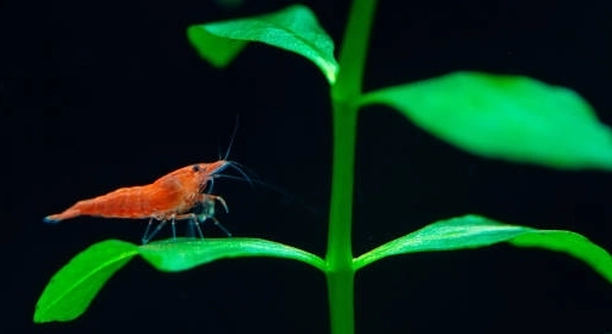
Cherry shrimp are small, colorful creatures often found in home aquariums. Many people enjoy their lively behavior and bright appearance, noticing how they interact with plants and explore their environment in subtle, fascinating ways.
Cherry shrimp display a modest level of intelligence. They can recognize food sources, learn simple routines, and respond to changes in their environment. While not comparable to larger animals, their behaviors indicate awareness, adaptability, and basic problem-solving abilities.
Observing their daily actions can reveal surprising insights about their cognitive abilities and habits in the aquarium. Their tiny movements often carry more meaning than they first appear.
Understanding Cherry Shrimp Behavior
Cherry shrimp move with purpose through their aquarium, constantly exploring surfaces and vegetation. They use their tiny claws to pick up food, scrape algae, and investigate small crevices. Watching them, I noticed they can remember which areas are safe and which are less accessible. They respond to light changes, often retreating when the tank becomes too bright. When introduced to new decorations or plants, they take time to explore cautiously. Their interactions with each other also show subtle communication, like signaling danger or establishing territory. Even small gestures, such as flicking their antennae or hovering near a food source, indicate awareness. While their intelligence is limited, their routines reflect learning and adaptation. Observing these patterns gives a deeper appreciation for their behavior. It becomes clear that even small aquatic animals can exhibit awareness and respond thoughtfully to their environment. Cherry shrimp combine instinct with mild learning, making them quietly complex creatures in a small tank ecosystem.
Their behavior suggests simple memory and adaptive responses, reflecting more intelligence than one might assume at first glance.
Studying them closely, I realized their daily habits show problem-solving skills. They remember safe spots for hiding and can avoid areas where other shrimp are dominant. Food placement influences their movement patterns, demonstrating learning from repetition. Even subtle interactions, like antennae touching, serve as communication methods. This awareness allows them to adjust to changes in the tank, including water currents and decoration shifts. Understanding these behaviors helps in designing a tank that suits their needs and promotes natural activity. Over time, watching these shrimp has revealed their ability to adapt and respond with minimal guidance, providing insight into their intelligence and social tendencies.
Feeding and Training Insights
Cherry shrimp respond quickly to consistent feeding routines, learning when and where food will appear.
Establishing a predictable feeding schedule encourages shrimp to explore actively. I noticed they anticipate food placement and gather efficiently, demonstrating memory and recognition. Gentle hand-feeding can further reinforce their learning. Observing their feeding habits also highlights differences in individual shrimp behavior, with some taking risks to access food while others remain cautious. Training can involve placing small amounts of food in various locations to promote exploration and problem-solving. Over time, they learn patterns and improve their efficiency, revealing an understated but noticeable level of intelligence. Providing varied food sources also stimulates their senses and encourages interaction, creating a more dynamic tank environment. These small adjustments in feeding and environment management allow for closer observation of their capabilities, making it clear that even tiny creatures like cherry shrimp possess learning potential and adaptability.
Their ability to remember food locations and respond to routines shows intelligence in action, even in a confined tank environment.
Regular feeding, combined with environmental changes, promotes mental stimulation. Introducing obstacles or hiding spots challenges them to adapt, enhancing their problem-solving skills. Watching how they navigate around new plants or objects illustrates learning and spatial memory. Gradually altering food placement encourages them to explore the tank more actively, improving confidence and awareness. Social interactions also play a role, as observing peers can guide behavior. Over time, these practices show that shrimp are capable of adjusting strategies to maximize food access and avoid hazards. This subtle intelligence is often overlooked, but careful observation demonstrates a balance of instinct and learned behavior that defines their daily life in captivity.
Tank Environment and Its Influence
A well-structured tank helps cherry shrimp feel secure and confident. Plants, hiding spots, and gentle water flow encourage natural behaviors. Stress is reduced when the environment mimics natural conditions, allowing shrimp to explore and feed without fear or obstruction.
Providing varied surfaces and plants creates an engaging habitat. Cherry shrimp use leaves, rocks, and substrate for foraging and hiding. Smooth areas allow easier movement, while dense foliage offers protection. Observing them, I noticed they prefer shaded spots during the day and explore more when light levels are low. Tank decorations can influence social interaction, with open spaces encouraging group feeding, and tight areas prompting individual retreat. Proper water conditions, including stable temperature and pH, are crucial for active behavior. The combination of environmental enrichment and stability supports cognitive engagement, showing that shrimp respond to thoughtful habitat design.
Temperature, water quality, and decoration placement directly impact shrimp behavior. Even minor changes can alter activity levels and feeding efficiency. Monitoring these factors helps maintain their comfort and natural habits.
Social Interaction and Awareness
Cherry shrimp observe each other constantly, adjusting behavior based on nearby shrimp. Awareness of peers affects feeding, movement, and territory selection.
Social dynamics in the tank influence individual behavior. I noticed that dominant shrimp secure the best foraging areas, while others adapt by exploring less contested zones. Interactions include gentle nudging, antennae contact, and avoidance maneuvers. These actions indicate recognition and memory of previous encounters. Social observation also affects learning, as younger or less experienced shrimp follow the routines of others. Even minimal competition encourages problem-solving and exploration, demonstrating cognitive flexibility. Their interactions are subtle but meaningful, showing that shrimp awareness extends beyond instinctive reactions and into learned responses.
Observing these patterns reveals that shrimp are capable of adapting to social hierarchies. Awareness of others shapes movement, feeding, and risk-taking, providing insight into their cognitive and social abilities.
Problem-Solving and Exploration
Cherry shrimp use trial and error to reach food or navigate obstacles. They explore new objects carefully, adjusting movement based on success or failure.
They can remember paths to food and avoid risky areas. Watching them, I noticed repeated patterns that indicate learning and adaptation. Their small size does not prevent them from demonstrating practical problem-solving skills.
Sensory Perception
Cherry shrimp rely heavily on their antennae and eyesight to sense their environment. They detect movement, food, and changes in water currents. This sensory input allows them to respond quickly to threats or opportunities, demonstrating a level of awareness that supports survival and effective interaction within the tank.
Interaction with Humans
Shrimp recognize gentle hand movements and the presence of feeding tools. They often gather near the glass or substrate when accustomed to feeding routines.
Their cautious but curious responses show an ability to differentiate between safe and potentially dangerous stimuli. Repeated exposure builds recognition, highlighting a subtle intelligence that develops over time.
FAQ
How smart are cherry shrimp compared to other small aquatic creatures?
Cherry shrimp display a modest level of intelligence among small aquatic animals. They show learning through repeated behaviors, adapt to environmental changes, and respond to food placement. While they do not possess complex problem-solving skills like larger fish or invertebrates, their ability to remember safe areas and navigate obstacles demonstrates practical awareness. Observation reveals that they can recognize patterns in feeding schedules and environmental changes, which helps them survive and thrive in a home aquarium.
Can cherry shrimp learn from each other?
Yes, cherry shrimp show subtle social learning. Observing other shrimp can influence their behavior, especially in feeding and exploration. Less experienced shrimp often follow more confident individuals to food sources or safer areas. They also adjust their movement and territory use based on prior interactions, indicating memory of social dynamics. This learning is gradual and mostly instinct-driven, but it highlights their ability to observe and adapt to peers in the tank environment.
Do cherry shrimp have memory?
Cherry shrimp exhibit short- to medium-term memory. They remember safe hiding spots, food locations, and areas with frequent activity. I noticed that even after rearranging tank decorations, they quickly relearned the best paths for movement. Memory helps them avoid danger, optimize feeding, and maintain social harmony. This ability to recall environmental cues shows cognitive function beyond simple reflexes.
How do cherry shrimp respond to stress or threats?
When stressed or sensing danger, cherry shrimp retreat to hiding spots and reduce activity. They can recognize sudden changes in light, water movement, or the presence of other creatures. Repeated exposure to mild disturbances allows them to adapt and respond calmly over time. Stressful conditions reduce feeding and exploration, so observing behavior is key to maintaining a healthy environment. Proper tank setup minimizes stress and promotes natural activity.
Can cherry shrimp be trained?
Training cherry shrimp is possible but limited. They respond best to consistent routines, such as scheduled feeding or hand-feeding. Placing food in predictable locations encourages exploration and reinforces learned behavior. While they cannot perform complex tricks, repetition and environmental consistency help them recognize patterns and respond appropriately, reflecting basic cognitive abilities.
Do cherry shrimp recognize humans?
Shrimp do not recognize humans like mammals, but they can learn to associate movements and presence with food. Over time, they approach certain areas when feeding tools are introduced, showing learned anticipation. This behavior demonstrates memory and sensory association rather than true recognition, but it highlights their adaptive response to repeated environmental stimuli.
What factors improve their learning and awareness?
Stable water conditions, varied habitat, and regular feeding routines enhance cherry shrimp’s learning ability. Environmental enrichment, such as plants, rocks, and hiding spots, encourages exploration and problem-solving. Changing food locations gradually can stimulate spatial memory. Observing how shrimp interact with these elements provides insight into their subtle intelligence and adaptability in the aquarium.
Do cherry shrimp exhibit problem-solving skills?
Yes, cherry shrimp demonstrate simple problem-solving. They explore obstacles, find alternate paths, and adjust strategies when accessing food or avoiding rivals. While this behavior is instinct-driven, repeated exposure to challenges shows adaptability and learning. Watching shrimp navigate a complex tank reveals small but clear examples of cognitive function and practical intelligence.
Are some cherry shrimp smarter than others?
Individual differences exist in behavior and learning. Some shrimp are bolder in exploring new areas or competing for food, while others are more cautious. These variations reflect personality, experience, and adaptability. Observing multiple shrimp in the same tank highlights how individual traits influence learning, awareness, and interaction within the group.
How long do cherry shrimp retain learned behaviors?
Learned behaviors can last for days to weeks, depending on consistency and reinforcement. Regular feeding schedules, stable environments, and repeated exposure to stimuli help maintain memory. Shrimp adapt quickly to changes but will return to familiar routines if environmental cues remain consistent, showing that memory plays an important role in daily survival and social interaction.
Can shrimp intelligence change over time?
Yes, intelligence and responsiveness improve with experience. Younger or newly introduced shrimp may appear cautious, but repeated exposure to food, habitat, and tank mates allows them to learn faster. Over time, observation shows increased awareness, problem-solving, and adaptive behavior, demonstrating that their cognitive abilities are flexible within their limitations.
What role does observation play in understanding shrimp intelligence?
Careful observation is essential to recognize subtle intelligence. Noting how shrimp explore, interact, and respond to changes reveals learning patterns and memory. Small actions, like antennae flicking or revisiting food locations, demonstrate awareness. Spending time watching them can uncover nuances in behavior that suggest more cognitive ability than initially assumed.
How can I support their mental stimulation?
Varying tank layout, offering different food types, and introducing minor changes in the environment encourages exploration. Providing hiding spots, open spaces, and gentle currents helps them engage natural instincts. These adjustments stimulate memory, awareness, and problem-solving, allowing shrimp to express their abilities fully while maintaining health and activity levels.
Are cherry shrimp capable of forming social hierarchies?
Yes, social hierarchy is evident in food access and territory. Dominant shrimp claim preferred areas, while others adjust movement or wait for opportunities. These dynamics are subtle but influence behavior, showing recognition of peers, memory of prior interactions, and adaptive responses that enhance survival within a community tank.
How does feeding routine impact shrimp intelligence?
Consistent feeding routines help shrimp recognize patterns and improve efficiency. They learn when and where food will appear, reducing stress and encouraging activity. Introducing minor variations can promote problem-solving, as shrimp adjust strategies to access food. Over time, this reinforces memory and awareness, reflecting practical learning in daily life.
Final Thoughts
Cherry shrimp are small, unassuming creatures, yet they display more intelligence than many people expect. Their behaviors reflect a mix of instinct, memory, and learning. Observing them closely shows that they can remember safe spots, navigate obstacles, and respond to changes in their environment. Even simple activities, like foraging for food or exploring plants, reveal subtle cognitive skills. Their ability to recognize food patterns or retreat when sensing danger demonstrates awareness and adaptation. While they are not capable of complex reasoning, the consistency and thoughtfulness in their actions suggest a quiet, practical intelligence. It is easy to underestimate them because of their size, but watching them over time reveals how responsive and capable they are within their environment. Their small daily habits, such as following familiar routes or interacting with other shrimp, highlight the ways they use memory and observation to thrive in an aquarium setting.
Their social behaviors are another area that shows intelligence. Cherry shrimp do not communicate through sounds, but their actions reflect an understanding of the group around them. Dominant individuals often claim the best feeding spots or hiding places, while others adjust their behavior to avoid conflict. Observing these interactions provides insight into memory, recognition, and awareness of peers. Even subtle gestures, like flicking antennae or moving aside for another shrimp, indicate learning from prior experiences. They also appear to observe each other during feeding and exploration, which can influence how they act in similar situations later. This social awareness shows that intelligence in shrimp is not limited to simple survival instincts; it also extends to adapting to the presence and behavior of others. In a tank setting, understanding these dynamics helps create an environment where shrimp can explore, feed, and interact comfortably, further encouraging their natural abilities to develop.
Environmental factors play a key role in supporting their mental and physical capabilities. Providing hiding spots, plants, and varied surfaces allows cherry shrimp to explore and problem-solve. Changes in decoration or food placement stimulate learning and memory. Stable water conditions, consistent temperature, and clean water reduce stress and encourage normal activity. By observing how shrimp react to environmental shifts, it becomes clear that their responses involve both instinct and learned behavior. Even small details, like recognizing food placement or adjusting movement around new obstacles, highlight practical intelligence. Supporting their environment encourages exploration, social interaction, and awareness, which are all indicators of their cognitive abilities. Spending time watching cherry shrimp provides not only enjoyment but also a deeper appreciation for their capabilities. Their small size does not limit their capacity to adapt, learn, and interact with their surroundings, demonstrating that intelligence in aquatic creatures can take many subtle and fascinating forms.

Hello,
If you enjoy the content that we create, please consider saying a "Thank You!" by leaving a tip.
Every little bit helps us continue crafting quality advice that supports the health, happiness, and well-being of pets around the world, for pets of all shapes, sizes, and species.
We really appreciate the kindness and support that you show us!